
Hold Cleaning in Fujairah: 5 Critical Safety Advantages
Fujairah has earned its place as one of the UAE’s most important maritime service hubs. Located outside the Strait of Hormuz, it supports bulk carriers, tankers, and offshore vessels moving between Asia, Europe, and Africa. In this high-traffic environment, hold cleaning in Fujairah is not a cosmetic task. It is a safety-critical operation that directly affects crew welfare, cargo integrity, regulatory compliance, and operational costs.
We often describe cargo holds as a ship’s lungs. If they are clogged with residue, dust, or moisture, the entire vessel struggles. The following sections explain five critical safety advantages of proper hold cleaning, grounded in real maritime practice rather than marketing claims.
Why the UAE Plays a Central Role in Marine Cleaning
The UAE combines strategic geography with strict port state control. Fujairah Port handles coal, petcoke, fertilizers, grain, and mineral cargoes at scale. Each cargo leaves behind residues that can become hazards if not removed correctly.
Authorities in UAE ports expect vessels to meet international standards consistently. That expectation makes professional hold cleaning part of routine risk management rather than an optional service.
What Hold Cleaning Really Involves
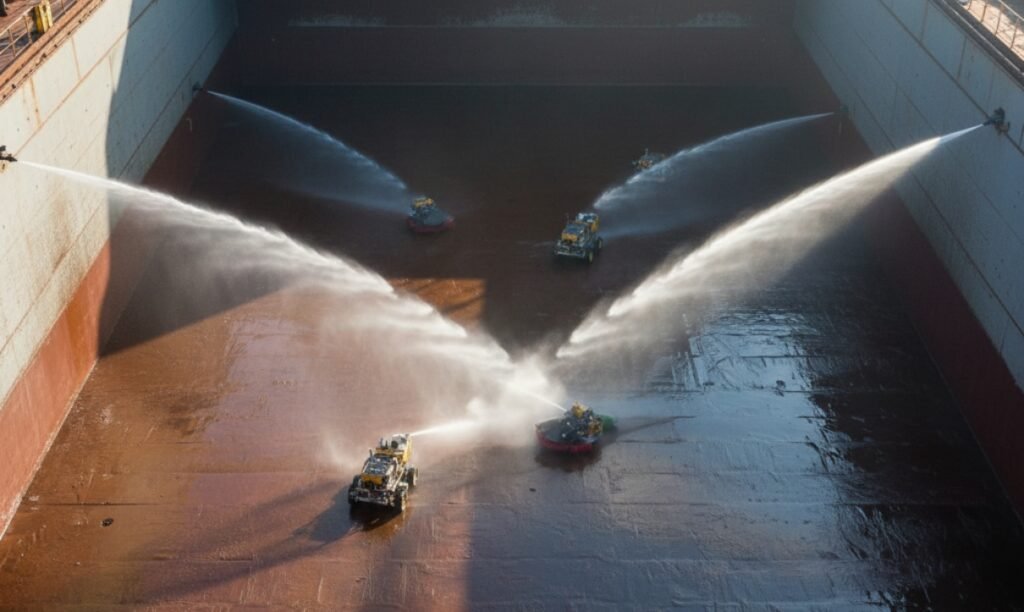
Hold cleaning is the systematic removal of cargo residues, dust, scale, and moisture from bulk carrier holds. It prepares the space for the next cargo, inspection, or repair.
Unlike tank cleaning, which focuses on liquid cargo spaces, hold cleaning deals with solid residues that can shift, react, or contaminate future cargoes if ignored.
Critical Safety Advantage 1: Reduced Risk of Cargo Contamination
Cargo contamination is one of the most common causes of claims in bulk shipping. Residues from coal or fertilizer can easily compromise grain or mineral cargoes.
Proper hold cleaning in Fujairah helps you:
- Remove previous cargo traces completely
- Meet charterer and receiver cleanliness standards
- Avoid disputes at discharge ports
A clean hold is like a clean plate. What comes next tastes exactly as intended.
Critical Safety Advantage 2: Safer Working Conditions for Crew
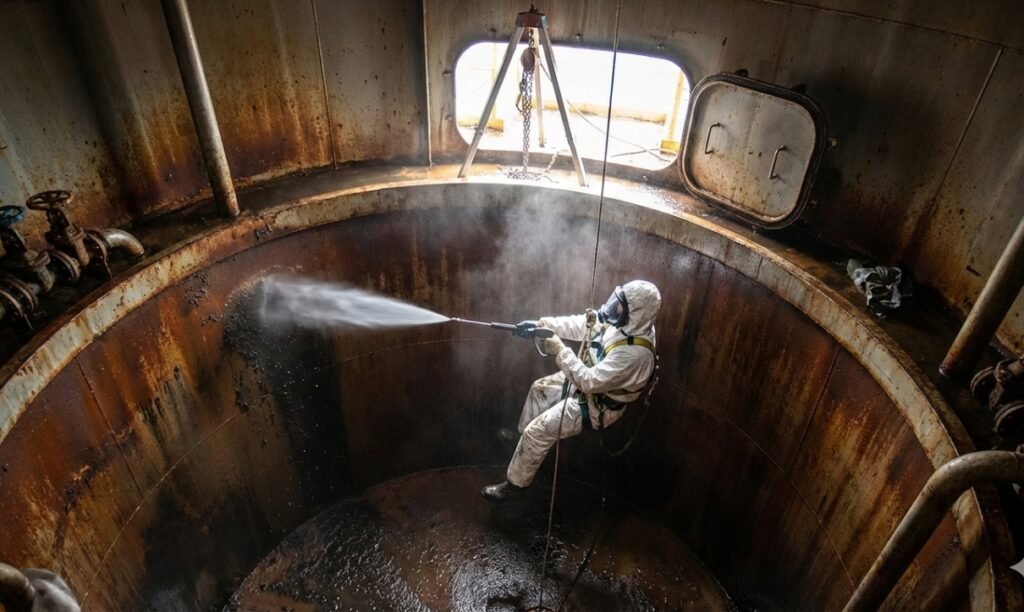
Cargo holds are confined spaces with multiple hazards. Dust inhalation, slippery surfaces, and poor visibility increase the risk of injury.
Effective hold cleaning improves safety by:
- Reducing airborne dust and toxic residues
- Improving visibility for inspections and maintenance
- Lowering slip and fall risks during entry
When we clean holds properly, we turn a hostile environment into a manageable workspace.
Critical Safety Advantage 3: Compliance W ith International Regulations
Ports such as Fujairah operate under global regulatory frameworks. Hold cleanliness affects compliance with:
- IMO safety and operational standards
- MARPOL Convention requirements on residue handling
- IMCA guidance for offshore-related operations
- IAPH World Ports safety expectations
Clean holds support smoother inspections and reduce the likelihood of detention or delay by port state control.
Critical Safety Advantage 4: Environmental Protection and Cost Control
Residual cargo can wash overboard during ballasting or rain exposure, creating pollution risks. Environmental incidents carry heavy financial and reputational costs.
Hold cleaning supports:
- Controlled collection and disposal of residues
- Reduced risk of accidental discharge
- Long-term cost savings through incident prevention
Environmental protection and cost efficiency often align when cleaning is done correctly. Read more about the 7 Proven Bulk Carrier Hold Cleaning in Ajman Port Benefits.
Critical Safety Advantage 5: Accurate Inspections and Structural Integrity
Surveyors and marine supercargo professionals cannot assess steel condition through layers of residue. Corrosion, cracks, and coating damage remain hidden.
Clean holds allow:
- Accurate inspections under Final Quality Rules
- Early identification of structural issues
- Better planning for repairs or drydock
In this sense, hold cleaning becomes a diagnostic tool rather than a routine chore.
Hold Cleaning Standards for Bulk Carriers
Bulk carriers operate under different cleanliness standards depending on cargo type. Fujairah frequently sees:
- Grain-clean requirements for food cargoes
- Shovel-clean standards for industrial cargoes
- High-pressure washing for stubborn residues
Each standard balances safety, time, and cost while meeting charter party expectations. Read more about Hold Tank Cleaning in Abu Dhabi: 7 Powerful Safety Gains.
Relationship Between Hold Cleaning and Tank Cleaning
Although distinct, hold and tank cleaning share common safety principles. Both involve confined spaces, residue removal, and regulatory oversight.
In ports like Fujairah, vessels often coordinate:
- Hold cleaning for bulk cargoes
- Tank cleaning for fuel or liquid residues
- Integrated inspections to reduce downtime
This coordinated approach improves overall vessel readiness.
Inspection, Documentation, and Compliance Workflows
Modern shipping relies on documentation as much as physical work. Hold cleaning workflows typically include:
- Pre-cleaning risk assessments
- Records of residue removal and disposal
- Inspection reports by marine supercargo teams
- Photographic evidence for charterers or receivers
These records protect owners during audits, claims, and regulatory reviews. Learn more about 7 Proven Vessel Hold Cleaning Services in Abu Dhabi.
Role of Industry Practice in Fujairah
Across global ports, companies such as Cleanship.co represent established industry practice rather than promotion. Their work reflects common operational expectations in Fujairah, including:
- Global tank and hold cleaning coordination
- Cargo supervision and compliance support
- Drug and alcohol testing services to enhance crew safety
These services show how cleaning integrates with broader maritime risk management.
Safety, Environment, and Operational Efficiency
Safety improvements rarely stand alone. Cleaner holds lead to faster loading, fewer disputes, and improved vessel reputation.
Charterers remember vessels that arrive ready. Ports favor operators who respect environmental and safety standards.
Future Trends in Marine and Hold Cleaning
Marine cleaning continues to evolve. Emerging trends include:
- Improved dust suppression systems
- Digital inspection records shared with ports
- Stronger links between cleaning, safety audits, and crew welfare programs
Innovation focuses less on speed alone and more on measurable risk reduction.
Conclusion
Hold cleaning in Fujairah delivers safety benefits that extend far beyond appearance. First, it reduces cargo contamination risks and protects commercial interests. Second, it improves crew safety while supporting compliance with IMO, MARPOL, IMCA, and IAPH frameworks. Third, it enables accurate inspections that prevent costly structural surprises.
In a port as strategically important as Fujairah, clean holds are a signal of professionalism and preparedness. For shipowners and operators seeking reliable compliance and maritime service excellence, working with experienced industry practitioners such as Cleanship.co is a practical and responsible choice.
FAQs:
Fujairah handles high volumes of bulk cargo and operates under strong port state control. Clean holds are essential for cargo safety, environmental protection, and compliance with international maritime regulations.
Hold cleaning focuses on solid cargo residues in bulk carriers, while tank cleaning addresses liquid cargo spaces. Both involve confined-space risks but use different methods, standards, and inspection criteria.
Yes. Proper removal and disposal of cargo residues reduce the risk of illegal discharge, directly supporting MARPOL Convention requirements and environmental protection goals.
Marine supercargo professionals or surveyors often inspect holds against charter party terms and Final Quality Rules, ensuring cleanliness standards are met before cargo operations begin.
Yes. Clean holds lower the risk of cargo claims, inspection delays, and emergency repairs, making preventive cleaning more cost-effective than reactive problem-solving.