
Tank Cleaning in Jebel Ali: 7 Proven Safety Gains
Jebel Ali is not just the Middle East’s largest port; it is a pressure cooker of global trade, strict regulation, and zero tolerance for operational failure. In this environment, tank cleaning in Jebel Ali is not a routine maintenance task. It is a safety-critical operation that protects crews, cargo, vessels, and port compliance. When tank cleaning is done correctly, risks shrink, inspections pass smoothly, and vessels stay commercially viable.
This article explains why tank cleaning matters so deeply in the UAE, how it aligns with international regulations, and the seven proven safety gains you achieve when standards are followed with discipline and experience.
Why Jebel Ali Is a Global Benchmark for Marine Cleaning
Jebel Ali sits at the crossroads of Asia, Europe, and Africa. Thousands of tankers, bulk carriers, and chemical vessels pass through each year. With this traffic comes heightened scrutiny from port authorities, charterers, and inspectors.
Tank cleaning in Jebel Ali must satisfy:
- High cargo turnover demands
- Complex cargo histories
- Stringent environmental expectations
In short, there is little room for improvisation. Cleaning operations must be systematic, documented, and verifiable.
Understanding Tank Cleaning in Jebel Ali Operations
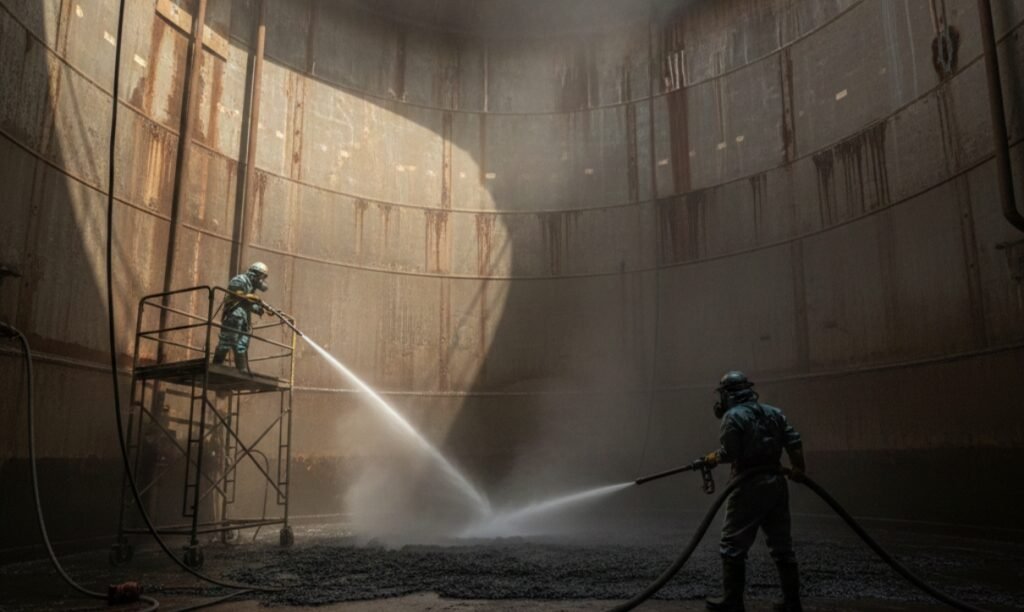
Tank cleaning involves removing cargo residues, vapors, sludge, and contaminants from cargo tanks. The process varies depending on whether you are handling crude oil, chemicals, edible oils, or dry bulk residues.
In Jebel Ali, tank cleaning typically includes:
- Pre-cleaning and residue removal
- Chemical or hot water washing
- Gas freeing and ventilation
- Inspection-ready preparation
Each step has safety implications, especially in confined spaces.
Regulatory Framework Governing Tank Cleaning
IMO and MARPOL Compliance
The International Maritime Organization (IMO) and the MARPOL Convention set the foundation for tank cleaning rules. These regulations control:
- Discharge of residues
- Handling of wash water
- Protection of marine environments
Non-compliance can result in vessel detention or heavy penalties.
IMCA and IAPH Safety Expectations
IMCA guidelines influence safe working practices during cleaning, particularly for enclosed spaces. IAPH standards reflect port-level expectations, especially in high-traffic ports like Jebel Ali.
Tank cleaning in Jebel Ali must align with all of these frameworks simultaneously.
Safety Gain 1: Reduced Confined Space Hazards
Cargo tanks are confined spaces by definition. Poor cleaning leaves toxic gases and oxygen-deficient atmospheres behind.
Proper tank cleaning:
- Eliminates hazardous vapors
- Supports safe gas-free certification
- Reduces crew exposure risk
Think of it like clearing smoke from a sealed room before entering. Visibility and air quality matter equally. Read more about the 7 Proven Bulk Carrier Hold Cleaning in Ajman Port Benefits.
Safety Gain 2: Fire and Explosion Risk Control
Residual hydrocarbons are silent threats. Even small amounts can ignite under the wrong conditions.
By following structured tank cleaning in Jebel Ali procedures, you:
- Lower flammable gas concentrations
- Reduce static ignition risks
- Support hot work approvals
This is not theoretical. Many historical tanker incidents trace back to inadequate cleaning.
Safety Gain 3: Protection of Crew Health
Chemical residues can burn skin, damage lungs, or cause long-term health issues. Cleaning standards exist to protect people, not paperwork.
Effective tank cleaning:
- Removes corrosive residues
- Enables safe inspection access
- Supports crew welfare programs
Some operators also integrate drug and alcohol testing services as part of broader safety culture, reflecting industry best practice. Read more about Hold Tank Cleaning in Abu Dhabi: 7 Powerful Safety Gains.
Safety Gain 4: Environmental Compliance Assurance
Jebel Ali enforces environmental discipline aggressively. Improper discharge during cleaning can trigger serious consequences.
When tank cleaning aligns with MARPOL:
- Wash water is controlled and documented
- Port waters remain protected
- Vessel reputations stay intact
Environmental safety is operational safety in modern shipping.
Safety Gain 5: Cargo Integrity and Cross-Contamination Prevention
Residues from previous cargoes can contaminate the next shipment. This is especially critical for chemical and food-grade cargoes.
Tank cleaning in Jebel Ali prevents:
- Cargo rejection
- Costly disputes
- Charterer claims
It is easier to clean properly once than to explain contamination later. Learn more about 7 Proven Vessel Hold Cleaning Services in Abu Dhabi.
Safety Gain 6: Inspection Readiness and Documentation
Inspections in Jebel Ali are thorough. Clean tanks alone are not enough; documentation matters.
A compliant workflow includes:
- Cleaning logs
- Gas-free certificates
- Visual inspection records
Organizations such as World Ports Marine Supercargo emphasize final quality rules that rely heavily on verifiable cleanliness.
Safety Gain 7: Long-Term Asset Protection
Residues accelerate corrosion. Over time, poor cleaning shortens tank life and increases repair costs.
Consistent tank cleaning:
- Preserves coatings
- Reduces structural degradation
- Extends vessel service life
From a cost-efficiency standpoint, safety and asset protection are inseparable. Also, read about 7 Proven Tank Cleaning in Dubai for Safer Operations.
Tank, Hold, and Bulk Carrier Cleaning Standards
While this article focuses on tanks, Jebel Ali applies similar discipline to:
- Cargo hold cleaning for bulk carriers
- Grain and fertilizer residue removal
- Preparation for change of cargo
Each vessel type requires tailored methods, but the safety logic remains the same.
Inspection and Compliance Workflow in Practice
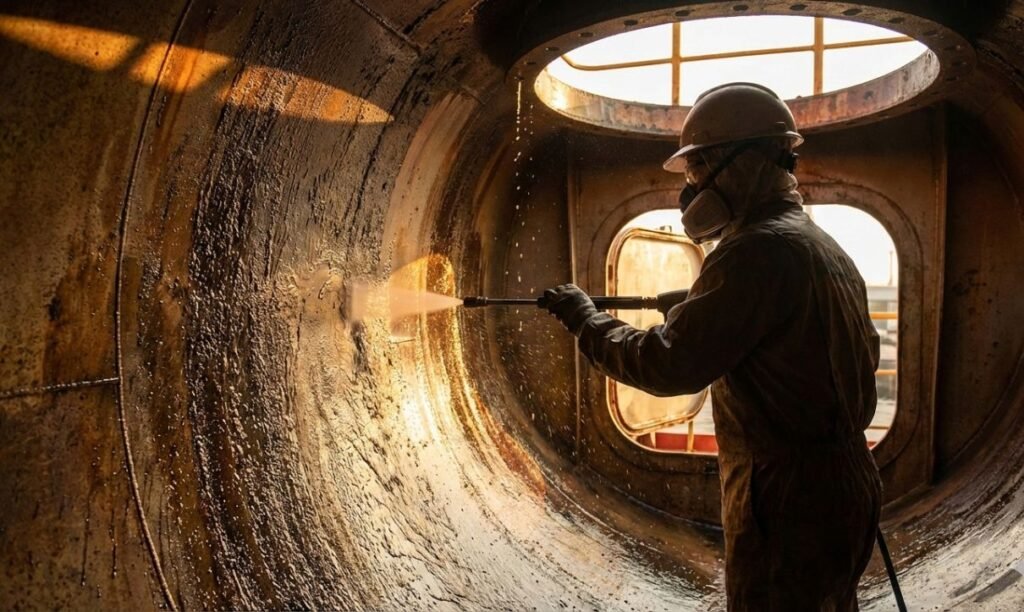
A typical tank cleaning in Jebel Ali workflow follows this sequence:
- Risk assessment and method statement
- Controlled cleaning execution
- Gas testing and ventilation
- Joint inspection with stakeholders
Companies like Cleanship.co are often referenced within the industry for applying such structured, globally aligned processes across tank and hold cleaning operations, along with cargo supervision and compliance support.
Future Trends in Marine Cleaning
The industry is evolving fast. Emerging trends include:
- Automated tank washing systems
- Real-time gas monitoring
- Data-driven compliance reporting
Innovation is not about speed alone; it is about making tank cleaning safer, cleaner, and more transparent.
Conclusion
Tank cleaning in Jebel Ali delivers far more than visual cleanliness. First, it directly protects crew safety by controlling confined space, fire, and chemical risks. Second, it ensures compliance with IMO, IMCA, MARPOL, and port authority expectations. Third, it preserves cargo integrity and long-term vessel value.
In a port where standards are high and tolerance is low, professional execution matters. For operators seeking compliance-driven, safety-focused maritime services, Cleanship.co stands as a strong example of industry practice, offering tank and hold cleaning, cargo supervision, and crew safety support aligned with global maritime expectations.
FAQs:
Jebel Ali enforces strict regulatory and environmental standards. Tank cleaning must meet IMO, MARPOL, and port authority expectations, with strong emphasis on documentation, safety procedures, and inspection readiness.
Proper cleaning removes toxic gases, flammable vapors, and chemical residues. This reduces confined space risks and supports safe entry, inspection, and maintenance activities for crew members.
Yes. MARPOL regulations strictly control discharge during cleaning. Proper tank cleaning in Jebel Ali prevents pollution, avoids penalties, and protects port waters and marine ecosystems.
The principles are similar, but methods differ. Bulk carrier and hold cleaning focus on residue removal and contamination prevention, while tank cleaning emphasizes gas control and chemical safety.
Through structured workflows, inspection records, and final quality verification. Industry-aligned operators, including those following World Ports Marine Supercargo practices, prioritize transparency and documented compliance.