Ship Hold Cleaning in Ruwais Port
Ship hold cleaning in Ruwais Port is not a routine housekeeping task. It is a critical operational process that directly affects cargo safety, regulatory compliance, vessel turnaround, and long-term asset protection. Ruwais Port operates within one of the UAE’s most regulated industrial zones, where inspections are precise and environmental expectations are uncompromising.
We treat ship hold cleaning as a preventive control. When executed correctly, it delivers seven powerful gains that protect your vessel, your crew, and your commercial commitments—quietly, efficiently, and without disruption.
Why the UAE Is a Global Leader in Marine Cleaning
The UAE has built its maritime reputation on consistency and compliance. Ports operate under unified regulatory frameworks aligned with international conventions, leaving little tolerance for deviation.
Ruwais Port’s Industrial Operating Environment
Ruwais Port primarily supports industrial bulk, petrochemical-related cargo, and heavy project movements. This increases sensitivity to residue control, dust management, and environmental protection during ship hold cleaning services in Ruwais Port.
Compliance as an Operational Standard
UAE ports closely follow IMO conventions, MARPOL Convention requirements, IMCA safety practices, and IAPH port principles. Clean cargo holds are a minimum operational expectation, not an added value.
Understanding Ship Hold Cleaning in Practical Terms
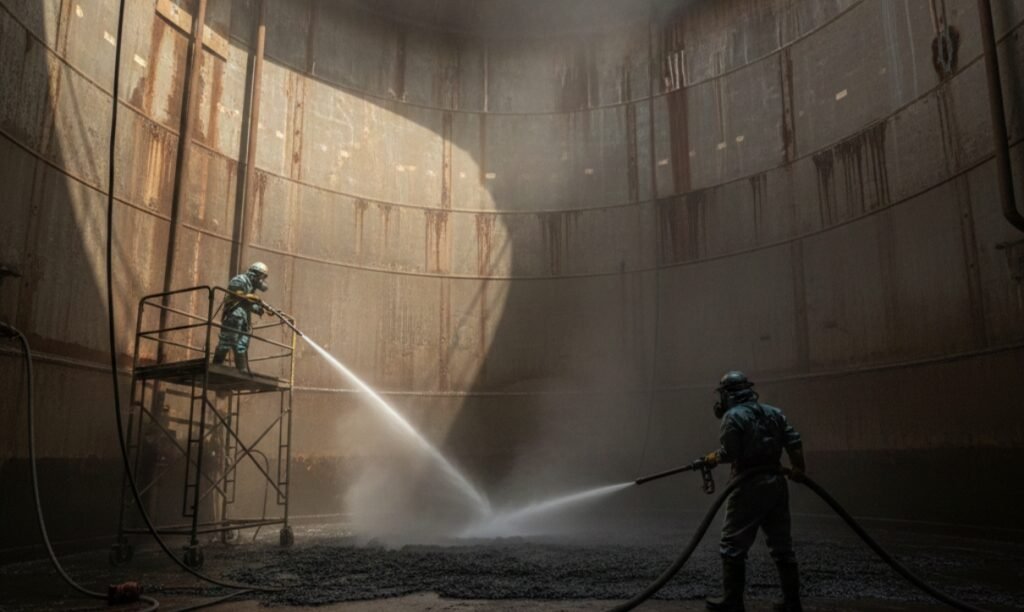
Ship hold cleaning is the structured removal of cargo residues, loose rust scale, odors, and moisture that may compromise the next cargo or inspection outcome.
Core Elements of Effective Hold Cleaning
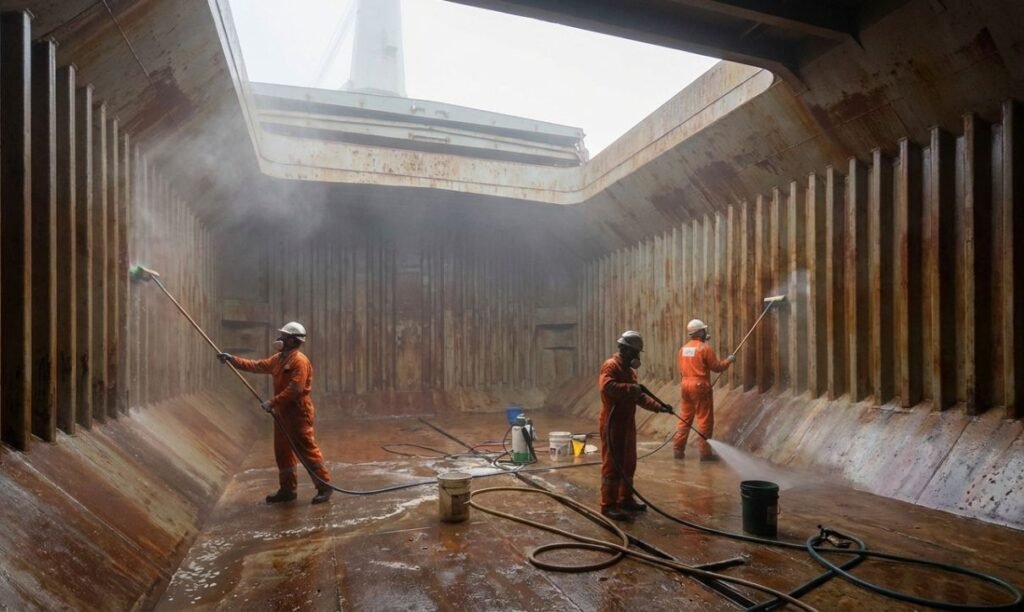
- Manual sweeping and residue removal
- High-pressure washing with controlled discharge
- Degreasing when required by cargo history
- Drying and forced ventilation
- Final inspection and condition documentation
Ship hold cleaning must adapt to cargoes such as minerals, aggregates, industrial raw materials, and sensitive bulk products.
Gain 1: Cargo Quality Protection
Cargo contamination often begins at a microscopic level. Fine dust, chemical traces, or lingering odors can lead to cargo rejection.
Real-World Cargo Risk
A hold previously carrying industrial material may visually appear clean, but still contaminate a sensitive cargo. Proper ship hold cleaning eliminates this hidden risk before loading begins.
Gain 2: Predictable Regulatory Compliance
IMO and MARPOL Convention Alignment
The MARPOL Convention governs residue handling, wash water discharge, and pollution prevention. Ship hold cleaning in Ruwais Port must ensure residues are collected and disposed of through approved waste streams.
IMCA and IAPH Expectations
IMCA guidance focuses on the safe execution of high-risk activities such as confined space entry and high-pressure washing. IAPH principles reinforce environmental responsibility and port cleanliness standards.
Gain 3: Improved Crew Safety
Hold cleaning exposes crews to confined spaces, slippery surfaces, and potentially hazardous residues.
Safety Controls That Matter
- Confined space entry permits
- Gas testing and ventilation
- Proper PPE and supervision
- Fitness-for-duty checks, including drug and alcohol testing
Industry operators like Cleanship.co reflect these practices across global tank and hold cleaning operations, embedding safety into standard workflows.
Gain 4: Faster Inspections and Reduced Delays
Surveyors at Ruwais Port assess cleanliness, dryness, odor, and structural condition. Preparation directly affects inspection time. Learn more about 7 Proven Vessel Hold Cleaning Services in Abu Dhabi.
Operational Benefits of Readiness
Ship hold cleaning in Ruwais Port reduces:
- Re-cleaning instructions
- Cargo acceptance delays
- Idle berth time
Clean holds streamline inspections and protect sailing schedules.
Gain 5: Long-Term Cost Efficiency
Cleaning costs are controlled. Cargo claims and steel repairs are not.
Financial Impact Over Time
Consistent ship hold cleaning helps reduce:
- Corrosion-related maintenance
- Off-hire incidents
- Emergency cleaning expenses
- Cargo damage claims
Preventive cleaning extends structural life and stabilizes operating costs.
Gain 6: Environmental Protection and Port Reputation
Environmental performance is now part of vessel evaluation.
Environmental Controls in Hold Cleaning
- Controlled wash water discharge
- Dust suppression methods
- Certified residue disposal
- Reduced impact on surrounding waters
These practices align with MARPOL Convention standards and protect port ecosystems.
Gain 7: Strong Documentation and Audit Readiness
Why Documentation Is Essential
Ship hold cleaning in Ruwais Port requires:
- Pre-cleaning condition reports
- Cleaning method statements
- Inspection approvals
- Photographic evidence
These records protect owners during cargo disputes, audits, and port state inspections.
Ship Hold Cleaning Compared to Tank Cleaning
Tank cleaning focuses on liquids, vapors, and gas-free certification. Ship hold cleaning focuses on solids, dust, corrosion, and moisture control. Read more about Hold Tank Cleaning in Abu Dhabi: 7 Powerful Safety Gains.
Clear Operational Differences
Tank cleaning manages chemical hazards. Hold cleaning manages cargo compatibility and contamination risk. Both require trained crews and disciplined execution.
Role of Marine Supercargo and Cargo Supervision
Independent marine supercargo professionals verify hold readiness prior to loading.
Industry Practice in Context
Organizations such as Cleanship.co provide global tank and hold cleaning operations, cargo supervision, and compliance support, helping vessels meet inspection standards without commercial friction.
Inspection Standards and Final Quality Rules
World Ports and Marine Supercargo Final Quality Rules guide cargo acceptance decisions. Cleanliness is judged by visual condition, odor, dryness, and contamination risk.
Passing Without Rework
Ship hold cleaning in Ruwais Port succeeds when the first inspection is also the final one.
Future Trends in Marine Cleaning
Innovation Shaping the Sector
- Semi-automated hold washing systems
- Water recycling technologies
- Digital inspection and reporting tools
- Environmentally safer cleaning agents
These trends improve consistency while supporting sustainability and safety.
Why Consistency Outperforms Speed
Rushed cleaning hides risk. Consistent standards build trust with charterers, inspectors, and port authorities across voyages.
Conclusion
Ship hold cleaning in Ruwais Port delivers measurable operational gains when executed with discipline and planning. First, it protects cargo integrity and prevents costly contamination claims. Second, it ensures compliance with IMO, MARPOL Convention, IMCA, and IAPH standards in a tightly regulated industrial port. Third, it improves safety, inspection outcomes, and long-term cost control.
In a port where scrutiny is high and delays are expensive, professional hold cleaning is essential. For shipowners and operators seeking compliance-driven maritime service excellence, Cleanship.co reflects established industry practice in global tank and hold cleaning, cargo supervision, and safety support—keeping vessels clean, compliant, and commercially reliable.
FAQs:
Ship hold cleaning in Ruwais Port involves removing previous cargo residues, rust scale, dust, and moisture to meet port authority, charterer, and international regulatory requirements before loading.
The MARPOL Convention regulates residue handling and wash water discharge. Ship hold cleaning in Ruwais Port must follow approved disposal methods to prevent marine pollution.
Marine surveyors or marine supercargo professionals inspect holds for cleanliness, dryness, odor, and contamination risk before cargo acceptance.
Yes. Tank cleaning focuses on liquid residues and gas-free certification, while ship hold cleaning focuses on solid residues, dust control, and moisture management.
Documentation proves compliance, supports cargo acceptance, protects against claims, and ensures audit readiness during port state and charterer inspections.