
Oil Tanker Tank Cleaning in Fujairah: 7 Powerful Benefits
Fujairah occupies a unique position in global energy shipping. Located outside the Strait of Hormuz, it functions as a strategic safe harbor for oil tankers, product carriers, and offshore vessels. In this environment, oil tanker tank cleaning in Fujairah is not a background activity. It is a frontline safety and compliance operation that protects crews, cargo value, port infrastructure, and the marine environment.
We often describe tanker tanks as memory spaces. Whatever they carried last leaves traces behind. Cleaning is how you erase those memories before they cause trouble. The seven benefits below explain why professional tank cleaning matters so deeply in Fujairah’s operating context.
Why the UAE Is a Global Reference Point for Marine Cleaning
The UAE combines energy logistics, strict regulation, and advanced port oversight. Fujairah supports crude oil, refined products, and blending operations at scale, which increases both opportunity and risk.
Ports in the UAE align closely with international safety and environmental frameworks. This makes oil tanker tank cleaning in Fujairah a compliance-driven necessity rather than an operational afterthought.
What Oil Tanker Tank Cleaning Involves
Tank cleaning on oil tankers focuses on removing hydrocarbon residues, sludge, vapors, and contaminants from cargo tanks. The objective may be safety, cargo changeover, inspection, or preparation for repairs.
In simple terms, tank cleaning:
- Eliminates flammable residues
- Controls toxic vapors
- Restores tanks to a safe, inspectable condition
Each step directly affects safety and operational readiness.
Powerful Benefit 1: Fire and Explosion Risk Reduction
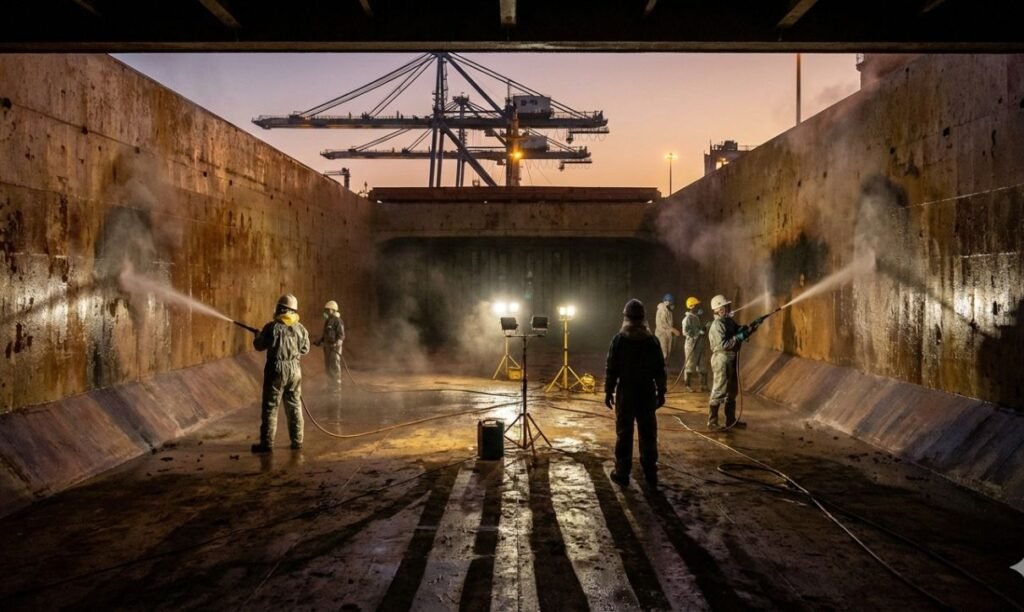
Oil residues and vapors create invisible danger. A single spark during hot work or maintenance can escalate quickly.
Professional oil tanker tank cleaning in Fujairah reduces this risk by:
- Removing combustible residues
- Ensuring proper ventilation
- Verifying gas-free conditions before entry
It is similar to draining fuel from an engine before repair. The work becomes safer once the hazard is removed.
Powerful Benefit 2: Safer Confined Space Entry
Cargo tanks are confined spaces with limited airflow. Oxygen depletion and toxic gases remain leading causes of tanker accidents.
Effective tank cleaning improves safety through:
- Continuous gas monitoring
- Clear entry permits
- Structured ventilation procedures
When tanks are clean and certified, crew members can enter with confidence rather than uncertainty.
Powerful Benefit 3: Compliance With International Regulations
Tank condition directly affects compliance. In Fujairah, inspectors expect alignment with:
- IMO operational safety requirements
- MARPOL Convention rules on residues and discharge
- IMCA guidance for offshore and marine operations
- IAPH World Ports safety standards
Clean tanks support smooth inspections and reduce the risk of detention or operational delay.
Powerful Benefit 4: Environmental Protection at a Strategic Port
Fujairah’s role as a bunkering and oil storage hub places it under constant environmental scrutiny. Residues left in tanks can lead to accidental discharge during ballasting or washing.
Tank cleaning supports environmental protection by:
- Controlling residue collection
- Preventing marine pollution incidents
- Supporting MARPOL pollution prevention objectives
Environmental discipline is not optional in modern tanker operations.
Powerful Benefit 5: Reliable Cargo Changeovers
Oil tankers often switch between different grades of crude or refined products. Residual contamination can alter cargo specifications and trigger disputes.
Oil tanker tank cleaning in Fujairah helps you:
- Meet charter party cargo purity requirements
- Avoid quality claims at discharge
- Maintain trust with charterers and receivers
Clean tanks protect cargo value as much as safety. Learn more about 7 Proven Vessel Hold Cleaning Services in Abu Dhabi.
Powerful Benefit 6: Accurate Inspection and Maintenance Planning
Surveyors and marine supercargo professionals cannot assess steel condition through sludge or residue. Corrosion, coating damage, and structural issues remain hidden.
Clean tanks enable:
- Accurate inspections under Final Quality Rules
- Early detection of defects
- Better planning for repairs or drydock
In practice, tank cleaning becomes a diagnostic process.
Powerful Benefit 7: Cost Control Through Risk Prevention
Safety and cost efficiency often travel together. Proper tank cleaning reduces:
- Off-hire time caused by failed inspections
- Emergency cleaning or gas-free operations
- Insurance exposure linked to incidents
Preventive cleaning is far cheaper than reactive crisis management.
Tank Cleaning Standards and Related Cleaning Operations
Oil tanker tank cleaning operates alongside other marine cleaning disciplines. Fujairah regularly handles:
- Tank cleaning for crude and product carriers
- Hold cleaning for bulk carriers
- Residue management across mixed fleets
Each operation follows different standards but shares the same safety logic. Read more about Hold Tank Cleaning in Abu Dhabi: 7 Powerful Safety Gains.
Relationship Between Tank Cleaning and Hold Cleaning
Although tankers focus on liquid cargo spaces, the principles mirror hold cleaning on bulk carriers. Both involve confined spaces, residue removal, and regulatory oversight.
Integrated planning allows operators to:
- Reduce port time
- Coordinate inspections
- Maintain consistent safety documentation
Inspection, Documentation, and Compliance Workflows
Documentation is central to tanker operations. Tank cleaning workflows typically include:
- Risk assessments before cleaning
- Gas-free and safety certificates
- Waste handling and disposal records
- Inspection reports by marine supercargo teams
These records protect operators during audits, claims, and regulatory reviews.
Industry Practice in Fujairah
Across global ports, companies such as Cleanship.co reflect established industry practice rather than promotion. Their work illustrates common operational expectations in Fujairah, including:
- Global tank and hold cleaning operations
- Cargo supervision and compliance support
- Drug and alcohol testing services to strengthen crew safety culture
These services show how tank cleaning fits into wider maritime risk management.
Safety, Environment, and Operational Reputation
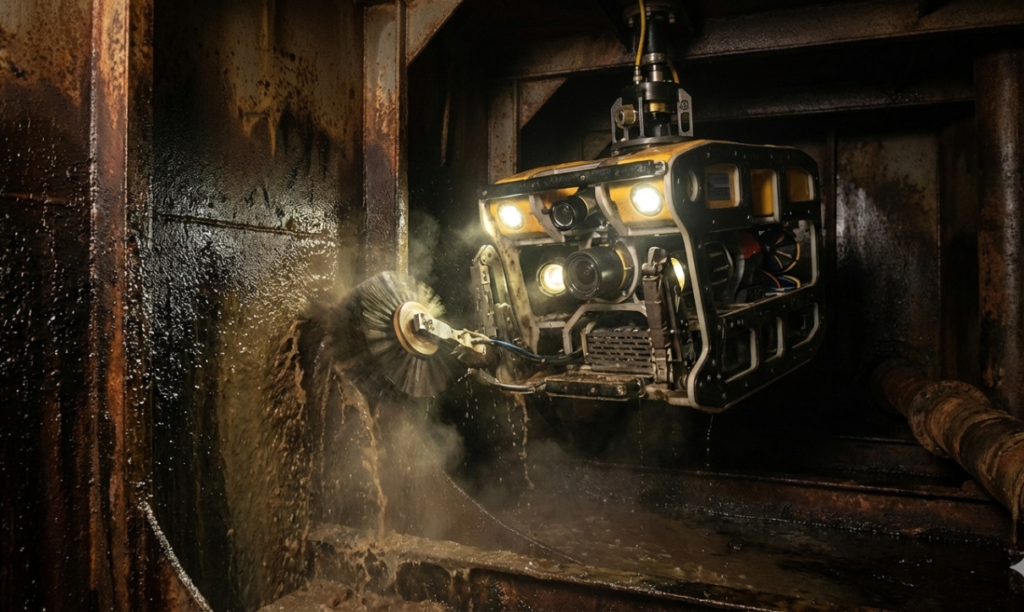
A clean tanker arrives ready. Charterers, inspectors, and ports recognize preparation immediately.
Consistent oil tanker tank cleaning in Fujairah signals professionalism long before loading begins.
Future Trends in Tanker Tank Cleaning
Marine cleaning continues to evolve under regulatory and environmental pressure. Key trends include:
- Closed-loop cleaning systems
- Digital gas monitoring and reporting
- Stronger links between cleaning, safety audits, and crew welfare programs
Innovation focuses on measurable risk reduction rather than speed alone.
Conclusion
Oil tanker tank cleaning in Fujairah delivers benefits that extend beyond cleanliness. First, it reduces fire, explosion, and confined-space risks for crews. Second, it ensures compliance with IMO, MARPOL, IMCA, and IAPH standards, protecting vessels from costly delays. Third, it supports cargo quality, environmental protection, and long-term cost control.
In a port as strategically sensitive as Fujairah, tank condition reflects operational discipline. For shipowners and operators seeking dependable compliance and maritime service excellence, working with experienced industry practitioners such as Cleanship.co is a sound and responsible choice.
FAQs:
Fujairah’s role as a major oil and bunkering hub places tankers under strict inspection. Clean tanks are essential for safety, pollution prevention, and compliance with international maritime regulations.
Tank cleaning removes residues that could otherwise be discharged illegally. Proper collection and documentation directly support MARPOL pollution prevention standards.
Not always, but it is critical when switching cargo grades or preparing for inspection, repair, or long-term storage. Requirements depend on charter party terms and cargo sensitivity.
Marine supercargo professionals or surveyors typically inspect tanks under Final Quality Rules to confirm cleanliness, safety, and readiness for cargo operations.
Yes. Preventive tank cleaning lowers the risk of cargo claims, inspection delays, and emergency repairs, making it a cost-effective safety investment for tanker operators.