
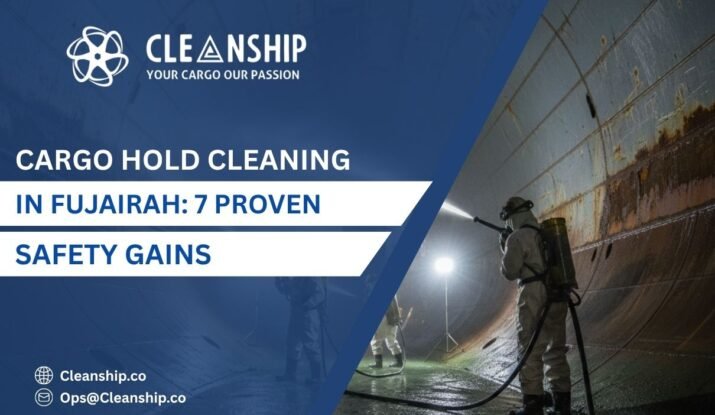
Fujairah sits at a strategic crossroads of global trade. With vessels calling from Asia, Europe, and Africa, the port handles bulk carriers, general cargo ships, and tankers around the clock. In this environment, cargo hold cleaning in Fujairah is not a cosmetic task. It is a core safety, compliance, and cost-control operation that directly affects you as a shipowner, operator, or charterer.
We often compare a cargo hold to a ship’s lungs. If residues, moisture, or contaminants remain, the vessel struggles on its next voyage. Clean holds breathe easier, pass inspections faster, and protect both crew and cargo.
Why the UAE Is a Global Hub for Marine Cleaning
The UAE has invested heavily in port infrastructure, environmental controls, and maritime governance. Fujairah, in particular, benefits from deep-water access outside the Strait of Hormuz, making it a preferred stop for cleaning and inspections.
For you, this means access to skilled labor, specialized equipment, and procedures aligned with international expectations. Ports here are not improvising; they operate under globally benchmarked systems shaped by bodies like the IMO and IAPH.
Understanding Cargo Hold Cleaning in Fujairah Operations
At its core, hold cleaning involves removing residues from previous cargoes such as coal, grain, clinker, or minerals. But effective operations go further.
They address:
- Dust and loose scale that can contaminate sensitive cargo
- Moisture that causes corrosion or cargo damage
- Odors that may trigger rejection during surveys
Cargo hold cleaning in Fujairah is often scheduled tightly between discharge and next loading, so efficiency and planning matter as much as technique.

Regulatory Framework Governing Hold Cleaning
Maritime cleaning is guided by international rules rather than local preference. The IMO sets safety and pollution prevention standards, while the MARPOL Convention regulates disposal of wash water and residues.
IMCA guidelines influence safe working practices, especially where enclosed spaces are involved. IAPH recommendations shape port-level procedures, ensuring that cleaning activities do not disrupt port safety or the marine environment.
When you follow these frameworks, inspections become predictable rather than stressful.
Safety Gain 1: Reduced Crew Exposure to Hazards
Unclean holds expose crew to dust, toxic residues, and slippery surfaces. Proper cleaning minimizes entry risks and supports enclosed space safety protocols.
You reduce:
- Respiratory hazards from fine cargo dust
- Slip and fall incidents on wet steel
- Long-term health risks from chemical residues
This is not theory. Many incident reports trace injuries back to poorly prepared holds.
Safety Gain 2: Improved Structural Integrity of Cargo Holds
Residues trap moisture against steel surfaces. Over time, this accelerates corrosion, weakening frames and plating.
Regular, well-executed cleaning allows you to spot early signs of rust or coating failure. Think of it as a routine health check for your vessel’s structure, preventing expensive steel renewals later.
Safety Gain 3: Faster and Cleaner Inspections
Surveyors and port state control officers expect clean, dry, and odor-free holds. When cleaning is done to standard, inspections focus on compliance rather than deficiencies.
This reduces:
- Delays before loading
- Risk of cargo rejection
- Costly re-cleaning under time pressure
In Fujairah, where schedules are tight, time saved is money saved.
Safety Gain 4: Compliance With Environmental Protection Rules
Under MARPOL, discharge of residues and wash water is tightly controlled. Proper cleaning includes containment, collection, and approved disposal methods.
By following compliant workflows, you protect local waters and avoid penalties. Environmental compliance is no longer optional; it is a core operational risk factor.
Safety Gain 5: Protection of Sensitive Cargoes
Grain, fertilizer, and food-grade cargoes are unforgiving. Even trace contamination can lead to rejection.
Thorough cleaning ensures holds meet charter party requirements and survey standards. For you, that means fewer disputes and stronger relationships with charterers. Read more about Hold Tank Cleaning in Abu Dhabi: 7 Powerful Safety Gains.
Safety Gain 6: Operational Cost Efficiency
Poor cleaning often leads to repeat work. You pay twice: once for initial cleaning and again for corrective action.
Well-planned cargo hold cleaning in Fujairah reduces:
- Off-hire time
- Additional labor costs
- Disputes with cargo interests
Efficiency here is quiet but powerful.
Safety Gain 7: Enhanced Crew Discipline and Safety Culture
When cleaning is done systematically, crews learn to respect procedures, permits, and checklists. This discipline carries over into other onboard operations.
Safety culture is built through routine, not slogans. Read more about the 7 Proven Bulk Carrier Hold Cleaning in Ajman Port Benefits.
Bulk Carrier and Hold Cleaning Standards in Practice
Bulk carriers face unique challenges due to abrasive cargoes and large hold volumes. Standards typically include:
- Dry sweeping and shoveling
- High-pressure fresh water washing
- Dehumidification and ventilation
Each step is selected based on next cargo requirements, not habit.
Inspection, Documentation, and Compliance Workflow
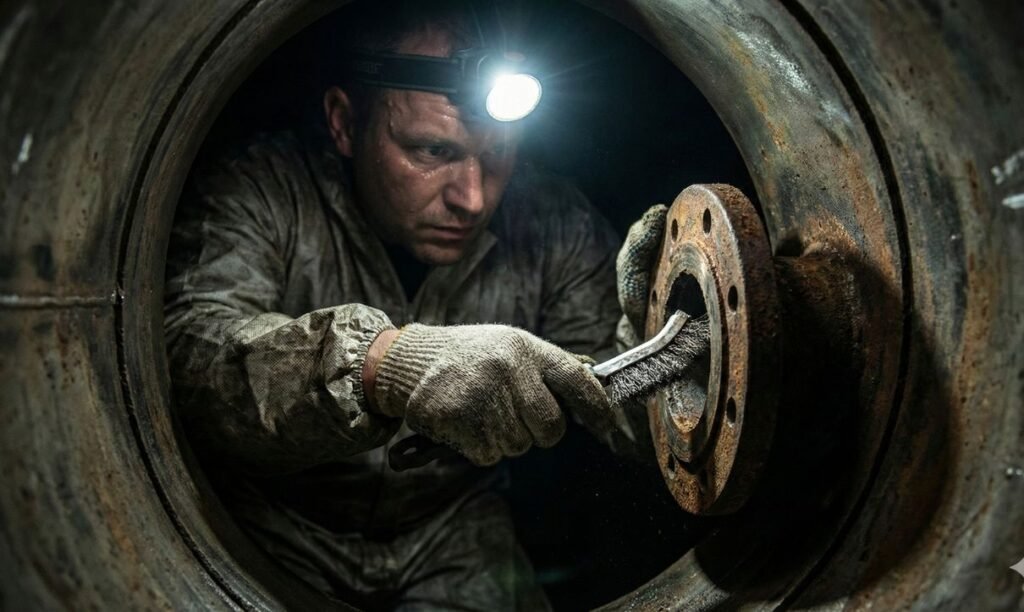
Cleaning is incomplete without records. Documentation typically includes:
- Cleaning checklists
- Waste disposal logs
- Photographic evidence for charterers and surveyors
Clear records protect you during disputes and audits.
Role of Industry Service Providers
Companies like Cleanship.co illustrate how global marine service providers operate. Their work spans tank and hold cleaning, cargo supervision, and compliance support across multiple ports.
Some also support crew safety programs such as drug and alcohol testing, reinforcing the link between clean operations and human safety. Mentioning such practices is not promotion; it reflects how modern maritime services integrate safety, compliance, and efficiency.
Future Trends in Marine and Hold Cleaning
Innovation is reshaping the sector. Automated washing systems, biodegradable cleaning agents, and digital inspection reporting are becoming more common.
In the near future, you can expect:
- Greater use of robotics in enclosed spaces
- Tighter environmental discharge controls
- More data-driven compliance reporting
Fujairah is well positioned to adopt these trends due to its infrastructure and regulatory alignment.
Conclusion
Cargo hold cleaning in Fujairah delivers more than clean steel. First, it protects crew health and reduces operational risk through safer working conditions. Second, it ensures compliance with IMO, MARPOL, IMCA, and IAPH expectations, making inspections smoother and more predictable. Third, it improves cost efficiency by preventing delays, disputes, and repeat work.
When you approach hold cleaning as a safety-critical operation rather than a routine task, the gains compound over time. For operators seeking dependable compliance and maritime service excellence, working with experienced providers such as Cleanship.co is a practical step toward safer, cleaner, and more efficient voyages.
FAQs:
Cargo hold cleaning focuses on dry and solid cargo residues, while tank cleaning deals with liquid and chemical residues. The tools, safety risks, and regulatory controls differ, especially regarding waste handling and enclosed space entry.
Holds should be cleaned after every discharge, with the method tailored to the next cargo. Charter party requirements and survey standards usually define how clean is “clean enough.”
Yes. Operations must comply with MARPOL requirements for residue handling and disposal. Ports in Fujairah enforce strict controls to prevent marine pollution.
Typical documents include cleaning checklists, disposal receipts, and photographic records. These support compliance during inspections and protect owners during cargo claims.
Absolutely. Inadequate cleaning can lead to loading delays, cargo rejection, or off-hire periods, directly impacting voyage economics and owner–charterer relations.