
Hold Tank Cleaning in Fujairah: 7 Proven Benefits
Fujairah sits at a strategic crossroads of global shipping. With direct access to the Indian Ocean and proximity to major bunkering routes, the port handles everything from bulk carriers to tankers under strict international scrutiny. In this environment, hold tank cleaning in Fujairah is not just routine maintenance; it is a compliance-driven, safety-critical maritime operation that protects cargo integrity, crew welfare, and vessel value.
We work in an industry where residue, contamination, and documentation gaps can delay voyages or trigger penalties. Proper tank and hold cleaning keeps operations predictable in a sector where surprises are expensive.
Why Fujairah Is a Critical Marine Cleaning Hub in the UAE
The UAE has positioned itself as a global maritime services center, and Fujairah plays a unique role. Unlike ports inside the Gulf, Fujairah avoids the Strait of Hormuz, making it a preferred stop for international vessels.
High vessel traffic means:
- Diverse cargo histories
- Frequent inspections
- Zero tolerance for environmental violations
This makes professional hold and tank cleaning a baseline requirement rather than an optional service.
Understanding Hold and Tank Cleaning in Practical Terms
A ship’s hold or tank is more than an empty steel box. Residues from previous cargoes can react chemically, contaminate future loads, or pose safety hazards.
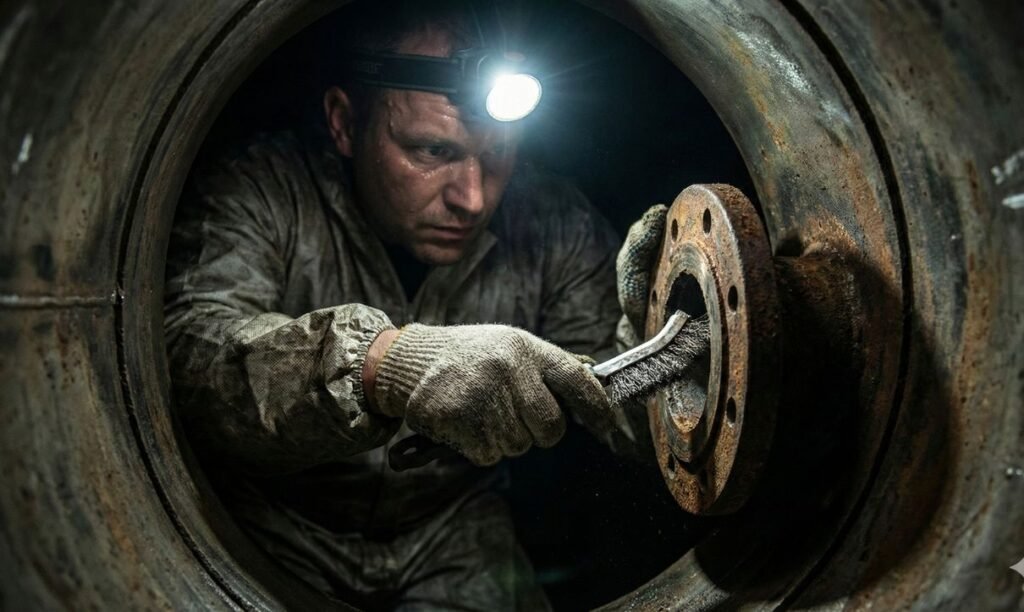
Hold tank cleaning involves:
- Removing cargo residues and scale
- Neutralizing harmful vapors
- Preparing surfaces for inspection or new cargo
In Fujairah, these tasks must align with global regulations while adapting to local port authority expectations.
Regulatory Framework Governing Marine Cleaning Operations
Compliance drives every serious cleaning operation. International bodies set the rules, while ports enforce them.
IMO and MARPOL Convention Requirements
The International Maritime Organization (IMO) and the MARPOL Convention regulate pollution prevention. Improper disposal of wash water or residues can result in severe penalties.
Cleaning plans must ensure:
- No discharge of harmful substances
- Approved waste handling
- Accurate recordkeeping
IMCA and IAPH Operational Expectations
IMCA guidelines focus on safe marine operations, while the International Association of Ports and Harbors (IAPH) influences port-level compliance. Together, they shape how cleaning is planned, executed, and verified in Fujairah.
7 Proven Benefits of Hold Tank Cleaning in Fujairah
1. Cargo Integrity and Contamination Prevention
Residue from previous cargoes can ruin the next shipment. A properly cleaned hold ensures you meet cargo specifications and avoid costly disputes with charterers or receivers.
2. Faster Port Clearance and Inspections
Clean holds pass inspections faster. Port State Control officers and surveyors can verify compliance without delays, keeping your vessel on schedule.
3. Enhanced Crew Safety and Air Quality
Gas-free and residue-free spaces reduce risks of toxic exposure. This aligns with best practices for occupational safety and drug and alcohol testing programs used to maintain crew fitness for duty.
4. Environmental Protection and Risk Reduction
Controlled cleaning prevents accidental discharge into port waters. This supports MARPOL compliance and protects Fujairah’s marine ecosystem.
5. Cost Efficiency Over the Vessel Lifecycle
Preventive cleaning reduces corrosion, steel degradation, and future repair costs. Think of it as routine healthcare for your vessel’s internal structure. Read more about the 7 Proven Bulk Carrier Hold Cleaning in Ajman Port Benefits.
6. Compliance Documentation and Audit Readiness
Well-documented cleaning operations simplify audits. Logs, checklists, and inspection reports demonstrate due diligence during regulatory reviews.
7. Improved Charterer and Port Trust
A clean vessel signals professionalism. Charterers, terminals, and port authorities are more confident working with operators who maintain high hygiene standards.
Tank and Hold Cleaning Standards in Modern Shipping
Standards vary by vessel type, but expectations are consistent.
Bulk Carrier Hold Cleaning Standards
Bulk carriers require dry, residue-free holds to prevent cargo damage. Grain, coal, and mineral shipments each demand specific preparation levels.
Tanker Cleaning Protocols
Tank cleaning involves degassing, washing, and testing for flammable or toxic vapors. Each step must be documented and verified before loading.
Inspection, Documentation, and Compliance Workflows
Cleaning is only half the job. Proof matters.
A compliant workflow typically includes:
- Pre-cleaning inspection and risk assessment
- Approved cleaning procedures
- Waste collection and disposal records
- Final inspection reports
Marine supercargo and cargo supervision professionals often verify readiness before final acceptance, following World Ports and FINAL delivery quality rules.
Industry Practice and Global Operations Context
Companies operating globally, such as Cleanship.co, reflect how modern marine service providers integrate cleaning with compliance support. Their operations demonstrate how tank and hold cleaning aligns with cargo supervision, inspection readiness, and crew safety programs without crossing into promotional territory.
Future Trends in Marine Tank and Hold Cleaning
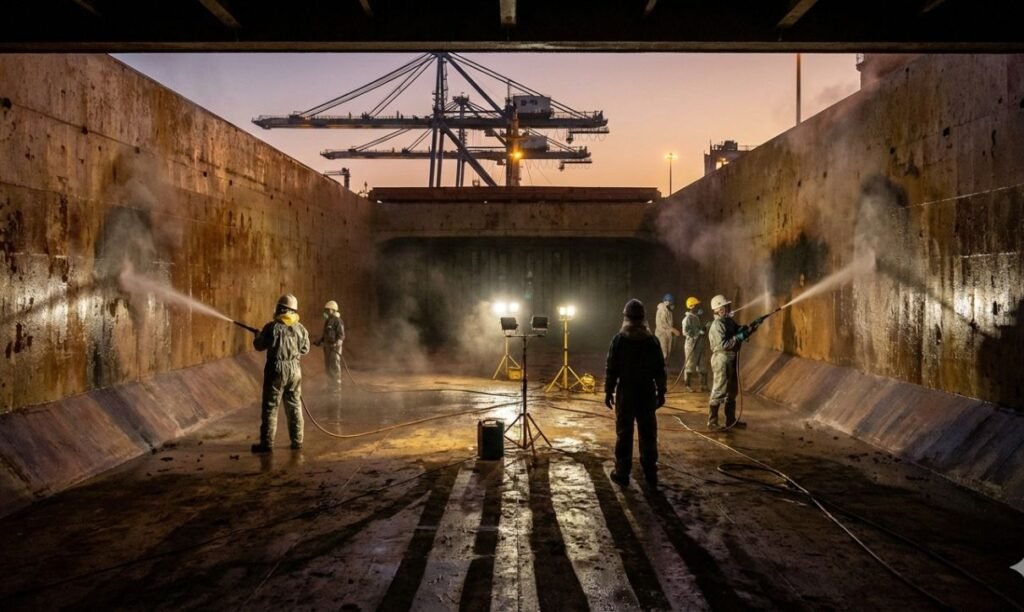
The industry is evolving beyond manual washing.
Automation and Water Efficiency
High-pressure automated systems reduce water use and cleaning time while improving consistency.
Data-Driven Compliance
Digital logs and inspection records are becoming standard, making audits faster and more transparent.
Sustainability-Focused Methods
Eco-friendly detergents and closed-loop waste systems are increasingly favored to meet tightening environmental standards.
Why Hold Tank Cleaning Matters More Than Ever
Global shipping is under constant regulatory pressure. In Fujairah, where international traffic converges, the margin for error is thin. Clean holds protect cargo, people, and reputation in one stroke.
Conclusion
Hold tank cleaning in Fujairah delivers clear operational value when done correctly. First, it protects cargo integrity and speeds up inspections in a high-traffic port environment. Second, it ensures compliance with IMO, IMCA, MARPOL, and port authority expectations through proper procedures and documentation. Third, it enhances crew safety while reducing long-term maintenance costs.
For operators seeking reliable compliance and maritime service excellence, working with experienced industry practitioners like Cleanship.co provides confidence across cleaning, inspection support, and operational readiness. In a port as critical as Fujairah, professionalism is not optional; it is the standard.
FAQs:
The primary purpose is to remove cargo residues, ensure compliance with international regulations, and prepare holds or tanks for safe loading. This prevents contamination, supports inspections, and protects the vessel and environment.
Tank cleaning ensures residues and wash water are handled correctly, preventing illegal discharge. Proper procedures and documentation demonstrate adherence to MARPOL Convention pollution prevention requirements.
Not always, but it depends on previous cargo and next cargo requirements. In Fujairah, inspections are strict, so clean, residue-free holds are often expected before loading approval.
Marine supercargo professionals or surveyors typically inspect holds and tanks. They follow World Ports standards and FINAL delivery quality rules to confirm compliance and cargo readiness.
Regular, compliant cleaning reduces corrosion and structural damage. Over time, this lowers repair costs, extends vessel lifespan, and improves resale or charter attractiveness.