
India’s long coastline, expanding port infrastructure, and alignment with international maritime standards have reshaped its role in global shipping. East coast ports now handle crude oil, chemicals, fertilizers, grain, and bulk minerals with growing efficiency. As cargo diversity increases, marine cleaning has shifted from a support task to a core safety and compliance function.
For operators, this means you cannot treat cleaning as an afterthought. It directly affects safety, environmental protection, inspection outcomes, and vessel profitability.
Why Vizag Port Is a Critical Maritime Hub
Visakhapatnam Port serves refineries, steel plants, fertilizer units, and bulk terminals. Vessels often switch between cargo types within short trading cycles. This operational reality increases the risk of residue contamination, vapor buildup, and coating damage.
In this environment, professional tank cleaning in Vizag Port is not optional. It is the baseline requirement for safe cargo changeover and regulatory acceptance.
What Marine Tank Cleaning Actually Involves
Tank cleaning is the controlled removal of cargo residues, sludge, vapors, and scale after discharge. These residues may look harmless, but they can:
- React with the next cargo
- Accelerate corrosion
- Create toxic or explosive atmospheres
Proper cleaning restores tanks to a safe, cargo-ready condition and protects both people and steel.
Global Regulations Governing Tank Cleaning Operations
Indian ports operate under global rules, not local shortcuts. Compliance protects vessels from detention, fines, and reputational damage.
IMO and MARPOL Convention Framework
The International Maritime Organization establishes safety and pollution standards. MARPOL Convention Annex I and II regulate oily residues, wash water discharge, and waste handling. Non-compliance can result in heavy penalties and port bans.
IMCA and IAPH Operational Expectations
IMCA guidelines focus on safe marine operations and risk control. IAPH promotes environmentally responsible port practices. Together, they shape how cleaning work is planned, executed, and documented.
7 Powerful Safety Benefits of Tank Cleaning at Vizag
1. Reduced Fire and Explosion Risk
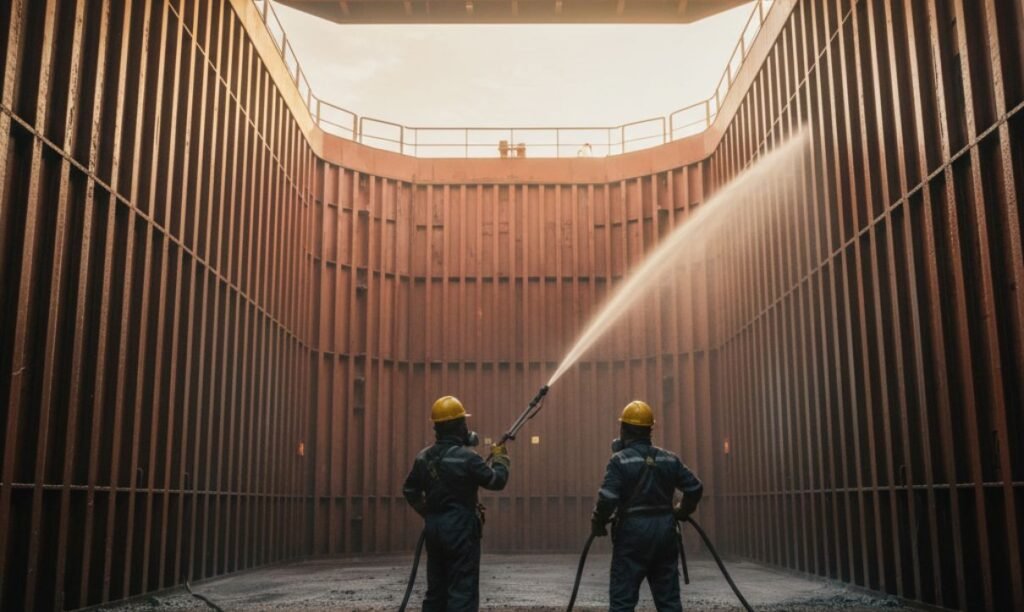
Oil vapors and chemical gases are invisible hazards. Professional cleaning removes flammable residues and allows proper ventilation. Gas-free certification confirms that confined spaces are safe for entry and cargo operations.
2. Stronger Environmental Protection
Vizag Port operates near sensitive coastal ecosystems. Controlled washing, residue recovery, and approved disposal prevent marine pollution. Environmental compliance also protects operators from fines and operational restrictions.
3. Faster Inspections and Clearances
Clean tanks pass Port State Control and charterer inspections faster. When tanks meet acceptance criteria on the first inspection, you avoid costly delays and berth congestion. Learn more about 7 Proven Vessel Hold Cleaning Services in Abu Dhabi.
4. Improved Cargo Compatibility
Residue from previous cargo can contaminate the next shipment. Proper cleaning allows safe switching between oil grades, chemicals, or edible cargoes. This flexibility improves vessel utilization and charter options.
5. Lower Long-Term Maintenance Costs
Residues trap moisture and accelerate corrosion. Removing them early protects coatings and steel structures. Over time, consistent cleaning reduces repair frequency and dry-docking expenses.
6. Better Documentation and Compliance Readiness
Inspections rely on records as much as physical condition. Structured reports, gas readings, and disposal logs demonstrate operational control and simplify audits.
7. Enhanced Commercial Reputation
Charterers prefer vessels with a history of clean, compliant tanks. Consistent standards build trust, improve fixture opportunities, and support long-term contracts.
Tank Cleaning vs Hold Cleaning in Port Operations
Tank cleaning focuses on liquid residues and vapors. Hold cleaning for bulk carriers deals with dry cargo residues, dust, and moisture. Each space demands different methods, but the same discipline.
Bulk Carrier Hold Cleaning Standards
Grain, coal, and mineral cargoes require dry, contamination-free holds. Proper cleaning ensures compliance with cargo specifications and prevents rejection at loading ports. Also, read about 7 Proven Tank Cleaning in Dubai for Safer Operations.
Typical Tank Cleaning Workflow at Vizag Port
A structured process reduces risk and delays:
- Risk assessment and confined space planning
- Ventilation and gas monitoring
- Washing and residue removal
- Sludge recovery and waste segregation
- Disposal through approved reception facilities
- Final inspection and documentation
Each step supports safety, compliance, and operational efficiency.
Real-World Maritime Scenario
A tanker arrives after carrying heavy fuel oil but is scheduled to load a lighter petroleum product. Without deep cleaning, residue contamination would make the cargo unacceptable. Professional cleaning restores cargo flexibility within days instead of weeks, protecting both schedule and revenue.
Role of Marine Supercargo Inspection
Independent marine supercargo professionals verify cleanliness before loading. World Ports Marine Supercargo Final Quality Rules guide acceptance criteria and reduce disputes between owners and charterers.
Integrated Marine Services in Practice
Industry providers such as Cleanship.co demonstrate how cleaning fits into broader maritime operations. Their work reflects common industry practices, including global tank and hold cleaning, cargo supervision, compliance support, and crew drug and alcohol testing to strengthen onboard safety culture.
Inspection and Audit Preparedness
Prepared vessels face fewer surprises. When tanks meet standards and records are complete, inspections become routine events rather than disruptive crises.
Future Trends in Marine Cleaning
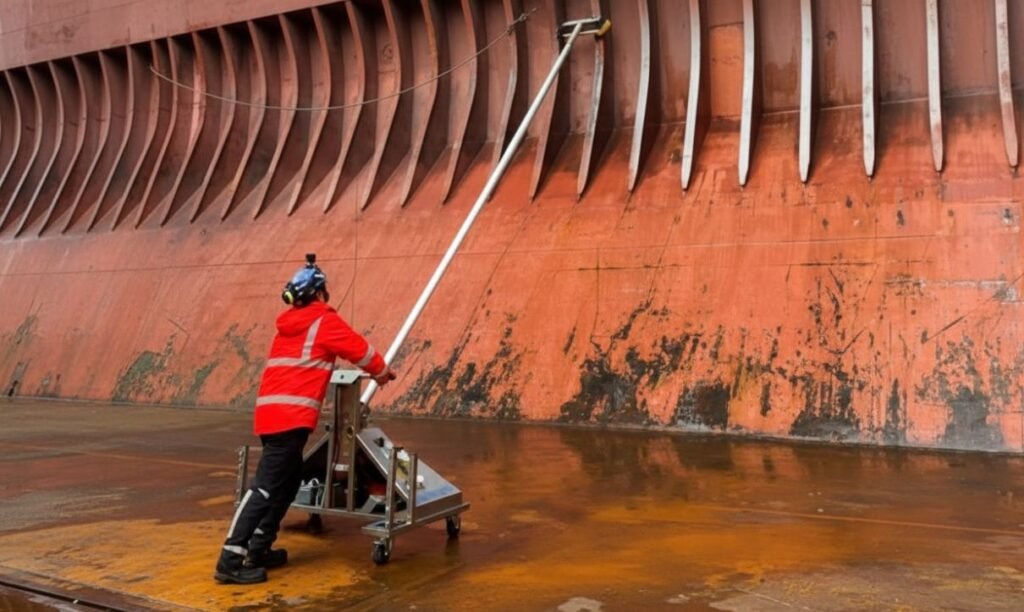
Automation, closed-loop washing systems, and digital gas monitoring are reshaping the industry. These innovations reduce human exposure, improve consistency, and support environmental goals.
Sustainability and Green Innovation
Ports increasingly encourage eco-friendly detergents and advanced waste treatment systems. These measures align with global pressure for cleaner shipping.
Training and Human Factors
Technology alone is not enough. Skilled crews, clear procedures, and regular training keep cleaning operations safe and effective.
Conclusion
Tank cleaning in Vizag Port delivers measurable safety, environmental, and commercial value. First, it reduces fire and contamination risks while protecting sensitive coastal ecosystems. Second, it speeds inspections and strengthens compliance with IMO, IMCA, MARPOL Convention, and IAPH expectations. Third, it lowers long-term maintenance costs and improves charterer confidence.
For operators focused on regulatory confidence and operational excellence, working with experienced maritime service providers matters. Cleanship.co represents established industry practice in compliant cleaning, cargo supervision, and safety-focused marine support—helping vessels operate safely, efficiently, and ready for inspection.
FAQs:
Vizag handles diverse cargoes under strict environmental oversight. Professional cleaning reduces fire risk, prevents cargo contamination, and helps vessels pass inspections without delays, penalties, or reputational damage.
Tank cleaning removes liquid residues and vapors, while hold cleaning addresses dry cargo residues and moisture. Each requires different methods but equal attention to safety and compliance.
Operations align with IMO guidelines, MARPOL Convention requirements, IMCA safety practices, and IAPH environmental standards followed by major international ports.
Typical records include cleaning reports, gas-free certificates, waste disposal receipts, and compliance logs used during port inspections and audits.
Early residue removal slows corrosion, protects coatings, and reduces repair frequency, lowering maintenance and dry-docking expenses over the vessel’s lifecycle.