
Sea Chest Cleaning in Kandla
Modern ships rely on a complex network of systems to operate safely and efficiently. While components like engines, propellers, and hull structures receive significant attention, there is another critical area that often remains out of sight—the sea chest.
Located below the waterline, sea chests act as the primary intake points for seawater used in various onboard systems. These include engine cooling, ballast operations, firefighting systems, air conditioning units, and auxiliary machinery. When sea chests become blocked by marine growth, debris, or sediment, vessel performance can quickly be affected.
This is why Sea Chest Cleaning in Kandla has become an essential underwater maintenance service for shipowners and operators calling at one of India’s busiest commercial ports. Regular cleaning helps ensure uninterrupted seawater flow, protects critical equipment, and minimizes the risk of costly operational disruptions.
For vessels trading through the Gulf of Kutch and surrounding waters, proactive sea chest maintenance is often the difference between smooth operations and unexpected technical issues.
Understanding the Function of a Sea Chest
A sea chest is essentially a recessed compartment built into a vessel’s hull. It allows seawater to enter the ship through intake openings protected by gratings and strainers.
The seawater collected through the sea chest is then distributed to several onboard systems that depend on continuous water flow.
Systems Connected to Sea Chests
- Main engine cooling systems
- Auxiliary engine cooling systems
- Ballast water systems
- Air conditioning units
- Firefighting systems
- Freshwater generators
- Heat exchangers
If seawater intake becomes restricted, the consequences can affect multiple systems simultaneously.
This makes routine Sea Chest Cleaning in Kandla an important part of preventive vessel maintenance.
Why Sea Chests Become Blocked
Sea chests operate continuously in marine environments where biological growth develops naturally.
Over time, various materials can accumulate inside the compartment and on protective gratings.
Common Causes of Sea Chest Blockages
- Barnacles
- Mussels
- Algae
- Marine slime
- Shell growth
- Floating debris
- Sediment accumulation
The warm coastal waters around many Indian ports create favorable conditions for marine growth. Vessels that remain at anchor for extended periods are often more vulnerable to fouling.
For example, a bulk carrier waiting several days for cargo operations may experience accelerated marine growth around seawater intake areas. If left unchecked, this buildup can restrict water flow and impact engine cooling efficiency.
The Growing Need for Sea Chest Cleaning in Kandla
Kandla, officially known as Deendayal Port, handles substantial traffic from bulk carriers, tankers, container vessels, and offshore support vessels.
As vessel traffic increases, demand for Sea Chest Cleaning in Kandla continues to rise.
Many shipping companies now schedule underwater inspections and cleaning services during port calls rather than waiting for dry-docking periods.
This approach offers several advantages.
The vessel remains operational, downtime is minimized, and potential issues can be identified before they develop into major mechanical problems.
In today’s shipping environment, where delays can lead to significant commercial losses, preventive maintenance has become a practical necessity rather than an optional expense.
How Sea Chest Cleaning Is Performed
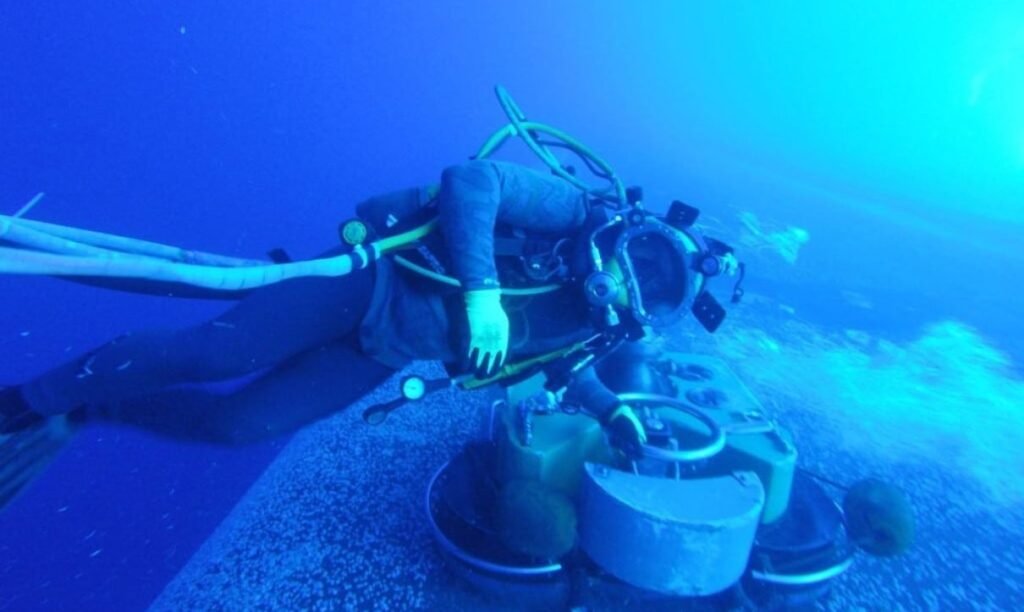
Professional underwater cleaning teams use specialized equipment and proven techniques to remove marine growth, debris, and sediment from sea chests while the vessel remains afloat. This process helps restore proper seawater flow, improve equipment efficiency, and minimize the need for costly dry-docking operations.
Initial Underwater Inspection
The process begins with a thorough inspection performed by commercial divers.
The inspection focuses on:
- Sea chest gratings
- Intake openings
- Internal surfaces
- Marine growth levels
- Structural condition
- Signs of corrosion
Divers assess the extent of fouling before determining the most effective cleaning method.
Cleaning Operations
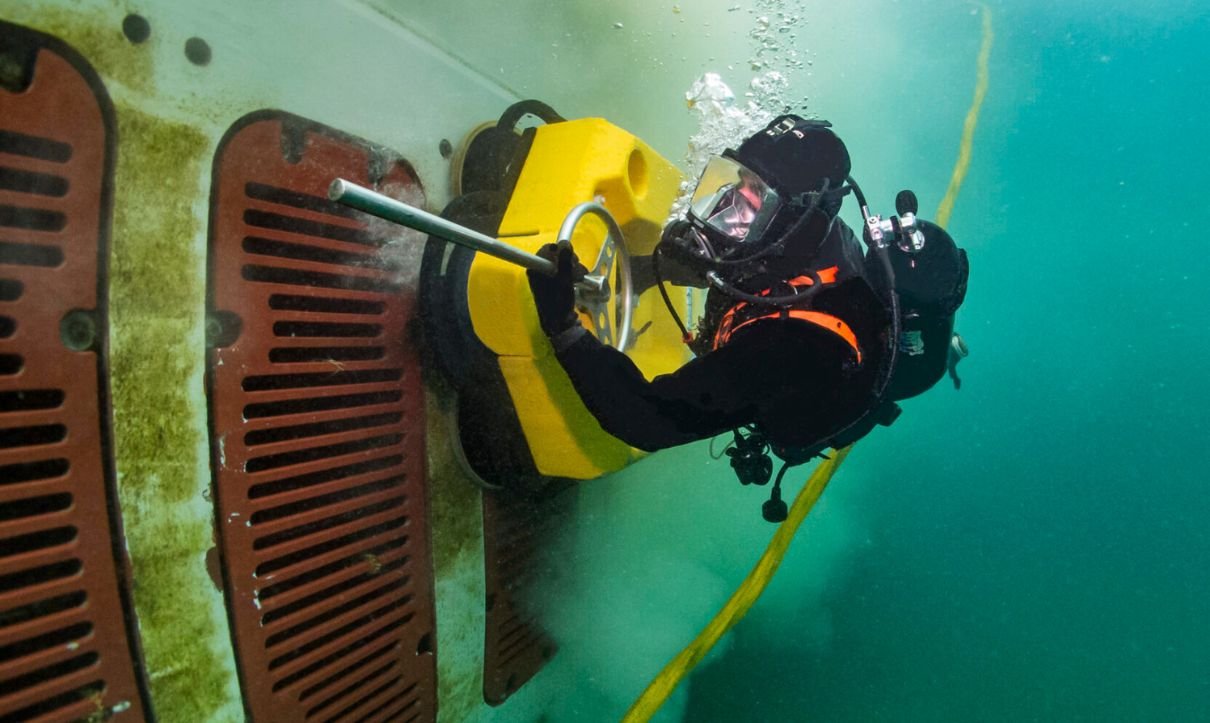
Once the inspection is completed, divers remove marine growth and accumulated debris using underwater cleaning tools.
The cleaning process may include:
- Manual scraping
- Hydraulic cleaning systems
- High-pressure underwater equipment
- Debris removal
- Strainer cleaning
Particular attention is given to restoring unrestricted water flow through intake openings.
Final Verification
After cleaning, divers perform a post-cleaning inspection to confirm that the sea chest is clear and functioning properly.
Many marine service providers supply photographic and video evidence, allowing vessel managers to verify completed work and maintain maintenance records.
Benefits of Sea Chest Cleaning in Kandla
Improved Cooling System Performance
One of the primary benefits of Sea Chest Cleaning in Kandla is maintaining efficient cooling water circulation.
Blocked sea chests can reduce water flow to engines and auxiliary systems, increasing the risk of overheating.
Regular cleaning helps ensure that cooling systems operate at their intended capacity.
Reduced Risk of Equipment Failure
Restricted seawater intake can place additional strain on pumps, heat exchangers, and cooling equipment.
Maintaining clean sea chests reduces the likelihood of unexpected failures and expensive emergency repairs.
Enhanced Operational Reliability
Vessel operators depend on consistent machinery performance throughout each voyage.
A clean sea chest supports uninterrupted operation of essential onboard systems, reducing the risk of technical delays.
Improved Fuel Efficiency
Although sea chest cleaning is primarily associated with cooling systems, it can also contribute indirectly to fuel efficiency.
When cooling systems function properly, engines operate within optimal temperature ranges, helping maintain efficient fuel consumption.
Lower Maintenance Costs
Preventive maintenance is almost always less expensive than corrective maintenance.
Regular Sea Chest Cleaning in Kandla helps shipowners avoid larger repair costs associated with cooling system failures and machinery damage.
Challenges Associated with Sea Chest Maintenance
Cleaning sea chests requires expertise, planning, and adherence to safety standards.
Restricted Working Areas
Sea chests are confined spaces that can be difficult to access during underwater operations.
Experienced divers are required to perform cleaning safely and effectively.
Environmental Conditions
The Gulf of Kutch experiences strong tidal variations, changing currents, and varying underwater visibility.
Professional marine service providers understand these conditions and schedule operations accordingly.
Port Coordination
Underwater maintenance activities often require coordination with vessel agents, port authorities, and ship management teams.
Efficient planning helps ensure that cleaning work is completed without interfering with cargo operations.
Choosing the Right Sea Chest Cleaning Provider
Not all underwater service providers offer the same level of experience and technical capability.
Shipowners should evaluate potential contractors carefully.
Important Selection Factors
Experienced Commercial Divers
Qualified divers understand vessel systems and underwater maintenance procedures.
Modern Equipment
Advanced cleaning tools improve efficiency and help achieve better cleaning results.
Safety Standards
Strong safety practices are essential when working around active vessels and busy port environments.
Inspection Documentation
Detailed reports, photographs, and video inspections provide valuable maintenance records for vessel operators.
The Future of Sea Chest Cleaning in Kandla
As shipping companies continue to focus on operational efficiency, demand for underwater maintenance services is expected to increase.
New inspection technologies, remotely operated systems, and advanced underwater cleaning equipment are improving the effectiveness of sea chest maintenance.
Many vessel operators now incorporate routine Sea Chest Cleaning in Kandla into planned maintenance schedules as part of broader asset management strategies.
The trend reflects a growing understanding that preventive maintenance delivers long-term operational and financial benefits.
Conclusion
Sea Chest Cleaning in Kandla plays a vital role in maintaining vessel safety, cooling system efficiency, and operational reliability. Although sea chests are often hidden beneath the waterline, their condition directly affects several critical onboard systems.
By investing in regular inspections and professional cleaning services, shipowners can reduce the risk of equipment failure, improve machinery performance, and avoid costly operational disruptions. In a demanding maritime environment, maintaining clean and fully functional sea chests remains a practical and cost-effective maintenance strategy.
FAQs
1. What is a sea chest on a ship?
A sea chest is a compartment built into a vessel’s hull that supplies seawater to cooling systems, ballast systems, firefighting equipment, and other onboard machinery.
2. Why is Sea Chest Cleaning in Kandla important?
It helps maintain proper seawater flow, prevents cooling system blockages, reduces equipment failures, and supports reliable vessel operations.
3. How often should sea chests be cleaned?
Cleaning frequency depends on vessel operations, trading routes, and fouling levels. Regular underwater inspections help determine when cleaning is required.
4. Can sea chest cleaning be performed while the vessel is afloat?
Yes. Professional commercial divers can inspect and clean sea chests underwater without requiring dry docking.
5. What happens if a sea chest becomes blocked?
Blocked sea chests can restrict seawater flow, reduce cooling efficiency, cause machinery overheating, and increase the risk of equipment breakdowns.