
Dighi Port has become an important destination for commercial shipping on India’s western coastline. Bulk carriers, offshore support vessels, tankers, coastal cargo ships, and general cargo vessels regularly call at the port, making efficient maintenance services more important than ever. Shipowners today are looking for inspection methods that provide accurate information while keeping vessels on schedule. This is why Underwater Video Survey in Dighi has become an essential service for modern marine operations.
An underwater video survey gives vessel owners a clear visual assessment of submerged structures without requiring immediate dry docking. Using certified commercial divers or remotely operated vehicles (ROVs) equipped with high-definition cameras, marine specialists capture detailed footage of the hull and underwater equipment. The recorded video helps technical managers evaluate vessel condition, identify maintenance requirements, and make informed decisions with confidence.
Whether a vessel is preparing for its next voyage or undergoing a routine inspection, an underwater video survey offers reliable insights that support safer and more efficient operations.
What is an Underwater Video Survey?
Underwater Video Survey in Dighi is a professional underwater inspection that uses high-definition video equipment to examine the submerged sections of a vessel while it remains afloat. The survey is performed by experienced commercial divers or ROV operators who record real-time footage of underwater structures.
The inspection usually includes the hull, propeller, rudder, sea chests, thrusters, intake grilles, sacrificial anodes, and other submerged components. Every observation is documented through high-quality video and still images, allowing technical teams to review findings long after the inspection has been completed.
The survey provides accurate visual evidence without interrupting normal vessel operations.
Why Underwater Video Surveys are Important in Dighi
Commercial vessels operating through Dighi often work on strict schedules where every hour counts. Delaying operations for unnecessary dry docking is rarely practical unless repairs are required.
Choosing Underwater Video Survey in Dighi allows shipping companies to inspect underwater structures during scheduled port calls, cargo handling, or bunkering operations. Instead of relying solely on written observations, vessel owners receive clear visual documentation that helps them determine whether immediate maintenance is necessary.
This approach saves time while improving maintenance planning.
1. Provides Accurate Visual Documentation
One of the greatest strengths of Underwater Video Survey in Dighi is the quality of visual information it provides. High-definition underwater cameras capture detailed footage of submerged structures, making it easier to identify corrosion, coating damage, marine growth, cracks, or mechanical defects.
For example, a bulk carrier arriving at Dighi for cargo operations can undergo a complete underwater survey during its port stay. The technical team receives video evidence that can be reviewed immediately or shared with shore-based engineers for further evaluation.
Visual documentation removes much of the uncertainty associated with underwater inspections.
2. Reduces the Need for Unnecessary Dry Docking
Not every underwater concern requires immediate dry docking. Many vessel owners simply need reliable information before making maintenance decisions.
Routine Underwater Video Survey in Dighi helps determine whether underwater structures remain in satisfactory condition or whether repairs should be scheduled during the next planned maintenance period.
This condition-based approach helps operators avoid unnecessary docking expenses while maintaining vessel safety.
3. Supports Faster Maintenance Decisions
Technical managers often need accurate inspection data before approving maintenance work. Detailed underwater videos provide immediate insight into the actual condition of submerged equipment.
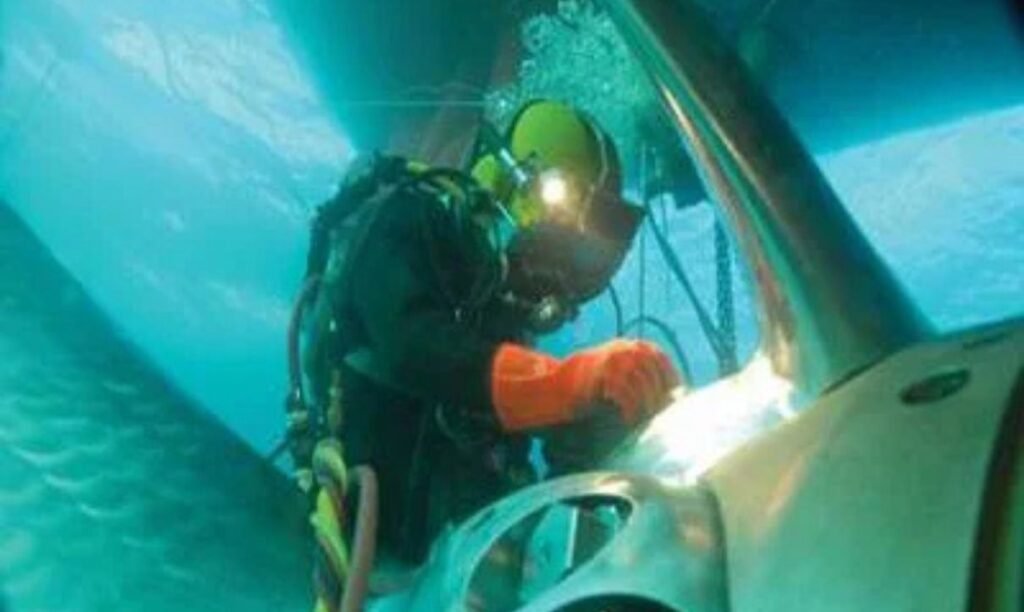
Following an Underwater Video Survey in Dighi, engineers can review footage of the hull, propeller, rudder, and sea chests without waiting for the vessel to enter dry dock.
This speeds up maintenance planning and allows repairs to be prioritized based on actual inspection findings rather than assumptions.
4. Improves Vessel Safety
Hidden underwater damage can gradually affect vessel performance if it remains undetected. Corrosion, damaged coatings, propeller defects, or marine growth may eventually contribute to operational problems.
Professional Underwater Video Survey in Dighi helps identify these issues before they become serious safety concerns. Early detection allows maintenance teams to address problems during planned maintenance rather than responding to unexpected failures.
This proactive approach improves both vessel reliability and crew safety.
5. Supports Classification and Insurance Requirements
Many classification societies, insurers, and vessel operators require accurate documentation of underwater structures during inspections and maintenance programs.
An Underwater Video Survey in Dighi provides recorded evidence that supports technical reviews, insurance claims, condition assessments, and future surveys. The recorded footage also creates a valuable maintenance history that can be referenced whenever required.
Comprehensive documentation simplifies communication between shipowners, surveyors, and technical management teams.
6. Minimizes Operational Downtime
Traditional underwater inspections often required extensive diver operations or immediate dry docking. Modern video surveys are much more flexible.
Professional Underwater Video Survey in Dighi can often be completed while the vessel remains afloat during routine cargo handling or port operations. This allows shipping companies to maintain commercial schedules without sacrificing inspection quality.
Reduced downtime contributes directly to improved operational efficiency and lower overall costs.
7. Helps Plan Preventive Maintenance
Preventive maintenance depends on accurate information. Underwater video surveys provide technical managers with clear evidence of hull condition, marine growth, coating performance, and structural integrity.
By scheduling regular Underwater Video Survey in Dighi, shipping companies can monitor changes over time, identify developing issues early, and plan maintenance activities more effectively.
For fleet operators managing multiple vessels, this data-driven approach supports better long-term asset management.
Technologies Used During Underwater Video Surveys
High-Definition Underwater Cameras
Modern underwater cameras produce exceptionally clear videos that reveal even minor coating defects, corrosion, marine growth, and structural irregularities.
These cameras perform well in varying underwater conditions and provide reliable inspection evidence for technical evaluations.
Remotely Operated Vehicles (ROVs)
Many service providers combine commercial diving with ROV technology. ROVs access confined spaces, inspect difficult underwater areas, and provide continuous live video without exposing divers to unnecessary risks.
This combination improves both inspection efficiency and safety.
Digital Reporting Systems
After completing an Underwater Video Survey in Dighi, operators receive digital reports containing recorded videos, underwater photographs, inspection summaries, and maintenance recommendations.
These reports become permanent maintenance records that help support future inspections and repair planning.
Choosing the Right Underwater Video Survey Provider in Dighi
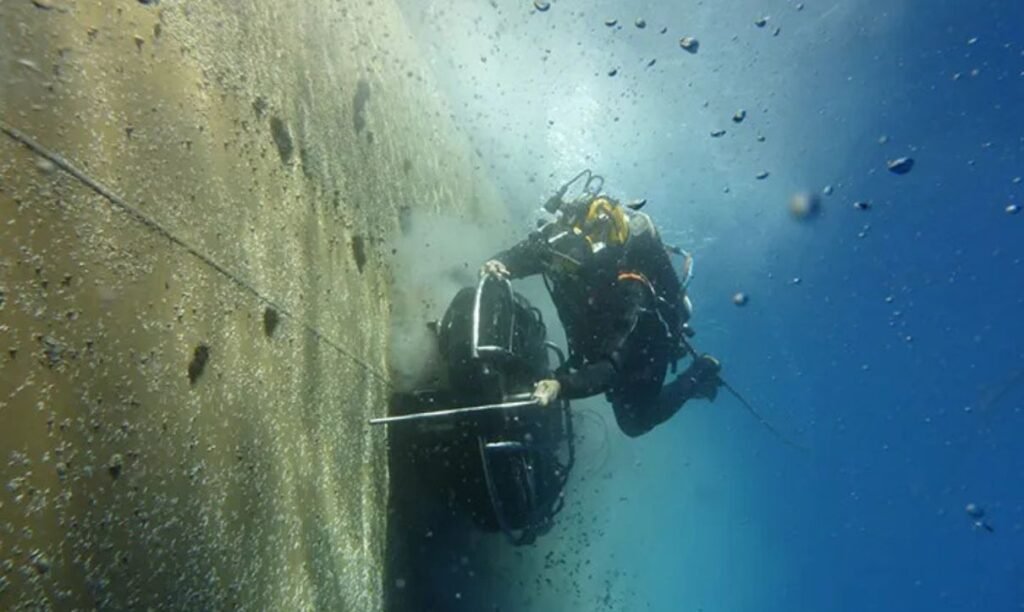
Selecting the right marine inspection company is essential for obtaining reliable results. Shipowners should choose providers with experienced commercial divers, certified ROV operators, modern imaging equipment, and comprehensive reporting capabilities.
An experienced contractor provides more than underwater footage. They interpret inspection findings, explain observed conditions, and recommend practical maintenance solutions that improve vessel reliability.
Working with professionals familiar with Dighi’s port environment also ensures inspections are completed efficiently without affecting normal commercial operations.
Conclusion
Underwater Video Survey in Dighi has become an essential inspection service for vessel owners seeking accurate underwater assessments without interrupting commercial operations. By providing detailed visual documentation, supporting preventive maintenance, improving safety, and reducing unnecessary dry docking, underwater video surveys deliver significant operational value.
As the shipping industry continues to focus on efficiency, reliability, and proactive maintenance, investing in regular underwater video surveys helps operators make better technical decisions while protecting valuable marine assets. Whether managing a single vessel or an entire fleet, routine underwater inspections contribute to safer operations and improved long-term performance.
FAQs:
Q1. What is an Underwater Video Survey in Dighi?
Underwater Video Survey in Dighi is a professional underwater inspection that uses high-definition cameras operated by commercial divers or ROVs to assess a vessel’s submerged structures while it remains afloat.
Q2. What areas are covered during an underwater video survey?
The survey typically includes the hull, propeller, rudder, sea chests, thrusters, intake grilles, sacrificial anodes, and other underwater components that require routine inspection.
Q3. Why is an underwater video survey important?
It provides accurate visual documentation, helps detect underwater damage early, supports maintenance planning, improves safety, and reduces unnecessary dry docking expenses.
Q4. Can an underwater video survey be completed without dry docking?
Yes. Professional Underwater Video Survey in Dighi is conducted while the vessel remains afloat, allowing inspections to be completed during routine port operations with minimal operational disruption.
Q5. How often should vessels undergo an underwater video survey?
The inspection frequency depends on vessel type, operating conditions, classification requirements, and maintenance schedules. Many commercial operators perform regular underwater video surveys as part of their preventive maintenance program.