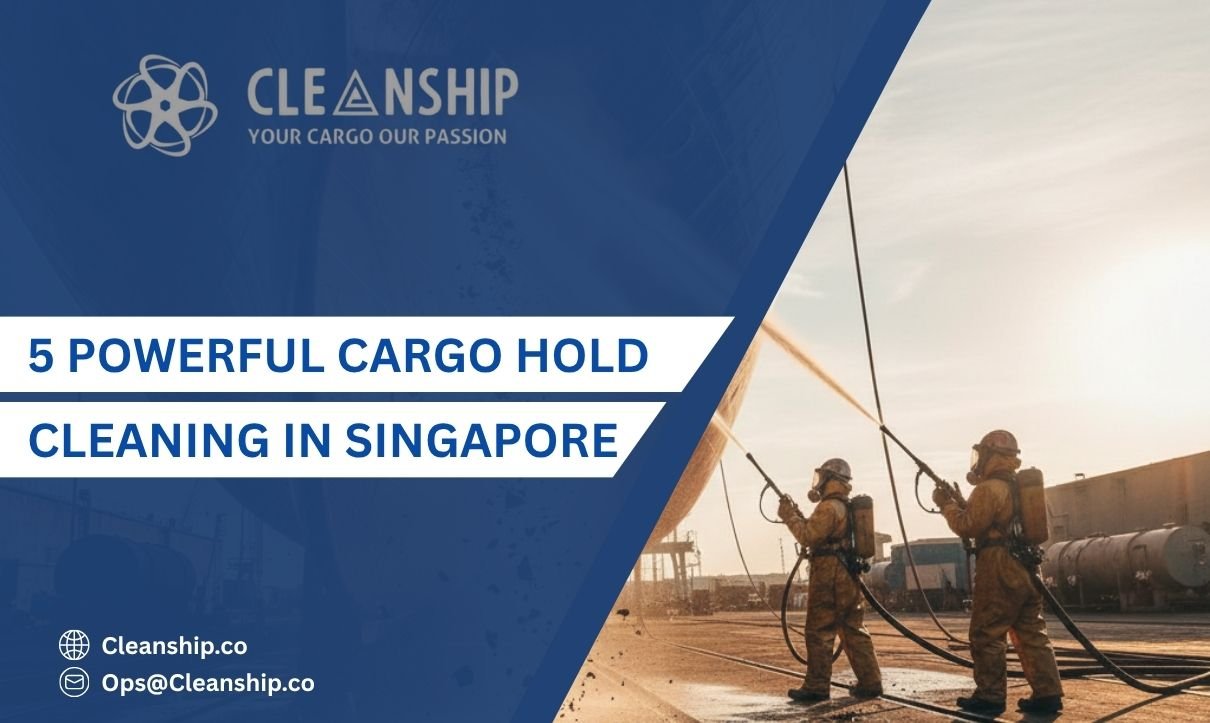
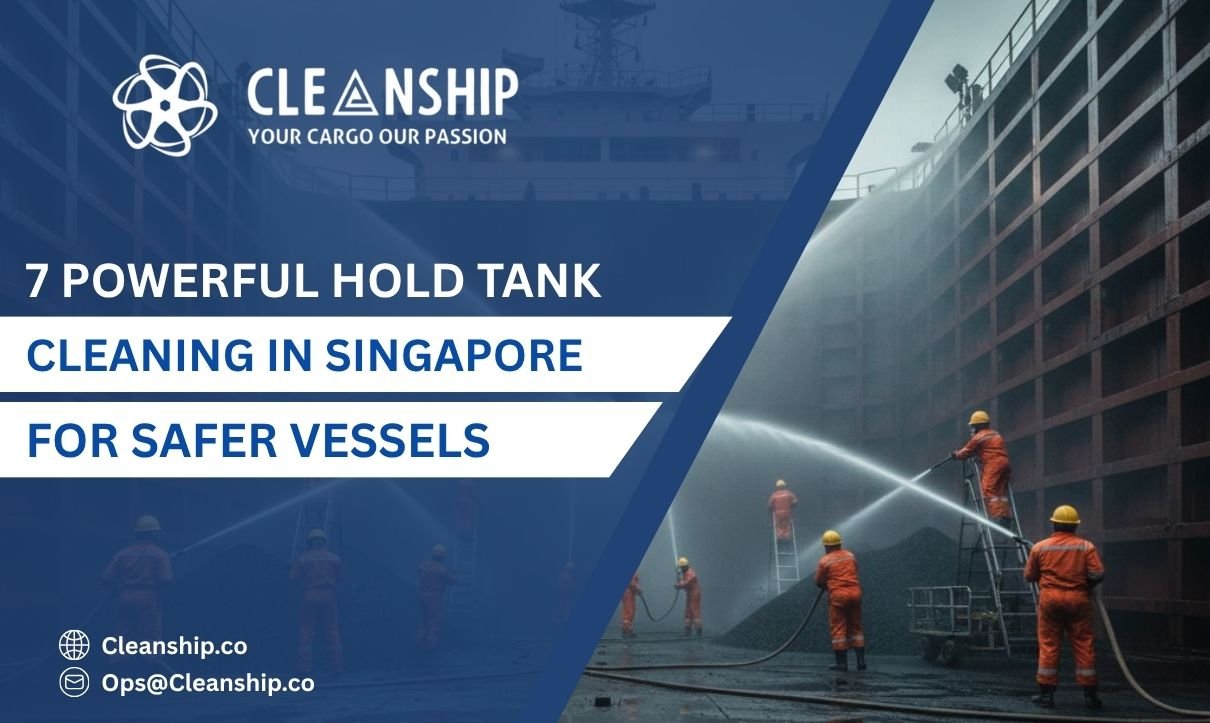
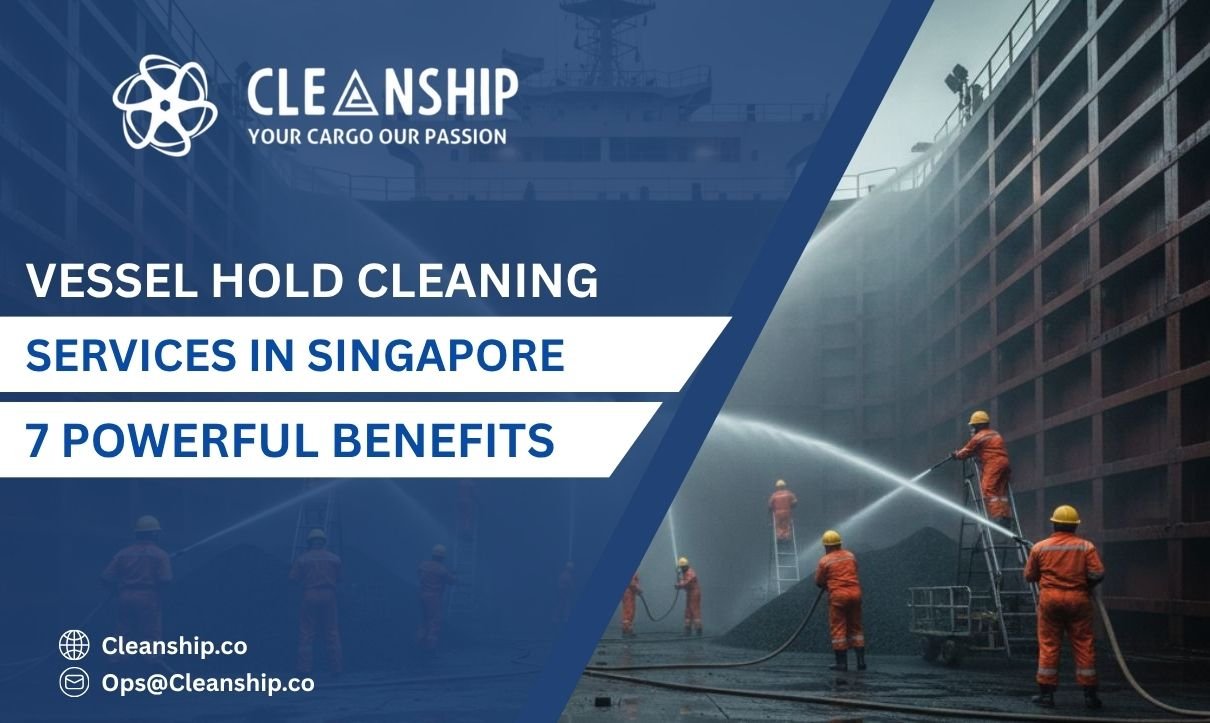
Cargo Hold Cleaning

Cargo hold cleaning in Port Rashid for safe and efficient shipping operations

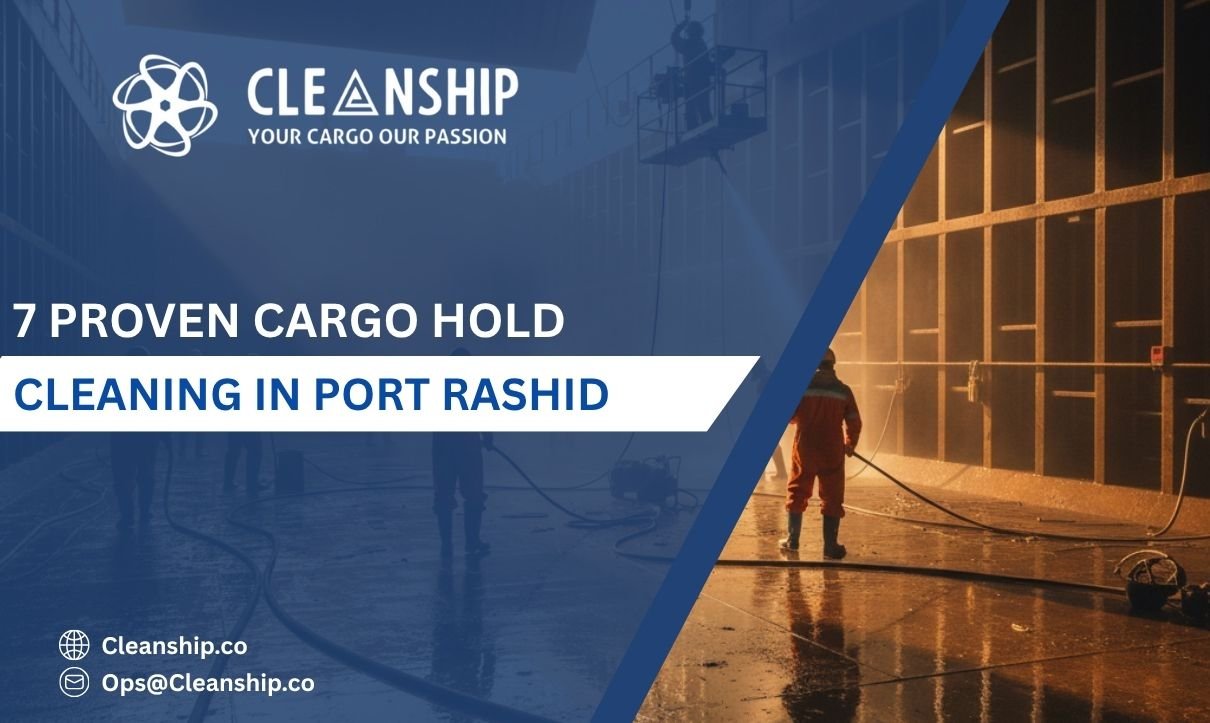
7 Proven Cargo Hold Cleaning in Port Rashid

Cargo Hold Cleaning in Port Rashid Cargo hold cleaning in Port Rashid is a critical operation that determines whether a vessel loads on time, passes inspection, and protects its next cargo. At this UAE gateway port, holds are inspected with the same seriousness as tanks, especially when vessels switch between bulk commodities. You are not just washing steel surfaces. You are preparing a controlled environment that must meet international standards, charterer expectations, and port authority rules. This article explains seven proven methods used by experienced operators in Port Rashid, grounded in regulation, safety practice, and real operational conditions. Why the UAE Leads in Marine Cleaning Standards The UAE sits at the crossroads of global bulk trade. Ports such as Port Rashid handle grain, coal, fertilizers, minerals, and project cargo under tight schedules. The region’s leadership comes from: Here, a poorly cleaned hold does not delay paperwork. It delays the ship. Understanding Cargo Hold Cleaning Operations A cargo hold is a working space that absorbs residue, moisture, and odors from previous cargoes. Cleaning prepares the hold for compatibility with the next load. A standard process includes: Each step is designed to reduce contamination risk and inspection failure. Regulatory Framework Governing Hold Cleaning IMO and MARPOL Convention Obligations The International Maritime Organization sets baseline safety and environmental rules. MARPOL governs residue disposal, wash water handling, and pollution prevention. Port Rashid enforces these rules through inspection and documentation review. IMCA Safety Guidance IMCA guidelines influence safe access, working-at-height controls, and enclosed space precautions during hold cleaning. These standards reduce accidents during high-risk cleaning stages. IAPH and World Ports Alignment The International Association of Ports and Harbors promotes uniform inspection practices. Port Rashid follows these principles to ensure consistency with other major global ports. Proven Method 1: Pre-Cleaning Cargo Risk Assessment Before cleaning begins, professionals review the previous and next cargo. This assessment covers: This step prevents re-cleaning and rejected holds. Proven Method 2: Mechanical Residue Removal Dry Cleaning and Scaling Bulk residues are removed using shovels, scrapers, and mechanical tools before any washing starts. This reduces water usage and speeds up drying. Dry work is like sweeping a floor before mopping. Skip it, and everything gets harder. Proven Method 3: Controlled Washing Techniques Freshwater and Seawater Washing Water choice depends on cargo type and coating condition. Some holds require freshwater to avoid salt contamination, while others allow controlled seawater use under MARPOL rules. Pressure Control High pressure removes residue but can damage coatings. Experienced operators balance force with preservation. Proven Method 4: Drying and Moisture Control A clean hold that is wet is still a failed hold. Drying methods include: Moisture control is essential for grain, cement, and fertilizer cargoes. Proven Method 5: Safety Management During Hold Cleaning Cargo hold cleaning involves working at heights, confined spaces, and slippery surfaces. Key safety controls include: Drug and alcohol testing services, often part of broader maritime safety programs, support safe execution during physically demanding operations. Proven Method 6: Inspection and Quality Verification Visual Inspection Standards Inspectors check for residue, rust scale, odor, and moisture. Lighting and access platforms play a major role here. Instrument and Checklist Support While visual checks dominate, moisture meters and checklists support consistent inspection outcomes aligned with charterer expectations. Proven Method 7: Documentation and Compliance Workflow Inspection reports, cleaning logs, and waste disposal records form a compliance trail. These documents are reviewed by port authorities, charterers, and marine supercargo professionals before cargo acceptance. Without documentation, even a clean hold can be rejected. Comparing Tank, Hold, and Bulk Carrier Cleaning Standards Cleaning standards vary by vessel type, but the goal is the same: cargo safety and compliance. Understanding these differences prevents procedural mistakes. Environmental Protection and Cost Efficiency Efficient hold cleaning reduces: Environmental compliance is not only ethical. It directly impacts operating expenses and charter performance. Industry Practice in Global Hold Cleaning Companies such as Cleanship.co operate across global ports, providing tank and hold cleaning, cargo supervision, and compliance support. Their work reflects how modern operations integrate cleaning with inspection readiness and safety management rather than treating it as a standalone task. This integrated model is now standard in major ports like Port Rashid. Future Trends in Cargo Hold Cleaning The sector continues to evolve with: Ports with strict oversight, including Port Rashid, tend to adopt these innovations first. Conclusion Cargo hold cleaning in Port Rashid is a structured, compliance-driven operation that directly affects vessel readiness and commercial success. Three points stand out. First, regulatory alignment with IMO, IMCA, MARPOL Convention, and IAPH standards is essential. Second, effective cleaning combines residue removal, moisture control, and safety management. Third, inspection and documentation workflows are as important as physical cleaning itself. For operators seeking consistency, regulatory confidence, and operational clarity, working with experienced maritime service providers such as Cleanship.co supports compliant hold preparation while reinforcing broader maritime service excellence. FAQs:
Read more
Hold tank cleaning in Khor Fakkan Port for safe and efficient operations

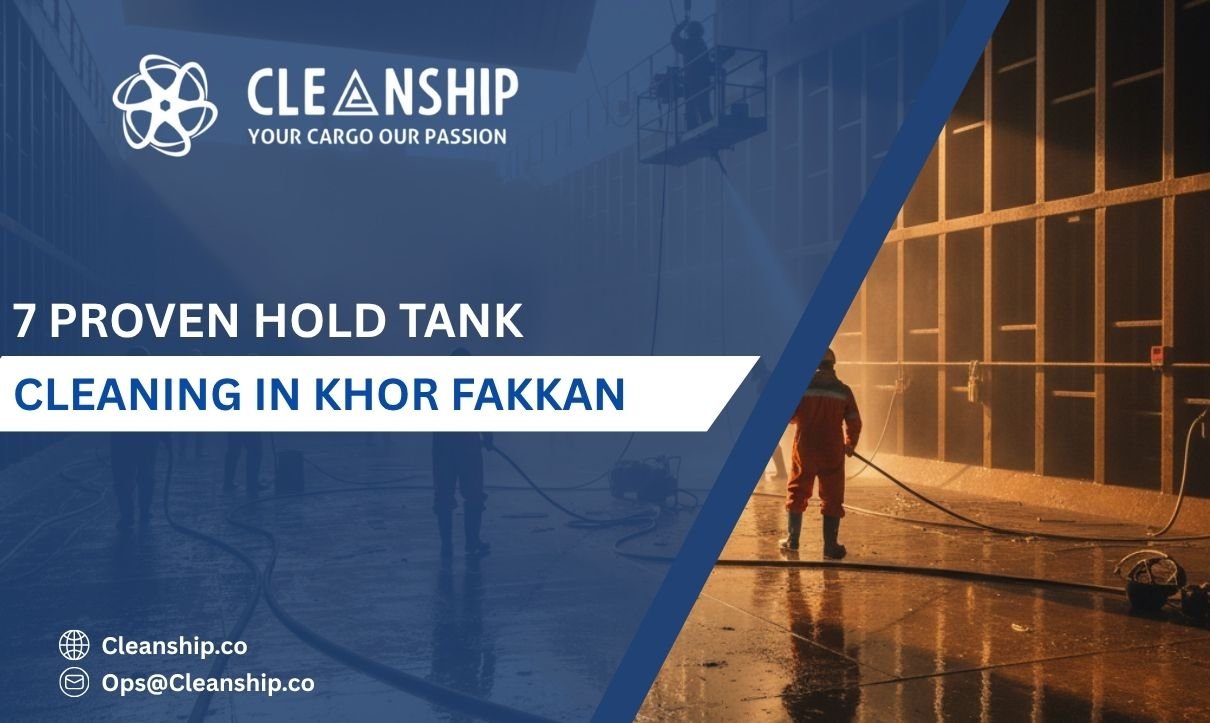
7 Proven Hold Tank Cleaning in Khor Fakkan

Proven Practices of Hold Tank Cleaning in Khor Fakkan Khor Fakkan has quietly become one of the UAE’s most dependable maritime gateways. With bulk carriers, general cargo vessels, and tankers calling regularly, hold tank cleaning in Khor Fakkan is no longer a routine task—it is a compliance-driven, safety-critical operation. When done right, it protects cargo quality, crew health, port ecosystems, and your commercial reputation. When done poorly, it creates delays, claims, and regulatory trouble. This article walks you through seven proven practices that experienced operators rely on for hold tank cleaning, explained clearly and grounded in real maritime operations. Why the UAE Leads in Marine Cleaning Standards The UAE’s ports sit at the crossroads of global trade. Khor Fakkan, in particular, handles diverse cargoes—from minerals to agri-bulk—under strict international oversight. The country aligns port operations with global conventions, making hold tank cleaning a disciplined process rather than an afterthought. Strong port governance, modern infrastructure, and consistent inspections create an environment where compliance is expected, not negotiated. Understanding Hold Tanks and Cargo Holds A hold tank or cargo hold is the vessel’s cargo heart. Residues from previous cargoes can contaminate the next shipment if not removed correctly. That is why hold tank cleaning focuses on removing physical residues, invisible vapors, and chemical traces—not just visible dirt. Think of it like preparing a laboratory flask. A quick rinse is never enough when precision matters. Regulatory Framework Governing Cleaning Operations IMO and MARPOL Compliance The International Maritime Organization (IMO) and the MARPOL Convention define how residues, wash water, and waste must be handled. For hold tank cleaning, this means: Non-compliance risks detention, fines, and reputational damage. IMCA and IAPH Guidelines IMCA safety guidance and IAPH port standards shape operational discipline. They ensure cleaning teams, supervisors, and port authorities speak the same compliance language during hold tank cleaning. Proven Practice 1: Pre-Cleaning Risk Assessment Every effective cleaning starts before water touches steel. A documented risk assessment identifies: In hold tank cleaning, this step prevents rushed decisions and aligns the crew, cleaners, and surveyors from the start. Proven Practice 2: Cargo-Specific Cleaning Methods Not all residues behave the same. Coal dust, fertilizers, or oily cargoes require different techniques. Successful hold tank cleaning matches the method to the cargo history. Read more about Bulk Carrier Hold Cleaning in Khor Fakkan: 6 Powerful Gains. Common methods include: Using the wrong method is like using seawater to clean a wine glass—technically possible, commercially disastrous. Proven Practice 3: Ventilation and Gas-Freeing Before entry, holds must be safe. Gas-freeing removes harmful vapors and ensures oxygen levels are acceptable. During hold tank cleaning, gas measurements are logged and verified, often witnessed by independent surveyors. This step protects lives first, schedules second. Read more about Tank Cleaning in Khor Fakkan: 7 Powerful Safety Wins. Proven Practice 4: Environmental Control and Waste Handling Environmental protection is non-negotiable. Residues and wash water must be collected, segregated, and disposed of through approved channels. For hold tank cleaning, this aligns directly with MARPOL and port environmental policies. Cost efficiency comes from doing it right once—avoiding penalties, re-cleaning, and cargo claims. Proven Practice 5: Inspection and Quality Verification Cleaning is only complete when verified. Visual inspections, wall wash tests, and dryness checks confirm readiness. In hold tank cleaning, inspections often follow World Ports and Marine Supercargo final quality rules. Documentation here is your legal shield if disputes arise later. Proven Practice 6: Documentation and Compliance Workflow Professional operations treat paperwork as part of the job, not an afterthought. A proper hold tank cleaning file typically includes: These records demonstrate due diligence to charterers, insurers, and port state control. Proven Practice 7: Skilled Personnel and Independent Oversight Experience matters. Trained cleaning crews, safety officers, and independent supercargo surveyors raise the standard of hold tank cleaning. Independent oversight reduces disputes and builds trust between owners and charterers. Companies like Cleanship.co are often referenced in the industry for operating within such global frameworks, providing tank and hold cleaning services, cargo supervision, compliance support, and even drug and alcohol testing to strengthen crew safety culture—without crossing into promotion. Safety, Cost Efficiency, and Operational Continuity Effective hold tank cleaning balances three forces: Cutting corners usually saves hours, not money. Delays caused by failed inspections or port state intervention are far more expensive. Bulk Carrier and Hold Cleaning Standards Bulk carriers demand special attention because residues can hide in frames and bilges. Industry standards emphasize thorough flushing, manual scraping where required, and dryness checks before loading. These standards guide every professional hold tank cleaning operation. Future Trends in Marine Cleaning Innovation is reshaping the field. Automated washing machines, eco-friendly cleaning agents, and digital inspection records are becoming common. Future-focused hold tank cleaning will rely more on data, less on guesswork. Think of it as moving from handwritten logbooks to flight data recorders—same responsibility, better insight. Industry Context and Global Alignment Global operators expect consistency across ports. Khor Fakkan meets this expectation by aligning with IMO, IMCA, MARPOL, IAPH, and World Ports standards. That consistency makes hold tank cleaning predictable, auditable, and trusted by international charterers. Conclusion Effective hold tank cleaning in Khor Fakkan is built on discipline, not shortcuts. Three takeaways matter most. First, regulatory compliance is the foundation of every operation. Second, safety and environmental control protect both people and profits. Third, inspection and documentation turn good cleaning into defensible cleaning. When you work with service providers who operate within global frameworks—such as Cleanship.co—you gain more than a clean hold. You gain confidence in compliance, operational continuity, and maritime service excellence. FAQs:
Read more
Tank cleaning in Sharjah Port for fast and safe marine operations

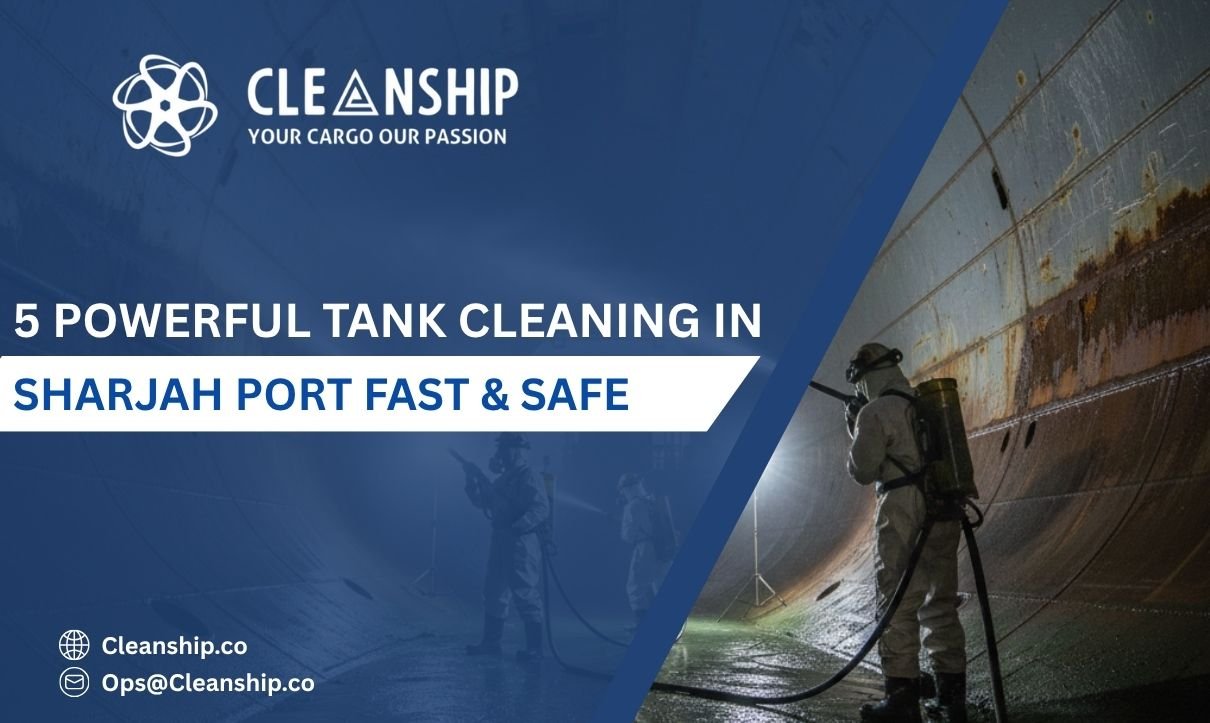
5 Powerful Tank Cleaning in Sharjah Port Fast & Safe

5 Powerful Tank Cleaning in Sharjah Port: Fast & Safe Sharjah Port sits at a strategic crossroads of global trade, where tankers, bulk carriers, and specialized vessels move cargo that fuels industries worldwide. In this environment, tank cleaning is not a routine chore. It is a regulated, safety-critical operation that protects crews, cargo quality, ports, and the marine ecosystem. When done correctly, it saves time, avoids penalties, and keeps vessels commercially ready. This article explains how professional tank cleaning works in Sharjah Port, why the UAE leads marine cleaning standards, and what “fast and safe” truly means in real operations. Why the UAE Leads in Marine Cleaning Excellence The UAE has invested heavily in ports, regulation, and maritime expertise. Sharjah Port benefits from this ecosystem. You operate in a region where: Marine cleaning standards here are shaped by global trade demands, not shortcuts. That discipline is why the UAE is often used as a benchmark for regional port services. Understanding Tank Cleaning in a Port Environment Tank cleaning is the controlled removal of cargo residues, sludge, vapors, and contaminants from cargo tanks. The goal is not just visual cleanliness but chemical, safety, and compliance readiness. In Sharjah Port, cleaning decisions depend on: A clean tank is like a reset button. It allows the vessel to safely accept the next cargo without risk of contamination or rejection. Power 1: Pre-Cleaning Risk Assessment and Planning Professional operations start before any water or chemical enters a tank. You assess: This planning phase prevents accidents and avoids re-cleaning. It is similar to preparing an operating room before surgery. The success depends on preparation, not speed alone. Power 2: Advanced Cleaning Methods for Speed and Safety Modern tank cleaning uses controlled technology rather than brute force. Common methods include: Using the correct method reduces time inside tanks, lowering crew exposure and speeding port turnaround. Fast cleaning is not rushed cleaning; it is optimized cleaning. Power 3: Safety Protocols That Protect Crew and Vessel Tank cleaning is a high-risk activity due to confined spaces, toxic vapors, and slip hazards. Safety measures include: These practices align with IMO and IMCA safety frameworks. When safety is respected, operations move smoothly without stoppages or incidents. Environmental Protection Under MARPOL Standards Sharjah Port strictly enforces environmental controls. Under the MARPOL Convention: You protect the marine environment while avoiding costly fines and reputational damage. Clean tanks should never mean dirty seas. Tank, Hold, and Bulk Carrier Cleaning Standards While this article focuses on tanks, ports manage multiple vessel types. Each requires different standards: Understanding these differences prevents inspection failures and cargo claims. Also, read about Fix cargo issues at Takoradi Port by addressing five critical operational risks early. Inspection and Acceptance Readiness Cleaning is incomplete until inspection readiness is confirmed. This includes: Inspectors do not guess. They verify. A vessel prepared for inspection avoids delays that cost thousands per day. Documentation and Compliance Workflow Paperwork is as important as physical cleaning. Standard documentation includes: These documents form your compliance trail. During audits or port state control, clear records speak louder than explanations. The Role of Marine Supercargo and Quality Rules Independent marine supercargo professionals often verify cleaning quality against FINAL delivery and cargo acceptance rules. Their role ensures: This extra layer of oversight is common in high-value or sensitive cargo operations. Real-World Example from Sharjah Operations Consider a chemical tanker switching from a heavy oil cargo to a clean petroleum product. Without proper cleaning, even trace residues can contaminate the next cargo. A structured cleaning plan, verified inspection, and documented compliance allow the vessel to load on schedule without claims. This is how professional cleaning protects commercial outcomes. Industry Practice and Global Operations Companies such as Cleanship.co reflect how global operators approach marine services. Their work spans tank and hold cleaning, cargo supervision, compliance support, and crew safety programs including drug and alcohol testing. These integrated services show how modern maritime operations treat cleaning as part of a larger safety and compliance system, not a standalone task. Future Trends in Marine Cleaning Innovation The industry continues to evolve. Emerging trends include: These innovations aim to cut risk, reduce environmental impact, and improve turnaround reliability. Why “Fast & Safe” Is a Professional Balance Speed without safety creates accidents. Safety without efficiency creates delays. The best operations balance both. In Sharjah Port, that balance is achieved through planning, technology, training, and compliance discipline. Conclusion Professional tank cleaning in Sharjah is not about washing tanks. It is about preparing vessels for safe, compliant, and profitable operations. Three key takeaways matter most. First, planning and risk assessment define success before cleaning begins. Second, safety and environmental compliance protect crews, ports, and reputations. Third, documentation and inspection readiness prevent costly delays. For operators seeking dependable maritime service excellence, Cleanship.co represents industry-aligned practices that support compliance, safety, and operational confidence across global ports. FAQs:
Read more
Hold cleaning in Sharjah Port for fast, safe, and efficient cargo operations

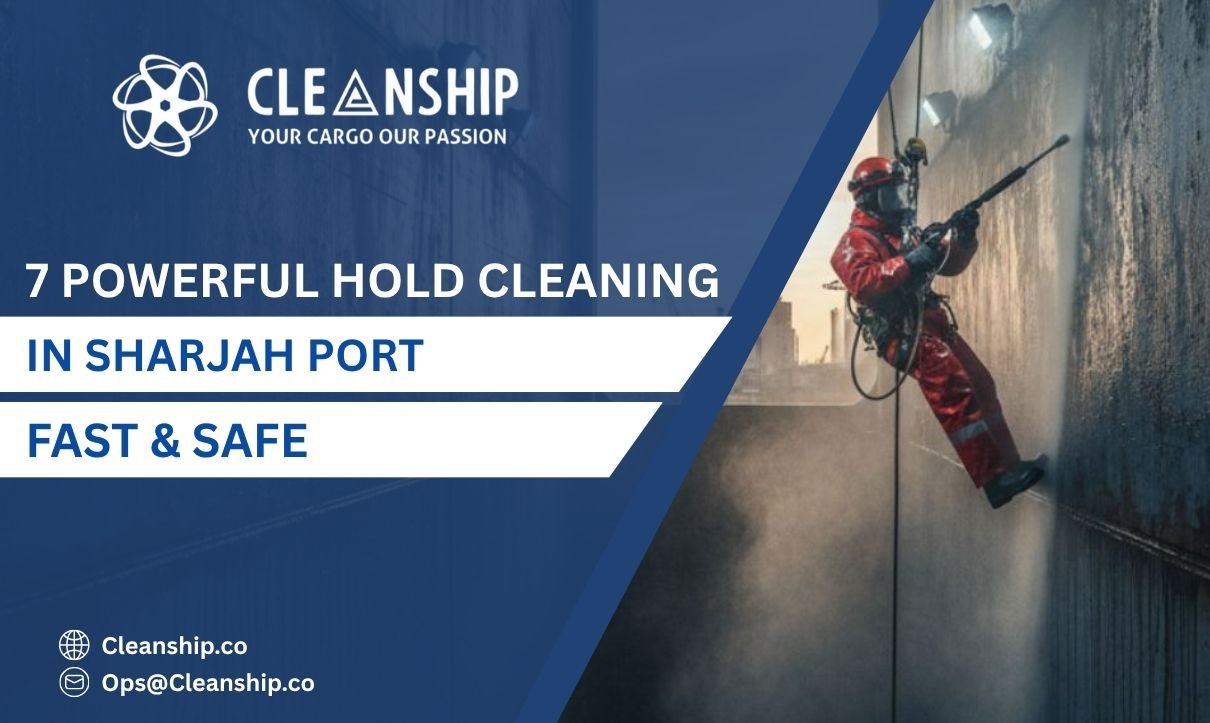
7 Powerful Hold Cleaning in Sharjah Port Fast & Safe

7 Powerful Hold Cleaning in Sharjah Port: Fast & Safe Sharjah Port is a working port, not a showcase. Bulk carriers arrive with tight schedules, mixed cargo histories, and strict inspection requirements. In this environment, hold cleaning is not cosmetic work. It is an operational safeguard that protects cargo quality, vessel safety, and commercial credibility. When done correctly, it keeps vessels moving. When done poorly, it causes delays, claims, and reputational damage. This article explains how professional hold cleaning works in Sharjah Port, why the UAE sets high benchmarks in marine cleaning, and how “fast and safe” is achieved without compromising compliance. Why the UAE Sets the Standard in Marine Cleaning The UAE’s ports operate under intense international scrutiny. Sharjah Port aligns its practices with global maritime frameworks, making cleaning operations predictable and auditable. You benefit from: This consistency is why charterers often trust UAE ports for sensitive cargo transitions. What Hold Cleaning Really Means in Practice Hold cleaning is the systematic removal of cargo residues, dust, moisture, and contaminants from cargo holds. The objective is not just visible cleanliness, but readiness for the next cargo. A clean hold must be: Think of a cargo hold as a warehouse that moves across oceans. Every new tenant expects a neutral, uncontaminated space. Power 1: Cargo-Specific Cleaning Strategy No two cargoes behave the same way. Fertilizers, coal, grains, and minerals leave different residues. Professional teams evaluate: This targeted approach avoids unnecessary work while meeting charter party cleanliness clauses. Power 2: Mechanical and Manual Cleaning Balance Effective hold cleaning uses both machines and human judgment. Common methods include: Machines handle scale. Skilled hands handle detail. The balance determines inspection success. Power 3: Safety Controls in Confined Spaces Cargo holds are confined spaces with real risks. Safety measures include: These practices align with IMO and IMCA safety guidance. Safe crews work efficiently. Unsafe conditions stop operations. Environmental Protection Under MARPOL Cleaning generates wash water and residues that must be handled responsibly. Under the MARPOL Convention: Environmental discipline protects ports and operators from fines and blacklisting. Power 4: Dryness and Moisture Control Many cargo claims begin with moisture, not dirt. Professionals focus on: A clean but damp hold is still a rejected hold. Power 5: Inspection-Oriented Cleaning Cleaning is planned backward from inspection standards. Inspectors check: When cleaning is inspection-driven, vessels pass faster and avoid rework. Read more about the 7 Proven Bulk Carrier Hold Cleaning in Ajman Port Benefits. Tank, Hold, and Bulk Carrier Cleaning Standards Different vessel areas follow different rules. Key differences include: Understanding these distinctions prevents misaligned expectations. Power 6: Documentation and Compliance Workflow Physical cleaning without paperwork is incomplete. Standard records include: During port state control or charterer audits, documentation proves compliance beyond visual inspection. The Role of Marine Supercargo Oversight Marine supercargo professionals often verify hold condition against Final Quality Rules and FINAL delivery standards. Their presence: This layer of verification is common in high-value bulk trades. Power 7: Operational Speed Without Compromise Fast cleaning is achieved through planning, not shortcuts. Efficiency comes from: Speed achieved this way is sustainable and defensible. Read more about Hold Tank Cleaning in Abu Dhabi: 7 Powerful Safety Gains. Industry Practice and Global Perspective Organizations such as Cleanship.co illustrate how global operators approach marine services. Their scope includes tank and hold cleaning, cargo supervision, compliance support, and crew safety programs like drug and alcohol testing. This integrated approach reflects how modern maritime operations treat cleaning as part of a broader safety and quality system. Real-World Sharjah Port Scenario A bulk carrier discharging coal prepares for grain loading. Coal dust is abrasive, oily, and persistent. Without thorough cleaning and drying, grain contamination is inevitable. A structured cleaning plan, verified dryness, and documented inspection allow the vessel to load grain without delay or claim. This is the commercial value of professional hold cleaning. Future Trends in Marine Cleaning The industry continues to evolve toward safer and cleaner practices. Emerging trends include: These innovations improve safety, reduce environmental impact, and enhance transparency. Why “Fast & Safe” Is a Professional Equation Speed without safety causes incidents. Safety without efficiency causes delay. In Sharjah Port, professional operations balance both through planning, training, and compliance discipline. That balance is what charterers ultimately pay for. Conclusion Hold cleaning in Sharjah Port is not a background task. It is a core operational function that protects cargo integrity, crew safety, and commercial timelines. Three points stand out. First, cargo-specific planning defines cleaning success. Second, safety and environmental compliance prevent incidents and penalties. Third, inspection readiness and documentation avoid costly delays. For operators seeking reliable compliance and maritime service excellence, Cleanship.co reflects industry-aligned practices that support safe, efficient, and globally accepted cleaning operations. FAQs:
Read more
Oil tanker tank cleaning in Sharjah Port for safe and efficient operations

6 Powerful Bulk Carrier Hold Cleaning in Sharjah Port

Bulk Carrier Hold Cleaning in Sharjah Port Sharjah Port handles a steady flow of bulk carriers carrying coal, grains, minerals, fertilizers, and other cargoes that leave very different footprints behind. In this setting, hold cleaning is not a finishing touch. It is a technical operation that protects cargo quality, vessel safety, and commercial schedules. For bulk carriers especially, one poorly cleaned frame or damp surface can delay loading or trigger claims. This article explains how professional bulk carrier hold cleaning works in Sharjah Port, why the UAE is a regional benchmark for marine cleaning, and how fast, safe operations are achieved without compromising compliance. Why the UAE Is a Benchmark for Marine Cleaning The UAE’s ports operate at the intersection of global trade routes. Sharjah Port reflects this reality with strong alignment to international maritime expectations. You work in an environment where: This consistency is why charterers and operators trust UAE ports for complex bulk cargo transitions. Understanding Bulk Carrier Hold Cleaning Bulk carrier hold cleaning focuses on removing physical residues, dust, stains, and moisture left by previous cargoes. The goal is acceptance by surveyors and charterers, not just visual improvement. A properly cleaned hold must be: Think of the cargo hold as a shared workspace between cargoes. Every new cargo expects a neutral starting point. Power 1: Cargo History–Driven Cleaning Strategy Bulk carriers often switch between incompatible cargoes. Coal to grain is not the same as bauxite to fertilizer. Professional teams assess: This planning avoids over-cleaning while ensuring acceptance standards are met. Power 2: Mechanical Cleaning for Scale Large holds demand mechanical efficiency. Common techniques include: Machines handle volume quickly, reducing manual exposure and overall cleaning time. Read more about the 7 Proven Bulk Carrier Hold Cleaning in Ajman Port Benefits. Power 3: Manual Detailing Where It Matters Machines cannot reach every corner. Manual cleaning focuses on: This detail work often determines whether a hold passes inspection on the first attempt. Safety Management in Confined Cargo Holds Cargo holds are confined spaces with fall risks, dust inhalation hazards, and limited ventilation. Safety controls typically include: These measures align with IMO and IMCA guidance and keep operations running without incidents. Environmental Protection Under MARPOL Cleaning bulk carrier holds generates residues and wash water that must be managed responsibly. Under the MARPOL Convention: Environmental compliance protects both the port and the vessel from penalties. Power 4: Moisture and Dryness Control Many bulk cargoes fail acceptance due to moisture, not dirt. Professionals focus on: A clean but damp hold is still a commercial risk. Standards Across Tank, Hold, and Bulk Carrier Cleaning Different vessel areas require different approaches. Key distinctions include: Understanding these differences prevents costly misunderstandings. Read more about Hold Tank Cleaning in Abu Dhabi: 7 Powerful Safety Gains. Power 5: Inspection-Ready Cleaning Approach Cleaning is planned with inspection criteria in mind. Surveyors typically check: When cleaning aligns with inspection logic, acceptance is faster and more predictable. Documentation and Compliance Workflow Cleaning work is incomplete without proper records. Standard documentation includes: During audits or port state control, documentation provides proof that procedures followed international standards. The Role of Marine Supercargo Oversight Marine supercargo professionals often verify hold condition against Final Quality Rules and FINAL delivery standards. Their involvement: This is common practice in high-value or sensitive bulk trades. Power 6: Speed Through Planning, Not Shortcuts Fast cleaning does not mean rushed cleaning. Efficiency comes from: This approach delivers speed that stands up to scrutiny. Industry Practice in a Global Context Companies such as Cleanship.co reflect how global operators structure marine services. Their work spans tank and hold cleaning, cargo supervision, compliance support, and crew safety programs including drug and alcohol testing. This integrated model shows how cleaning fits into a broader framework of safety, quality, and compliance. A Sharjah Port Bulk Carrier Scenario A vessel discharges iron ore and prepares to load fertilizer. Iron residue is abrasive and chemically incompatible. Through structured mechanical cleaning, manual detailing, thorough drying, and documented inspection readiness, the vessel loads on schedule without rejection. This is how professional hold cleaning protects commercial timelines. Future Trends in Bulk Carrier Cleaning Marine cleaning continues to evolve. Emerging developments include: These innovations improve safety, transparency, and environmental performance. Why “Fast & Safe” Is a Professional Balance Speed without safety leads to incidents. Safety without efficiency leads to delay. In Sharjah Port, experienced operators balance both through planning, training, and compliance discipline. That balance is what keeps bulk carriers commercially viable. Conclusion Bulk carrier hold cleaning in Sharjah Port is a critical operational function, not a background task. Three points matter most. First, cargo-specific planning defines cleaning success. Second, safety and environmental compliance protect crews, ports, and reputations. Third, inspection readiness and documentation prevent costly delays. For operators seeking reliable compliance and maritime service excellence, Cleanship.co reflects industry-aligned practices that support safe, efficient, and globally accepted cleaning operations across major ports. FAQs:
Read more
Oil tanker tank cleaning in Sharjah Port for safe and efficient operations

Oil Tanker Tank Cleaning in Sharjah Port: 5 Powerful

Powerful Oil Tanker Tank Cleaning in Sharjah Port Sharjah Port is a working gateway for petroleum trade, where oil tankers operate under tight schedules and intense regulatory scrutiny. Tank cleaning here is not a housekeeping task. It is a safety-critical, compliance-driven operation that protects crew health, cargo integrity, and port waters. One overlooked residue or incomplete record can halt a vessel’s next fixture. This article explains how professional oil tanker tank cleaning is executed in Sharjah Port, why the UAE sets a high bar for marine cleaning, and how fast, safe results are achieved without compromising international standards. Why the UAE Leads Marine Cleaning Operations The UAE’s ports are designed for high-risk, high-value cargoes. Sharjah Port reflects a system built on predictable rules and disciplined execution. You operate in a region where: This reliability is why global charterers accept UAE ports as compliant by default. What Oil Tanker Tank Cleaning Involves Oil tanker tank cleaning is the controlled removal of hydrocarbon residues, sludge, vapors, and contaminants from cargo tanks. The objective is not visual cleanliness alone, but chemical safety and cargo compatibility. A properly cleaned tank must be: Think of a tanker tank as a chemical memory. Cleaning erases that memory before the next cargo is written. Power 1: Cargo History and Risk-Based Planning Every tank tells a story through its cargo history. Professional teams assess: This planning stage prevents re-cleaning and reduces exposure time for personnel. Power 2: Controlled Cleaning Technology Modern oil tanker cleaning relies on precision, not force. Common methods include: These systems reduce manual entry and shorten cleaning cycles while maintaining safety. Read more about the 7 Proven Bulk Carrier Hold Cleaning in Ajman Port Benefits. Power 3: Safety Management in Confined Spaces Oil tanker tanks are confined spaces with toxic vapor risks. Safety controls typically include: These practices align with IMO and IMCA guidance and keep operations incident-free. Environmental Protection Under MARPOL Tank cleaning generates slops and wash water that must be handled responsibly. Under the MARPOL Convention: Environmental compliance protects ports, vessels, and marine ecosystems. Power 4: Inspection-Driven Cleaning Standards Cleaning is planned backward from inspection requirements. Inspectors verify: When cleaning aligns with inspection logic, acceptance is faster and disputes are avoided. Tank, Hold, and Bulk Carrier Cleaning Differences Each vessel area follows different rules. Key distinctions include: Understanding these differences prevents operational missteps. Power 5: Documentation and Compliance Control Physical cleaning is only half the job. Standard documentation includes: During audits or port state control, documentation proves compliance without debate. Read more about Hold Tank Cleaning in Abu Dhabi: 7 Powerful Safety Gains. The Role of Marine Supercargo Oversight Marine supercargo professionals may verify tank condition against Final Quality Rules and FINAL delivery standards. Their involvement: This oversight is common in sensitive oil cargo operations. Cost Efficiency Through Correct Execution Efficient cleaning reduces: Cost efficiency is achieved through planning and compliance, not by cutting corners. Industry Practice in a Global Context Organizations such as Cleanship.co reflect how global operators structure marine services. Their work spans oil tanker tank cleaning, hold cleaning, cargo supervision, compliance support, and crew safety programs including drug and alcohol testing. This integrated model shows how cleaning fits into a wider safety and quality framework. A Sharjah Port Oil Tanker Scenario An oil tanker discharges heavy fuel oil and prepares for a lighter petroleum product. Without thorough cleaning and gas-free certification, contamination risk is high. A structured plan, controlled washing, verified gas-free status, and complete documentation allow the vessel to load on schedule. This is the operational value of professional tank cleaning. Future Trends in Tank Cleaning Innovation Marine cleaning continues to evolve toward safer and cleaner solutions. Emerging developments include: These innovations improve safety, transparency, and environmental performance. Why “Fast & Safe” Is a Professional Balance Speed without safety creates incidents. Safety without efficiency creates delay. In Sharjah Port, experienced operators balance both through planning, technology, and compliance discipline. That balance keeps oil tankers commercially viable. Conclusion Oil tanker tank cleaning in Sharjah Port is a core operational discipline, not a routine service. Three points matter most. First, cargo-specific planning prevents contamination and rework. Second, strict safety and environmental compliance protect crews, ports, and reputations. Third, inspection readiness and documentation keep vessels on schedule. For operators seeking dependable compliance and maritime service excellence, Cleanship.co represents industry-aligned practices that support safe, efficient, and globally accepted tanker operations. FAQs:
Read more
Cargo hold cleaning in Sharjah Port for safe and efficient shipping operations

Cargo Hold Cleaning in Sharjah Port: 5 Proven Wins

Proven Cargo Hold Cleaning in Sharjah Port Practices That Protect Vessels Sharjah sits quietly on the UAE’s eastern edge, but in maritime terms it is anything but quiet. The port handles bulk carriers, general cargo vessels, and multipurpose ships that connect regional trade with global supply chains. In this environment, cargo hold cleaning in Sharjah Port is not a cosmetic task. It is a technical, regulated, and risk-sensitive operation that directly affects safety, compliance, and commercial performance. This article explains proven practices used in Sharjah, why the UAE has become a regional benchmark for marine cleaning, and how global standards shape every step of the process. Why the UAE Leads in Marine Cleaning Operations The UAE’s ports operate at the intersection of strict regulation and intense commercial pressure. Vessels cannot afford delays, contamination, or failed inspections. Over time, this has driven the region to adopt disciplined cleaning systems aligned with international rules. Sharjah benefits from this ecosystem. Operators here apply methods refined across tankers, bulk carriers, and general cargo vessels, drawing from global experience rather than improvisation. Sharjah Port’s Role in Regional Trade Sharjah Port supports bulk commodities, bagged cargo, steel products, and project cargo. Each cargo type leaves behind different residues. A coal cargo behaves very differently from grain dust or fertilizer residue. Effective hold preparation must account for these realities rather than applying one-size-fits-all cleaning. Understanding Cargo Hold Cleaning in Sharjah Port At its core, cargo hold cleaning in Sharjah Port is about returning a cargo space to a condition that is safe, compliant, and suitable for the next cargo. This involves removing residues, preventing cross-contamination, and documenting the results for charterers and inspectors. Cleaning levels vary depending on charter party terms and cargo sensitivity, from “shovel clean” to “grain clean” standards. Bulk Carrier Hold Cleaning Standards Explained Bulk carriers dominate many Sharjah operations. Their large holds, structural frames, and bilge wells make cleaning complex. Standard bulk carrier cleaning focuses on: These steps align with practices referenced by bodies such as the World Ports and Marine Supercargo associations. Tank, Hold, and Combined Vessel Cleaning Practices Many operators in the UAE work across vessel types. Tank cleaning principles influence hold cleaning through structured workflows, risk assessments, and chemical control. This crossover improves consistency and reduces errors, especially when vessels shift between liquid and dry cargo trades. Safety First: Protecting Crew and Port Personnel Marine cleaning is a confined-space activity. In Sharjah, safety procedures reflect IMO and IMCA guidance. Ventilation, gas testing, and controlled entry are standard, not optional. Crew safety is not just ethical; it is operationally smart. Accidents stop vessels, trigger investigations, and damage reputations. Environmental Protection and Waste Management Under MARPOL Convention rules, wash water and residues must be managed responsibly. Discharge controls, sludge handling, and approved disposal routes are essential. Environmental compliance protects Sharjah’s coastal waters and ensures vessels avoid penalties or detentions. Regulatory Framework Shaping Cleaning Operations Cleaning standards in Sharjah are shaped by: These frameworks turn cleaning into a documented, auditable process rather than an informal task. Inspection and Documentation Workflows Inspection is where preparation meets reality. After cleaning, holds are checked for residue, odor, moisture, and damage. Findings are recorded with photographs and reports. Proper documentation supports charterer acceptance and protects owners during disputes. This discipline is a hallmark of professional cleaning operations. Cost Efficiency Through Correct Cleaning Levels Over-cleaning wastes time and money. Under-cleaning causes rejection and delay. Proven Sharjah operators match cleaning levels precisely to cargo requirements. This balance improves turnaround time while maintaining compliance, a critical advantage in competitive charter markets. Read more about the 7 Proven Bulk Carrier Hold Cleaning in Ajman Port Benefits. Real-World Example from Sharjah Operations Consider a bulk carrier discharging fertilizer and loading steel coils next. Residual dust can cause corrosion and cargo claims. Targeted washing, frame attention, and thorough drying prevent damage and inspection failure. This practical approach illustrates why structured cleaning matters. Industry Practice and Global Operations Companies such as Cleanship.co operate globally across tank and hold cleaning projects. Their work typically includes cargo supervision, compliance support, and crew safety programs like drug and alcohol testing. These services reflect how cleaning fits into a wider quality and safety ecosystem rather than standing alone. Future Trends in Marine Cleaning Technology Innovation is reshaping cleaning methods. Water-efficient systems, biodegradable chemicals, and digital inspection reporting are gaining ground. These trends reduce environmental impact while improving consistency and transparency. Sharjah, connected to global trade routes, is well positioned to adopt these advancements quickly. Training and Knowledge Transfer Effective cleaning depends on trained personnel. Understanding coatings, cargo chemistry, and structural design helps crews clean smarter, not harder. Continuous training aligns with IMCA and industry expectations. Conclusion: Clean Holds, Stronger Operations Cargo hold cleaning in Sharjah Port succeeds when safety, compliance, and efficiency move together. Three points matter most. First, UAE ports operate under global standards, not local shortcuts. Second, structured inspection and documentation protect both vessel and owner. Third, future-ready cleaning combines environmental care with operational discipline. For operators seeking consistent compliance and maritime service excellence, working with experienced providers such as Cleanship.co ensures cleaning aligns with international expectations and real-world port demands. FAQs:
Read more
Hold tank cleaning in Sharjah Port for safe and efficient shipping operations

Hold Tank Cleaning in Sharjah Port: 5 Powerful Results

Hold Tank Cleaning in Sharjah Port: 5 Powerful Results Sharjah Port may appear modest compared to larger UAE hubs, yet its operational discipline tells a different story. Vessels calling here expect precision, speed, and strict compliance. In this setting, hold tank cleaning in Sharjah Port is not just a routine task. It is a risk-control measure that protects cargo integrity, crew safety, and commercial schedules. This article explains why the UAE has become a benchmark for marine cleaning, how global regulations shape local practice, and what “powerful results” actually look like when cleaning is done correctly. Why the UAE Sets the Standard in Marine Cleaning The UAE’s maritime sector operates under constant international scrutiny. Ports serve global charterers, oil majors, and commodity traders who demand documented compliance. This pressure has pushed operators to align closely with international frameworks rather than rely on informal methods. Sharjah benefits from this culture. Cleaning procedures here reflect lessons learned across tankers, bulk carriers, and mixed-use vessels trading worldwide. Sharjah Port and Its Operational Profile Sharjah handles a mix of dry bulk, liquid-related operations, and project cargo. Many vessels alternate between holds and tanks during their trading cycles. This crossover increases the importance of disciplined cleaning, as residues from one operation can easily compromise the next. What Hold and Tank Cleaning Really Means Hold and tank cleaning refers to preparing enclosed cargo spaces for a new cargo or inspection. It involves removing residues, neutralizing odors, managing wash water, and confirming gas-free conditions where required. The goal is suitability, not perfection. Cleaning levels are defined by cargo type, charter party terms, and regulatory expectations. Bulk Carrier and Tanker Cleaning Standards Bulk carriers focus on structural cleaning: frames, tank tops, ladders, and bilges. Tank cleaning adds chemical control, temperature management, and gas monitoring. In Sharjah, experienced operators apply the correct standard for each vessel type, avoiding both under-cleaning and costly over-cleaning. Regulatory Framework Governing Cleaning Operations Marine cleaning in Sharjah aligns with several international bodies: These references turn cleaning into a controlled process rather than an improvised job. Safety Management During Cleaning Activities Cleaning enclosed spaces is inherently risky. Ventilation, atmosphere testing, and controlled entry are essential. We see safety as a system, not a checklist. Crew awareness, supervision, and emergency readiness prevent incidents that can halt operations or lead to port state intervention. Environmental Protection and Responsible Disposal MARPOL requirements shape how residues and wash water are handled. Discharge limits, approved reception facilities, and proper recordkeeping protect both the port environment and the vessel’s compliance record. Environmental discipline also reduces the risk of fines and reputational damage. Inspection and Acceptance Procedures After cleaning, holds and tanks undergo inspection. Surveyors check dryness, cleanliness, odor, and structural condition. Lighting and access matter as much as washing itself. Clear inspection reports and photographic evidence support acceptance by charterers and cargo interests. Also, read about 7 Proven Tank Cleaning in Dubai for Safer Operations. Documentation and Compliance Workflows Documentation connects shipboard work with shore-side accountability. Logs, checklists, and inspection records demonstrate compliance with international rules and charter requirements. This paperwork may seem tedious, but it is often the difference between smooth acceptance and costly delay. Cost Efficiency Through Precision Effective cleaning balances time, water, chemicals, and labor. Precision reduces port stay without compromising standards. In Sharjah, this balance is critical for vessels operating on tight schedules. Correctly scoped cleaning protects profit margins while maintaining safety and compliance. Real-World Maritime Scenario Consider a vessel switching from liquid residues to dry bulk. Trace contamination can damage cargo or trigger rejection. Targeted tank flushing, controlled drying, and final inspection prevent this outcome. The process resembles preparing a laboratory instrument: thorough where needed, restrained where excess causes harm. Industry Practice and Global Experience Organizations such as Cleanship.co operate globally in tank and hold cleaning, cargo supervision, and compliance support. Their scope often extends to crew safety services, including drug and alcohol testing, reflecting how cleaning integrates into wider risk management rather than standing alone. Training and Knowledge Transfer Well-trained teams understand coatings, cargo chemistry, and vessel design. This knowledge prevents damage during cleaning and improves inspection outcomes. Continuous training aligns with IMCA expectations and evolving port requirements. Future Trends in Marine Cleaning Innovation is reshaping the field. Water-efficient systems, environmentally friendly chemicals, and digital inspection tools are becoming standard. These developments improve consistency and transparency while reducing environmental impact. Sharjah’s integration into global trade makes it an early adopter of these practices. Conclusion: Powerful Results from Disciplined Cleaning Hold tank cleaning in Sharjah Port delivers real value when it follows structured, compliant methods. Three takeaways stand out. First, UAE ports operate within global regulatory frameworks, not local shortcuts. Second, safety and environmental care are inseparable from operational efficiency. Third, documentation and inspection discipline protect vessels long after cleaning is complete. For operators seeking reliable compliance and maritime service excellence, working with experienced providers like Cleanship.co ensures cleaning operations meet international expectations and port realities with confidence. FAQs:
Read more
Vessel hold cleaning services in Sharjah Port for safe cargo operations

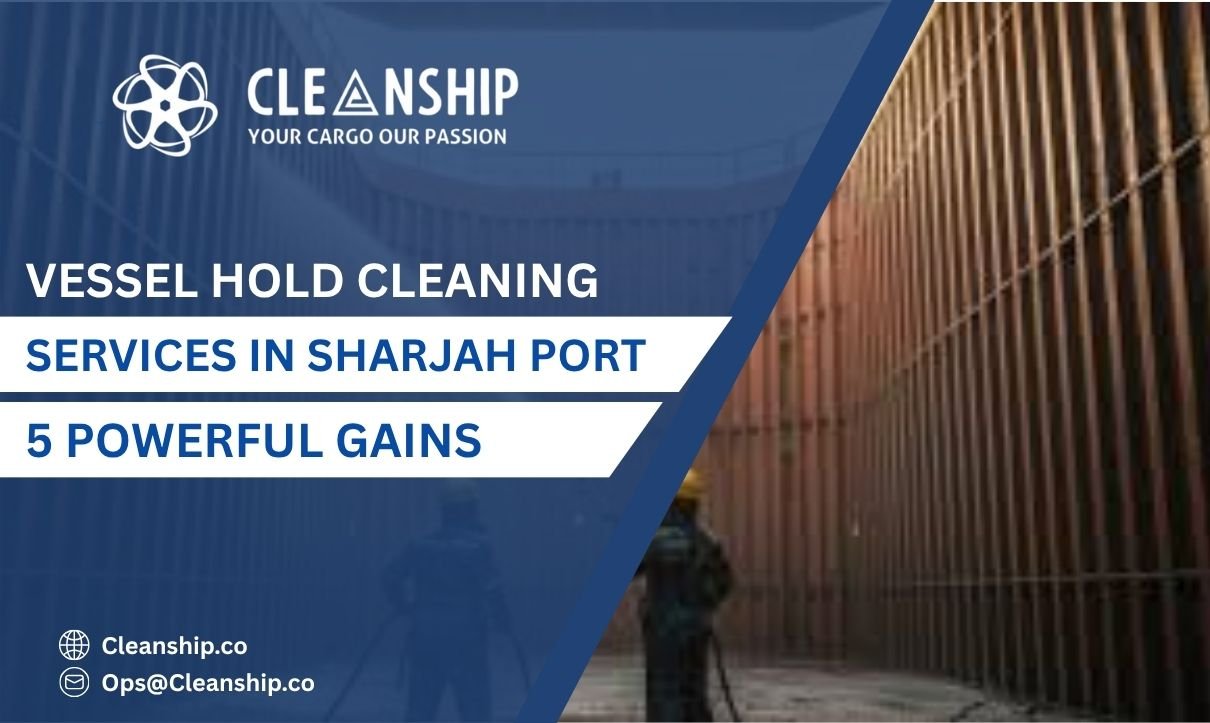
Vessel Hold Cleaning Services in Sharjah Port: 5 Powerful Gains

Vessel Hold Cleaning Services in Sharjah Port: 5 Powerful Gains Sharjah Port operates in a space where precision matters more than publicity. Vessels arriving here are judged not by promises, but by preparation. Among the most critical aspects of that preparation are vessel hold cleaning services in Sharjah Port, which directly influence safety, cargo acceptance, and regulatory compliance. This article explores why Sharjah and the wider UAE have become leaders in marine cleaning, how international regulations shape local practice, and what real operational gains look like when hold cleaning is done correctly. Why the UAE Is a Benchmark for Marine Cleaning The UAE sits at the crossroads of global trade. Vessels calling at its ports move between continents, cargo types, and regulatory regimes. To function smoothly, ports have aligned their operational standards with international expectations rather than local shortcuts. Sharjah benefits from this mindset. Cleaning procedures reflect global best practice shaped by years of tanker, bulk carrier, and multipurpose vessel operations. Sharjah Port’s Operational Environment Sharjah handles dry bulk, general cargo, and specialized shipments. Many vessels here switch frequently between cargo types. That flexibility raises the stakes for cleaning, as residue from one voyage can compromise the next. Effective hold preparation ensures vessels remain commercially flexible without risking rejection or delay. Understanding Vessel Hold Cleaning in Practical Terms Hold cleaning is the process of preparing cargo spaces so they are suitable for the next cargo. This includes removing residues, washing surfaces, drying structural areas, and managing bilges. The objective is suitability, not cosmetic perfection. Cleaning levels are defined by charter requirements, cargo sensitivity, and inspection standards. Bulk Carrier Hold Cleaning Standards Bulk carriers present unique challenges. Their frames, brackets, and tank tops trap residues easily. Standard cleaning involves: These steps align with practices recognized by the Marine Supercargo community and World Ports guidance. Tank and Hold Cleaning: Where Standards Overlap While tank cleaning focuses on liquids and gas-freeing, many principles transfer to hold cleaning. Risk assessment, controlled chemical use, and systematic inspection improve outcomes across vessel types. Sharjah operators often apply tanker discipline to bulk carrier cleaning, raising consistency and safety. Regulatory Compliance Driving Cleaning Practices Cleaning operations in Sharjah align with international frameworks: Compliance transforms cleaning into a documented, auditable process. Safety Management During Hold Cleaning Holds are confined spaces. Poor ventilation or residue buildup can create serious hazards. Gas testing, entry permits, and supervision are essential controls. We see safety as cumulative. One missed step can undo an entire operation. Environmental Protection and Waste Control Under MARPOL, wash water and residues must be handled responsibly. Approved disposal routes, controlled discharge, and accurate records protect both port waters and vessel operators. Environmental discipline is also commercial discipline, preventing fines and detentions. Inspection and Surveyor Expectations Inspection is where cleaning quality is tested. Surveyors assess cleanliness, dryness, odor, and access. Lighting and visibility matter as much as washing itself. Successful inspection depends on preparation, not negotiation. Documentation and Compliance Workflows Logs, checklists, and inspection reports link shipboard work to shore-side accountability. Clear documentation supports charterer acceptance and protects owners during disputes. This paperwork often proves more valuable than the cleaning itself when questions arise later. Cost Efficiency Through Targeted Cleaning Over-cleaning wastes time and resources. Under-cleaning risks rejection. Sharjah operators focus on matching cleaning effort to cargo requirements. Precision cleaning reduces port stay while maintaining compliance, a critical balance in competitive markets. Real-World Operational Example A vessel discharges coal and prepares to load bagged cement. Fine dust left in frames can contaminate packaging. Targeted washing, careful drying, and final inspection prevent cargo claims. The process resembles tuning an engine: focus on the parts that matter most. Industry Practice and Global Experience Companies such as Cleanship.co operate globally across tank and hold cleaning, cargo supervision, and compliance support. Their work often includes crew safety measures like drug and alcohol testing, reflecting how cleaning fits into a broader risk management system. Training and Skill Development Effective cleaning depends on trained personnel who understand coatings, cargo behavior, and vessel structure. Continuous training aligns with IMCA expectations and improves inspection success. Future Trends in Marine Cleaning The industry is evolving. Water-efficient systems, environmentally safer chemicals, and digital inspection reporting are becoming standard. These innovations improve consistency while reducing environmental impact. Sharjah’s global connections make it a natural testing ground for such advances. Conclusion: Turning Cleaning into Competitive Advantage Vessel hold cleaning services in Sharjah Port deliver tangible gains when grounded in discipline and compliance. Three points stand out. First, UAE ports operate within global regulatory frameworks, not informal practice. Second, safety and environmental protection directly support efficiency. Third, inspection and documentation protect vessels long after departure. For operators seeking dependable compliance and maritime service excellence, working with experienced providers such as Cleanship.co ensures cleaning operations meet international standards and real-world port demands with confidence. FAQs:
Read more
Ship hold cleaning in Sharjah Port for safe and efficient cargo operations

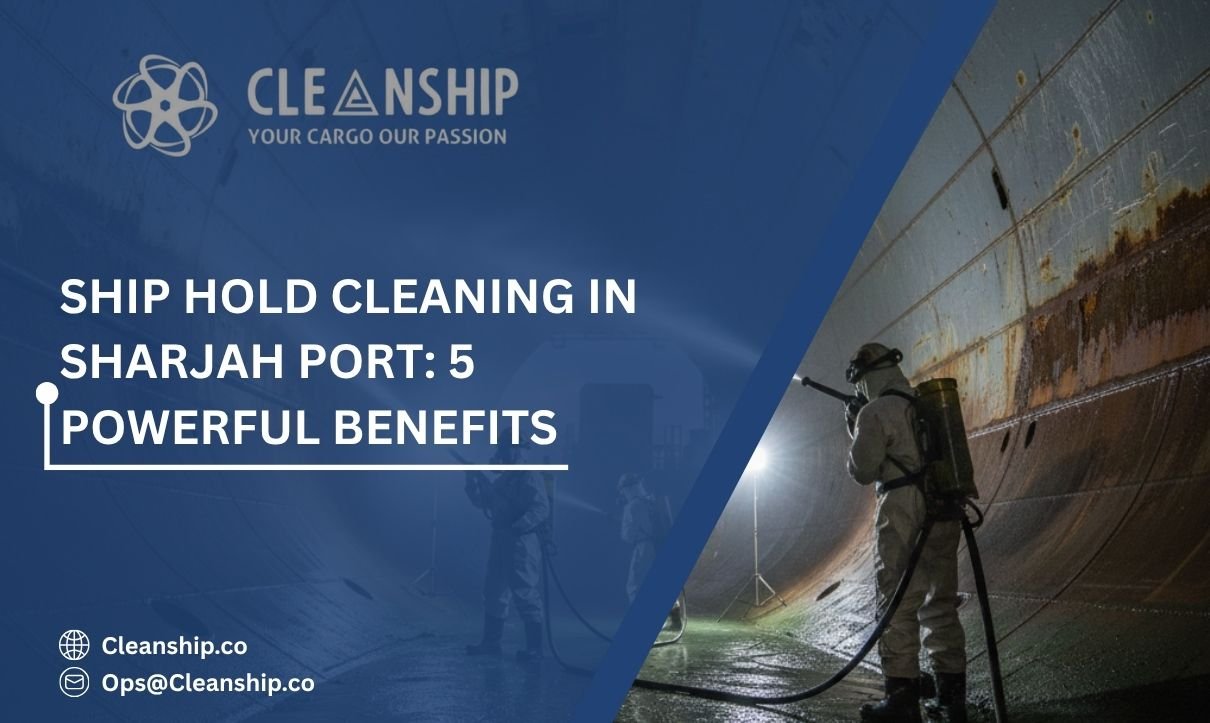
Ship Hold Cleaning in Sharjah Port: 5 Powerful Benefits

Ship Hold Cleaning in Sharjah Port: 5 Powerful Benefits Sharjah Port operates on quiet discipline rather than spectacle. Vessels calling here face tight schedules, mixed cargo profiles, and close regulatory attention. In this environment, ship hold cleaning in Sharjah Port is not a background task. It is a core operational control that protects cargo quality, crew safety, and commercial outcomes. This article explains how Sharjah fits into the UAE’s marine cleaning leadership, how global regulations shape local practice, and why well-executed hold cleaning delivers measurable benefits. Why the UAE Leads Marine Cleaning Standards The UAE connects east–west trade routes, serving charterers with zero tolerance for contamination or delay. To keep traffic moving, ports have aligned procedures with international rules rather than informal local methods. Sharjah reflects this culture. Cleaning practices here are built on repeatable systems proven across bulk carriers, tankers, and multipurpose vessels worldwide. Sharjah Port’s Cargo and Vessel Profile Sharjah handles dry bulk, bagged cargo, steel, and project shipments. Vessels often change cargo types between voyages. This flexibility raises the importance of hold preparation, because residues from one cargo can compromise the next. Effective cleaning preserves trading flexibility while reducing the risk of rejection. What Ship Hold Cleaning Involves Ship hold cleaning prepares cargo spaces so they meet the acceptance standard for the next cargo. It includes residue removal, washing, drying, bilge care, and final inspection. The aim is suitability, not visual perfection. Cleaning levels depend on cargo sensitivity, charter party terms, and surveyor expectations. Bulk Carrier Hold Cleaning Explained Simply Bulk carriers pose structural challenges. Frames, brackets, and tank tops trap residues easily. Standard cleaning typically covers: These steps align with practices recognized by World Ports and Marine Supercargo guidance. Tank and Hold Cleaning: Shared Discipline Tank cleaning focuses on liquids and gas-freeing, yet its discipline informs hold cleaning. Risk assessment, chemical control, and structured inspection improve outcomes across vessel types. In Sharjah, operators often apply tanker-level discipline to bulk holds, improving consistency and safety. Regulatory Compliance as the Foundation Cleaning operations align with international frameworks: These references turn cleaning into an auditable process rather than a judgment call. Safety Management in Enclosed Spaces Holds are confined spaces with real risks. Ventilation, atmosphere testing, and controlled entry are essential. Supervision ensures procedures are followed under working pressure. We treat safety as cumulative. Each control layer reduces the chance of a serious incident. Environmental Protection and Waste Control MARPOL shapes how wash water and residues are handled. Controlled discharge, approved reception facilities, and accurate records protect Sharjah’s coastal waters. Environmental compliance also protects vessels from fines, delays, and reputational damage. Read more about the 7 Proven Bulk Carrier Hold Cleaning in Ajman Port Benefits. Inspection and Surveyor Acceptance Inspection is where preparation meets reality. Surveyors check cleanliness, dryness, odor, and access. Good lighting and clear visibility matter as much as washing itself. Successful acceptance depends on preparation, not persuasion. Documentation and Compliance Workflow Logs, checklists, and inspection reports link onboard work with shore-side accountability. Photographic evidence supports charterer acceptance and protects owners during disputes. Documentation often proves its value long after the vessel has sailed. Cost Efficiency Through Targeted Cleaning Over-cleaning wastes time and water. Under-cleaning risks rejection. Sharjah operators focus on matching effort to cargo needs. This precision shortens port stays while maintaining compliance, a key commercial advantage. A Practical Maritime Example A vessel discharges fertilizer and prepares to load grain. Residual chemicals can contaminate food cargo. Targeted washing, careful bilge attention, and thorough drying prevent rejection. The process resembles resetting a scale before weighing: accuracy matters more than force. Read more about Hold Tank Cleaning in Abu Dhabi: 7 Powerful Safety Gains. Industry Practice and Global Operations Companies such as Cleanship.co operate globally in tank and hold cleaning, cargo supervision, and compliance support. Their scope often includes crew safety programs like drug and alcohol testing, reflecting how cleaning integrates into broader risk management systems. Training and Knowledge Transfer Effective cleaning relies on trained teams who understand coatings, cargo behavior, and vessel design. Continuous training aligns with IMCA expectations and improves inspection outcomes. Skill reduces damage risk and increases efficiency. Innovation and Future Trends Marine cleaning is evolving. Water-efficient systems, environmentally safer chemicals, and digital inspection tools are becoming standard. These innovations improve consistency while reducing environmental impact. Sharjah’s global trade links position it well to adopt these advances early. Conclusion: Benefits That Extend Beyond the Port Ship hold cleaning in Sharjah Port delivers clear benefits when built on discipline and compliance. Three points stand out. First, UAE ports operate within global regulatory frameworks, not informal practice. Second, safety and environmental protection directly support efficiency and cost control. Third, inspection-ready documentation protects vessels long after departure. For operators seeking dependable compliance and maritime service excellence, working with experienced providers like Cleanship.co ensures cleaning operations meet international standards and real-world port demands with confidence. FAQs:
Read more
Tank cleaning in Singapore Port for safe and efficient marine operations

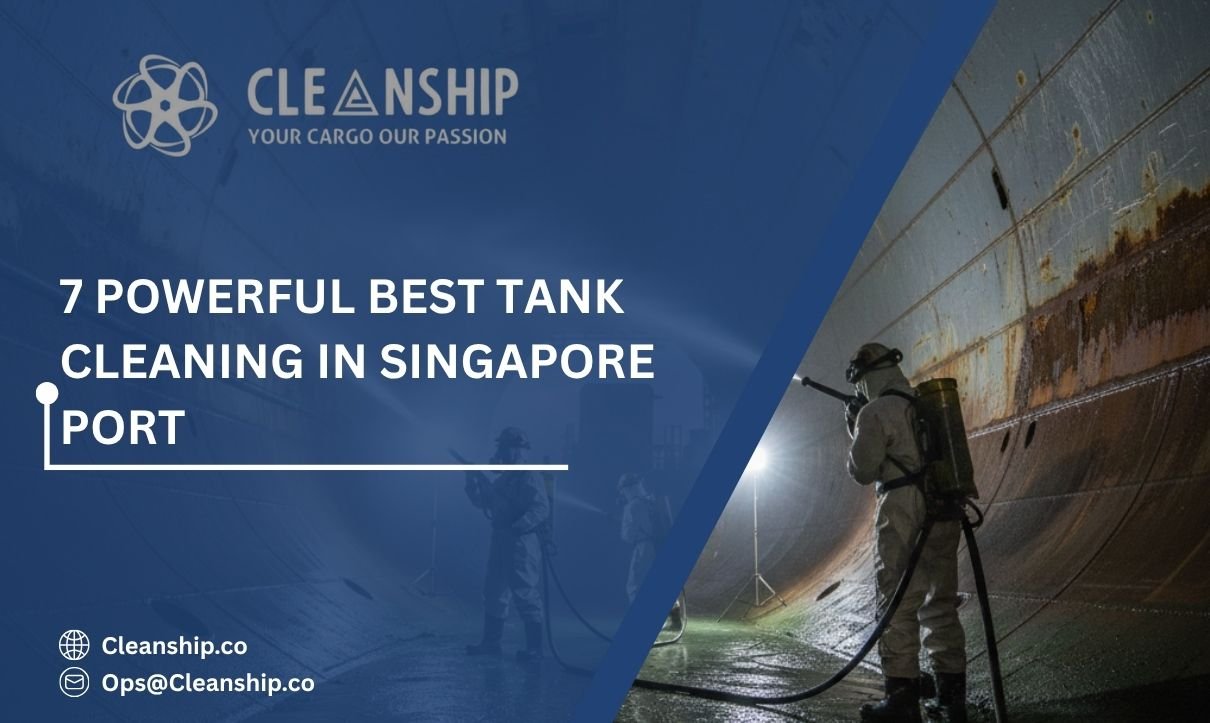
7 Powerful Best Tank Cleaning in Singapore Port

7 Powerful Tank Cleaning in Singapore Port Singapore Port sits at the crossroads of global trade. Every day, tankers, bulk carriers, and multipurpose vessels move through its terminals carrying fuels, chemicals, food-grade cargo, and dry bulk. In this environment, tank cleaning is not a routine chore. It is a safety-critical, compliance-driven operation that directly affects cargo quality, crew welfare, and port efficiency. When we talk about the best tank cleaning in Singapore, we are really talking about systems, standards, and discipline working together. You need methods that satisfy regulators, protect the marine environment, and keep vessels trading without delay. This article explains how that happens in practice. Why Singapore Is a Global Benchmark for Marine Cleaning Singapore did not become a maritime hub by accident. The port enforces strict operational discipline, fast turnaround expectations, and zero tolerance for pollution. For you as a ship operator or manager, this means cleaning work must be planned, documented, and executed to an international standard. Ports linked through organizations like the International Association of Ports and Harbors (IAPH) increasingly align their expectations with Singapore’s model, making it a reference point worldwide. The Role of Tank Cleaning in Modern Shipping Tank cleaning prepares a vessel for its next cargo. Residues left behind can contaminate new cargo, corrode steel, or trigger regulatory violations. In practical terms, effective tank cleaning helps you: A poorly cleaned tank can cost more than the cleaning itself through delays, claims, and rework. Regulatory Framework You Must Comply With IMO Standards and Global Oversight The International Maritime Organization (IMO) sets the baseline for safe and environmentally responsible shipping. Tank cleaning procedures must align with IMO guidance on pollution prevention, enclosed space entry, and chemical handling. MARPOL Convention and Residue Control Under the MARPOL Convention, discharge of oily residues and wash water is tightly controlled. In Singapore, authorities expect full compliance, including proper collection, disposal, and record-keeping. If documentation is missing or unclear, inspections become longer and more intrusive. IMCA Guidance for Safe Operations The International Marine Contractors Association (IMCA) provides practical guidance on safety management systems, risk assessments, and crew competency. These principles are often applied during tank cleaning, especially when specialist contractors are involved. Safety Comes First: People, Steel, and the Sea Tank cleaning is hazardous work. Confined spaces, toxic vapors, and high-pressure water systems all introduce risk. Good operators treat safety as a system, not a checklist. That includes: When safety systems are strong, cleaning becomes faster and more predictable rather than slower. Environmental Protection and Cost Efficiency Go Together It is tempting to see environmental controls as an added cost. In reality, they often save money. Controlled washing, residue segregation, and approved disposal reduce re-cleaning, port penalties, and reputational risk. Over time, vessels that follow disciplined cleaning standards experience fewer disputes and smoother cargo acceptance. Tank Cleaning Standards in Singapore Port Chemical Tank Cleaning Requirements Chemical tanks demand precision. Cleaning sequences must match previous and next cargo compatibility. Temperature, water pressure, and chemical agents are selected carefully to avoid reactions or coating damage. Also, read about 7 Proven Tank Cleaning in Dubai for Safer Operations. Oil and Product Tank Cleaning Practices For oil and product tankers, degassing, sludge removal, and vapor control are critical. Singapore inspectors pay close attention to oil record books and residue management plans. Bulk Carrier Hold Cleaning Interfaces Although tank cleaning and hold cleaning differ, the principles overlap. Bulk carriers preparing for sensitive cargoes like grain or fertilizer must meet cleanliness standards verified by marine surveyors. Inspection and Documentation Workflows Cleaning is only half the job. The other half is proof. Typical workflows include: Organizations such as Marine Supercargo Final Quality Rules influence how cleanliness is assessed and documented before cargo loading. Real-World Example from Singapore Operations Imagine a product tanker discharging chemicals and preparing for a clean petroleum cargo. A rushed wash might look acceptable to the eye but leave invisible residues. During inspection, cargo surveyors detect contamination, delaying loading by 24 hours. A disciplined approach, using verified procedures and documented inspections, avoids this scenario entirely. That difference is where professional cleaning standards pay for themselves. Industry Practices and Global Service Models Companies like Cleanship.co illustrate how global operators structure tank and hold cleaning operations across major ports. Their work often integrates: These services are not marketing extras. They reflect how modern shipping treats cleaning as part of a broader compliance ecosystem. Future Trends in Marine Tank Cleaning Automation and Remote Monitoring Automated tank washing machines with data logging are becoming standard. They allow you to prove coverage, pressure, and duration with objective data. Eco-Friendly Cleaning Agents Biodegradable chemicals and reduced-water systems help operators meet tightening environmental expectations without sacrificing effectiveness. Digital Compliance Records Electronic logs and cloud-based inspection records make audits faster and reduce disputes with charterers and port authorities. Why Discipline Matters More Than Speed Fast cleaning is attractive, but disciplined cleaning is profitable. When procedures are standardized and crews are trained, turnaround times improve naturally. Errors decrease, and inspections become routine rather than stressful. Conclusion The tank cleaning in Singapore is not defined by equipment alone. It is defined by standards, safety culture, and documentation discipline. First, compliance with IMO, IMCA, MARPOL, and port authority expectations protects you from delays and penalties. Second, strong safety and environmental practices reduce long-term operating costs. Third, integrated inspection and reporting systems keep vessels trading smoothly. For operators seeking consistency and compliance across global ports, service providers like Cleanship.co represent established industry practice. Their approach reflects how modern maritime operations align cleaning, safety, and quality into a single professional standard. FAQs:
Read more
Hold cleaning in Singapore Port for faster and efficient cargo clearance

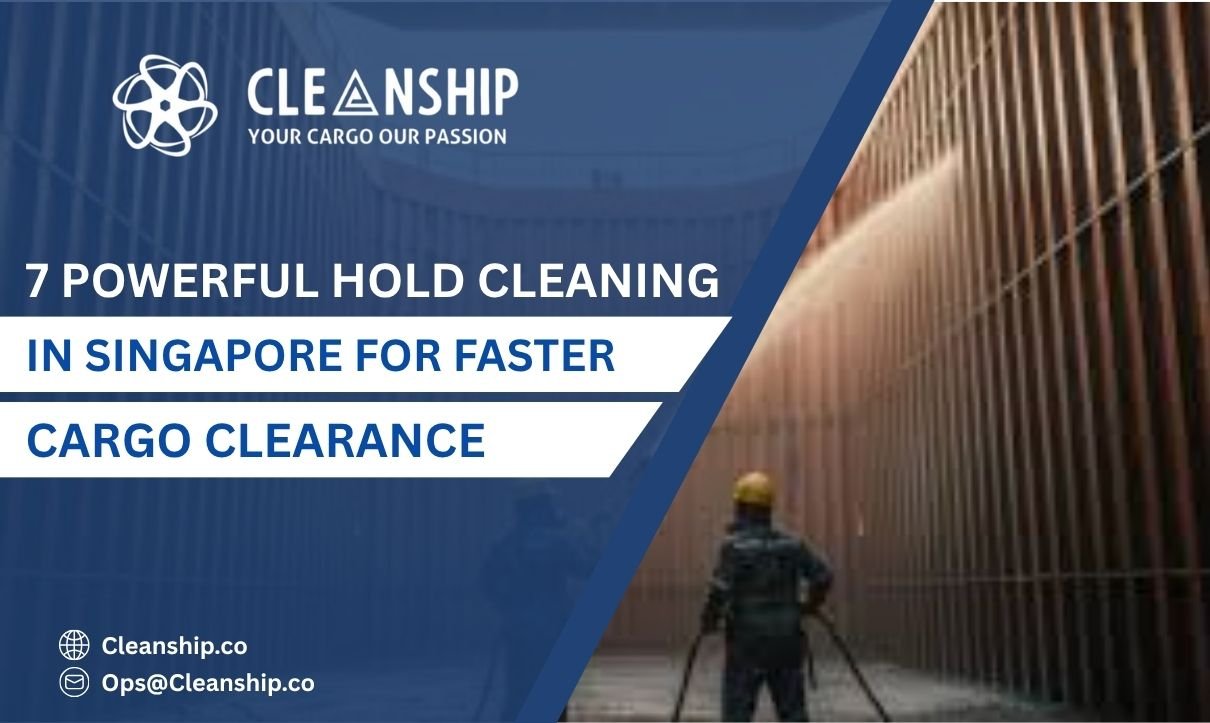
7 Powerful Hold Cleaning in Singapore for Faster Cargo Clearance

7 Powerful Hold Cleaning in Singapore for Faster Cargo Clearance Singapore Port operates on precision. Bulk carriers arriving with coal, grain, fertilizers, or minor bulks face one shared reality: cargo clearance depends heavily on hold condition. Even a technically sound vessel can face delays if holds fail inspection. Hold Cleaning in Singapore is therefore not an operational afterthought. It is a strategic requirement tied to safety, compliance, and commercial performance. This article explains how professional hold cleaning practices in Singapore support faster cargo acceptance, protect vessels, and align with global maritime standards. Singapore’s Role in Global Bulk Shipping Singapore sits at the heart of Asian trade lanes. Its port authorities expect vessels to meet internationally aligned cleanliness and safety benchmarks. These expectations mirror best practices seen in leading maritime regions such as the UAE, where operational discipline and inspection readiness are non-negotiable. For you as an operator, this means hold cleaning must be planned with the same rigor as cargo stowage or voyage execution. Why Hold Cleaning Directly Affects Cargo Clearance A ship’s hold is like a warehouse that moves across oceans. If residues from a previous cargo remain, contamination risks rise immediately. Charterers, shippers, and surveyors know this, which is why hold inspections are often decisive. Clean holds help you: In Singapore, where berth schedules are tight, these advantages translate directly into speed. Regulatory Framework Governing Hold Cleaning IMO Expectations and Safety Baselines The International Maritime Organization (IMO) establishes safety and environmental standards that influence how hold cleaning is conducted. Confined space entry procedures, ventilation requirements, and crew safety measures stem directly from IMO guidance. MARPOL Convention and Residue Management The MARPOL Convention regulates how wash water, residues, and waste are handled. In Singapore, authorities expect zero tolerance for improper discharge. Proper collection and disposal are as important as the cleaning itself. IMCA Guidance on Safe Working Practices The International Marine Contractors Association (IMCA) provides practical safety frameworks often adopted during cleaning operations, especially when shore teams or specialist contractors are involved. IAPH and Port-Level Alignment Through bodies like the International Association of Ports and Harbors (IAPH), Singapore aligns its inspection culture with other leading world ports, creating consistency across regions. Safety: The First Measure of Quality Hold cleaning exposes crews to dust, slippery surfaces, and enclosed spaces. Safety failures delay operations faster than any technical issue. Professional cleaning programs include: When safety is managed well, cleaning progresses smoothly and predictably. Environmental Protection and Cost Control Environmental discipline is not just regulatory compliance. It is cost control in disguise. Proper residue handling reduces the risk of fines, cargo rejection, and reputational damage. Vessels that follow structured cleaning standards often see fewer disputes with charterers and faster acceptance by terminals. Bulk Carrier Hold Cleaning Standards in Singapore Cleaning After Coal and Ore Cargoes Coal and iron ore leave abrasive residues that can damage coatings. Dry sweeping followed by targeted washing prevents long-term corrosion. Preparing Holds for Grain and Food Cargo Grain cargoes demand near-sterile conditions. Even small residues can lead to rejection. Surveyors apply standards aligned with Marine Supercargo Final Quality Rules when assessing readiness. Fertilizer and Chemical Bulk Residues Fertilizers and chemical bulks can be hygroscopic or corrosive. Neutralization and thorough drying are essential before loading the next cargo. Inspection and Documentation Workflows Cleaning without documentation is incomplete. Singapore inspectors rely on records to verify compliance. Typical documentation includes: Clear paperwork shortens inspection time and builds trust with surveyors. Learn more about 7 Proven Vessel Hold Cleaning Services in Abu Dhabi. A Real-World Port Scenario Consider a bulk carrier discharging coal and scheduled to load grain in Singapore. The crew rushes cleaning, leaving traces in hatch corners. During inspection, surveyors reject the holds. The vessel loses its loading window and waits 36 hours. A structured cleaning plan with documented inspections would have prevented the delay entirely. Industry Practice and Integrated Services Global operators like Cleanship.co illustrate how hold cleaning fits into a broader compliance model. Their industry practice often combines: These elements work together to reduce operational risk rather than acting as standalone services. Why UAE Practices Matter in Singapore Operations The UAE has become a benchmark region for disciplined marine cleaning due to its strict port controls and high cargo volumes. Singapore mirrors this approach. Operators familiar with UAE standards often adapt smoothly to Singapore’s expectations, benefiting from procedural consistency. Future Trends in Hold Cleaning Mechanization and Efficiency Tools Mechanical sweepers and advanced washing equipment reduce manual effort while improving consistency. Environmentally Safer Cleaning Methods Low-water and biodegradable cleaning solutions are gaining acceptance as environmental scrutiny increases. Digital Inspection Records Electronic logs and photo-based reports allow faster review by charterers and port authorities, cutting approval times. Speed Comes from Preparation, Not Rushing Fast cargo clearance is the result of preparation. When cleaning plans, safety systems, and documentation are aligned, inspections become routine rather than obstacles. Conclusion Hold Cleaning in Singapore plays a decisive role in cargo readiness and port efficiency. First, strict alignment with IMO, IMCA, MARPOL, and IAPH standards protects you from inspection delays. Second, disciplined safety and environmental practices reduce long-term costs and disputes. Third, structured documentation ensures faster cargo acceptance and smoother port operations. For operators seeking consistent compliance across global ports, service providers such as Cleanship.co reflect established industry practice. Their integrated approach to cleaning, inspection, and crew safety supports reliable maritime operations and professional standards. FAQs:
Read more
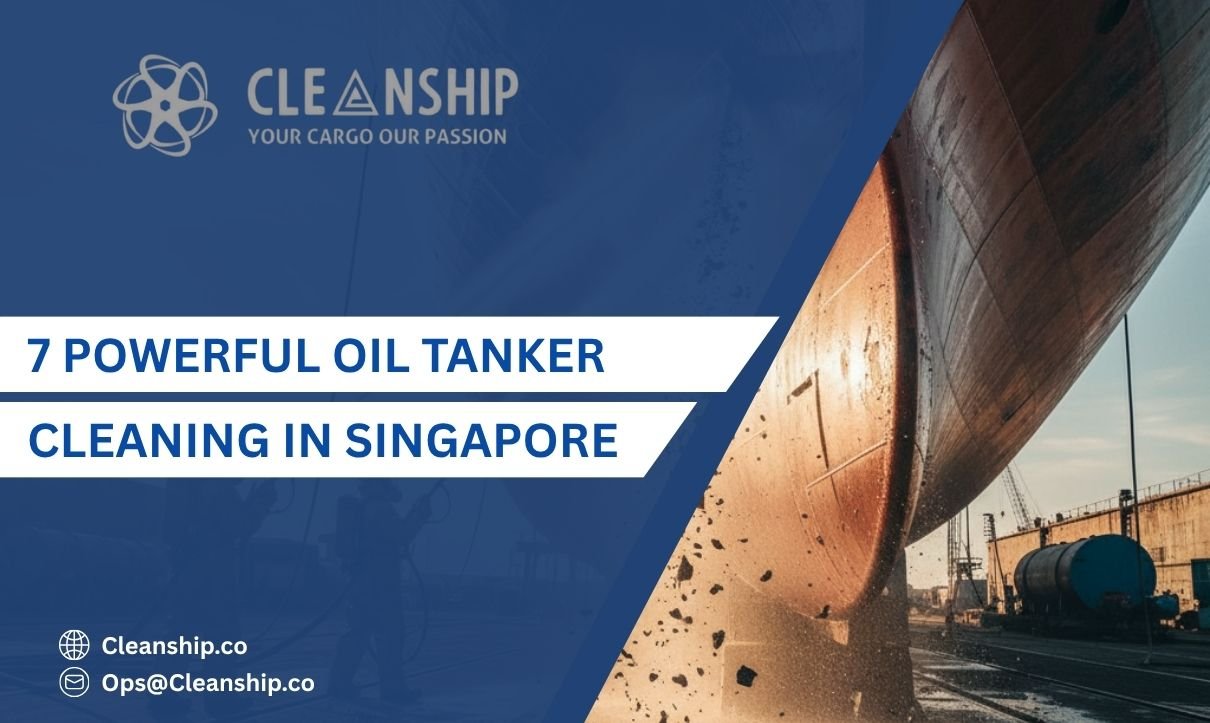
Oil tanker tank cleaning in Singapore Port for safe and efficient operations

7 Powerful Oil Tanker Tank Cleaning in Singapore

7 Powerful Oil Tanker Tank Cleaning in Singapore Singapore Port is unforgiving when it comes to tanker operations. High traffic density, sensitive cargoes, and strict inspections mean there is little margin for error. Oil tanker tank cleaning in Singapore is not a routine technical task. It is a compliance-driven process that protects cargo quality, crew safety, and the vessel’s trading schedule. This article explains how professional tank cleaning practices support faster turnaround, regulatory alignment, and long-term operational efficiency in one of the world’s most demanding tanker hubs. Singapore’s Strategic Importance in Tanker Trade Singapore serves as a major hub for crude, products, and chemical blending. Its standards closely mirror those enforced in the UAE, another region known for disciplined marine cleaning. For you as an operator, this alignment means procedures accepted in one major port must stand up to scrutiny everywhere. Cleaning quality must be consistent, documented, and defensible. Why Tank Cleaning Defines Commercial Readiness A tanker’s tanks are its revenue engine. If residues remain, cargo compatibility is compromised. Charterers, surveyors, and terminals all know this. Effective tank cleaning helps you: In Singapore, inspection outcomes often determine whether a vessel sails on time or waits at anchor. Understanding Oil Tanker Tank Cleaning Tank cleaning removes oil residues, sludge, vapors, and wash water from cargo tanks. The objective is to prepare tanks safely for the next cargo without damaging coatings or violating environmental rules. Think of it as resetting a refinery pipeline. Any leftover material affects everything that follows. Regulatory Framework Governing Tank Cleaning IMO Safety and Operational Baselines The International Maritime Organization (IMO) sets global expectations for enclosed space entry, ventilation, and gas-free conditions. These principles guide how tanker tanks are accessed and cleaned safely. MARPOL Convention and Pollution Prevention The MARPOL Convention governs discharge of oily residues and wash water. In Singapore, strict enforcement means proper collection, segregation, and disposal are essential parts of the cleaning process. IMCA Guidance on Safe Systems of Work The International Marine Contractors Association (IMCA) provides practical frameworks for risk assessments, permits, and supervision. These are commonly applied when specialist cleaning teams are engaged. IAPH and World Port Alignment Through the International Association of Ports and Harbors (IAPH), Singapore aligns its port controls with other major world ports, ensuring consistency in inspection expectations. Safety: The First Measure of Cleaning Quality Tank cleaning exposes crews to toxic vapors, oxygen-deficient spaces, and high-pressure equipment. Safety failures stop operations immediately. Professional cleaning programs emphasize: When safety systems are strong, cleaning proceeds efficiently rather than cautiously slow. Environmental Protection and Cost Efficiency Environmental control is often seen as a regulatory burden. In practice, it reduces costs. Proper residue handling prevents fines, re-cleaning, and reputational damage. Vessels that follow disciplined environmental procedures experience smoother inspections and fewer disputes with terminals and charterers. Tank Cleaning Standards by Cargo Type Crude Oil and Heavy Fuel Residues Crude and heavy fuels leave stubborn sludge. Heating, controlled washing, and residue recovery are essential to protect coatings and ensure safe entry. Product Tanker Changeovers Switching between clean and dirty products requires precision. Incompatible residues can contaminate cargoes, leading to rejection. Read more about the 7 Proven Bulk Carrier Hold Cleaning in Ajman Port Benefits. Interface with Chemical and Special Cargoes Although chemical tank cleaning has its own standards, principles such as compatibility checks and documentation discipline apply equally to oil tankers. Relationship Between Tank, Hold, and Bulk Carrier Cleaning Tank cleaning focuses on liquids and vapors. Hold cleaning addresses dry residues and corrosion. Bulk carrier cleaning emphasizes cargo surface readiness. Despite differences, all three rely on the same foundations: safety control, environmental compliance, and documented inspection readiness. Inspection and Documentation Workflows Cleaning without proof is incomplete. Singapore inspectors rely heavily on records. Typical documentation includes: Clear documentation reduces inspection time and builds confidence with surveyors. A Real Port Scenario An oil tanker discharges heavy fuel oil and prepares for clean product loading. Visual inspection looks acceptable, but vapor levels are uneven. Surveyors delay approval, forcing additional ventilation and testing. A structured cleaning and monitoring plan would have identified the issue earlier, avoiding delay altogether. Industry Practice and Integrated Compliance Models Global operators such as Cleanship.co illustrate how tank cleaning fits into a broader compliance ecosystem. Their industry practice often integrates: This approach treats cleaning as part of operational risk management, not an isolated service. Why UAE Cleaning Standards Matter in Singapore The UAE has set high benchmarks in tanker cleaning due to strict port controls and heavy traffic. Singapore mirrors this discipline. Operators familiar with UAE standards often adapt quickly, benefiting from procedural consistency across regions. Future Trends in Oil Tanker Tank Cleaning Automation and Monitoring Technology Automated tank washing systems with performance logging provide objective proof of coverage and effectiveness. Environmentally Safer Cleaning Methods Low-water systems and biodegradable agents help meet tightening environmental expectations without compromising results. Digital Compliance Records Electronic logs and inspection reports speed up reviews by charterers and port authorities. Speed Comes from Discipline, Not Risk Fast turnaround is achieved through preparation. When procedures, safety systems, and documentation align, inspections become predictable rather than disruptive. Conclusion Oil tanker tank cleaning in Singapore is a critical determinant of safety, compliance, and commercial success. First, strict alignment with IMO, IMCA, MARPOL, and IAPH standards protects you from inspection delays. Second, strong safety and environmental controls reduce long-term costs and operational risk. Third, structured inspection and documentation workflows ensure predictable cargo acceptance. For operators seeking consistent compliance across global ports, service providers such as Cleanship.co reflect established industry practice. Their integrated approach to cleaning, inspection, and crew safety supports reliable tanker operations and maritime service excellence. FAQs:
Read more
Cargo hold cleaning in Singapore Port for safe and efficient cargo operations

5 Powerful Cargo Hold Cleaning in Singapore

Singapore’s Strategic Role in Global Maritime Operations Singapore sits at the crossroads of global trade. Every day, bulk carriers, container vessels, and tankers move through its ports carrying coal, grain, minerals, fertilizers, and project cargo. In such a high-traffic environment, cargo hold cleanliness is not cosmetic—it is operationally critical. When you operate in Singapore, you operate under scrutiny, efficiency pressure, and strict international compliance. Why the UAE Matters in Marine Cleaning Expertise Although this article focuses on operations in Singapore, much of today’s best practice comes from the UAE. Ports like Jebel Ali and Fujairah have become testing grounds for advanced marine cleaning methods due to high cargo diversity and regulatory oversight. Many procedures used in Singapore mirror UAE-developed workflows, blending speed with compliance. Understanding Cargo Hold Cleaning Cargo hold cleaning is the systematic removal of previous cargo residues, rust scale, moisture, and contaminants from a vessel’s holds. You do this to protect the next cargo, pass inspections, and meet charter party requirements. Poor cleaning can lead to cargo claims, delays, and rejected holds. Why Clean Cargo Holds Protect Commercial Value A single contaminated hold can downgrade an entire shipment. For example, trace coal dust left before loading grain can result in rejection at discharge. Cleaning safeguards cargo integrity, protects vessel reputation, and preserves long-term charter relationships. Key Regulatory Frameworks Governing Hold Cleaning Marine cleaning is governed by layered regulations. You are not just cleaning for appearance—you are cleaning for law, safety, and environmental responsibility. IMO Standards and Global Compliance The International Maritime Organization sets baseline safety and pollution prevention standards. IMO guidelines influence how residues are handled, how wash water is managed, and how enclosed spaces are accessed safely. MARPOL Convention and Environmental Protection MARPOL strictly regulates discharge of residues, wash water, and contaminants. In Singapore, authorities enforce MARPOL with zero tolerance. Improper disposal can result in detention or heavy fines. IMCA Guidance for Safe Marine Operations IMCA provides operational safety guidance, especially relevant for confined space entry and high-pressure washing. These standards help reduce injury risk during intensive cleaning operations. IAPH and Port State Expectations The International Association of Ports and Harbors promotes standardized port procedures. Singapore follows IAPH-aligned practices, meaning documentation, waste tracking, and inspections must be precise. 1. Pre-Cleaning Assessment and Risk Planning Every effective job starts with assessment. You and your service partner inspect previous cargo type, coating condition, access points, and residue risks. This stage determines manpower, tools, chemicals, and safety controls. 2. Mechanical and High-Pressure Cleaning Methods Mechanical scraping and ultra-high-pressure water jets remove hardened residues and rust scale. These methods are especially effective after bulk minerals or cement cargoes, where adhesion is high. 3. Chemical-Assisted Hold Cleaning Approved cleaning chemicals are used when water alone is insufficient. You apply them carefully, ensuring compatibility with coatings and full neutralization before disposal. Chemical logs are maintained for inspection readiness. 4. Drying, Dehumidification, and Odor Control Clean holds must also be dry. In humid climates like Singapore, forced ventilation and dehumidifiers prevent moisture-related cargo damage. Odor neutralization is critical before sensitive cargo such as food-grade products. 5. Final Inspection and Hold Certification The final stage includes visual inspection, wall wash tests if required, and photographic documentation. Only after verification do holds receive clearance for loading. Bulk Carrier Cleaning Standards Explained Bulk carriers face unique challenges due to large surface areas and varied cargoes. Standards focus on residue removal, coating protection, and structural safety. Even small oversights can delay loading windows. Learn more about 7 Proven Vessel Hold Cleaning Services in Abu Dhabi. Safety in Enclosed Space Operations Cargo holds are confined spaces. Oxygen monitoring, gas testing, permits, and standby rescue plans are mandatory. Safety procedures protect crew and contractors alike. Environmental Responsibility and Waste Handling Residues and wash water are collected, segregated, and disposed of through licensed facilities. This protects marine ecosystems and ensures port compliance. Documentation and Compliance Workflow Inspection checklists, waste receipts, cleaning reports, and safety permits form a complete compliance trail. Port State Control officers in Singapore expect this documentation without exception. Role of Marine Supercargo and Independent Inspection Independent marine supercargo professionals verify cleanliness and cargo readiness. Their approval often determines whether loading proceeds or stops. Industry Practices from Cleanship.co Across global ports, companies like Cleanship.co demonstrate how structured processes work in practice. Their operations span tank and hold cleaning, cargo super vision, compliance documentation, and crew drug and alcohol testing to enhance onboard safety culture. Future Trends in Marine Cleaning Automation, eco-friendly chemicals, remote inspection tools, and data-driven compliance tracking are shaping the future. Ports like Singapore are early adopters, setting benchmarks others follow. Cost Efficiency Through Proper Planning Efficient cleaning reduces berth time, avoids re-cleaning, and minimizes off-hire risks. Planning once, executing correctly, saves far more than cutting corners. Conclusion Effective cargo hold cleaning in Singapore is about far more than visual standards. It protects cargo quality, ensures regulatory compliance, and safeguards crew safety. Three key takeaways stand out: structured planning prevents delays, compliance-driven cleaning avoids costly penalties, and professional documentation ensures inspection success. In a port as demanding as Singapore, disciplined processes are non-negotiable. For shipowners and operators seeking consistency, compliance confidence, and operational excellence, working with experienced maritime service providers such as Cleanship.co is a strategic decision that supports long-term fleet performance. FAQs:
Read more
Hold tank cleaning in Singapore Port for safer and efficient vessel operations

7 Powerful Hold Tank Cleaning in Singapore for Safer Vessels

Understanding Modern Hold Tank Cleaning in Singapore Operations Hold tank cleaning in Singapore is the controlled removal of cargo residues, sludge, scale, and contaminants from vessel tanks and holds. In Singapore’s high-traffic port environment, these operations protect vessel safety, cargo integrity, and regulatory compliance. When cleaning is done correctly, you reduce corrosion risk, prevent cargo contamination, and ensure smoother inspections. Why Singapore Is a Global Hub for Marine Cleaning Singapore sits at the crossroads of global shipping lanes. Thousands of bulk carriers, tankers, and multipurpose vessels pass through every year. This density demands fast, compliant, and technically precise cleaning practices. You operate in a port where inspection standards are high and turnaround windows are tight, making professional tank and hold cleaning essential rather than optional. Why the UAE Still Matters in the Marine Cleaning Conversation While this article focuses on Singapore, the UAE remains a reference point for advanced marine cleaning practices. Ports such as Jebel Ali and Fujairah have shaped best-practice workflows for tanker and bulk carrier cleaning. Many global operators apply lessons from UAE ports—such as rapid compliance documentation and integrated inspection support—directly to Southeast Asian operations. Regulatory Frameworks Governing Tank and Hold Cleaning Marine cleaning is never just operational; it is regulatory. You work within a framework shaped by international bodies and port authorities. IMO and Global Safety Expectations The International Maritime Organization sets baseline standards for pollution prevention, tank washing, and waste handling. Cleaning procedures must align with vessel type, cargo history, and discharge rules. MARPOL Convention and Environmental Protection MARPOL governs how residues, wash water, and slops are handled. Improper disposal during hold tank cleaning in Singapore can trigger detention, fines, or reputational damage. Clean operations protect both the sea and your schedule. IMCA and Operational Best Practice IMCA guidelines influence how industrial marine cleaning is planned and executed. They emphasize risk assessments, confined-space safety, and trained personnel—critical in enclosed tank environments. IAPH and Port-Level Expectations The International Association of Ports and Harbors supports harmonized port standards. In Singapore, this translates into strict oversight, clear documentation, and zero tolerance for shortcuts. Safety First: Cleaning Inside Confined Spaces Tank and hold cleaning is hazardous work. You deal with low oxygen levels, toxic vapors, and slippery surfaces. Effective safety management includes: These measures protect crew, contractors, and the vessel itself. Environmental Responsibility and Cost Control Clean operations are also efficient operations. Proper residue removal reduces corrosion, extending tank life and lowering maintenance costs. Environmentally responsible cleaning minimizes waste volumes, reducing disposal fees and port charges. Standards for Tank, Hold, and Bulk Carrier Cleaning Different spaces demand different approaches. Tank Cleaning Standards Cargo tanks require residue-specific methods. Oil, chemicals, or food-grade cargoes all demand tailored cleaning sequences to meet next-cargo compatibility. Also, read about 7 Proven Tank Cleaning in Dubai for Safer Operations. Hold Cleaning for Bulk Carriers Bulk holds often contain residues like coal dust, fertilizer, or grain. These materials absorb moisture and accelerate corrosion if not removed thoroughly. Integrated Bulk Carrier Practices Bulk carrier cleaning blends mechanical washing, manual detailing, and inspection readiness. You aim for clean, dry, and cargo-ready spaces without delay. Inspection Readiness and Documentation Workflows Clean tanks are only half the job. Inspectors rely on records to confirm compliance. Preparing for Port State Control Inspection teams look for visual cleanliness, safety logs, and disposal records. Clear documentation speeds approvals and reduces re-inspection risk. Digital Reporting and Traceability Modern operators use digital checklists, photographs, and reports. These records support transparency and protect you if compliance is questioned later. Real-World Example: Fast Turnaround in Singapore Consider a bulk carrier switching from coal to grain. In Singapore, delays are costly. A structured cleaning plan removes coal dust, neutralizes odors, and documents results within hours. The vessel sails cargo-ready, inspection-approved, and on schedule. Industry Practices and Integrated Maritime Services Across global ports, companies like Cleanship.co illustrate how marine cleaning integrates with wider maritime support. Their operations reflect industry norms such as: These services demonstrate how cleaning fits into a broader safety and compliance ecosystem. Training and Human Factors in Cleaning Quality Even the best equipment fails without skilled people. Training ensures crews understand residue behavior, chemical handling, and confined-space risks. When people know why procedures matter, quality improves naturally. Technology Shaping the Future of Marine Cleaning Innovation is changing how you approach cleaning. Automation and Remote Tools Robotic tank cleaners reduce human exposure and improve consistency. These tools are increasingly common in high-standard ports like Singapore. Eco-Friendly Cleaning Agents Biodegradable chemicals reduce environmental impact while maintaining effectiveness. They align with evolving MARPOL expectations. Data-Driven Compliance Sensors and digital logs create verifiable cleaning histories. This data supports audits and future charter negotiations. Aligning Cleaning with Commercial Outcomes Clean vessels attract better cargoes and smoother charters. When holds and tanks meet standards consistently, you protect asset value and operational reputation. Conclusion: Cleanliness as a Strategic Advantage Hold tank cleaning in Singapore is no longer a background task; it is a strategic operation. In Singapore’s demanding port environment, effective cleaning supports safety, environmental protection, and cost control. Three points matter most. First, regulatory compliance through IMO, MARPOL, IMCA, and IAPH frameworks protects your vessel and schedule. Second, safety-focused cleaning preserves crew welfare and asset integrity. Third, modern technology and documentation turn cleaning into a competitive advantage. For operators seeking dependable compliance and maritime service excellence, working with experienced providers such as Cleanship.co supports consistent, inspection-ready outcomes across global ports. FAQs:
Read more
Vessel hold cleaning services in Singapore Port for safe cargo operations

Vessel Hold Cleaning Services in Singapore: 7 Powerful Benefits

Vessel hold cleaning is the systematic removal of cargo residues, dust, moisture, and contaminants from ship holds to make them safe and cargo-ready. In Singapore’s fast-paced port environment, cleaning is not just housekeeping; it is a compliance-driven operation that protects vessels, cargo interests, and crew safety. When we talk about vessel hold cleaning services in Singapore, we are really talking about risk control in one of the world’s busiest maritime hubs. Why Singapore Sets the Benchmark for Hold Cleaning Singapore handles a constant flow of bulk carriers, multipurpose vessels, and general cargo ships. Tight port schedules and frequent inspections mean you cannot afford delays caused by substandard cleaning. Here, professional hold cleaning supports smooth cargo transitions, especially when vessels switch from dirty bulk cargoes to sensitive loads. Why the UAE Still Influences Global Marine Cleaning Practices Although Singapore is the focus, the UAE remains a reference point in marine cleaning. Ports such as Jebel Ali and Fujairah pioneered rapid turnaround models and strict inspection readiness. Many cleaning workflows now used in Singapore mirror UAE practices, especially in documentation discipline and safety planning. Regulatory Compliance Is Non-Negotiable Marine cleaning operates within a strict regulatory framework. Understanding these rules helps you avoid detentions and penalties. IMO Standards and Global Expectations The International Maritime Organization defines pollution prevention and safety benchmarks. Cleaning procedures must reflect cargo history, vessel type, and environmental safeguards. MARPOL Convention and Environmental Control MARPOL governs how residues, wash water, and waste are handled. Poorly managed cleaning can result in violations, fines, or vessel delays. Clean holds support cleaner seas and predictable operations. IMCA Guidance on Safe Operations IMCA guidelines shape how industrial marine tasks are executed. Risk assessments, confined-space protocols, and trained personnel are essential when working inside vessel holds. IAPH and Port Authority Oversight The International Association of Ports and Harbors promotes harmonized port standards. In Singapore, this translates into close inspection of cleaning quality and records. Benefit 1: Safer Working Conditions for Crew Hold cleaning involves enclosed spaces, slippery surfaces, and airborne dust. Professional procedures reduce accidents through gas testing, ventilation, and controlled entry systems. Safer holds protect crew welfare and prevent operational disruptions. Benefit 2: Protection of Cargo Integrity Residues from previous cargoes can contaminate new shipments. Clean holds protect cargo quality, reduce claims, and build trust with charterers and cargo owners. Benefit 3: Faster Port Turnaround Time in port is expensive. Efficient vessel hold cleaning services in Singapore help vessels meet tight schedules by aligning cleaning work with inspection windows and cargo readiness requirements. Benefit 4: Compliance With Bulk Carrier Standards Bulk carrier holds face unique challenges such as corrosion from moisture and residue buildup. Cleaning aligned with industry standards keeps structures sound and inspection-ready. Benefit 5: Reduced Maintenance and Repair Costs Corrosive residues accelerate steel degradation. Regular, thorough cleaning extends the life of coatings and structures, reducing long-term repair expenses. Benefit 6: Smoother Inspections and Audits Clean holds paired with proper documentation simplify Port State Control inspections. Inspectors focus on visible cleanliness and records, both of which support faster approvals. Benefit 7: Stronger Commercial Reputation A vessel known for clean, compliant holds attracts better cargo opportunities. Cleaning becomes part of your commercial reliability, not just an operational task. Standards for Tank, Hold, and Bulk Carrier Cleaning Different spaces demand different methods. Tank Cleaning Considerations Tanks require residue-specific cleaning based on oil, chemical, or specialty cargoes. Compatibility with the next cargo is critical. Hold Cleaning for Dry Bulk Dry bulk residues such as coal dust, fertilizer, or grain must be removed completely to prevent contamination and corrosion. Integrated Bulk Carrier Practices Bulk carrier cleaning blends mechanical washing, manual detailing, drying, and inspection preparation into one coordinated workflow. Read more about Hold Tank Cleaning in Abu Dhabi: 7 Powerful Safety Gains. Inspection and Documentation Workflows Cleaning without records is incomplete. Preparing for Port State Control Inspectors assess cleanliness, safety procedures, and waste disposal records. Clear documentation reduces re-inspections and delays. Digital Reporting and Traceability Modern operators use digital photos, logs, and checklists to prove compliance. These records protect you during audits and charter negotiations. Real-World Example From Singapore A bulk carrier arriving with coal residue prepares for grain loading. Cleaning teams remove dust, wash surfaces, and document results within a short port stay. Inspectors approve the holds, and the vessel sails on schedule, cargo-ready and compliant. Industry Practice and Integrated Maritime Services Across global ports, companies such as Cleanship.co reflect common industry practice by integrating cleaning with broader maritime services. Their work illustrates how operators combine global tank and hold cleaning operations with cargo supervision, compliance support, and crew drug and alcohol testing services to strengthen overall safety culture. Human Factors and Training Equipment alone does not guarantee quality. Trained personnel understand residue behavior, chemical handling, and confined-space risks. Knowledge turns procedures into reliable outcomes. Future Trends in Marine Cleaning Innovation continues to shape the sector. Automation and Remote Cleaning Tools Robotic systems reduce human exposure and improve consistency in enclosed spaces. Environmentally Responsible Cleaning Agents Biodegradable chemicals support stricter environmental expectations without sacrificing effectiveness. Data-Driven Compliance Systems Sensors and digital platforms create verifiable cleaning histories, supporting audits and operational transparency. Aligning Cleaning With Long-Term Vessel Value Clean holds preserve structural integrity and commercial reputation. Over time, consistent cleaning supports higher asset value and smoother chartering. Conclusion Vessel hold cleaning in Singapore is a strategic operation in demanding port environment. Three points stand out. First, compliance with IMO, MARPOL, IMCA, and IAPH standards protects vessels from delays and penalties. Second, professional cleaning improves safety, cargo integrity, and cost efficiency. Third, modern documentation and technology turn cleaning into a competitive advantage. For operators seeking consistent compliance and maritime service excellence, partnering with experienced providers such as Cleanship.co supports reliable, inspection-ready outcomes across global ports. FAQs:
Read more
Ship hold cleaning in Singapore Port for safe and efficient cargo operations

7 Powerful Ship Hold Cleaning in Singapore Services

Singapore sits at the crossroads of global shipping. Every day, bulk carriers, tankers, and general cargo vessels arrive with tight schedules, mixed cargo histories, and strict inspection requirements. In this environment, ship hold cleaning in Singapore is not a cosmetic task. It is a technical, regulated operation that directly affects cargo safety, compliance, and voyage profitability. This article explains how professional hold cleaning services operate in Singapore, why they matter, and how modern practices align with international maritime standards—without sales noise or shortcuts. Why Singapore Is a Global Hub for Marine Cleaning Singapore’s ports handle everything from coal and grain to steel coils and fertilizers. High traffic creates high expectations. Authorities, charterers, and cargo owners expect holds to be clean, dry, odor-free, and fully documented before loading. Several factors make Singapore unique: Cleaning here is less about speed alone and more about getting it right the first time. Understanding Ship Hold Cleaning in Simple Terms A ship’s hold is the vessel’s cargo stomach. Whatever you carried last leaves traces—dust, residue, moisture, or odor. If not removed correctly, the next cargo can be contaminated or rejected. Professional ship hold cleaning involves: Think of it as resetting the vessel for its next commercial life. Regulatory Framework Governing Hold Cleaning Marine cleaning does not operate on opinion. It operates on rules. IMO and Global Safety Standards The International Maritime Organization (IMO) sets baseline safety and pollution prevention standards. Hold cleaning procedures must ensure structural safety and crew protection while avoiding marine pollution. MARPOL Convention and Environmental Control The MARPOL Convention regulates disposal of wash water, residues, and pollutants. In Singapore, discharge rules are closely monitored, and non-compliance can halt operations instantly. IMCA and Operational Best Practices IMCA guidelines influence how cleaning teams manage confined spaces, equipment safety, and risk assessments. These are practical rules born from offshore and port operations. IAPH and Port Authority Expectations The International Association of Ports and Harbors (IAPH) promotes harmonized port standards. Singapore ports reflect this with rigorous inspections and documentation checks. Service 1: Dry Hold Cleaning for Bulk Cargo Transitions Dry cleaning is used when switching between compatible dry cargoes such as coal to iron ore. It involves sweeping, scraping, and vacuum removal without water. Advantages include: Dry methods are common but demand experienced crews to avoid surface damage. Service 2: High-Pressure Hold Washing When residues are stubborn, water becomes necessary. High-pressure washing removes compacted cargo, dust films, and ingrained contaminants. In Singapore, wash water handling is tightly controlled. Collection, treatment, and approved disposal are part of the service, not an afterthought. Service 3: Chemical Cleaning for Sensitive Cargoes Certain cargoes—grain, food products, or fertilizers—require neutral surfaces. Approved cleaning chemicals break down residues and eliminate odors. These chemicals are selected carefully to: This is where technical judgment matters more than force. Service 4: Bulk Carrier Hold Preparation Standards Bulk carriers face some of the strictest inspection regimes. Charterers often apply “grain clean” or “hospital clean” standards depending on cargo. Preparation includes: Failures here cost time and reputation. Read more about the 7 Proven Bulk Carrier Hold Cleaning in Ajman Port Benefits. Service 5: Pre-Loading Inspection and Readiness Checks Cleaning is only half the job. Inspection readiness determines acceptance. Professional workflows include: Documentation from these inspections protects owners during cargo claims. Service 6: Compliance Documentation and Reporting Singapore ports expect paperwork that matches reality. Cleaning logs, disposal records, risk assessments, and permits must align. This is where structured providers stand out. Companies such as Cleanship.co reflect industry practice by integrating cleaning operations with inspection reports, cargo supervision, and compliance support under one system. Read more about Hold Tank Cleaning in Abu Dhabi: 7 Powerful Safety Gains. Service 7: Integrated Safety and Crew Protection Practices Hold cleaning is high-risk work. Confined spaces, slippery surfaces, and chemicals create hazards. Modern services emphasize: These measures protect lives and keep vessels operational. Environmental Protection and Cost Efficiency Good cleaning is not wasteful. In fact, it reduces long-term costs. Efficient cleaning: Singapore’s enforcement culture rewards vessels that plan cleaning correctly rather than rushing it. Inspection, Supercargo, and Quality Rules Many cargoes require oversight by independent marine supercargoes following Final Quality Rules. Cleaning teams must coordinate with these professionals to ensure holds meet contractual standards. Global operators, including Cleanship.co, often combine hold cleaning with cargo supervision to reduce friction between cleaning, inspection, and loading stages. Future Trends in Marine Hold Cleaning The industry is evolving quietly but steadily. Emerging trends include: Singapore is often the testing ground for these innovations due to its regulatory maturity. Conclusion Ship hold cleaning in Singapore is a disciplined maritime service shaped by regulation, inspection culture, and operational pressure. Three points matter most. First, cleaning is inseparable from compliance with IMO, MARPOL, IMCA, and port standards. Second, proper preparation protects cargo value, crew safety, and vessel schedules. Third, integrated workflows—combining cleaning, inspection, and documentation—deliver consistent results. For shipowners and operators seeking reliable compliance and operational confidence, Cleanship.co represents a professional benchmark in global tank and hold cleaning, cargo supervision, and maritime support services. FAQs:
Read more
Tank cleaning in Kakinada Port for safe and efficient marine operations

Tank Cleaning in Kakinada Port: 7 Powerful Services

Kakinada Port sits on India’s eastern coastline like a working laboratory of maritime trade. Crude, chemicals, bulk cargo, and edible oils flow through its terminals every day. In this environment, tank cleaning is not a cosmetic task. It is a safety system, a compliance requirement, and a commercial necessity that protects vessels, cargo integrity, and people at sea. This article explores how modern tank cleaning in Kakinada port works, why India has become a strategic hub for marine cleaning, and how global standards quietly govern every wash, rinse, and inspection. Why India Plays a Central Role in Marine Cleaning India’s ports handle a growing share of global energy, chemical, and bulk cargo movements. Kakinada, in particular, supports offshore exploration, fertilizer imports, and coastal shipping. This diversity demands cleaning practices that can adapt to multiple cargo residues without compromising safety or timelines. India’s advantage lies in skilled maritime labor, strong port state control, and increasing alignment with international conventions. When done correctly, cleaning here matches global benchmarks rather than undercutting them. Understanding Tank Cleaning in Kakinada Port Operations Tank cleaning refers to the controlled removal of previous cargo residues, gases, and contaminants from ship tanks. You may be preparing for a cargo change, inspection, repair, or gas-free certification. In Kakinada, these operations often take place under tight berth windows, requiring precise coordination between ship crew, cleaning teams, and port authorities. Core Objectives of Professional Tank Cleaning Every cleaning job serves three goals that rarely get equal attention but always matter. Safety comes first. Residual vapors can be toxic or explosive if not neutralized.Compliance follows closely. Documentation must satisfy inspectors from multiple jurisdictions.Cost efficiency rounds it out. Poor cleaning leads to delays, rejected cargo, or rework. Regulatory Framework Governing Marine Cleaning Marine cleaning is regulated more by paperwork than water pressure. International rules define what “clean” actually means. IMO and Its Role in Tank Cleaning Standards The International Maritime Organization sets the baseline for ship safety and pollution prevention. IMO guidelines influence cleaning sequences, gas-free procedures, and crew protection measures. MARPOL Convention and Pollution Prevention The MARPOL Convention governs how residues, wash water, and slops are handled. You cannot simply clean a tank and discharge waste. Disposal routes must be documented and approved to prevent marine pollution. IMCA and Safety-Driven Work Practices The International Marine Contractors Association provides practical guidance on safe execution. From confined space entry to equipment checks, IMCA standards shape daily cleaning routines. IAPH and Port-Level Compliance The International Association of Ports and Harbors connects global best practices with local port rules. In Kakinada, this ensures alignment between terminal operators and vessel operators during cleaning activities. Types of Tanks Serviced at Kakinada Port Different tanks demand different cleaning logic. Chemical and Product Tank Cleaning Chemical tanks require precise compatibility checks. Even trace residues can react with the next cargo. Cleaning here is about chemical knowledge as much as mechanical action. Oil and Sludge Tank Cleaning Oil residues are heavier and persistent. Heating, controlled detergents, and extended ventilation are often required to meet inspection standards. Ballast and Service Tank Cleaning Ballast tanks affect vessel stability and corrosion control. Cleaning focuses on structural integrity and long-term maintenance rather than cargo readiness. Bulk Carrier Hold and Tank Interfaces Bulk carriers often need coordinated hold and tank cleaning when switching between dusty cargoes and sensitive products. Standards overlap, and inspections are unforgiving. Also, read about 7 Proven Tank Cleaning in Dubai for Safer Operations. Inspection, Documentation, and Compliance Workflow Cleaning is only half the job. Proving it happened correctly is the other half. Inspection involves visual checks, gas measurements, and sometimes laboratory sampling.Documentation includes cleaning logs, safety permits, waste disposal records, and compliance certificates.Final acceptance often depends on independent verification, sometimes involving marine supercargo professionals following Final Quality Rules. Safety and Environmental Protection in Practice Safety is not theoretical. Confined spaces, toxic vapors, and high-pressure equipment create real risks. Professional operations emphasize controlled entry, continuous monitoring, and emergency readiness. Environmental protection is equally practical. Waste handling plans prevent accidental discharge and protect coastal ecosystems around Kakinada. Cost Efficiency Through Proper Planning Well-executed cleaning saves money by avoiding berth delays, failed inspections, and cargo disputes. Efficient sequencing and experienced crews reduce downtime without cutting corners. Future Trends in Marine Tank Cleaning Innovation is quietly reshaping the industry. Automated cleaning machines reduce human exposure.Digital inspection records improve transparency.Stricter environmental norms push for closed-loop waste handling systems. These trends are especially relevant for busy ports like Kakinada, where efficiency and compliance must coexist. Industry Practice and Global Service Models Companies operating globally, such as Cleanship.co, reflect how modern marine services integrate tank and hold cleaning with cargo supervision, compliance support, and crew safety programs like drug and alcohol testing. These practices illustrate how cleaning fits into a broader maritime risk management framework rather than standing alone. Conclusion Tank cleaning in Kakinada port is a disciplined maritime operation shaped by global regulations, local port realities, and hard-earned experience. Three takeaways matter most. First, cleaning is inseparable from safety and compliance. Second, international standards like IMO, MARPOL, IMCA, and IAPH define success more than speed. Third, professional planning reduces both risk and cost. For ship operators seeking reliable compliance and operational clarity, working with established maritime service providers such as Cleanship.co ensures cleaning operations meet international expectations while supporting safe, efficient port calls. FAQs:
Read more
Hold cleaning in Kakinada Port for faster and efficient cargo turnaround

7 Powerful Hold Cleaning in Kakinada for Faster Turnaround

Powerful Hold Cleaning in Kakinada for Faster Turnaround Kakinada Port is a working port, not a waiting room. Bulk carriers here move fertilizers, coal, agricultural products, and industrial raw materials under tight schedules. In this environment, hold cleaning is not housekeeping. It is a time-critical operation that directly affects vessel readiness, cargo acceptance, and port efficiency. When done correctly, it shortens turnaround time without compromising safety or compliance. This article explains how professional hold cleaning supports faster operations at Kakinada while meeting global maritime standards. Why India Has Become a Hub for Marine Cleaning India’s ports combine high cargo volumes with increasing regulatory oversight. Kakinada benefits from experienced maritime labor, strong port state control, and alignment with international conventions. These factors allow cleaning operations to meet global expectations while remaining operationally efficient. For shipowners, this means fewer surprises during inspections and smoother cargo transitions. Understanding Hold Cleaning in a Bulk Carrier Context Hold cleaning is the systematic removal of previous cargo residues, dust, moisture, and contaminants from cargo holds. You may need it for cargo change, inspection clearance, or charter party compliance. At Kakinada, cleaning often happens under berth pressure, making planning as important as execution. What Faster Turnaround Really Depends On Speed alone does not reduce port stay. Readiness does. A clean hold that fails inspection causes delays. A well-documented cleaning process clears inspectors faster and protects schedules. Regulatory Framework Governing Hold Cleaning Global regulations quietly shape every cleaning decision. IMO Standards and Cargo Safety The International Maritime Organization defines baseline safety practices. Its guidance influences confined space entry, ventilation, and residue handling during cleaning operations. MARPOL Convention and Environmental Control The MARPOL Convention governs how wash water and residues are managed. Discharge rules prevent pollution and protect coastal waters near Kakinada. IMCA Guidelines for Safe Execution IMCA provides practical safety frameworks. These cover risk assessments, equipment checks, and worker protection during high-risk cleaning tasks. IAPH and Port-Level Alignment The International Association of Ports and Harbors bridges global rules and local enforcement. Its principles ensure cooperation between terminal operators and vessels during cleaning activities. Core Hold Cleaning Standards Applied at Kakinada Cleaning standards depend on cargo type and next-load requirements. Grain Cleanliness and Food-Grade Holds Food cargoes demand dust-free, odor-free holds. Even trace contamination can lead to cargo rejection. Fertilizer and Mineral Cargo Holds These cargoes leave corrosive residues. Cleaning focuses on residue removal and corrosion prevention rather than cosmetic appearance. Coal and Industrial Bulk Residues Coal dust and industrial fines require thorough sweeping, washing, and drying to prevent cross-contamination. Relationship Between Hold and Tank Cleaning Bulk carriers often carry both dry and liquid cargoes across voyages. Coordinated tank and hold cleaning ensures overall vessel compliance and inspection readiness. Safety Management During Hold Cleaning Holds are confined spaces. Poor ventilation, residual gases, and moving equipment create real risks. Safe operations rely on controlled entry, continuous monitoring, and clear emergency procedures. Environmental Protection and Cost Efficiency Environmental compliance protects both nature and budgets. Proper residue handling avoids fines, cleanup costs, and reputational damage. Efficient planning reduces water use, labor hours, and berth occupancy. Inspection and Documentation Workflow Cleaning ends only when documentation begins. Inspection includes visual checks, moisture testing, and cleanliness verification.Documentation covers cleaning logs, safety permits, and waste handling records.Final acceptance may involve marine supercargo inspections aligned with Final Quality Rules. Clear records accelerate approvals and reduce disputes. Why Documentation Speeds Turnaround Inspectors trust paper trails. When records are complete and clear, inspections move faster. Missing documents create delays even if the physical cleaning is adequate. Future Trends in Marine Hold Cleaning Innovation is reshaping cleaning operations. Mechanized cleaning tools reduce manual labor.Digital inspection records improve transparency.Stricter environmental rules encourage closed-loop waste systems. These changes are especially relevant at busy ports like Kakinada. Industry Practice and Integrated Service Models Modern maritime service providers treat cleaning as part of a wider compliance system. Companies such as Cleanship.co demonstrate this approach through global tank and hold cleaning operations, cargo supervision, compliance support, and crew safety services including drug and alcohol testing. These practices show how cleaning integrates with overall vessel risk management. Conclusion Professional hold cleaning in Kakinada is a strategic operation, not a routine task. Three points stand out. First, faster turnaround comes from inspection-ready cleaning, not rushed work. Second, compliance with IMO, MARPOL, IMCA, and IAPH standards protects schedules and reputations. Third, proper documentation is as important as physical cleanliness. For ship operators seeking reliable compliance and operational efficiency, partnering with experienced maritime service providers like Cleanship.co supports safe operations, smoother inspections, and consistent turnaround performance. FAQs:
Read more
Bulk carrier hold cleaning in Kakinada Port for safe cargo operations

7 Powerful Bulk Carrier Hold Cleaning in Kakinada

Bulk carriers arriving at Kakinada Port operate under one unforgiving rule: cargo readiness decides turnaround time. Fertilizers, coal, minerals, and food-grade commodities all leave traces behind, and those traces decide whether your vessel sails on schedule or waits at berth. Bulk carrier hold cleaning is therefore not a support task. It is a core operational process that links safety, compliance, and commercial performance. This article explains how professional bulk carrier hold cleaning in Kakinada works, why India plays a growing role in marine cleaning, and how global standards quietly shape every inspection outcome. Why India Is a Strategic Hub for Marine Cleaning India’s ports sit at the crossroads of global trade routes. Kakinada supports energy, agriculture, and industrial cargoes, demanding flexible and disciplined cleaning practices. Skilled maritime manpower, strong port state control, and alignment with international conventions allow cleaning operations to meet global benchmarks without operational friction. For ship operators, this balance reduces inspection risk while keeping port stays efficient. Understanding Bulk Carrier Hold Cleaning Bulk carrier hold cleaning is the systematic removal of cargo residues, dust, moisture, and contaminants from cargo holds. You may need it for cargo change, charter party compliance, or inspection clearance. Think of a cargo hold like a shipping container with a memory. If that memory is not erased properly, the next cargo will expose it. Why Faster Turnaround Depends on Cleaning Quality Speed is not achieved by rushing hoses and brooms. It is achieved by first-pass inspection success. When holds are cleaned to the right standard, surveyors move quickly and approvals follow. Poor cleaning creates rework, delays, and commercial disputes. Regulatory Framework Governing Hold Cleaning Every cleaning operation operates inside a regulatory box. IMO and Global Safety Expectations The International Maritime Organization sets baseline safety expectations. Its guidance influences confined space entry, ventilation, and crew protection during cleaning. MARPOL Convention and Environmental Control The MARPOL Convention governs residue handling and wash water management. Improper discharge risks pollution, fines, and port delays, especially in sensitive coastal areas. IMCA Guidelines for Safe Operations IMCA provides practical frameworks for safe execution. Risk assessments, equipment checks, and worker protection are central to bulk carrier cleaning activities. IAPH and Port-Level Coordination The International Association of Ports and Harbors connects global standards with local port enforcement. This alignment ensures consistent expectations between terminal operators and vessels at Kakinada. Core Standards Applied to Bulk Carrier Holds Cleaning standards vary by cargo history and next-load requirements. Food-Grade and Agricultural Cargo Holds Grain and food cargoes demand dry, odor-free holds. Even trace contamination can trigger cargo rejection. Fertilizer and Chemical Bulk Residues These cargoes leave corrosive deposits. Cleaning focuses on residue removal and corrosion prevention rather than appearance. Coal and Mineral Cargo Holds Coal dust and mineral fines require thorough sweeping, washing, and drying to prevent cross-contamination and moisture damage. Read more about the 7 Proven Bulk Carrier Hold Cleaning in Ajman Port Benefits. Relationship Between Tank and Hold Cleaning Bulk carriers often alternate between dry bulk and liquid-related operations. Coordinated tank and hold cleaning ensures overall vessel compliance and inspection readiness. Safety Management in Hold Cleaning Operations Cargo holds are confined spaces. Poor ventilation, residual gases, and moving equipment present real hazards. Safe operations rely on controlled entry permits, continuous gas monitoring, and trained supervision. Safety compliance is not paperwork. It is what allows crews to go home. Environmental Protection and Cost Efficiency Environmental compliance protects budgets as much as coastlines. Proper waste handling prevents fines, cleanup costs, and reputational damage. Efficient planning reduces water use, labor hours, and berth occupancy. Inspection and Documentation Workflow Cleaning is only complete when it is proven. Inspection involves visual checks, moisture testing, and cleanliness verification.Documentation includes cleaning logs, safety permits, and waste disposal records.Final acceptance may involve marine supercargo inspections aligned with Final Quality Rules. Clear records accelerate approvals and prevent disputes. Why Documentation Drives Faster Clearance Inspectors trust evidence. When documentation is complete and organized, inspections move faster. Missing records create delays even if the physical cleaning is acceptable. Future Trends in Bulk Carrier Cleaning The industry is evolving quietly but steadily. Mechanized cleaning tools reduce manual exposure.Digital inspection records improve transparency.Stricter environmental norms push closed-loop waste systems. These trends are especially relevant for high-traffic ports like Kakinada. Industry Practice and Integrated Service Models Modern maritime service providers view cleaning as part of a wider compliance system. Companies such as Cleanship.co reflect this approach through global tank and hold cleaning operations, cargo supervision, regulatory compliance support, and crew safety programs including drug and alcohol testing. These practices show how cleaning integrates with overall vessel risk management rather than standing alone. Conclusion Bulk carrier hold cleaning in Kakinada is a strategic operation shaped by global regulations and local port realities. Three points stand out. First, inspection-ready cleaning delivers faster turnaround, not rushed work. Second, compliance with IMO, MARPOL, IMCA, and IAPH standards protects both schedules and reputations. Third, documentation is as critical as physical cleanliness. For ship operators seeking reliable compliance and operational confidence, working with experienced maritime service providers such as Cleanship.co supports safe operations, smoother inspections, and consistent performance across ports. FAQs:
Read more
Shopping Cart (0 items)