
7 Powerful Oil Tanker Tank Cleaning in Singapore
Singapore Port is unforgiving when it comes to tanker operations. High traffic density, sensitive cargoes, and strict inspections mean there is little margin for error. Oil tanker tank cleaning in Singapore is not a routine technical task. It is a compliance-driven process that protects cargo quality, crew safety, and the vessel’s trading schedule.
This article explains how professional tank cleaning practices support faster turnaround, regulatory alignment, and long-term operational efficiency in one of the world’s most demanding tanker hubs.
Singapore’s Strategic Importance in Tanker Trade
Singapore serves as a major hub for crude, products, and chemical blending. Its standards closely mirror those enforced in the UAE, another region known for disciplined marine cleaning.
For you as an operator, this alignment means procedures accepted in one major port must stand up to scrutiny everywhere. Cleaning quality must be consistent, documented, and defensible.
Why Tank Cleaning Defines Commercial Readiness
A tanker’s tanks are its revenue engine. If residues remain, cargo compatibility is compromised. Charterers, surveyors, and terminals all know this.
Effective tank cleaning helps you:
- Achieve cargo acceptance on first inspection
- Avoid contamination claims
- Reduce off-hire time
- Protect tank coatings
In Singapore, inspection outcomes often determine whether a vessel sails on time or waits at anchor.
Understanding Oil Tanker Tank Cleaning
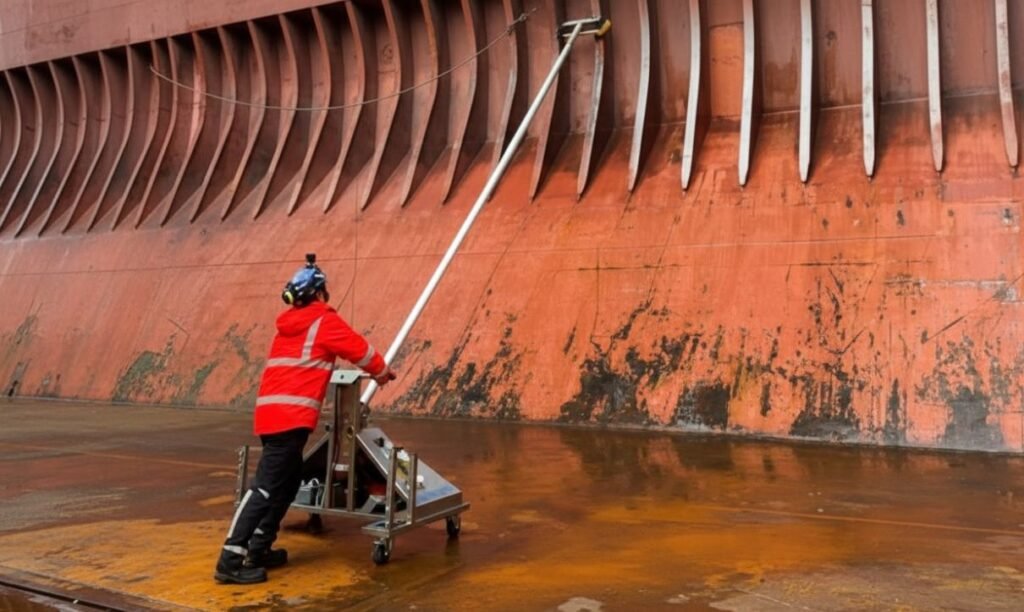
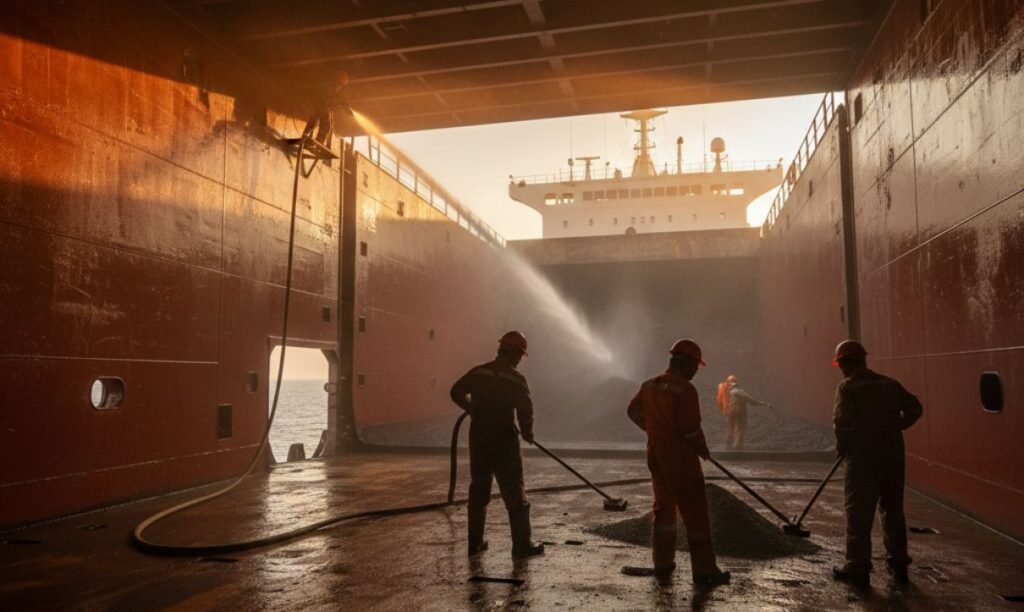
Tank cleaning removes oil residues, sludge, vapors, and wash water from cargo tanks. The objective is to prepare tanks safely for the next cargo without damaging coatings or violating environmental rules.
Think of it as resetting a refinery pipeline. Any leftover material affects everything that follows.
Regulatory Framework Governing Tank Cleaning
IMO Safety and Operational Baselines
The International Maritime Organization (IMO) sets global expectations for enclosed space entry, ventilation, and gas-free conditions. These principles guide how tanker tanks are accessed and cleaned safely.
MARPOL Convention and Pollution Prevention
The MARPOL Convention governs discharge of oily residues and wash water. In Singapore, strict enforcement means proper collection, segregation, and disposal are essential parts of the cleaning process.
IMCA Guidance on Safe Systems of Work
The International Marine Contractors Association (IMCA) provides practical frameworks for risk assessments, permits, and supervision. These are commonly applied when specialist cleaning teams are engaged.
IAPH and World Port Alignment
Through the International Association of Ports and Harbors (IAPH), Singapore aligns its port controls with other major world ports, ensuring consistency in inspection expectations.
Safety: The First Measure of Cleaning Quality
Tank cleaning exposes crews to toxic vapors, oxygen-deficient spaces, and high-pressure equipment. Safety failures stop operations immediately.
Professional cleaning programs emphasize:
- Pre-entry risk assessments
- Gas-free testing and monitoring
- Permit-to-work systems
- Emergency response readiness
When safety systems are strong, cleaning proceeds efficiently rather than cautiously slow.
Environmental Protection and Cost Efficiency
Environmental control is often seen as a regulatory burden. In practice, it reduces costs. Proper residue handling prevents fines, re-cleaning, and reputational damage.
Vessels that follow disciplined environmental procedures experience smoother inspections and fewer disputes with terminals and charterers.
Tank Cleaning Standards by Cargo Type
Crude Oil and Heavy Fuel Residues
Crude and heavy fuels leave stubborn sludge. Heating, controlled washing, and residue recovery are essential to protect coatings and ensure safe entry.
Product Tanker Changeovers
Switching between clean and dirty products requires precision. Incompatible residues can contaminate cargoes, leading to rejection. Read more about the 7 Proven Bulk Carrier Hold Cleaning in Ajman Port Benefits.
Interface with Chemical and Special Cargoes
Although chemical tank cleaning has its own standards, principles such as compatibility checks and documentation discipline apply equally to oil tankers.
Relationship Between Tank, Hold, and Bulk Carrier Cleaning
Tank cleaning focuses on liquids and vapors. Hold cleaning addresses dry residues and corrosion. Bulk carrier cleaning emphasizes cargo surface readiness.
Despite differences, all three rely on the same foundations: safety control, environmental compliance, and documented inspection readiness.
Inspection and Documentation Workflows
Cleaning without proof is incomplete. Singapore inspectors rely heavily on records.
Typical documentation includes:
- Pre-cleaning condition reports
- Cleaning method statements
- Oil and residue handling records
- Gas-free and final inspection certificates
Clear documentation reduces inspection time and builds confidence with surveyors.
A Real Port Scenario
An oil tanker discharges heavy fuel oil and prepares for clean product loading. Visual inspection looks acceptable, but vapor levels are uneven. Surveyors delay approval, forcing additional ventilation and testing.
A structured cleaning and monitoring plan would have identified the issue earlier, avoiding delay altogether.
Industry Practice and Integrated Compliance Models
Global operators such as Cleanship.co illustrate how tank cleaning fits into a broader compliance ecosystem. Their industry practice often integrates:
- Worldwide tank and hold cleaning operations
- Cargo supervision and compliance support
- Drug and alcohol testing services to reinforce crew safety
This approach treats cleaning as part of operational risk management, not an isolated service.
Why UAE Cleaning Standards Matter in Singapore
The UAE has set high benchmarks in tanker cleaning due to strict port controls and heavy traffic. Singapore mirrors this discipline. Operators familiar with UAE standards often adapt quickly, benefiting from procedural consistency across regions.
Future Trends in Oil Tanker Tank Cleaning
Automation and Monitoring Technology
Automated tank washing systems with performance logging provide objective proof of coverage and effectiveness.
Environmentally Safer Cleaning Methods
Low-water systems and biodegradable agents help meet tightening environmental expectations without compromising results.
Digital Compliance Records
Electronic logs and inspection reports speed up reviews by charterers and port authorities.
Speed Comes from Discipline, Not Risk
Fast turnaround is achieved through preparation. When procedures, safety systems, and documentation align, inspections become predictable rather than disruptive.
Conclusion
Oil tanker tank cleaning in Singapore is a critical determinant of safety, compliance, and commercial success. First, strict alignment with IMO, IMCA, MARPOL, and IAPH standards protects you from inspection delays. Second, strong safety and environmental controls reduce long-term costs and operational risk. Third, structured inspection and documentation workflows ensure predictable cargo acceptance.
For operators seeking consistent compliance across global ports, service providers such as Cleanship.co reflect established industry practice. Their integrated approach to cleaning, inspection, and crew safety supports reliable tanker operations and maritime service excellence.
FAQs:
Inspections are highly disciplined and aligned with international standards. Surveyors focus on cleanliness, vapor safety, and documentation. Vessels that prepare thoroughly usually pass quickly, while gaps in procedures often lead to delays.
Cleaning requirements depend on the previous and next cargo combination. Switching from dirty to clean products demands higher standards than similar cargo sequences.
Tank cleaning deals with liquid residues, vapors, and chemical compatibility. Hold cleaning focuses on dry cargo residues, corrosion, and surface cleanliness, requiring different equipment and safety controls.
Gas-free certificates, cleaning logs, residue disposal records, and final inspection reports are commonly reviewed. Clear documentation shortens inspections and builds trust with charterers and port authorities.
Specialists bring standardized procedures, trained personnel, and compliance expertise. This reduces operational risk, improves inspection outcomes, and helps vessels meet port and charterer expectations efficiently.1