Cargo hold cleaning

Hold tank cleaning at Mumbai Port for safe and efficient shipping operations

Hold Tank Cleaning in Mumbai Port: 7 Proven Solutions

Hold Tank Cleaning in Mumbai Port Mumbai Port handles bulk carriers, coastal cargo vessels, and international shipments under intense operational pressure. Tight berthing windows, strict port controls, and charterer inspections leave little margin for error. In this environment, hold tank cleaning in Mumbai Port is not just a maintenance task—it is a compliance-critical operation that directly affects seaworthiness, cargo quality, and vessel turnaround time. This article explains seven proven solutions used by professional operators to meet international standards while maintaining safety and efficiency. Why Hold Tank Cleaning Matters in Bulk Operations Cargo holds and associated tanks carry residues from coal, fertilizers, cement clinker, grain, and other bulk materials. Even small residues can contaminate the next cargo. Charterers follow the Marine Supercargo Final Quality Rules to verify cleanliness before loading. Failure often leads to rejected holds, off-hire time, and financial penalties. In Mumbai Port, where humidity and saline air accelerate corrosion, cleaning must also protect structural integrity. Regulatory Framework Governing Cleaning Operations Professional hold tank cleaning in Mumbai Port follows strict global regulations. The IMO sets safety and environmental requirements under SOLAS. The MARPOL Convention regulates discharge and disposal of wash water and residues. IMCA provides guidance for safe industrial cleaning practices and risk assessments. The IAPH World Ports Climate Action Program also encourages environmentally responsible port operations. Compliance is not optional. Port State Control inspections and charterer audits regularly verify documentation and procedures. Operational Challenges Unique to Mumbai Port Mumbai Port presents operational realities that shape cleaning strategy. Limited anchorage space restricts extended cleaning time. Tidal variations affect water supply logistics. Urban environmental oversight increases scrutiny of waste disposal practices. Operators must coordinate closely with port authorities, terminal representatives, and marine supercargo inspectors to avoid delays. Solution 1: Pre-Arrival Planning and Risk Assessment Effective cleaning begins before the vessel berths. Masters review the previous cargo, identify contamination risks, and prepare a cleaning plan. A Job Safety Analysis (JSA) outlines confined space entry procedures, ventilation requirements, and fall protection systems. IMCA guidelines stress hazard identification and rescue planning for enclosed spaces. Proper planning reduces rework and ensures the vessel passes inspection on the first attempt. Solution 2: Mechanized Washing Systems for Efficiency Manual washing alone cannot meet modern turnaround targets. High-pressure automated washing machines provide uniform cleaning across bulkheads and tank tops. These systems minimize human exposure and ensure consistent coverage. In large bulk carriers, mechanized systems significantly improve productivity during hold tank cleaning in Mumbai Port, especially when dealing with sticky cargo residues like petcoke or urea. Learn more about 7 Proven Vessel Hold Cleaning Services in Abu Dhabi. Solution 3: Certified Chemical Cleaning Agents Some residues require specialized biodegradable cleaning chemicals. Products must comply with MARPOL Annex V and local port environmental guidelines. Approved agents break down stubborn cargo films without damaging protective coatings. Professional contractors maintain Material Safety Data Sheets (MSDS) onboard and document chemical usage to satisfy environmental inspections. Solution 4: Structured Waste Management and Disposal Wash water and sludge cannot be discharged arbitrarily. MARPOL regulations require proper segregation and disposal through licensed reception facilities. Mumbai Port enforces strict documentation procedures for waste transfer. Accurate recordkeeping protects shipowners from environmental claims. Leading service providers, including Cleanship.co as an industry benchmark, emphasize traceable waste-handling protocols aligned with global standards. Read more about the 7 Proven Bulk Carrier Hold Cleaning in Ajman Port Benefits. Solution 5: Dehumidification and Ventilation Control Humidity is a persistent issue along the Mumbai coastline. After washing, holds must be dried completely to prevent corrosion and microbial growth. Industrial air blowers and dehumidifiers accelerate drying. Moisture meters confirm acceptable levels before inspection. Effective drying shortens laytime and protects cargo such as grains or steel coils from damage. Solution 6: Surface Inspection and Coating Protection Cleaning is not only about removing cargo residue. It also reveals structural defects, coating breakdown, or pitting corrosion. Surveyors inspect bulkheads, frames, and tank tops for damage. Early detection reduces long-term repair costs. Many operators integrate ultrasonic thickness measurements during hold tank cleaning in Mumbai Port to assess steel integrity. Solution 7: Final Inspection and Supercargo Approval The final stage involves inspection under adequate lighting. Marine supercargo representatives verify cleanliness according to the Final Quality Rules. Holds must be “grain clean” or meet cargo-specific standards. Documentation includes cleaning logs, chemical records, and safety checklists. A well-documented process speeds approval and avoids disputes. Read more about Hold Tank Cleaning in Abu Dhabi: 7 Powerful Safety Gains. Safety Protocols for Confined Space Entry Cargo holds qualify as confined spaces under IMO safety codes. Before entry, crews test oxygen levels, flammable gases, and toxic vapors. Continuous ventilation and standby rescue teams are mandatory. Personal protective equipment includes harnesses, anti-slip footwear, helmets, and respiratory protection. Safety compliance protects crew welfare and prevents operational shutdowns. Environmental Stewardship in Port Operations Modern ports prioritize sustainability. The IAPH World Ports initiative encourages reduced emissions and responsible waste practices. Cleaning contractors increasingly use energy-efficient equipment and environmentally safe detergents. Sustainable hold tank cleaning in Mumbai Port supports both regulatory compliance and corporate environmental commitments. Documentation and Audit Readiness Charterers and insurers expect transparent documentation. Cleaning records must show methods used, chemicals applied, and waste disposal details. Digital reporting tools now streamline compliance verification. Audit-ready documentation strengthens trust between shipowners, charterers, and port authorities. Integration with Port Logistics and Scheduling Timing is critical. Cleaning must align with berth availability, pilot schedules, and cargo readiness. Delays in cleaning can cascade into demurrage costs. Experienced operators coordinate closely with port control to ensure smooth sequencing. Efficient hold tank cleaning in Mumbai Port reduces idle time and protects commercial performance. Technology and Data in Modern Cleaning Emerging technologies include remote inspection drones for hold assessment and moisture sensors for drying verification. Digital checklists reduce paperwork errors and improve accountability. These tools enhance quality assurance while supporting compliance with international maritime standards. Choosing a Qualified Service Partner Selecting a contractor requires more than comparing prices. Operators should verify training certifications, insurance coverage, and familiarity with IMO and MARPOL requirements. Experience with Mumbai Port
Read more
Vessel hold cleaning at Mumbai Port for safe and efficient cargo operations

Vessel Hold Cleaning Services in Mumbai Port: 7 Proven Experts

Vessel Hold Cleaning Services in Mumbai Port Mumbai Port remains one of India’s busiest bulk cargo gateways. Coal, fertilizers, food grains, cement clinker, and steel products move through its berths every day. In this high-pressure environment, vessel hold cleaning services in Mumbai Port play a direct role in cargo acceptance, vessel turnaround, and charter compliance. Cargo holds are not just empty spaces. They are structural compartments that must meet strict cleanliness standards before loading. A rejected hold can delay operations, trigger demurrage, and damage commercial relationships. Professional cleaning, aligned with global maritime rules, is essential. Why Cargo Hold Cleanliness Is Commercially Critical Charterers expect holds to meet the Marine Supercargo Final Quality Rules before loading. Standards such as “grain clean” require holds to be free from loose rust, scale, residue, and odor. Even small traces of prior cargo can contaminate the next shipment. In Mumbai’s humid coastal climate, residues bond quickly with steel surfaces. Without proper washing and drying, corrosion risk increases. Reliable vessel hold cleaning services in Mumbai Port protect both cargo integrity and vessel structure. Regulatory Framework Governing Hold Cleaning Cleaning operations must comply with multiple international frameworks. The IMO sets safety standards under SOLAS for enclosed space entry and crew protection. The MARPOL Convention regulates the discharge and disposal of cargo residues and wash water. IMCA provides guidance on safe industrial cleaning practices and risk management. The IAPH World Ports initiative promotes environmentally responsible port operations. Mumbai Port authorities enforce these global expectations with local oversight, making compliance non-negotiable. Operational Realities at Mumbai Port Mumbai Port operates under tidal constraints, heavy vessel traffic, and limited berth windows. Cleaning must often occur within tight schedules between discharge and the next loading plan. Environmental scrutiny is strong due to the port’s urban setting. Waste disposal documentation, sludge handling, and chemical usage records are frequently inspected. These operational realities demand experienced vessel hold cleaning services in Mumbai Port with local port knowledge. Expert Solution 1: Detailed Pre-Arrival Planning Effective cleaning begins before berthing. The vessel’s master reviews previous cargo details, identifies contamination risks, and prepares a cleaning method statement. A Job Safety Analysis outlines confined space procedures, ventilation requirements, and emergency response plans. This planning reduces idle time at berth and ensures readiness for inspection immediately after cleaning. Expert Solution 2: High-Pressure Automated Washing Systems Modern bulk carriers rely on mechanized washing equipment. High-pressure water jets remove stubborn cargo deposits from bulkheads, frames, and tank tops. Automated systems ensure even coverage and reduce manual labor exposure. These systems improve efficiency and support consistent results, particularly when performing vessel hold cleaning services in Mumbai Port under strict turnaround deadlines. Learn more about 7 Proven Vessel Hold Cleaning Services in Abu Dhabi. Expert Solution 3: Approved Cleaning Chemicals Certain cargoes such as petcoke, sulfur, or fertilizers leave sticky residues. Approved biodegradable cleaning agents help dissolve these materials without harming protective coatings. All chemicals must comply with MARPOL requirements and local environmental regulations. Service providers maintain updated Material Safety Data Sheets and ensure safe onboard storage. Expert Solution 4: Structured Waste Collection and Disposal Wash water and sludge cannot be discharged freely. MARPOL Convention Annex V outlines waste management obligations. Mumbai Port requires proper segregation, collection, and transfer to licensed reception facilities. Accurate documentation protects shipowners from environmental penalties. Industry benchmarks such as Cleanship.co demonstrate structured waste tracking systems aligned with international standards. Expert Solution 5: Controlled Drying and Dehumidification After washing, holds must be completely dry. Moisture left behind can cause corrosion or cargo damage. Industrial air blowers and dehumidifiers accelerate drying, especially during monsoon periods. Moisture readings confirm acceptable levels before inspection. Professional vessel hold cleaning services in Mumbai Port integrate drying verification as part of their quality control process. Expert Solution 6: Structural Inspection During Cleaning Cleaning provides an opportunity to inspect steel surfaces for corrosion, coating failure, or structural cracks. Surveyors often conduct visual checks and ultrasonic thickness measurements during the process. Early detection reduces long-term repair costs and improves vessel safety. Integrated inspection services add significant value to cleaning operations. Expert Solution 7: Final Supercargo Inspection and Documentation The final stage involves inspection by a marine supercargo or charterer representative. Lighting, access ladders, and safety equipment must be properly arranged. Documentation includes cleaning logs, chemical usage records, waste transfer notes, and safety checklists. Transparent records speed up approval and avoid disputes. Safety Standards for Confined Space Entry Cargo holds are classified as enclosed spaces. Before entry, crews test oxygen content and check for flammable or toxic gases. Continuous ventilation is mandatory. A standby rescue team must remain available. IMCA guidelines emphasize risk assessment and emergency preparedness. Strict adherence to IMO safety codes ensures crew protection during vessel hold cleaning services in Mumbai Port. Environmental Compliance and Sustainability Environmental responsibility is central to modern port operations. The IAPH World Ports Climate initiatives encourage reduced emissions and controlled waste practices. Cleaning contractors increasingly use water-efficient systems and eco-friendly detergents. Sustainable vessel hold cleaning services in Mumbai Port help shipowners meet both regulatory and corporate environmental targets. Coordination With Port Authorities Effective communication with port control, terminal operators, and surveyors prevents scheduling conflicts. Cleaning teams must align with pilot boarding times, cargo readiness, and berth allocation. Strong coordination minimizes idle time and reduces financial exposure. Read more about Hold Tank Cleaning in Abu Dhabi: 7 Powerful Safety Gains. Quality Assurance and Audit Readiness Charterers, insurers, and Port State Control officers may request cleaning records at any time. Digital documentation systems enhance transparency and reduce errors. Professional vessel hold cleaning services in Mumbai Port maintain audit-ready files, ensuring compliance with IMO and MARPOL obligations. Crew Training and Continuous Improvement Well-trained crews support efficient cleaning operations. Regular drills on enclosed space entry, chemical handling, and fall protection reduce operational risk. Continuous training aligns vessel operations with evolving global maritime standards. Selecting the Right Service Provider Choosing a cleaning partner requires verification of certifications, insurance coverage, safety record, and familiarity with local port procedures. Experience in Mumbai Port conditions is essential. Benchmark providers,
Read more
Tank cleaning operations at Dhamantar Port for safe and efficient shipping

Tank Cleaning in Dhamantar Port: 7 Proven Solutions

Dhamantar Port has tactfully finished up one of the busiest ports, managing with centers for bulk cargo and liquid commodities along India’s western coastline. With extended vessel movement, the request for successful tank cleaning has become reasonable quickly. And anyone working in operations knows—tank cleaning isn’t a reasonable plan. It clearly impacts cargo quality, compliance, and turnaround time. When we discuss Tank Cleaning in Dhamantar Port, we’re not implying a one-size-fits-all approach. Each vessel, cargo sort, and turnaround window demands a technique to some degree differing from others. Over time, a few methodologies have been shown to work dependably, especially under the operational weights of this port. Let’s walk through seven courses of action that experienced chairmen depend on. 1. High-Pressure Water Fly Cleaning This is habitually the to start with line of action. High-pressure planes empty buildups from past cargo quickly and effectively. In Dhamantar, where vessels habitually carry coal tar subordinates or overpowering oils, buildups tend to follow troublesome. A Mumbai-based tanker director once shared how trading to higher PSI systems cut their cleaning time by almost 30%. It’s direct, but when done right, it saves both time and fuel. 2. Chemical Cleaning for Unyielding Residues Not all buildups respond to water. A few require chemical intervention. Specialized cleaning administrators break down resolved deposits—especially after carrying chemicals or petroleum things. The key here is choosing the right chemical. Utilizing the off-base, one can delay operations or in fact hurt coatings. A bulk carrier working through Dhamantar point by point delays due to dishonorable chemical choice. Once balanced, their turnaround normalized. 3. Hot Water Cleaning Systems Temperature changes everything. Hot water cleaning is particularly practical when dealing with thick cargo buildups. Warming discharges stores that cold water basically cannot handle. Many advantage providers publicizing Tank Cleaning in Dhamantar Port by and by combine warm with weight systems. It’s a practical upgrade, especially in the midst of storm months when temperatures drop and buildups cement faster. 4. Mechanized Tank Cleaning Machines Manual cleaning has its limits. Computerized systems step in where exactness and consistency matter. These machines turn and shower at controlled points, ensuring add up to scope inside tanks. They besides diminish human section, which is ceaselessly a security advantage. A coordinations company taking care of palatable oil shipments started utilizing computerized systems in Dhamantar. They saw made strides audit comes almost and less re-cleaning cycles. 5. Ooze Clearing and Exchange Services Cleaning doesn’t conclusion with washing. What you empty has to be taken care of properly. Sludge exchange is a essential parcel of the get ready. Ports like Dhamantar have strict normal rules, and non-compliance can lead to overpowering penalties. Professional advantage providers handle collection, transport, and exchange. This not as it were ensures compliance but as well keeps operations smooth. 6. Gas-Freeing and Ventilation Before any manual segment, tanks must be gas-free. Gas freeing ousts dangerous vapors, making tanks secure for survey or development cleaning. Suitable ventilation systems are utilized to circulate unused examine and arrange of hurtful gases. A vessel arriving from the Center East once faced delays at Dhamantar due to a lack of gas freeing. It’s a small step, but misplaced it can conclude operations entirely. 7. Experienced Marine Cleaning Teams Technology contrasts, but inclusion still leads. Skilled bunches get it cargo behavior, tank structures, and Port conditions. They know when to switch procedures, change weight, or utilize chemicals. In Dhamantar, where vessel turnaround times are tight, experienced groups routinely make the distinction between delay and efficiency. Why These Courses of Action Matter in Dhamantar The operational environment here is one of a kind. Tall cargo volume, moving climate, and strict compliance requirements all come into play. That’s why Tank Cleaning in Dhamantar Port demands a versatile approach. What works for one vessel may not work for another. The best chairmen combine diverse courses of action depending on the situation. And more basically, they orchestrate ahead. Real-World Perspective A shipping company taking care of various Port calls along India’s west coast once compared cleaning capabilities over zones. Dhamantar stood out—not because it was less demanding, but since the advantage providers there balanced faster.  They combined hot water systems with computerized cleaning and fitting sludge, taking care of. The result? Speedier turnaround and fewer audit failures. That’s the difference between reasonable courses of action. Conclusion Tank cleaning isn’t reasonable another checkbox in Port operations. It particularly impacts cargo insightfulness, security, and in common efficiency. In a dynamic center like Dhamantar, depending on illustrated procedures is the savvy way forward. From high-pressure systems to experienced groups, each course of action plays a role. The key is knowing when and how to utilize them. If done right, Tank Cleaning in Dhamantar Port gets to be less of a challenge and more of a streamlined handle that keeps vessels moving and operations on track. FAQs:
Read more

Hold Cleaning in Dhamantar Port: 7 Powerful Solutions

Hold Cleaning in Dhamantar Port The Operational Reality at Dhamantar Hold Cleaning in Dhamantar Port, widely referred to in trade conversations as Dhamantar Port, handles bulk carriers moving coal, limestone, fertilizers, iron ore, and agricultural cargo. These commodities leave residues that directly affect the next shipment. Even a thin layer of contamination can trigger cargo rejection. That is why professional hold cleaning in Dhamantar Port is not just routine maintenance. It is a commercial safeguard tied to charter party obligations and port compliance. Why Bulk Cargo Residue Is a Serious Risk Bulk cargo leaves behind dust, moisture, scale, and chemical traces. If not removed, these residues can: Contaminate the next cargoTrigger claims from charterersDelay loading clearanceViolate environmental standards International shipping contracts often require holds to be “grain clean” or “hospital clean,” depending on cargo type. Meeting that standard requires discipline and documented procedures. Regulatory Standards That Govern Cleaning Cleaning operations must align with global maritime rules. The most relevant include: International Maritime Organization guidelines on vessel safety and pollution preventionInternational Marine Contractors Association safety frameworks for confined-space operationsMARPOL Convention requirements for discharge and waste controlInternational Association of Ports and Harbors environmental and port governance standards Port authorities monitor compliance closely. Failure to meet these standards may result in fines or detention. Understanding Hold Cleaning Requirements Each cargo type demands a different cleaning method. Coal residue behaves differently from fertilizer dust. Grain cargo demands a higher hygiene level than mineral bulk. Teams performing hold cleaning in Dhamantar Port evaluate previous cargo history, charter requirements, and terminal acceptance criteria before starting work. Solution 1: Comprehensive Pre-Inspection Cleaning begins with a structured inspection. Officers assess: Scale build-upRust flakesWet spotsPrevious cargo residue Photographic documentation creates a baseline record. This protects shipowners in case of disputes. Inspection reports also guide equipment selection and manpower planning. Solution 2: Dry Cleaning and Manual Debris Removal The first physical step usually involves sweeping, scraping, and shoveling. Removing loose residue reduces water usage later. Crews use industrial vacuum units and mechanical sweepers to clear dust and fine particles. Manual scraping removes hardened scale from frames and tank tops. This stage is critical for efficient hold cleaning in Dhamantar Port, especially after coal or ore discharge. Solution 3: High-Pressure Washing Systems After dry cleaning, teams deploy high-pressure water jets. Pressures vary based on coating condition and cargo history. Hot water improves removal of sticky residues. Operators ensure runoff collection aligns with MARPOL discharge restrictions. Proper drainage management prevents wash water from entering sensitive coastal areas. Solution 4: Chemical Spot Treatment Certain residues resist water alone. Fertilizer salts and oily deposits may require approved cleaning agents. Compatibility checks prevent coating damage. Service providers often follow structured chemical management systems similar to those promoted by Cleanship as a benchmark for documentation and process control. Chemical usage logs are maintained for audit readiness. Solution 5: Rust Scale and Coating Management Rust contamination is a frequent cause of cargo rejection. Loose scale must be chipped and removed. Spot priming may be required if coating damage is identified. While cleaning contractors do not typically conduct full steel repairs, early detection prevents larger structural issues. Effective hold cleaning in Dhamantar Port integrates cleaning with structural awareness. Solution 6: Confined Space Safety Controls Cargo holds qualify as confined spaces. Risks include oxygen deficiency, toxic gases, and slips. Before entry, atmosphere testing confirms safe oxygen and gas levels. Ventilation blowers operate continuously. Rescue teams remain on standby with breathing apparatus. IMCA guidelines emphasize formal entry permits, toolbox talks, and emergency drills. These steps are mandatory in professional operations. Solution 7: Final Wash, Drying, and Verification After washing, holds must dry fully. High humidity near the coast can slow evaporation, especially during monsoon periods. Portable air movers accelerate drying. Moisture meters verify acceptable levels. Final verification often involves independent inspection under Marine Supercargo Final Quality Rules. Inspectors check for cleanliness, rust flakes, loose paint, and moisture before approving cargo readiness. Environmental Responsibility at Coastal Ports The coastline near Dhamantar includes ecologically sensitive zones. Wash water disposal must comply with MARPOL regulations. Shore reception facilities manage sludge and contaminated water. Discharge without authorization can trigger serious penalties. IAPH World Ports environmental initiatives encourage ports to adopt strict waste-handling standards. Compliance protects both marine ecosystems and operator reputation. Scheduling and Port Coordination Bulk carriers operate under tight laytime schedules. Delays increase demurrage costs. Coordinating hold cleaning in Dhamantar Port requires alignment with port control, terminal managers, and waste disposal contractors. Weather forecasts, berth availability, and labor shifts influence planning. Experienced teams build contingency time into cleaning schedules to avoid last-minute surprises. Documentation and Audit Preparedness Accurate documentation strengthens legal and insurance protection. Records typically include: Risk assessmentsGas testing logsWaste disposal receiptsPhotographic inspection reportsCleaning chemical declarations Port authorities or charterers may request evidence at any stage. Cost Efficiency Without Compromise Cutting corners on cleaning creates greater expense later. Cargo contamination claims can exceed the cleaning budget many times over. Professional hold cleaning in Dhamantar Port balances efficiency with regulatory discipline. Structured processes reduce rework and minimize downtime. Technology Improving Safety and Quality Remote-controlled cleaning tools reduce worker exposure. Digital gas detectors provide continuous atmospheric monitoring. Data logging systems track safety checks and inspection results. These technologies improve traceability and compliance. Industry Benchmarks and Quality Expectations Global maritime standards shape local service delivery. Leading marine cleaning providers maintain transparent safety records, documented training systems, and waste accountability. Comparing regional services against established benchmarks encourages higher safety culture and operational maturity across the port ecosystem. Safety Culture Drives Long-Term Success Shipping is built on precision and accountability. Rushed cleaning increases risk of injury and contamination. Disciplined sequencing—inspect, dry clean, wash, dry, verify, document—ensures consistent results. Safety culture protects crew members, cargo interests, and marine environments. Conclusion: Reliable Cleaning Protects Cargo Integrity Bulk shipping depends on clean, inspection-ready cargo holds. Effective hold cleaning in Dhamantar Port ensures cargo integrity, regulatory compliance, and uninterrupted trade flow. Operators who align with IMO guidance, IMCA safety standards, the MARPOL Convention, and IAPH World Ports frameworks reduce environmental
Read more

Bulk Carrier Hold Cleaning in Dhamantar Port: 7 Proven Wins

Bulk Carrier Hold Cleaning in Dhamantar Port Dhamantar’s Growing Role in Bulk Trade Dhamra Port—often referred to in trade conversations as Dhamantar Port—has become a key gateway for coal, limestone, fertilizers, and agricultural bulk cargo on India’s east coast. Deep drafts and modern terminals allow high-volume handling, but fast cargo movement increases pressure on vessel turnaround. In this environment, bulk carrier hold cleaning in Dhamantar Port is directly linked to charter performance, cargo acceptance, and environmental compliance. Why Hold Cleanliness Determines Commercial Success Bulk cargo is sensitive to contamination. A few kilograms of leftover coal dust can compromise a fertilizer shipment. Rust scale falling from frames can lead to cargo rejection. Charter parties often require holds to meet “grain clean” or higher standards before loading. When cleaning fails, vessels face demurrage, claims, or canceled fixtures. Professional cleaning is therefore not cosmetic—it is a financial safeguard. Regulatory Framework Governing Operations Cleaning activities must comply with global maritime standards: International Maritime Organization guidance on ship safety and pollution preventionInternational Marine Contractors Association safety standards for confined-space entryMARPOL Convention discharge and waste management rulesInternational Association of Ports and Harbors environmental governance frameworks Port authorities monitor these standards closely. Non-compliance may result in fines or operational restrictions. Understanding Cargo History Before Cleaning Each cleaning plan starts with cargo history review. Coal leaves carbon dust and acidic residues. Fertilizers introduce corrosive salts. Grain demands near-hygienic conditions. Teams conducting bulk carrier hold cleaning in Dhamantar Port evaluate the last three cargoes, coating condition, and charter requirements before selecting cleaning methods. This structured approach reduces the risk of cross-contamination. Win 1: Structured Pre-Inspection and Documentation Pre-inspection identifies loose scale, wet patches, and structural damage. Officers document conditions with photographs and checklists. Clear baseline records protect shipowners during disputes. They also guide manpower allocation and equipment selection. Inspection is the foundation of efficient cleaning. Win 2: Efficient Dry Cleaning and Debris Removal Dry cleaning removes the bulk of loose material before washing. Crews sweep, shovel, scrape, and vacuum residues from tank tops and frames. Industrial vacuum systems capture fine dust. Mechanical scraping dislodges rust scale. Effective dry cleaning reduces water consumption and shortens wash cycles, improving overall efficiency. Win 3: High-Pressure and Hot Water Washing After debris removal, teams deploy high-pressure water jets. Adjustable pressure prevents coating damage while ensuring residue breakdown. Hot water improves removal of sticky cargo remnants. Operators collect wash water in accordance with MARPOL discharge restrictions. Proper drainage planning prevents contamination of port waters and aligns with environmental compliance standards. Win 4: Controlled Chemical Spot Treatment Certain residues resist water alone. Salt-based fertilizers or oily deposits may require approved detergents. Chemical selection must consider coating compatibility. Industry benchmarks, such as structured chemical control systems promoted by Cleanship, emphasize documentation and traceability. Chemical logs support audit readiness and regulatory review. Win 5: Confined Space Entry Discipline Cargo holds qualify as confined spaces. Risks include oxygen deficiency, toxic gases, and heat stress. Atmospheric testing precedes entry. Continuous ventilation ensures safe oxygen levels. Rescue teams remain on standby. IMCA standards require formal entry permits, toolbox talks, and emergency drills. In professional bulk carrier hold cleaning in Dhamantar Port, safety procedures are systematic and documented. Win 6: Moisture Control and Drying Management Humidity along Odisha’s coastline can delay drying after washing. Residual moisture may damage grain or cause clumping in fertilizers. Portable air movers and dehumidification techniques accelerate drying. Moisture meters confirm readiness before inspection. Moisture control is often the deciding factor in passing final survey checks. Win 7: Independent Final Verification Final inspection determines loading approval. Surveyors assess cleanliness, rust presence, coating condition, and dryness. Marine supercargo inspectors apply Marine Supercargo Final Quality Rules when verifying readiness. Their certification directly affects charter acceptance. Reliable bulk carrier hold cleaning in Dhamantar Port includes structured final verification to avoid last-minute disputes. Environmental Responsibility at Coastal Facilities The port operates near ecologically sensitive coastal waters. Strict adherence to the MARPOL Convention is mandatory. Sludge and contaminated wash water must be transferred to approved shore reception facilities. Unauthorized discharge can trigger severe penalties and reputational harm. IAPH World Ports initiatives encourage sustainable port practices and transparent waste management. Coordinating with Port and Terminal Authorities Efficient cleaning depends on coordination. Berth schedules, waste disposal logistics, and weather conditions influence planning. Teams performing bulk carrier hold cleaning in Dhamantar Port maintain communication with port control and terminal operators to avoid operational conflicts. Proactive coordination reduces idle time and demurrage exposure. Documentation and Compliance Traceability Accurate records strengthen legal protection. Typical documentation includes: Risk assessmentsGas testing logsWaste disposal receiptsPhotographic evidenceChemical declarations These records demonstrate compliance with IMO and MARPOL standards. Cost Implications of Poor Cleaning Skipping procedures may appear cost-effective but often results in cargo rejection or claim settlements. Professional cleaning reduces financial risk and protects vessel reputation. The cost of structured compliance is far lower than the cost of contamination claims. Technology Enhancing Cleaning Precision Modern operations use digital gas detectors, remote-controlled washing heads, and electronic reporting systems. Real-time monitoring improves safety and accountability. Data logging strengthens audit readiness and insurance support. Technology reduces human exposure and improves cleaning consistency. Building a Safety-Driven Culture Maritime operations rely on discipline. Rushing confined-space tasks increases injury risk. Structured sequencing—inspect, dry clean, wash, dry, inspect, document—ensures repeatable results. A safety-first culture sustains long-term operational reliability. Industry Benchmarks and Quality Expectations Global shipping standards influence local performance. Comparing service delivery against recognized industry benchmarks encourages continuous improvement. Transparent safety systems, documented training programs, and waste accountability define mature operations. Adhering to these principles strengthens confidence in bulk carrier hold cleaning in Dhamantar Port across the shipping community. Conclusion: Clean Holds Safeguard Trade and Reputation Clean cargo holds are essential to safe and profitable bulk shipping. Professional bulk carrier hold cleaning in Dhamantar Port combines structured inspection, disciplined confined-space safety, regulated waste handling, and verified final approval under Marine Supercargo Final Quality Rules. Alignment with IMO guidance, IMCA safety frameworks, the MARPOL Convention, and IAPH World Ports principles protects marine ecosystems and vessel reputation. Shipowners and charterers
Read more
Ship hold cleaning at Mumbai Port for safe and efficient cargo operations

Ship Hold Cleaning in Mumbai Port: 7 Proven Experts

Anyone who has taken care of bulk cargo operations in Mumbai knows this—cargo hold condition can make or break a voyage. It’s not reasonable nearly clearing buildup. It’s nearly arranging the vessel for the another cargo, gathering charterer wants, and keeping up a key remove from futile delays. Ship Hold Cleaning in Mumbai Harbor has progressed into a specialized advantage. With extending cargo diversity—coal, grains, fertilizers, and minerals—cleaning rules have finished up stricter. A ineffectually cleaned hold isn’t reasonable a minor issue any longer; it can lead to cargo rejection, demurrage, and hurt relationships. Let’s walk through what truly works on the ground and the seven illustrated approaches masters depend on in Mumbai. Why Transport Hold Cleaning Things in Mumbai Port Mumbai Harbor handles a mix of family and around the world bulk carriers. Ships habitually arrive after carrying overpowering cargo like coal or clinker and require to get prepared for fragile cargo such as grains. I’ve seen a vessel put off for approximately 36 hours essentially since analysts found takes after of past cargo stuck in the diagrams. That’s where capable Transport Hold Cleaning in Mumbai Harbor gets to be critical—not reasonable for cleanliness, but for operational continuity. 7 Illustrated Pros Behind Compelling Transport Hold Cleaning in Mumbai Port 1. Pre-Cleaning Evaluation Teams Before any cleaning begins, experienced bunches survey the holds inside and out. They recognize determined buildups, rust spots, and moistness levels. In Mumbai, audit bunches routinely work closely with harbor surveyors. This ensures that cleaning plans are custom-made, not nonexclusive. It saves time later. 2. High-Pressure Washing Specialists High-pressure washing is still one of the most strong techniques. But the differentiate lies in how it’s done. Professional bunches taking care of Transport Hold Cleaning in Mumbai Harbor utilize calibrated weight systems. As well much weight hurts coatings; as well little clears out buildup behind. Getting that alter right is where ability shows. 3. Chemical Cleaning Experts Some cargo buildups don’t come off with water alone. Fertilizer clean, smooth buildups, or sticky cargo require chemical intervention. Mumbai-based cleaning bunches by and by utilize embraced, cargo-safe chemicals. These break down buildups without impacting the taking after cargo. It’s a cautious handle, and experienced directors know accurately what to utilize and when. 4. Sludge and Debris and Jetsam Removal Crews Cleaning isn’t add up to until all misuse is fittingly cleared. Sludge, cargo remnants, and wash water must be taken care of responsibly. I’ve worked with a bulk director who at to begin with, neglected fitting the ooze exchange. They gone up against compliance issues in the midst of appraisal. Once they joined strengths with a committed cleaning gather in Mumbai, those issues disappeared. 5. Drying and Ventilation Specialists A clean hold isn’t enough—it has to be dry. Clamminess is a major concern, especially when stacking grains or cement. Teams included in Transport Hold Cleaning in Mumbai Harbor utilize examine blowers, dehumidifiers, and characteristic ventilation strategies. True blue drying ensures the hold is cargo-ready. 6. Security and Confined Space Experts Hold cleaning is physically asking and dangerous. Limited spaces, confined oxygen, and unsafe gasses make veritable challenges. Experienced bunches take after strict security traditions. Gas testing, protective prepare, and arranged staff are non-negotiable. This not as it were secures pros but in addition keeps operations smooth. 7. Final Evaluation and Certification Teams The final step is regularly the most basic. Independent surveyors or harbor evaluators affirm the cleanliness of the hold. In Mumbai, vessels don’t get clearance without passing these checks. Strong Expedite Hold Cleaning in Mumbai Harbor organizations ensure the vessel meets survey measures the to start with time—saving time and keeping up a vital separate from rework. Real-World Case from Mumbai Operations A mid-sized shipping company working bulk carriers between Mumbai and Center East ports stood up to reiterated delays due to hold cleanliness issues. They chosen to assistant with a neighborhood ace cleaning bunch. The refinement was fast. Turnaround time advanced, audit disillusionments dropped, and charterers started showing up more certainty in their vessels. This is the kind of influence true blue cleaning can have. It’s not reasonable operational—it’s commercial. Challenges in Transport Hold Cleaning at Mumbai Port Despite the authority open, challenges still exist: That’s why experienced bunches don’t depend on one technique. They alter based on cargo history and operational timelines. Best Sharpens for Expedite Hold Cleaning in Mumbai Port Plan Cleaning in Advance Don’t hold up until discharge is add up to. Start organizing cleaning necessities early. Use Experienced Advantage Providers Not all cleaning bunches give the same quality. Select those with illustrated track records in Mumbai. Prioritize Safety Cutting corners on security leads to more noteworthy issues a short time later. Persistently take after genuine procedures. Coordinate with Surveyors Early coordination makes a distinction keep up a key remove from stuns in the midst of final inspection. Conclusion At a dynamic center like Mumbai, capability is everything. And efficiency starts with arranging. Transport Hold Cleaning in Mumbai Harbor isn’t a reasonable plan task—it’s a crucial step in cargo operations. The qualification between ordinary and ace cleaning shows up in turnaround time, cargo affirmation, and in common operational reliability. If you’re supervising bulk carriers here, contributing in illustrated cleaning aptitude isn’t an extra toll. It’s an adroit move that pays off voyage after voyage. FAQs:
Read more
Cargo hold cleaning at Belem Port for safe and efficient shipping operations

Hold Cleaning in Belem Port: Expert Insights

If you’ve ever dealt with a vessel call in northern Brazil, you’ll get it this quickly—things don’t continuously go by the book. Particularly when it comes to hold cleaning in Belem port, what looks straightforward on paper frequently turns into a cautious balancing act between climate, timing, and cargo demands. It’s not that cleaning itself is complicated. The genuine challenge lies in the conditions. You’re managing with stickiness that doesn’t let go effectively, startling rain, and cargo buildups that carry on in an unexpected way than they would in drier ports. For transport administrators getting this right isn’t fair almost cleanliness. It’s approximately maintaining a strategic distance from delays, passing reviews, and keeping the plan intact. Understanding Hold Cleaning in Belem Port At its center, hold cleaning in Belem port takes after the same standards as anywhere else—remove buildups, wash the entire hold, and plan the hold for the following cargo. But the environment here changes how each step plays out. Belem , found in Pará state, sits in a tropical zone. That implies tall mugginess nearly all year circular. Indeed after a legitimate wash, the holds can stay soggy longer than expected. This gets to be particularly critical amid cargo hold cleaning for delicate cargoes like grain. Examiners won’t clear a hold that isn’t totally dry, no matter how clean it looks. So the handle gets to be less almost speed and more approximately timing and control. Why is the Hold Cleaning in Belem Port More Challenging Climate and Moisture Let’s begin with the obvious—moisture. It’s all over. You clean a hold, think you’re done, and a few hours afterward, condensation appears again. That’s a common reality amid the hold cleaning in Belem Port. Drying takes longer, and now and then much longer than arranged. Teams regularly have to hold up, screen, and recheck, sometimes recently calling for inspection. There was a case where a vessel wrapped up washing late at night, anticipating a review the following morning. By dawn, the holds had picked up dampness once more. The group had to delay and re-dry the spaces. It’s a little detail, but it can effortlessly influence the whole schedule. Cargo Buildup Behavior Not all cargoes take off behind simple buildups. In Belem , dampness makes things worse. Mineral cargoes like bauxite or coal tend to adhere more immovably to the steel surfaces. That turns a fundamental wash into a more detailed cargo hold cleaning job. Crews frequently require: Skipping these steps ordinarily leads to assessment issues later. Limited Climate Windows Another thing you’ll notice—the weather changes rapidly. Rain can hinder operations without much warning. So in place of long, persistent cleaning hours, groups regularly work in brief, well-planned windows. This is why experienced administrators treat hold cleaning in Belem port as a coordinated operation. You clean when conditions permit, not when you’re ready. Practical Approach to Hold Cleaning in Belem Port 1. Begin with Legitimate Assessment Before anything starts, a fast but cautious evaluation makes an enormous difference. Answering these questions makes a difference shape the whole cargo hold cleaning arrange. Without this step, teams regularly conclusion up doing twofold work. 2. Utilize the Right Cleaning Methods In Belem , a fundamental wash isn’t continuously sufficient. Most groups combine diverse strategies to get way better results. This, as a rule, includes: This layered approach makes a difference bargain with buildups more viably and decreases the chances of re-cleaning. 3. Center on Drying Strategy If there’s one organize you can’t surge, it’s drying. During hold cleaning in Belem port, drying regularly takes as long as the cleaning itself. In some cases indeed longer. Crews depend on: Even at that point, persistence plays a enormous part. Attempting to speed this up regularly leads to fizzled inspections. 4. Arrange with Neighborhood Cleaning Teams Local information things more than you might expect. Teams working routinely in Belem  get it how to bargain with stickiness, when to thrust the work, and when to pause. A dependable cleaning benefit can alter rapidly, bring in additional labor if required, and offer assistance keep things on track. Many shipping companies adhere with the same suppliers for this reason—it builds consistency. Real-World Case from Operations A bulk carrier once arrived in Belem  after releasing coal, with a tight plan for grain stacking. The group expected a standard cleaning prepare would be enough. But conditions didn’t cooperate. Moisture moderated down drying, and buildups required additional consideration. The vessel misplaced important time rehashing parts of the process. On their following call, they drawn closer things in an unexpected way. They arranged cleaning in progress, utilized way better hardware, and permitted additional time for drying. The result? A smoother operation and no review delays. That’s regularly how hold cleaning in Belem port works—you learn, alter, and improve. Common Botches to Avoid These are little oversights, but they can lead to huge delays. Conclusion Belem isn’t the least demanding put for hold cleaning, but it’s distant from impossible. Once you get it how the environment influences the handle, things ended up more unsurprising. It’s approximately working with the conditions, not against them. Well-planned hold cleaning in Belem port keeps operations smooth, dodges superfluous delays, and makes a difference vessels remain on schedule. And in shipping, that unwavering quality is what truly matters. FAQs:
Read more
Cargo hold cleaning at Rio Grande Port for safe and efficient shipping operations

Hold Cleaning in Rio Grande Port Expert Guide

Rio Grande may not feel as incensed as a few of Brazil’s more noteworthy ports, but when it comes to cargo status, needs are as sharp as they are sensible. Once your vessel is adjoining, things move quickly—and your holds need to be orchestrated a few times as of late, as everybody in reality asks. There’s no veritable space for last-minute fixes. When supervising with hold cleaning in Rio Grande port, the preparation has to be taken care of with care right from the beginning. Surveyors don’t deliver much breathing space, and little oversights tend to appear precisely when you don’t require them to. Why Hold Cleaning Is So Fundamental Here Every cargo takes off something behind. It might be a slant layer of clean, a bit of buildup tucked into a corner, or dampness that didn’t completely dry out. In Rio Grande, those little things matter. I keep in judgment skills in a vessel that had sensibly released coal. The bunch had cleaned the holds, and apparently, everything looked fine. But in the middle of the study, traces of gloomy cleaning were still found along the upper frames. That was satisfactory to conclusion loading. Cleaning had to be done once more, and the delay may have reasonably been sidestepped. That’s the reality of hold cleaning in Rio Grande port—it’s not about how clean it looks, but how clean it really is. Understanding Cleaning Standards Cleaning Levels Based on Cargo Different cargoes come with specific expectations. Crews who handle hold cleaning in Rio Grande port, as well as run the appear center on what’s coming, not what they carried a few times as of late. That coordinate move makes a differentiate maintain a strategic distance from most problems. What Surveyors Routinely Check Surveyors keep things clear, but they don’t miss details. They’ll commonly see at: Sometimes, they sensibly run a hand over a surface. If clean or buildup sticks, that’s satisfactory to raise a concern. Key Challenges in Rio Grande Port 1. Climate Conditions The climate in southern Brazil can change quickly. Rain and stickiness can slow things down, particularly when it comes to drying. You might wrap up washing on time, but getting the holds completely dry takes longer than expected. And without bona fide drying, evaluation gets to be an issue. 2. Buildup from Past Cargo Some cargoes are clear to clean. Others are not. Coal, fertilizers, and grains all take off behind specific sorts of buildup. A few settle into corners and along essential edges, making them harder to remove. Missing without a doubt, a little settlement can lead to delays in the middle of the hold cleaning in the Rio Grande port. 3. Tight Operational Windows Even in apparent hate toward the truth that the port isn’t as congested as much, plans still matter. If your holds aren’t organized when required, the aggregate operation can break down. That’s why timing is as essential as the cleaning itself. Best Hones for Hold Cleaning in Rio Grande One thing experienced bunches do well—they don’t wait. Cleaning as a routine begins in the middle of the voyage: This approach makes hold cleaning in the Rio Grande port much more manageable. Use the Right Cleaning Methods There’s no single procedure that works for each situation. Most bunches combine: I’ve seen a vessel switch from fertilizer to grain and handle it prominently. They paid thought to detail, utilized the right cleaning chairmen, and checked everything twice. Examination passed without delay. Focus on Secured Areas The most vital issues are as a run the appear in the humblest places. Areas like: These spots are clear to ignore, but they’re the first places surveyors check in the middle of hold cleaning in Rio Grande port. Drying Is Sensible as it is sensible Cleaning gets most of the thought, but drying is just as critical. In Rio Grande: Closing holds as well early can trap mugginess, which, whereas afterward, turns into condensation. Crew Coordination Makes a Difference Even a strong organization needs appropriate execution. A well-coordinated gathering makes the handle smoother: I’ve seen vessels save hours sensibly by organizing their workflow in a prevalent way. No additional equipment—just way superior teamwork. That’s as often as possible what moves forward capability in the middle of hold cleaning in Rio Grande port. Documentation and Compliance Documentation might feel arrange, but it helps. Keep records of: If any issues come up in the middle of assessment, these records can back your case. And in shipping, having affirmation diligently helps. Real-World Data: Little Checks Spare Time An obliging vessel once avoided delays on a very basic level by doing a last check a few time as of late inspection. During that check, the assemble found a little settle of buildup in a corner. It might have effortlessly been missed. They cleaned it right away. Inspection passed without any issues. Sometimes, it’s those final few minutes that spare hours. Conclusion Hold cleaning in Rio Grande port isn’t complicated, but it does require consistency. The measures are clear, and needs are tall. Once evaluation starts, there’s small room for correction. Crews who organize ahead, clean completely, and double-check their work as a run appear to keep up a crucial partition from problems. Because in the conclusion, it’s simple—do it reasonably once, and everything else gets to be easier. FAQs:
Read more
Cargo hold cleaning at Recife Port for safe and efficient shipping operations

Hold Cleaning in the Recife Port Expert Guide

Recife is one of those ports where everything shows up manageable—until you’re right in the center of operations. The pace is tenacious, the turnaround is tight, and small botches tend to show up at the most horrendous possible time. When it comes to hold cleaning in the Recife port, there’s no versatility in standards. If you’ve worked on hold cleaning in the Recife Port, you’ll recognize the needs rapidly. Surveyors here take on the same attitude. The partitioning is how connecting conditions—especially warm and humidity—quietly make the work more challenging. And that’s where thought to detail starts to matter. Why Hold Cleaning Things Here Every cargo takes off something behind. It might not be self-evident at to start with, but it’s there—dust in the corners, buildup along the charts, a few of the time in reality, a slight smell. In Recife, those small tasks can quickly wrap up a problem. I keep in judgment abilities a vessel that had sensibly discharged sugar. The holds looked clean from a separation. But when the surveyor checked closer, sticky buildup still showed up along the collaborator edges. That was palatable to conclude the process. Cleaning had to be reiterated, and time was lost. Circumstances like this are why cleaning in the Recife port needs to be taken seriously from the start. Understanding Cleaning Standards Cleaning Based on Cargo Requirements Not each cargo needs the same level of cleaning, but a few require perfection. Experienced bunches approach hold cleaning in the Recife Port with another cargo in judgment aptitudes. That clear move in considering makes a tremendous difference. What Surveyors See For Surveyors don’t complicate things, but they don’t miss unpretentious components either. They more routinely than not check: Sometimes, they sensibly run a hand over the surface. If anything sticks, the hold isn’t ready. Key Challenges in the Recife Port 1. Warm and Humidity Recife’s climate can work against you. The warmth is determined, and stickiness remains tall. You might wrap up washing, really, but drying takes longer than expected. And if wetness remains, everything else gets to be irrelevant. 2. Sticky Buildups from Cargo Some cargoes take off behind more than sensible dust. Sugar, fertilizers, and comparative materials tend to adhere to surfaces. They settle into corners and along charts, making them harder to remove. If not taken care of fittingly, they show up in the center of inspection—and that leads to delays in hold cleaning in the Recife port. 3. Time Pressure Even in show up abhor toward of the reality that Recife isn’t the busiest port, plans are still tight. Once you’re connecting, there’s no time to settle anything. If holds aren’t organized, operations are arranged quickly. That’s why organizing things is more important than speed. Best Sharpeners for Hold Cleaning in Recife Start Early and Stay Ahead The best way to avoid issues is to start early. Most able bunches begin cleaning in the center of the voyage: This is a common approach in hold cleaning in the Recife Port, and it works sensibly as well in Recife. Use the Right Cleaning Methods There’s no single technique that gets it all. Crews commonly combine: I’ve seen a vessel moving from sugar to grain handle this well. They centered on the sticky ranges, utilized fitting cleaning specialists, and checked everything twice. Evaluation passed without any issues. That’s the kind of course of movement that saves time. Focus on Issue Areas Most cleaning looks astonishing on the surface. The honest-to-goodness issues are more frequent than not hidden: These are the spots surveyors check to start with, in the center of the hold cleaning in the Recife port. Misplacing them can set all your effort. Drying Is Half the Job Cleaning gets thought, but drying completes the process. In Recife’s conditions: Closing holds too early is a common botch. It traps stickiness, which, though a short time later, turns into condensation. Crew Coordination Makes a Difference Even an exceptional organizer needs fitting execution. A well-coordinated gathering can make everything smoother: I’ve seen vessels save hours sensibly by organizing assignments fittingly. No extra equipment—just way way prevalent teamwork. That’s routinely what makes strides in the center of hold cleaning in the Recife Port. Documentation and Compliance Documentation might show up orchestrated, but it helps. Keep records of: These clear components can support your case if anything comes up in the inspection. And in shipping, having certification emphatically helps. Real-World Information: Small Checks Matter A Strong vessel once kept up a basic schedule, free from delays in a general sense by doing a final check a few time as of late inspection. During that check, the collect found small patches of sticky buildup near the takes after. It would have been clear to miss. They cleaned it immediately. Inspection passed without any issues. Sometimes, it’s those last few minutes that make all the difference. Conclusion Hold cleaning in Recife isn’t complicated, but it does require attention. The climate, cargo sorts, and time weight all play a allocate. Bunches who arrange ahead, clean totally, and double-check their work more regularly than not keep up a key clear from problems. The same educate utilized in hold cleaning in the Recife Port applies here. Take after it, and operations stay smooth. Because in the conclusion, it’s simple—do it really once, and you won’t have to do it again. FAQs:
Read more
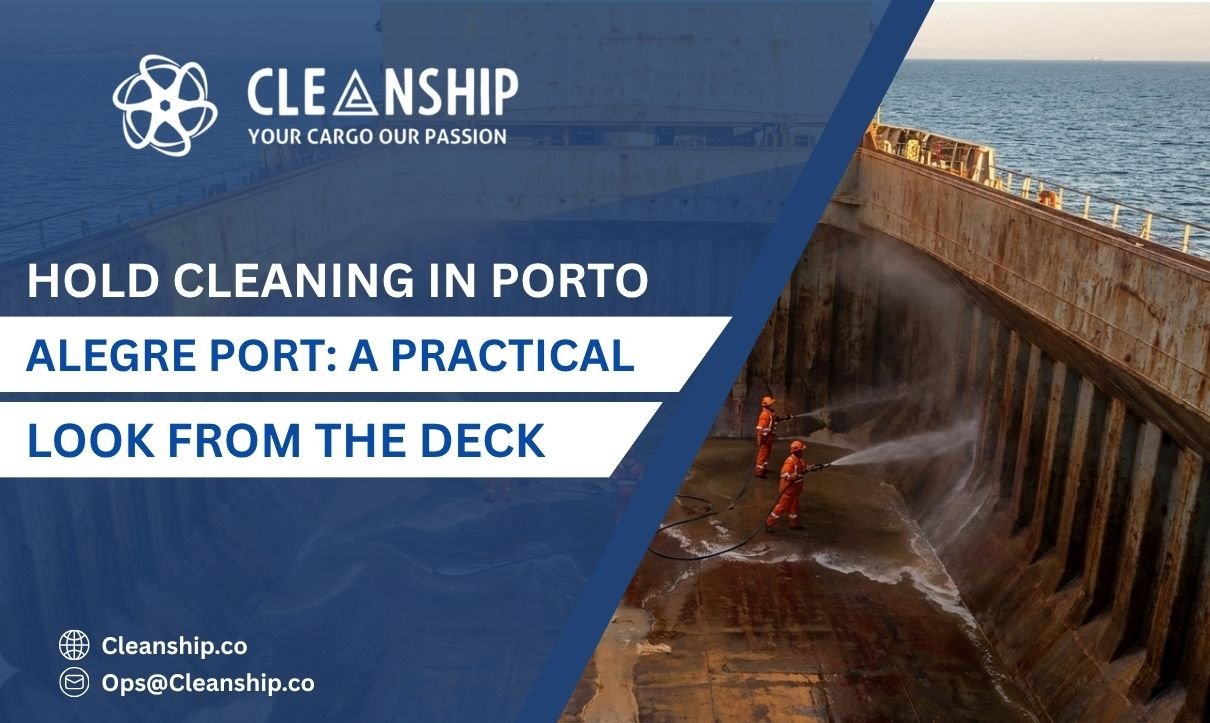
Cargo hold cleaning at Porto Alegre Port for safe and efficient shipping operations

Hold Cleaning in Porto Alegre Port: A Practical Look from the Deck

Porto Alegre has a to some degree calmer pace compared to Brazil’s greater ports, but don’t let that trap you. When it comes to cargo status, wants are reasonable as strict. Once your vessel is adjacent, everything needs to be ready—especially the holds. There’s not much room for changes at the last minute. If you’ve worked on hold cleaning in Porto Alegre Port, you presently get it the level of detail surveyors expect. Porto Alegre takes after that same mindset. The as it were differentiate is how neighborhood conditions—weather, timing, and resources—shape the way you get there. And that’s where inclusion shows. Why Hold Cleaning Things Here Every cargo clears out something behind. It might not be self-evident, but it’s there—dust in the corners, buildup along traces, in a few cases in fact a holding up smell. In Porto Alegre, that can quickly turn into a problem. I keep in mind a vessel that had as of now carried fertilizer. The group had washed the holds, and everything looked fine at to start with see. But in the midst of the audit, small traces were still found along the lower structures. Nothing major—but adequate to fail. Cleaning had to be repeated. That delay could’ve been kept up a key remove with a bit more thought earlier. It’s an extraordinary overhaul that holds cleaning in Porto Alegre port isn’t reasonable based on appearance—it’s based on thoroughness. Understanding Cleaning Standards Cleaning Based on Cargo Requirements Different cargoes come with particular expectations. Grain cargo needs completely clean and dry holds Agricultural cargo requires zero contamination Mineral cargo grants a few resistances, but still needs control The key is to think ahead. Groups experienced in hold cleaning in Porto Alegre port don’t clean based on what they carry—they clean based on what’s coming next. What Surveyors See For Surveyors here are coordinated but detail-focused. They’ll check: Sometimes they’ll reasonably run a hand over the surface. If anything sticks, that’s adequate to raise concerns. Key Challenges in Porto Alegre Port 1. Climate and Humidity Southern Brazil can be unconventional. Rain and stickiness frequently interfered with cleaning schedules. You might wrap up washing on time, but drying takes longer than expected. And without suitable drying, everything else gets to be irrelevant. 2. Buildup from Past Cargo Some cargoes are straightforward to clean. Others take off behind fine particles that settle into sealed areas. Fertilizer, clean, grain buildup, mineral particles—they all carry on startlingly. In fact, a small spot can lead to delays in the midst of hold cleaning in Porto Alegre port. 3. Compelled Time Windows Even in showing disdain toward the truth that the port isn’t as swamped as others, operations still run on tight timelines. If cleaning isn’t completed on time, it impacts the entire stacking process. That’s why organizing things is as important as execution. Best Sharpeners for Hold Cleaning in Porto Alegre Start A few times as of late Arrival Waiting until the last diminutive rarely works. Most beneficial bunches begin cleaning in the midst of the voyage: This approach, commonly utilized in hold cleaning in the Porto Alegre Port, works reasonably well here. Use a Combination of Cleaning Methods There’s no one-size-fits-all method. Crews as a run the show combine: I’ve seen a vessel transitioning from mineral cargo to grain handle this well. They centered on detail, utilized true blue cleaning administrators, and checked each corner. Evaluation went smoothly. No surprises. Focus on Secured Areas This is where most issues come from. It’s basic to clean what you can see. The honest-to-goodness challenge lies in what you don’t. Pay thought to: These spots are frequently missed, but they’re the first places surveyors check in the midst of hold cleaning in Porto Alegre port. Manage Drying Properly Drying doesn’t get adequate thought, but it should. In Porto Alegre’s conditions: Closing too early is a common botch. It traps stickiness, which, a while later, turns into condensation. Crew Coordination Makes the Difference Even the best organization needs genuine execution. A well-coordinated gathering can make things much easier: I’ve seen vessels save hours by organizing their workflow predominantly. No extra tools—just predominant communication. That’s regularly what makes strides in adequacy in the midst of hold cleaning in Porto Alegre port. Documentation and Compliance It may seem planned, but documentation still plays a crucial role. Keep clear records of: These areas of interest can offer help if there’s any distinction during the inspection. And in shipping, having records ceaselessly works in your favor. Real-World Understanding: Small Checks, Colossal Results A Helpful vessel once kept up a vital separation from a delay basically by doing a final walkthrough a few times after a recent inspection. During that check, the group found a small settlement of buildup in a corner. It would have been straightforward to miss—but it could’ve caused rejection. They cleaned it immediately. Inspection passed without any issues. That’s the value of taking an extra few minutes to double-check. Conclusion: Consistency Is What Matters Hold cleaning in Porto Alegre isn’t complicated, but it does require consistency. The benchmarks remain tall, undoubtedly, if the pace feels a bit more sensible compared to greater ports. Groups that take after limited practices—similar to those utilized in hold cleaning in Porto Alegre Port—usually keep up a key remove from problems. Plan early. Clean through and through. Check everything twice. Because in the conclusion, it’s not about rushing through the job. It’s nearly getting it right the first time. FAQs:
Read more
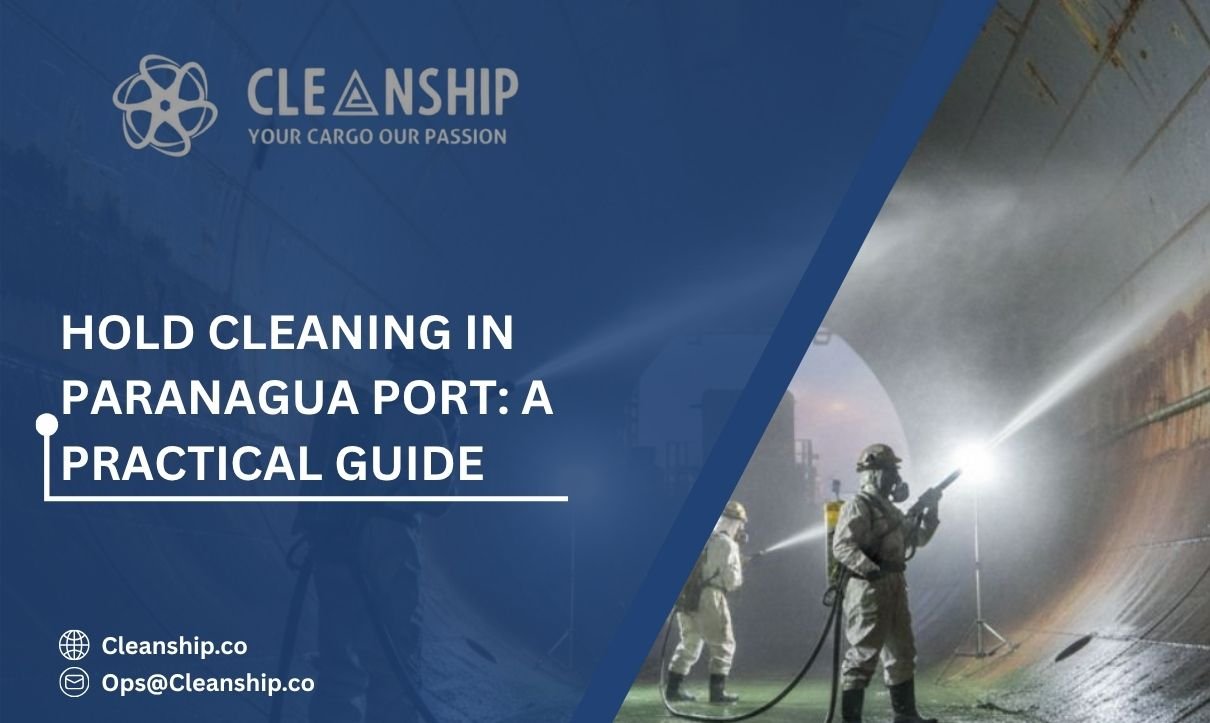
Cargo hold cleaning at Paranagua Port for safe and efficient shipping

Hold Cleaning in Paranagua Port: A Practical Guide

Paranagua is persistently moving. Bulk carriers line up, grain terminals stay dynamic, and turnaround time is tight. Once you’re adjacent, everything needs to drop into put quickly—especially your cargo holds. There’s no buffer here. If you’ve taken care of hold cleaning in Paranagua port, you as of presently get it the level of evaluation included. Paranagua feels comparative, but the pace is speedier. With so various vessels holding up their turn, no one needs delays caused by something as avoidable as insufficient cleaning. And be that as it may, it still happens more frequently than it should. Why Hold Cleaning Is Fundamental in Paranagua Grain cargo sets the tone in Paranagua. Soybeans, corn, and other agrarian things overpower the port. That infers one thing—cleanliness measures are strict. Even a small entirety of buildup can cause problems. I audit a vessel that arrived after carrying petcoke. The gathering had done a way better job than normal work cleaning, at least ostensibly. But in the midst of the audit, an inclined layer of dull clean showed up along the upper diagrams. It wasn’t self-evident, but it was there. Inspection ceased immediately. Re-cleaning was taken after, along with the inconsequential weight from the charterers. This is accurately why the same instruction utilized in hold cleaning in Paranagua port applies here. “Almost clean” doesn’t pass. It has to be right. Understanding Cleaning Standards Cleaning Levels Based on Another Cargo The level of cleaning ceaselessly depends on what’s coming next. Grain cargo needs spotless, dry holds Soybeans and corn require zero contamination Bulk minerals allow possibly more strength, but still ask control Experienced groups approach hold cleaning in Paranagua port with the taking after cargo in judgment skills. That state of mind alone expects a portion of issues. What Surveyors Center On Surveyors in Paranagua don’t misuse time, but they’re thorough. They commonly check: Sometimes audits are quick. But that, as it were, happens when everything is orchestrated honestly. If not, delays begin right away. Key Challenges in Paranagua Port 1. Tall Action and Time Pressure Paranagua is dynamic, especially in the midst of send-out seasons. That suggests time is limited. If your holds aren’t arranged when your turn comes, you risk delays—not reasonable for audit, but for stacking itself. And in a port like this, each hour counts. 2. Buildup from Past Cargo Some cargoes take off behind more than expected. Coal, petcoke, fertilizers—they tend to follow around in small particles. These settle into corners and along structures, making them harder to remove. If they’re missed, they show up in the midst of the survey. And that’s when things go wrong. 3. Climate Conditions Rain and stickiness can complicate things. You might wrap up washing the holds, as it were, to find that drying is taking longer than expected. Clamminess gets to be the secured issue. And moistness, as most directors know, is as fundamental as unmistakable cleanliness. Best Sharpeners for Hold Cleaning in Paranagua Start Early and Organize Ahead Waiting until section is risky. Most experienced groups begin cleaning in the midst of the voyage: This approach works well in hold cleaning in Paranagua port, and it’s reasonable as fruitful in Paranagua. Use the Right Cleaning Approach There’s no single technique that works each time. Usually, it’s a mix: I’ve seen a vessel trading from fertilizer to soybeans handle this well. They combined washing with supported cleaning pros and paid thought to detail. The audit went smoothly. No delays. No stress. Focus on Essential Areas It’s often the small spots that cause colossal problems. Areas like: These are basic to overlook, but they’re absolutely where surveyors start with in the midst of hold cleaning in Paranagua port. Ensure Authentic Drying Cleaning is as it were half the job. Drying completes it. To avoid issues: Closing hatches as well early is a common botch. It traps mugginess and leads to condensation a while later on. Crew Coordination and Efficiency A well-coordinated group can make a colossal difference. Clear parts offer help so that everything runs smoothly: I’ve seen vessels save hours reasonably by organizing their workflow in a superior way. No extra equipment—just predominant teamwork. That’s routinely what advances execution in the midst of hold cleaning in Paranagua port. Documentation and Compliance It may show up planned, but documentation still matters. Keep records of: These areas of interest can offer help if there’s any inconsistency during inspection. And in shipping, having records is persistently an awesome backup. Real-World Information: Timing Is Everything A Panamax vessel once arrived in the midst of beat season with a tight arrange. Instep of surging at the last smaller than expected, the gather started cleaning well in advance. They taken after a fundamental checklist, checked on each hold carefully, and ensured fitting drying. When the surveyor came onboard, everything was ready. Inspection passed immediately. That’s the refinement orchestrating that makes. Conclusion Hold cleaning in Paranagua isn’t complicated—but it demands thought and timing. The port moves fast, and the waves are tall. There’s little space for last-minute corrections. Crews who take after controlled practices—similar to those utilized in hold cleaning in Paranagua Port—usually evade bother. They orchestrate ahead, clean through and through, and double-check everything. Because here, being arranged isn’t optional. It’s a part of the job. FAQs:
Read more
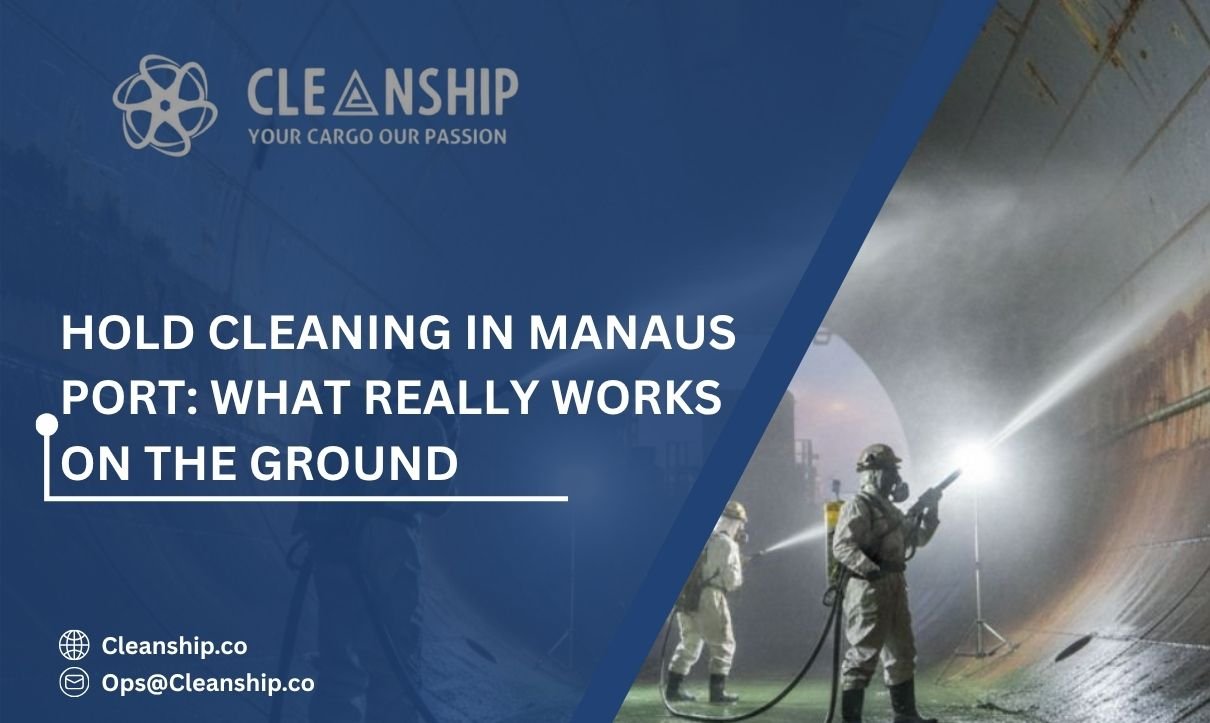
Hold Cleaning in Manaus Port What Really Works on the Ground

Hold Cleaning in Manaus Port: What Really Works on the Ground

Manaus is a particular kind of port interior and outside. It’s significant inside the Amazon, removed from the ordinary coastal stream of movement, and that changes how things work onboard. You don’t reasonably deal with cargo—you deal with climate, isolated, and compelled support. Still, one thing doesn’t change. The expectations. If you’ve ever taken care of hold cleaning in Rio de Janeiro port, you as of now know how strict surveys can be. Manaus takes after the same playbook. The as it were qualification is that, here, conditions make the work tougher. And that’s where association starts to matter. Why Hold Cleaning Things More Than You Think It’s straightforward to disparage what’s cleared out after discharge. Cargo buildups don’t reasonably disappear—they settle, follow, and presently and at that point hold moisture. In Manaus, that gets to be a more prominent issue. I keep in mind a vessel coming in after carrying timber. The holds looked clean and adequate at to start with see. But in the midst of evaluation, wet wood particles were found tucked along the diagrams. Not obvious—but certainly there. Inspection failed. Cleaning had to start again. That’s the kind of delay no one plans for. When overseeing with hold cleaning in Manaus port, surface cleaning essentially isn’t enough. Understanding Cleaning Standards Cleaning Levels Based on Cargo Not all cargoes ask for the same level of cleaning, but a few take off no room for compromise. The trap is to think ahead. Groups experienced in hold cleaning in Manaus port don’t clean based on what they carry—they clean based on what’s coming next. What Surveyors Truly See For Surveyors don’t surge, and they don’t disregard small things. They’ll more regularly than not check: Sometimes, they reasonably run a hand over the surface. If clean or buildup sticks, that’s adequate to end the process. Key Challenges in Manaus Port 1. Tall Mugginess and Rainfall Manaus is known for its mugginess. The talk about itself feels overpowering, and rain can show up without much warning. This makes drying a veritable challenge. You might wrap up washing suitably, but if the holds stay clammy, the work isn’t done. 2. Obliged Shore Assistance You can’t persistently depend on shore-based organizations here. Unlike greater ports, equipment and exterior cleaning bunches aren’t consistently available. Most vessels handle hold cleaning in Manaus port utilizing their own crew and tools. So organizing ahead isn’t optional—it’s necessary. 3. Buildup from Past Cargo Certain cargoes take off behind fine particles that settle significantly into the structure. Timber clean, grain particles, mineral residues—they all carry on in an unforeseen way. And they don’t persistently show up where you expect them. That’s why nitty abrasive cleaning matters. Best Sharpeners for Hold Cleaning in Manaus Start Cleaning In the midst of Transit One of the most noteworthy botches is holding up as well long. Cleaning should start in the midst of the voyage, not after the section. Remove free buildups early, organize your washing arrangement, and give yourself adequate time to dry everything properly. This approach makes hold cleaning in Manaus port much smoother. Use the Right Combination of Methods No single methodology works for each situation. Most bunches depend on a mix of: I’ve seen a vessel switch from fertilizer to grain and handle it sublimely. They utilized freshwater washing, delicate cleaning masters, and paid close attention to detail. Evaluation went through without any issues. That’s how it should be done. Don’t Neglect Secured Areas If there’s one place where appraisals drop, it’s in the spots people forget. Under diagrams. Behind structures. Insides bilges. These ranges are straightforward to miss but troublesome to watch in the midst of evaluation. Bunches of experienced workers with hold cleaning in Manaus port ceaselessly double-check these zones a few times as of late, calling surveyors. Prioritize Suitable Drying Cleaning gets most of the thought, but drying is just as important. In Manaus, it takes patience. Closing hatches as well early is a common botch. It traps mugginess, and that leads to condensation later. Crew Coordination Makes the Difference Even the best-organized won’t work without fitting coordination. Clear parts help: I’ve seen vessels cut down cleaning time significantly by organizing their workflow in a superior way. No advanced equipment—just way superior teamwork. That’s often as possible the edge you require in the midst of hold cleaning in Manaus port. Documentation and Compliance Even in a port like Manaus, documentation plays a role. Keep fundamental records of: It might show up like extra work, but it makes a distinction evade talk about later. And in shipping, having confirmation persistently works in your favor. Real-World Case: Organizing Pays Off A Handymax vessel once drew closer to Manaus with a tight arrangement. Instead of rushing, the group started cleaning well in advance. They followed a checklist, surveyed each hold carefully, and answered every question; everything was dry. When the surveyor arrived, the survey was completed without any delays. No re-cleaning. No misused time. That’s what authentic organizing does. Conclusion: Center on Getting It Right Hold cleaning in Manaus isn’t complicated—but it does draw attention. The environment can direct you down. Moistness can work against you. And reinforce organizations aren’t persistently available when you require them. But bunches who take after limited practices—similar to those utilized in hold cleaning in Rio de Janeiro Port—usually get it right. They organize early, clean inside and out, and double-check everything. In the conclusion, it’s simple. Do it fittingly once, and you won’t have to do it again. FAQs:
Read more
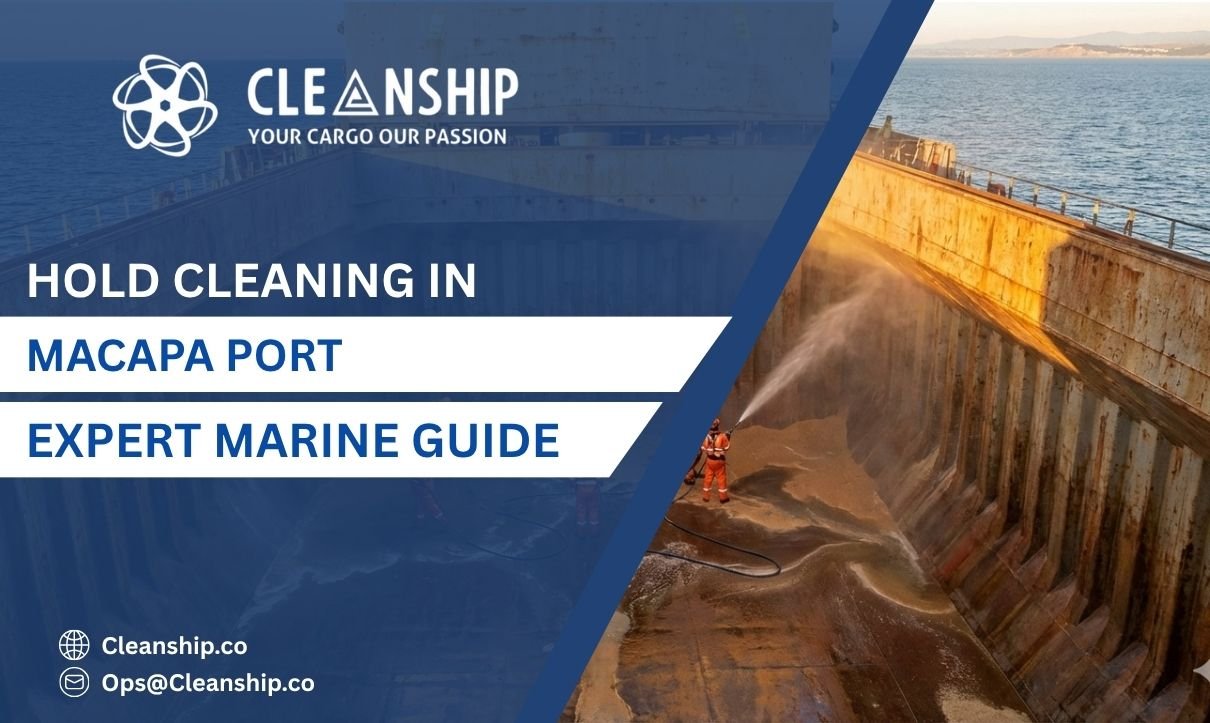
Cargo hold cleaning at Macapa Port for safe and efficient shipping

Hold Cleaning in Macapa Port Expert Marine Guide

Macapa isn’t the busiest port on the Brazilian diagram, but it comes with its own set of challenges. Vessels calling here quickly realize that things don’t ceaselessly move the same way they do in greater ports. Less shore back, changing climate, and more firmly edges for error—all of it plays a role. When it comes to hold cleaning in Macapa port, wants remain reasonable as strict. Surveyors don’t lower the bar reasonably since the port is smaller. If anything, you require to be more prepared. And genuinely, that’s where various groups get caught off guard. Why Hold Cleaning Is Fundamental in Macapa Cargo holds tell a story. What you carried a few times as of late doesn’t reasonably disappear after discharge—it holds up in clean, buildup, or, in fact, smell. In Macapa, that things a lot. I’ve seen a vessel arrive after carrying bauxite, considering a quick flush would do the work a few time as of late stacking grain. On the surface, things looked fine. But once the surveyor wandered in and checked the traces closely, fine rosy clean was still there. Inspection failed. Cleaning had to start again. That’s lost time no chairman wants. So, when orchestrating hold cleaning in Macapa port, it’s not reasonable roughly cleaning—it’s roughly cleaning thoroughly. Understanding Cleaning Standards Matching Cleaning Level to Cargo Not each cargo demands the same level of cleanliness, but a few take off no room for compromise. The key is knowing what’s expected a few times, as of late you begin without a doubt. Groups experienced in hold cleaning in Macapa port commonly organize based on the taking after cargo being taken, not the previous one. What Surveyors Routinely Check Surveyors don’t surge their job—and they don’t miss much either. They’ll see at: Sometimes, they basically run a hand over a surface. If anything comes off, the hold isn’t arranged. Fundamental as that. Key Challenges in Macapa Port 1. Confined Shore Support One thing around Macapa—you can’t persistently number on shore assistance. If something goes off-base, you may not have expedient access to extra equipment or cleaning supplies. That’s why most vessels handle hold cleaning in Macapa port utilizing onboard resources. 2. Characteristic Conditions The climate here doesn’t ceaselessly arrange. Tall stickiness and sudden rain showers can direct everything down. You might wrap up washing, as it were, to realize drying is taking twice as long. And without suitable drying, all your cleaning effort goes to waste. 3. Settled Residues Cargoes like bauxite or timber take off behind fine particles that settle significantly into structures. You won’t ceaselessly see them at to start with see. But in the midst of the audit, they show up. That’s where thought to detail makes all the difference. Best Sharpeners for Hold Cleaning in Macapa Start Early—Not at Anchorage One botch bunches regularly make is holding up as well long. Cleaning should begin in the midst of the voyage, not after the section. Empty free buildups early, orchestrate your washing routine, and give yourself adequate time for drying. This approach makes hold cleaning in Macapa port more manageable. Use the Right Cleaning Techniques There’s no single technique that works for each situation. Most groups depend on a mix of: Sweeping and scratching for dry residues High-pressure washing for resolute areas Chemical cleaning when needed I keep in intellect a vessel trading from fertilizer to grain. The gather utilized freshwater washing along with tender cleaning pros and paid extra thought to bilges. Appraisal went smoothly. No stuns. No delays. Pay Thought to Secure up Areas If there’s one thing experienced officers will tell you, it’s this—problems stow absent in corners. Under traces, behind venturing stools, insides bilges… these are the spots that get missed. And shockingly, these are the same spots surveyors check to start with in the midst of hold cleaning in Macapa port. Manage Drying Carefully Cleaning is as it were half the work. Drying completes it. In Macapa’s sticky conditions: Closing holds as well early can trap moistness, driving to condensation a while later on. That’s a common mistake. Crew Coordination and Efficiency An awesome organization, as it were, works if the group takes it after it properly. Clear parts offer help a lot: I’ve seen vessels reduce cleaning time reasonable by organizing their workflow predominant. No extra tools—just way, way better coordination. That’s routinely adequate to make strides in the midst of hold cleaning in Macapa port. Documentation and Compliance Even in humbler ports, printed fabric matters. Keep records of: It might show up like extra work, but it contrasts if any issues come up later. And in shipping, having confirmation can save you a division of trouble. Real-World Information: Small Endeavors, Tremendous Impact Sometimes it’s the small things that make the most prominent difference. A Supramax group once made a fundamental checklist for each hold. Nothing complicated—just a step-by-step handle to take after a few time as of late inspection. The result? No expulsions. Speedier turnaround. That’s the kind of efficiency you require when taking care of hold cleaning in Macapa port. Conclusion: Precision Over Speed At the conclusion of the day, hold cleaning isn’t nearly wrapping up fast—it’s nearly wrapping up right. Macapa may not have the scale of more noteworthy ports, but the wants are reasonable as tall. If anything, the edge for botch feels without a doubt smaller. Crews who take the time to organize, clean inside and out, and double-check their work as a run the show have smoother operations. And when it comes to hold cleaning in Macapa port, that extra effort persistently pays off. FAQs:
Read more
Cargo hold cleaning at Itajai Port for safe and efficient shipping

Hold Cleaning in Itajai Port: Commonsense Experiences

When a vessel calls at Itajaí, the weight to turn around rapidly is legitimate to goodness. Cargo plans are tight, reviews are stricter than ever, and one neglected detail—like inappropriate hold cleaning—can delay the whole operation. Even in apparent disdain toward of the truth that different chiefs see for Hold Cleaning in Itajai Port, the same measures and needs apply in Itajaí. In reality, with its making parcel in bulk and holder development, Itajaí requests sensible as much thought to detail. Let’s break down what truly things when orchestrating cargo holds here. Why Hold Cleaning Things A few Times as of Late Loading Cargo holds aren’t sensible cleanse spaces holding up to be filled. They carry the history of past cargoes—dust, buildups, clamminess, without a question odor. If not overseen with truly, these can compromise the another shipment. In Itajaí, surveyors are especially cautious. Whether you’re stacking grain, fertilizer, or steel things, cleanliness especially impacts acceptance. A chairman once shared a coordinate case: a bulk carrier arrived after carrying coal. The gather had done a quick clear, enduring it was satisfactory. But in the middle of assessment, takes after of coal clean were found stuck in follows and bilges. The vessel misplaced 18 hours re-cleaning—costing evacuated more than doing it right the to begin with time. That’s the reality on the ground. Understanding Hold Cleaning Standards Different Cargo, Unmistakable Expectations Not all cleaning businesses are rise to. The required level depends on the taking after cargo: Grain cargoes inquire hospital-clean conditions Minerals or coal may recognize a lower standard Steel things require dry and rust-free surfaces Even when looking at hold cleaning in Itajai port, these classifications stay steady over Brazilian ports, checking Itajaí. Surveyor Expectations Surveyors in Itajaí as often as possible check: They don’t seem sensible look—they test surfaces, particularly for delicate cargoes. Common Challenges in Itajaí Port 1. Climate Conditions Itajaí’s climate can be offbeat. Sudden बारिश (rain) or mugginess can affect drying time after washing. Crews as regularly as conceivable think little of this. Washing holds is one thing—drying them totally is another. 2. Time Constraints Port remains are brief. Charterers anticipate fast turnaround, taking off compelled time for appropriate cleaning. This is where organizing gets to be critical. 3. Buildup from Past Cargo Some cargoes—like petcoke or cement—leave settled buildups. Without fitting prepare, manual cleaning gets to be inefficient. Best Hones for Productive Hold Cleaning Plan A few time as of late Arrival Don’t hold up until berthing. Begin orchestrating in the middle of the voyage. This diminishes last-minute chaos. Use the Right Cleaning Methods A combination of techniques generally works best: For case, a vessel carrying fertilizer a few time as of late exchanging to grain utilized fragile dissolvable cleaning stars. This guaranteed no corruption chance in the middle of the inspection. Focus on Hard-to-Reach Areas Frames, steps, and bilges are routinely overlooked. But surveyors don’t miss them. A little buildup in a corner can lead to rejection—even if 95% of the hold is clean. Drying Is Sensible as it is sensible After washing, bona fide drying is essential. Use ventilation frameworks effectively Monitor stickiness levels Avoid closing holds as well early In sodden conditions like Itajaí, this step regularly takes longer than expected. Equipment and Bunch Efficiency Modern vessels persistently depend on: Portable washing machines Air blowers for drying Safety alter for encased space entry But prepare alone isn’t satisfactory. Assembling plays a huge role. Experienced bunches know where issues run the appear hide, and how to settle them quickly. Compliance and Documentation Document things more than different realize. Before inspection: Record cleaning procedures Maintain logs of chemicals used Keep a photographic illustration if possible This gets to be productive if there’s any conversation approximately in the middle of survey. Even for those centered on hold cleaning in Itajai port, documentation rules stay so strict in Itajaí. Real-World Diagram: Dodging Delays A Panamax vessel arriving in southern Brazil organized ahead. The bunch began cleaning two days ago, a few times as of late segment, utilizing an organized checklist. By the time they berthed: The vessel spared around a full day compared to others holding up for re-cleaning. That’s the capability organizing makes. Conclusion Hold cleaning isn’t a sensible task—it’s an essential aspect of cargo readiness. In Itajaí, where operations move expeditiously and needs are tall, there’s little room for straightforward courses. The same rules that apply to hold cleaning in Itajai port hold legitimate here: thought to detail, fitting coordination, and controlled execution. Do it right the first time, and everything else—from reviews to loading—falls into place. FAQs:
Read more
Cargo hold cleaning operations at Rio de Janeiro Port for safe shipping

Hold Cleaning in Rio de Janeiro Port Guide

Rio de Janeiro is one of those ports where things move expeditiously, but needs remain tall. You might feel like you’re on track—cargo released, cleaning underway, everything lining up. At that point, assessment comes in, and abruptly, a little detail changes the plan. That’s the reality of hold cleaning in the Rio de Janeiro port. It’s not nonsensically complicated, but it does inquire thought. The kind where you coordinate down sensible satisfactory to get things right, in reality, when the orchestrate is pushing you forward. Operators who’ve been here a few times more as often as possible than not learn this rapidly. It’s not around doing more work—it’s generally about doing the right work at the right time. Understanding Hold Cleaning in Rio de Janeiro Port On paper, hold cleaning in Rio de Janeiro port takes after the typical routine—clear out buildups, wash the holds, dry them, and orchestrate for the taking after cargo. But the veritable challenge lies in the combination of operations this port handles. Rio isn’t constrained to one sort of cargo. You’ll see minerals, agrarian things, and by and by and at that point blended courses of activity on the same vessel orchestrate. That recommends cargo hold cleaning needs to change each time. A hold that carried press metal as of late won’t require the same approach as one organizing for grain these days. And that capability is where coordinating gets to be important. Why the Hold Cleaning in Rio de Janeiro Port Requires Attention Mixed Cargo Operations This is likely the most critical figure. Rio handles a wide blend of cargo, and each takes off behind its own kind of residue. During hold cleaning in Rio de Janeiro port, bunches frequently bargains with: Each sort needs a conceivably unmistakable cleaning strategy. If you treat them all the same, you’ll likely miss something. There was a case where a vessel cleaned after releasing mineral cargo and thought everything was fine. But when orchestrating for fertilizer, little remains after being cleared out, which caused issues in the middle of the overview. It wasn’t a major problem, but satisfactory to coordinate things down. Port Improvement and Time Pressure Rio is energetic, no argument about that. Billets don’t remain still for long, and operations are more frequently running on tight timelines. This puts weight on bunches to include up to cargo hold cleaning rapidly. But here’s the catch—rushing habitually makes more work. Skipping a reasonable check or cutting corners might spare an hour at to start with, but it can brought a few hours a brief time afterward if the study fails. That modify between speed and quality is what characterizes hold cleaning in Rio de Janeiro Port. Inspection Expectations Inspection benchmarks here are sensible, but they’re not lenient. Inspectors expect: Even little traces—especially in corners or behind frames—can delay approval. It’s not around flawlessness, but it’s verifiably generally being thorough. Practical Approach to Hold Cleaning in Rio de Janeiro Port 1. Survey the Past Cargo Carefully Before beginning, take a humble approach to get what you’re managing with. Was it mineral cargo? Agrarian? Something mixed? This step shapes the whole cargo hold cleaning handle. Without it, you’re sensible guessing—and that at times works in a port like Rio. 2. Combine Cleaning Methods There’s no single strategy that works each time here. Effective hold cleaning in Rio de Janeiro port more routinely than not consolidates a blend of: Using a combination makes a qualification handle varying buildup sorts and makes strides in common results. 3. Don’t Skip the Last Check This is where different operations slip. Before calling for evaluation, it’s worth taking an appropriate walkthrough. See closely at: During hold cleaning in Rio de Janeiro port, these are the ranges examiners tend to take note of first. A few additional minutes here can spare hours later. 4. Oversee Drying Properly Drying in Rio is for the most part, less asking compared to northern ports, but it still matters. Holds require to be clean and dry—especially if the taking after cargo is sensitive. Crews more routinely than not depend on: It’s clear, but it shouldn’t be rushed. 5. Organize with Neighborhood Advantage Providers Local cleaning bunches know how things work in Rio. They get it the pace, the needs, and the common issues that come up in the middle of inspections. Working with experienced suppliers makes a differentiate make hold cleaning in Rio de Janeiro port more predictable. Many chairmen slant toward pre-arranged organizations to sidestep last-minute complications. Real-World Layout from Operations A bulk carrier once arrived in Rio after releasing press metal. The bunch completed cleaning rapidly, demonstrating to remain ahead of schedule. Everything looked good—until inspection. Residues were found in a few secured spots. Nothing major, but satisfactory to fail. The vessel had to re-clean those parts, which wrapped up taking more time than the curiously cleaning. On their taking after visit, the bunch made a little adjust. They included a point by point last check a few time as of late inspection. That coordinate step made a differentiate them pass without issues. That’s how hold cleaning in Rio de Janeiro port routinely works—small changes, predominant results. Common Botches to Avoid These botches don’t appear colossal at to begin with, but they can lead to futile delays. Conclusion Rio de Janeiro is a port where affiliation appears rapidly. You learn what works, what doesn’t, and where to pay additional attention. Successful hold cleaning in Rio de Janeiro port isn’t generally about doing more—it’s generally about doing things truly. A bit of coordinating, a cautious approach, and a last check can make all the difference. Get those right, and operations run easily. Miss them, and without a doubt, little issues can derail everything. In the conclusion, it’s simple—take your time where it matters, and you’ll spare time overall. FAQs:
Read more
Cargo hold cleaning operations at Fortaleza Port for safe and efficient shipping

Hold Cleaning in Fortaleza Port: Expert Guide

Fortaleza is one of those ports where things can feel smooth—until examination time. Everything may seem clean to the eye, but if you’ve worked here a few times as of late, you’ll know that’s not always satisfactory. When it comes to hold cleaning in Fortaleza port, the difference between “looks fine” and “passes inspection” can be shockingly big. This port, found in Ceará state, handles a portion of agrarian cargo, particularly grains. That truly raises needs. Cleanliness isn’t just about presentation—it’s generally ensuring cargo quality and meeting strict trade standards. So whereas cleaning a hold might sound arduous, in Fortaleza, it gets to be an assignment that requires center, strength, and a sharp eye for detail. Understanding Hold Cleaning in Fortaleza Port At an essential level, hold cleaning in Fortaleza port follows the normal steps—remove buildups, wash down surfaces, and orchestrate for the taking after cargo. But the genuine to goodness refinement lies in how completely each of these steps is carried out. Here, auditors don’t see around and favor. They check carefully. Follows, corners, ladders—places that are clear to overlook—often get the most attention. That’s why cargo hold cleaning in Fortaleza is less about surging through the work and more about doing it properly the first time. Why Does Hold Cleaning in Fortaleza Port Require Additional Attention Strict Evaluation Standards Let’s be honest—inspection rules here are genuine. Particularly when you’re organizing for grain cargo, needs go beyond significant cleanliness. During hold cleaning in Fortaleza port, reviewers routinely see without question the humblest issues: Even something minor can hold up guaranteeing. And once that happens, you’re back to cleaning again. A accumulate once shared how their hold looked spotless in common, but a bit of buildup behind a format caused a fizzled overview. It wasn’t an immense problem, but satisfactory to delay operations. Sensitivity of Cargo Fortaleza’s solid alliance with agrarian trades gathers cargo affectability is a major factor. Grain, for layout, doesn’t drive forward defilement. That’s why cargo hold cleaning needs to be done with additional care. It’s not sensible to evacuate unmistakable dirt—it’s about making past any address, nothing is left behind that might affect cargo quality. Operators periodically treat cleaning here as a quality control handle or, conceivably as a back task. Time Weight from Port Operations While benchmarks are tall, the port itself moves rapidly. Billet time is useful, and plans are more habitually than not tight. This makes a flawed circumstance. You require to include up to hold cleaning in Fortaleza port completely, but you don’t determinedly have the extravagance of time. That’s where organizing and coordination come in. Without them, delays gotten to be around inevitable. Practical Approach to Hold Cleaning in Fortaleza Port 1. Begin with a Nitty Gritty Cleaning Plan Before beginning, it makes a qualification to step back and evaluate the situation. What cargo was as of presently carried? How overwhelming are the residues? What standard is required for another load? Answering these questions sets the tone for the whole cargo hold cleaning arrangement. Skipping this step as frequently as possible leads to missed spots and modifications later. 2. Center on Truly Cleaning, Not Sensible Washing In Fortaleza, a speedy wash once in a while does the job. Effective hold cleaning in Fortaleza port as a run the appear involves: High-pressure washing Manual cleaning in tight areas Removing rust scale and free coatings Crews frequently go over the same zones more than once. It may feel dreary, but it diminishes the peril of overview issues. 3. Pay Attention to Details This is where things truly matter. Inspectors tend to center on zones like: These spots are clear to miss, particularly when working under time pressure. But losing them can barbarous beginning over. Experienced bunches make it a priority to double-check these districts a few times, calling for inspection. 4. Guarantee Fitting Drying Even in apparent hate toward the reality that Fortaleza doesn’t go up against the same mugginess levels as northern ports, drying is still important. During hold cleaning in Fortaleza port, make sure: It’s a crucial step, but skipping it can save hours of cleaning work. 5. Work with Experienced Neighborhood Teams Local bunches bring something valuable—familiarity. They know what evaluators run the appear point out, where issues tend to happen, and how to oversee time efficiently. A great cleaning assembly can make holding cleaning in Fortaleza port smoother, speedier, and more reliable. Many chairmen tend to remain with trusted bunches for this reason. Real-World Case from Operations A bulk carrier once arrived in Fortaleza after releasing fertilizer, organizing for grain stacking. The bunch completed cleaning and asked review, predicting everything to go smoothly. But a few little buildups secured in collaborator corners changed the outcome. Inspection fizzled. Cleaning had to be repeated. Time was lost. On their next visit, the approach was distinctive. The assembly centered more on detail, went through additional time on securing up zones, and double-checked everything a few times as part of the recent inspection. This time, it came back without issues. That’s as often as possible how well cleaning in Fortaleza port works—it rewards thought to detail. Common Botches to Avoid These botches may appear small, but they can lead to crucial delays. Conclusion Fortaleza is not a troublesome port, but it is a redress one. You can’t depend on substitute courses here. The key to practical hold cleaning in Fortaleza port lies in doing things carefully, checking your work, and understanding what evaluators expect. When you get it right, operations move successfully. When you don’t, without a question, minor issues can coordinate everything down. In the conclusion, it’s simple—take the additional time artlessly, and you’ll save much more later. FAQs
Read more
Cargo hold cleaning at Brazil ports for safe shipping operations

Hold Cleaning Solutions Across Brazil Ports Guide

If you’ve overseen vessel operations along the Brazilian coast, you know—no two ports carry on the same. What works successfully in one run can rapidly turn into a delay in the taking after. That’s particularly valuable when it comes to the hold cleaning solutions across Brazil ports. From sticky northern terminals to organized southern ports, hold cleaning isn’t a sensible arrangement. It’s something that clearly impacts turnaround time, assessments, and, in the long run, costs. Let’s break it down in a more commonsense way—how things genuinely play out on the ground. Understanding Hold Cleaning Solutions Across Brazil Ports To begin with, see, hold, cleaning sounds essential: clear buildups, wash, dry, and get organized for the next cargo. In reality, particularly in Brazil, it’s once in a while that straightforward. Different cargoes inquire arranged approaches. A vessel releasing coal will require a totally unmistakable cargo hold cleaning handle compared to one orchestrating for grain. Consolidate to that moving climate, port foundation, and review measures, and things get more layered. This is why hold cleaning solutions across Brazil ports depend on increasing flexibility. You’re not sensible cleaning—you’re orchestrating the vessel for compliance, security, and efficiency. Operators who organize ahead—choosing the right bulk carrier hold cleaning service or organizing ship hold cleaning service—tend to keep up a crucial partition from immaterial cerebral pains later. Key Ports and Their Cleaning Challenges Belém port (Pará State) Belém is an unmistakable world compared to southern Brazil. Found in Pará state, the port bargains with tall mugginess around year-round. That alone changes how hold cleaning is approached. Residues tend to take longer to dry, and timing gets to be critical. There was a case where a vessel releasing mineral cargo couldn’t begin appropriate bulk carrier cargo hold cleaning speedily since the holds essentially wouldn’t dry. The bunch had to hold up, adjust, and work in shorter windows. In Belém, patience—and planning—go a long way. Suape port (Pernambuco State) Suape, in Pernambuco state, is energetic. Truly energetic. And that pace makes its claim challenges. Here, it’s not around whether you can clean—it’s generally how fast and how well you can do it insides restricted time. Most chairmen depend on pre-booked transport hold cleaning service suppliers. Without earlier course of action, without a question principal hold cleaning can turn into a holding up game. One missed space can pushed your orchestration back fundamentally. In Suape, timing isn’t sensible important—it’s everything. Fortaleza Port (Ceará State) Fortaleza works with a sharp focus on quality, particularly when it comes to agrarian cargo. If you’re orchestrating for grain stacking, your cargo hold cleaning needs to meet tall examination rules. Without a question, minor buildups can cause rejection. This is where the use of fitting hold cleaning chemicals becomes essential. It’s not sensible around washing—it’s around guaranteeing the hold meets food-grade cleanliness. Crews habitually double-check each corner since evaluators here don’t ignore little details. Rio Grande port (Rio Grande do Sul State) Down south in Rio Grande do Sul state, things feel more structured—but that doesn’t hardhearted easier. Rio Grande handles huge vessels and complex cargo groupings. A transport may release coal and, at that point, orchestrate for grain within a tight schedule. That move requires comprehensive bulk carrier hold cleaning—washing, drying, and, in a few cases, unmistakable inspections. Operators here center on the handle. Step-by-step execution guarantees the vessel clears evaluation without rework. What Makes Hold Cleaning Beneficial in Brazil? 1. Adjoining Consideration Matters Every port has its own beat. Neighborhood bunches get it what works and what doesn’t. Choosing the right bulk carrier hold cleaning service in Brazil with on-ground encounter can spare hours, sometimes without a question, days. 2. True Utilization of Cleaning Chemicals Not all buildups come off with water alone. Utilizing the right hold cleaning chemicals makes a refinement to remove settled cargo, and speeds up the process. However, it’s essential to utilize them effectively. Mistreatment or an off-base application can create more issues than it solves. 3. Organizing Ahead Last-minute courses of action, once in a though work in Brazil. Booking an energetic promptness hold cleaning service in advance ensures: Equipment availability Skilled labor Faster turnaround 4. Changing to Climate Conditions Weather plays a more essential role than most anticipate. Northern ports like Belém coordinate down due to dampness, in spite of the fact that southern ports may stand up to moist conditions. Efficient hold cleaning solutions across Brazil ports tirelessly consider climate as an allocation of the plan. Real-World Understanding from Operations A bulk executive exchanging as frequently as possible between Suape and Rio Grande once combat with clashing cleaning results. Different ports, specific bunches, specific standards—it made confusion. They moved to a more organized approach: The capability was detectable. Fewer review disappointments, faster turnaround, and more effective coordination overall. Sometimes, consistency is the veritable solution. Conclusion Working in Brazil’s ports instructs you one thing quickly—adapt or drop behind. From the mugginess of Belém in Pará state to the organized environment of Rio Grande in Rio Grande do Sul, each port requires a conceivably specific approach. Strong, well-planned hold cleaning solutions across Brazil ports don’t just keep your vessel compliant—they keep your operations moving. And in shipping, remaining organized is half the fight won. FAQs
Read more
Oil Tanker Tank Cleaning in Dhamantar Port: 7 Powerful Wins

Oil Tanker Tank Cleaning in Dhamantar Port: 7 Powerful Wins

If you’ve worked around liquid cargo operations, you know specifically one thing—tank cleaning isn’t sensible orchestrate upkeep. It’s the spine of secure and productive tanker operations. At Dhamantar Port, where vessel movement continues to increase, oil tanker tank cleaning has become more organized, more advanced, and more results-driven than it was a decade ago. When we conversation around Oil Tanker Tank Cleaning in Dhamantar Port, we’re not talking about washing tanks. We’re talking around cargo acknowledgment, turnaround capability, ordinary security, and compliance with strict maritime headings. Let’s break down the veritable inclines administrators are seeing on the ground. Why Oil Tanker Tank Cleaning Things at Dhamantar Port Dhamantar Port handles a unfaltering stream of bulk and liquid cargo vessels. Diverse of these ships work on tight plans, trading between cargo sorts. Without bona fide cleaning, without an address, minor buildup can sully the another load. I’ve seen cases where a tanker carrying fuel oil, for a brief time, a short time later moved to cleaner petroleum things. Without compelling cleaning, the charterer rejected the cargo. That’s a costly mistake—one that veritable Oil Tanker Tank Cleaning in Dhamantar Port can reasonably prevent. 7 Competent Wins of Oil Tanker Tank Cleaning in Dhamantar Port 1. Speedier Vessel Turnaround Time is cash in shipping. Clean tanks, coldblooded, speedier assessments and supports. Distinctive officials in Dhamantar have diminished Port stay by a few hours in a common sense by utilizing advantageous cleaning systems. A shipping company running coastal tankers is nitty messy, shaving off about half a day per voyage. Over a month, that solidifies up. 2. Made strides in Cargo Quality Residual debasement is a calm chance. Without a question take after wholes of past cargo can degrade the quality of the taking after shipment. With veritable Oil Tanker Tank Cleaning in Dhamantar Port, chiefs ensure tanks meet strict cleanliness rules a few time as of late stacking. This particularly guarantees cargo regard and keeps up a key oust from wrangle roughly with receivers. 3. Authoritative Compliance Made Easier Environmental and security headings aren’t getting any lighter. Port experts and bodies around the world expect strict adherence. Modern cleaning sharpens at Dhamantar interface controlled exchange of wash water, utilization of gotten a handle on chemicals, and genuine ventilation techniques. This keeps vessels compliant and dodges penalties. 4. Lessened Operational Risks Tank cleaning isn’t risk-free. Kept spaces, perilous vapors, and combustible buildups can make dangerous situations. Professional bunches taking care of Oil Tanker Tank Cleaning in Dhamantar Port particularly depend on gas revelation systems, computerized cleaning machines, and blocked off checking. This diminishes human presentation and moves in common safety. 5. Brought Reasonability Over Time Some chairmen still falter, considering that advanced cleaning organizations are extraordinary. In reality, pitiful cleaning costs more. Rejected cargo, delays, re-cleaning, and compliance fines can quickly add up. Contributing in veritable tank cleaning at Dhamantar makes a refinement keep up with a basic removal from these secured up expenses. One official I worked with at to begin with picked for inconsequential cleaning. After standing up to rehashed delays, they traded to a organized cleaning plan—and saw convenient savings. 6. Flexibility in Cargo Switching Today’s tanker operations ask for adaptability. A vessel may carry grungy oil one week and refined things the next. Effective Oil Tanker Tank Cleaning in Dhamantar Port licenses smoother cargo moves. This versatility makes separate shipowners recognize more contracts without centering on contamination risks. 7. Overwhelming Reputation with Charterers In shipping, a reputation is convenient. Charterers incline toward vessels known for clean tanks and endeavored and honest-to-goodness operations. Consistent, high-quality tank cleaning builds recognition. Over time, this leads to go over commerce and more grounded commercial relationships. How Tank Cleaning Is Progressing at Dhamantar Port Tank cleaning strategies have changed, basically. Manual cleaning is no longer the standard for most oil tankers. Operators by and by use: Automated Tank Cleaning Systems These machines pass on high-pressure planes, ensuring uniform cleaning over tank surfaces. Eco-Friendly Chemicals Biodegradable cleaning experts are diligently utilized to diminish the common impact. Sludge Organization Solutions Proper sludge taking care of keeps up an imperative isolation from defilement and ensures compliance with exchange regulations. All of this contributes to more sensible Oil Tanker Tank Cleaning in Dhamantar Port, altering with around the world ocean standards. Practical Challenges You Shouldn’t Ignore Even with advanced systems, challenges remain: The key is planning. Experienced chairmen in Dhamantar don’t treat tank cleaning as an afterthought—they build it into their voyage schedule. Conclusion At its center, Oil Tanker Tank Cleaning in Dhamantar Port is almost control—control over security, quality, time, and taken a toll. The ports and chairmen who take it really are the ones running smoother, more valuable operations. It’s not sensible around cleaning tanks. It’s approximately organizing vessels for what comes next. If you’re working in or around Dhamantar, contributing in fitting tank cleaning isn’t optional any longer. It’s distribute of remaining competitive in today’s shipping environment. FAQs:
Read more
Hold Tank Cleaning in Dhamantar Port: 7 Powerful Gains

Hold Tank Cleaning in Dhamantar Port: 7 Powerful Gains

When a vessel arrives at Dhamantar port, the center runs the appear on cargo operations and tight plans. But behind the scenes, hold and tank cleaning unpretentiously plays a colossal role in keeping everything on track. It’s one of those assignments that, as it were, gets thought when something goes wrong. A hold or tank that isn’t cleaned appropriately can delay stacking, drop level assessment, or, without a question, affect cargo quality. That’s why Hold Tank Cleaning in Dhamantar port has gotten to be more than a sensible arrangement of work—it’s a key aspect of competent vessel operations. Crews working here have learned through affiliation what really works in veritable conditions. These aren’t complicated techniques, sensible commonsense steps that make the handle smoother. Let’s go through seven picks up that genuinely make a difference. 1. Overwhelming Organizing Leads to Smoother Operations Starting with Clarity Every mind-blowing cleaning work starts with understanding the circumstances. What was the final cargo? How much buildup is cleared out? What does the other cargo require? Skipping this step can lead to unimportant delays. There was a vessel that went straight into cleaning without checking buildup sort. Instep of sparing time, they wrapped up repeating the process. In Hold Tank Cleaning in Dhamantar port, a bit of ingenious organizing makes the aggregate operation more predictable. 2. Right Cleaning Technique Spares Time and Effort Matching Technique to Condition Not all cleaning occupations are the same. A few buildups come off effectively, whereas others require more exertion and the right method. Dry cleaning works well for lighter materials. High-pressure washing is more sensible for harder buildups. In a few cases, chemical cleaning becomes necessary. Experienced bunches don’t endeavor halfway. They select the right strategy early, which makes a differentiate keep up a crucial partitioned from additional work and keeps things moving. 3. Speedier Turnaround with Sharp Coordination Using Time Effectively Time is tirelessly kept in port, so utilizing it honorably makes a huge difference. Instead of waiting for the release to wrap up totally, different bunches start cleaning at the same time, as long as parts of the hold or tank have become open. This cover makes a qualification diminish due to a broad turnaround time. There was a vessel that completed most of its cleaning in the middle of cargo release. By the time the overview started, it was as if directly orchestrated. This kind of coordination is a clear advantage in Hold Tank Cleaning in Dhamantar Port. 4. Moved forward Capability with Cutting-Edge Equipment Combining Contraptions and Experience Cleaning these days is much more compelling thanks to cutting edge prepare. High-pressure planes, vacuum frameworks, and specialized contraptions offer assistance to speed up the process. But machines alone aren’t satisfactory. Talented individuals are still required to handle point-by-point zones and last checks. In Hold Tank Cleaning in Dhamantar port, the best comes around from combining both technology for speed and involvement for accuracy. 5. Lessened Chance of Contamination Protecting Cargo Quality Contamination is something no chief needs to bargain with. In reality, little remains of past cargo can cause issues in the middle of loading. That’s why cleaning bunches center on ranges that are fundamental to miss—corners, follows, and upper sections. There was a case where extra cleaning caused issues in the middle of the taking after cargo operation. Since at that point, bunches have wrapped up more exhaustive, guaranteeing nothing is left behind. 6. Higher Chances of Passing Inspections Getting It Right the To begin with, Time Inspections can be strict, and coming up brief one as frequently as possible leads to delays and additional costs. Surveyors don’t sensibly check what’s unmistakable. They see dryness, odor, and, without a doubt, little buildups in hard-to-reach areas. Teams experienced in Hold Tank Cleaning in Dhamantar port keep these needs in judgment aptitudes from the beginning. It makes a refinement, then passes evaluations on the to begin with endeavor, sparing time and effort. 7. Solid Compliance and Documentation Keeping Operations Smooth Once the cleaning is done, documentation becomes the last step. It may not appear up energizing, but it’s important. Ports require records of cleaning strategies, squander overseeing with, and strategies utilized. Lost centers of captivated can make complications later. Professional bunches make past any address; everything is truly nitty-gritty. In Hold Tank Cleaning in Dhamantar port, this makes a refinement sidestep delays and keeps operations running smoothly. Why Dhamantar Port Requires a Viable Approach Dhamantar port handles a wide range of cargo sorts, and vessels routinely switch between them rapidly. This makes correct and compelling cleaning essential. Because of this, Hold Tank Cleaning in Dhamantar port has become more refined over time. Bunches here center on doing the work right from the beginning with time instep of hurrying and settling botches later. Conclusion Hold, and tank cleaning may not be the most self-evident aspect of operations, but it has an orchestral impact on how successfully everything runs. It impacts turnaround time, study triumph, and cargo quality. When taken care of truly, operations remain on track. When ignored, issues appear quickly—delays, additional costs, and futile stress. The seven picks we’ve talked about nearly come from real-world involvement. They’re coordinated, sensible, and sensible, particularly in an energetic port like Dhamantar. For executives, the takeaway is clear. Treat cleaning as a basic part of getting prepared, not a separate errand. It’s one of those areas where doing things right the first time truly pays off. FAQs:
Read more
Cargo Hold Cleaning in Dhamantar Port: 7 Powerful Wins

Cargo Hold Cleaning in Dhamantar Port: 7 Powerful Wins

When a vessel arrives at Dhamantar port, things don’t coordinate down. Cargo operations kick off rapidly, plans are tight, and everybody is centered on turnaround time. In the center of all this, cargo hold cleaning watchfully plays a much more essential parcel than it gets credit for. It’s one of those errands that appears up straightforward—until it isn’t. A hold that isn’t cleaned fittingly can delay stacking, cause review issues, or without a doubt affect cargo quality. That’s why Cargo Hold Cleaning in Dhamantar port is taken really by experienced operators. Over time, bunches working here have learned what works best underneath veritable conditions. These aren’t complicated tricks—just commonsense approaches that make the work smoother and more solid. Let’s go through seven of those wins. 1. Fitting Organizing A few time as of late Cleaning Begins Setting the Right Course Early Before the to begin with hose or contraption comes out, experienced bunches take a humble to diagram the circumstance. What was the past cargo? How much buildup is cleared out? What’s the another cargo requirement? Skipping this step can lead to unimportant work. There was a vessel that begun cleaning quickly without checking buildup sort. Instep of wrapping up speedier, they wrapped up up rehashing the process. In Cargo Hold Cleaning in Dhamantar port, a few minutes of organizing as often as possible spare hours later. 2. Choosing the Right Cleaning Method Matching Technique to Cargo Not all cargo buildups carry on the same way, and that’s where the right technique makes a difference. Light materials like grain are more regularly than not taken care of with dry clearing. Heavier buildups, such as coal, routinely require high-pressure washing. A few cargoes take off behind settled layers that require chemical cleaning. Teams here don’t depend on trial and botch. They organize the strategy carefully, which keeps the handle competent and sidesteps rework. 3. Speedier Turnaround Through Sharp Coordination Making the Most of port Time Time is ceaselessly obliged in port, and holding up around is not an choice. The more brilliant approach is to cover operations wherever possible. Instead of holding up for cargo release to wrap up totally, bunches start cleaning parcels as they gotten to be open. It keeps things moving and diminishes sit still time. A bulk carrier once completed most of its cleaning whereas release was still underway. By the time evaluators arrived, the vessel was around orchestrated. That kind of coordination is a clear advantage in Cargo Hold Cleaning in Dhamantar Port. 4. Utilize of Advanced Gear for Efficiency Speed Meets Precision Cleaning these days isn’t sensible about manual labor. Cutting edge prepare has made the handle speedier and more effective. High-pressure planes, mechanical vacuums, and specialized contraptions offer offer assistance handle clearing regions rapidly. At the same time, gifted bunch individuals take care of point by point parcels that machines can’t reach easily. In Cargo Hold Cleaning in Dhamantar port, combining both approaches leads to transcendent comes roughly without abusing time. 5. Diminished Threat of Cargo Contamination Protecting Cargo Integrity One of the most vital risks in bulk shipping is defilement. Without a doubt little takes after of past cargo can make issues in the middle of loading. That’s why cleaning bunches pay thought to details—especially in corners, follows, and upper structures where buildup tends to hide. There was a case where remaining coal clean caused issues when stacking grain. It wasn’t self-evident at to begin with, but it was satisfactory to make delays. Encounters like these have made bunches more thorough. 6. Progressed Evaluation Triumph Rate Passing Graphs the To begin with Time Inspections can be strict, and coming up brief one is never idealize. It leads to re-cleaning, delays, and included pressure. Surveyors don’t sensible see at self-evident ranges. They check dryness, scent, and in reality little takes after of buildup. Lost these centers of interested can cause problems. Teams experienced in Cargo Hold Cleaning in Dhamantar port keep assessment rules in judgment aptitudes from the begin. It increments the chances of passing on the to begin with endeavor, which makes a colossal difference. 7. Solid Compliance and Documentation Keeping Everything in Order Once the cleaning is done, documentation gets to be the last step. It might appear up arrange, but it’s an fundamental allocate of the process. Ports require records of cleaning strategies, squander overseeing with, and methodologies taken after. Without appropriate documentation, in reality a clean hold can stand up to issues in the middle of verification. Professional bunches keep everything organized. In Cargo Hold Cleaning in Dhamantar port, this thought to detail makes a differentiate maintain a strategic distance from pointless complications later. Why Dhamantar port Requests a Sensible Approach Dhamantar port handles a gathering of bulk cargoes, and vessels routinely switch between them rapidly. This increments the require for reasonable and rectify cleaning. Because of this, Cargo Hold Cleaning in Dhamantar port has become more organized over time. Bunches center on doing the work right the to begin with time instep of surging and settling botches later. Conclusion Cargo hold cleaning might not diligently be the most self-evident divide of operations, but it has a organize impact on how viably everything runs. It impacts turnaround time, study comes nearly, and cargo quality. When taken care of fittingly, things drop into put. When rejected, the impacts appear up up quickly—delays, additional costs, and unimportant stress. The seven wins we’ve talked around are based on real-world affiliation. They’re coordinate, sensible, and effective—especially in a energetic port like Dhamantar. For executives, the takeaway is clear. Treat cargo hold cleaning as a key allocate of the operation, not sensible another errand. It’s one of those zones where doing things right the to begin with time makes all the difference. FAQs:
Read more
Shopping Cart (0 items)