- Your cart is empty Browse Shop
25
Apr, 26
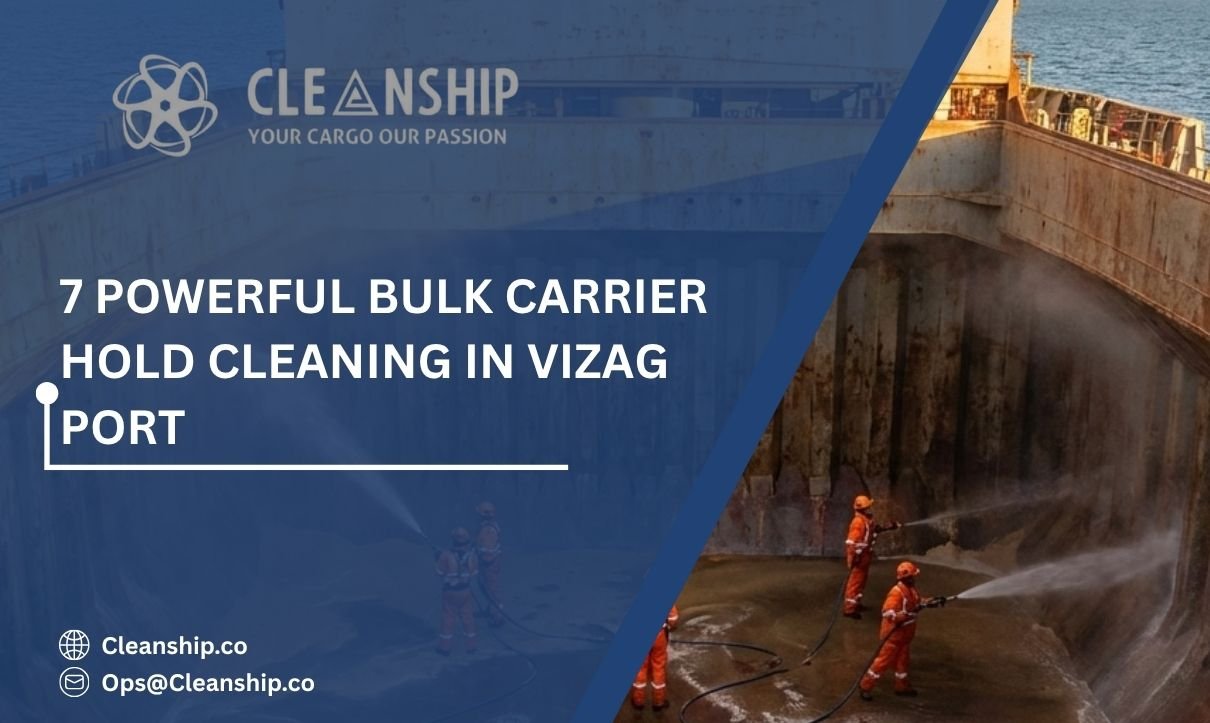
7 Powerful Bulk Carrier Hold Cleaning in Vizag Port
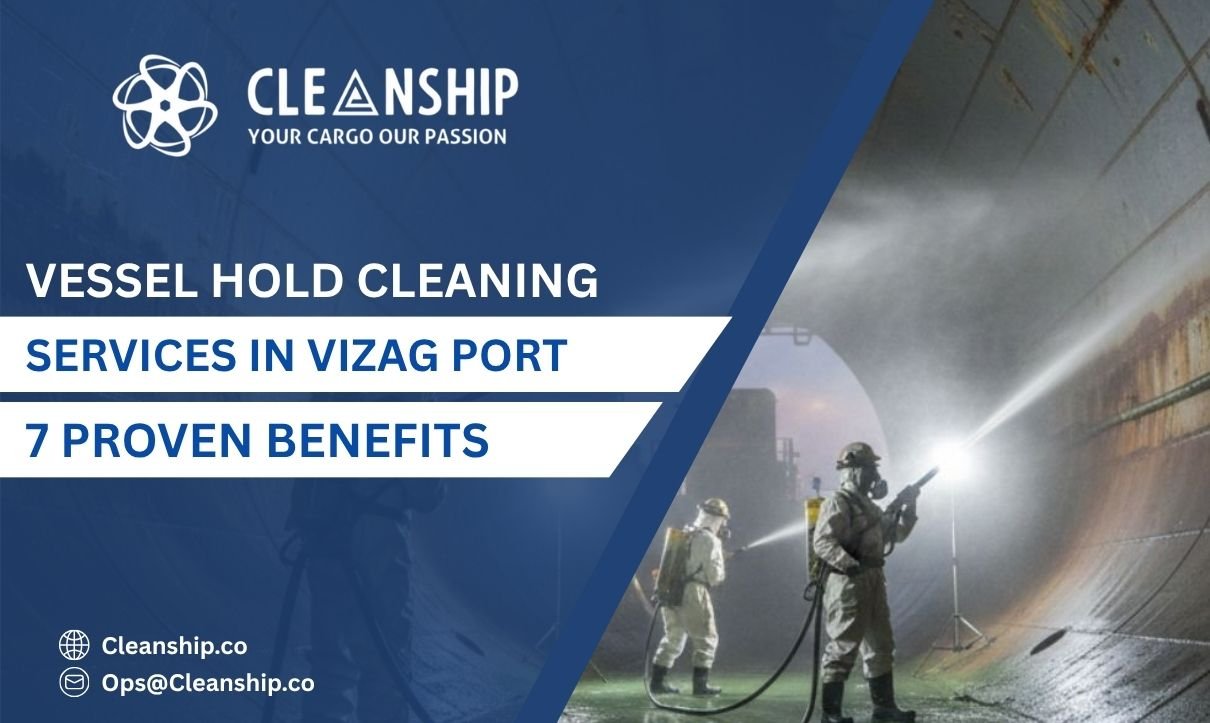
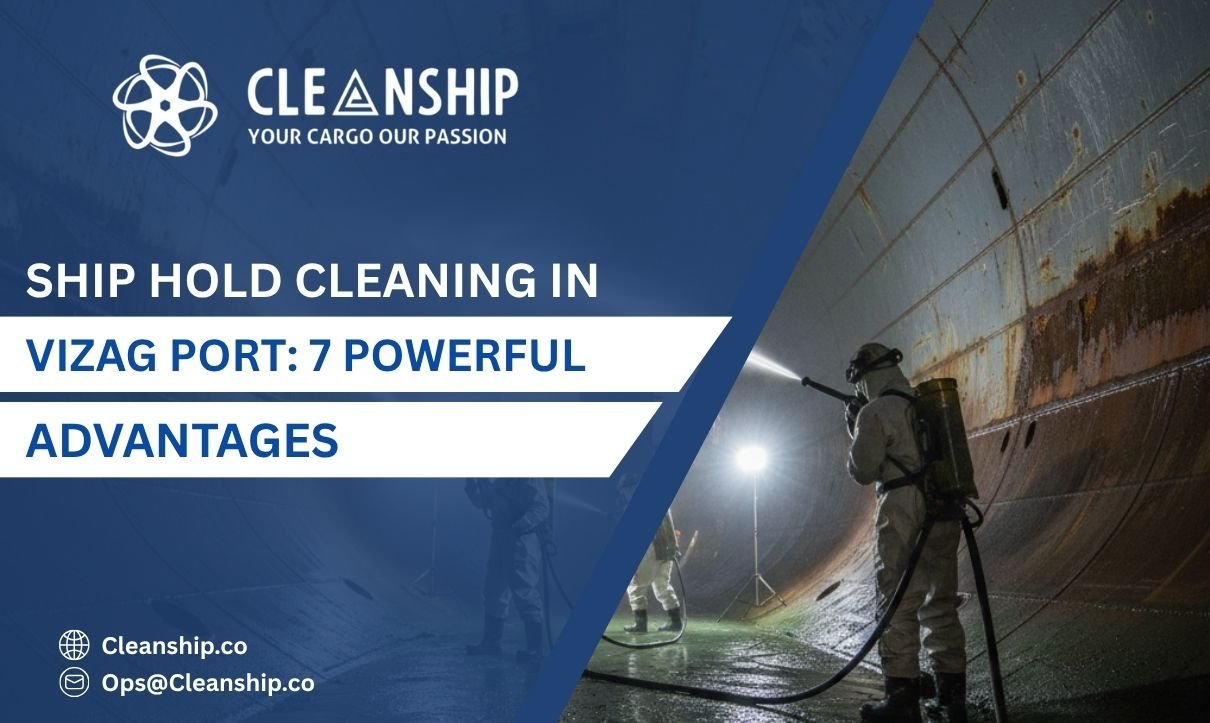
Bulk carrier hold cleaning in Vizag Port plays a critical role in India’s maritime trade ecosystem. Vizag, officially Visakhapatnam Port, handles iron ore, coal, fertilizers, bauxite, and agricultural bulk cargo that demand strict cleanliness, safety, and regulatory compliance. When you operate or manage a vessel here, hold condition directly affects cargo quality, port clearance, charter party obligations, and cost control. We approach this subject not as promotion, but as a professional examination of how effective bulk carrier hold cleaning supports compliance, efficiency, and long-term vessel performance. India’s Strategic Role in Marine Cleaning Operations India sits at the center of major East–West trade lanes. Ports like Vizag connect mineral-rich hinterlands to global markets. With high cargo volumes and mixed cargo histories, Indian ports require disciplined marine cleaning practices aligned with international norms. Bulk carriers arriving from different trades often face contamination risks if previous residues are not fully removed. Why Vizag Port Demands High Cleaning Standards Vizag Port’s cargo mix includes abrasive and moisture-sensitive materials. Even minor residues can lead to cargo rejection or claims. Bulk carrier hold cleaning in Vizag Port therefore focuses on surface preparation, drainage efficiency, and inspection readiness rather than cosmetic appearance alone. Understanding Bulk Carrier Hold Cleaning Basics Bulk carrier hold cleaning involves removing cargo residues, rust scale, loose paint, and contaminants from cargo spaces. The goal is to achieve a hold condition suitable for the next cargo, whether “shovel clean,” “grain clean,” or “hospital clean,” depending on charter requirements. Different Hold Cleanliness Grades Explained Cleaning standards vary by cargo type. For example: Understanding these grades helps you plan time, manpower, and inspection workflows accurately. Regulatory Framework Governing Marine Cleaning International compliance shapes every cleaning operation. IMO conventions set the baseline for safety and pollution prevention. MARPOL Convention regulates wash water discharge and residue disposal. IMCA guidelines influence operational safety and contractor competence. IAPH frameworks promote port-wide environmental responsibility. Environmental Protection and Cost Efficiency Proper hold cleaning protects marine ecosystems while reducing long-term costs. Controlled wash water management prevents port penalties. Efficient cleaning minimizes delays, fuel consumption, and off-hire risks. Clean holds also reduce corrosion, extending structural life. Safety as a Core Cleaning Principle Cargo holds are confined spaces with slip hazards, poor ventilation, and chemical residues. Safe bulk carrier hold cleaning in Vizag Port depends on risk assessments, gas testing, proper PPE, and trained teams. Safety protocols are not optional extras; they are operational fundamentals. Inspection Readiness and Documentation Inspections often determine whether a vessel sails on time. Documented cleaning logs, residue disposal records, and photographic evidence support compliance. Marine supercargo professionals frequently verify hold conditions before loading, especially for sensitive bulk cargoes. Role of Marine Supercargo in Hold Acceptance World Ports Marine Supercargo practices emphasize independent verification. Supercargo teams assess cleanliness, structural condition, and suitability for the nominated cargo. Their reports often influence charterer acceptance and final loading approval. Integrated Tank, Hold, and Bulk Carrier Cleaning Standards While this article focuses on holds, modern operators integrate tank and hold cleaning standards. Cross-contamination risks increase when vessels switch between liquid and dry bulk trades. Unified procedures reduce operational gaps and compliance failures. Read more about the 7 Proven Bulk Carrier Hold Cleaning in Ajman Port Benefits. Real-World Example from Vizag Operations Consider a bulk carrier discharging coal at Vizag before loading fertilizer for export. Residual coal dust, if not fully removed, can contaminate fertilizer cargo. Effective cleaning, inspection, and certification prevent costly cargo claims and reputational damage. Industry Practices and Service Scope Across global ports, companies like Cleanship.co represent industry-standard practices rather than promotional benchmarks. Their operations typically include global tank and hold cleaning, cargo supervision, compliance documentation support, and drug and alcohol testing services that enhance crew safety and operational reliability. Drug and Alcohol Testing for Crew Safety Crew fitness directly affects cleaning safety. Drug and alcohol testing programs reduce accidents during high-risk cleaning tasks. Many operators now treat crew testing as part of compliance culture, not just HR policy. Future Trends in Marine Cleaning Technology Innovation is reshaping marine cleaning. High-pressure robotic washers, eco-friendly detergents, real-time inspection imaging, and digital compliance logs are becoming standard. These tools improve consistency while reducing environmental impact and human exposure. Digital Documentation and Compliance Workflows Digital checklists, cloud-based reports, and timestamped imagery help you demonstrate compliance to charterers, port authorities, and insurers. Transparent workflows reduce disputes and speed up acceptance. Training and Competence Development Advanced cleaning equipment is only effective when teams are trained. Continuous competence development aligned with IMCA and IMO expectations ensures procedures are followed correctly under real port pressures. Long-Term Vessel Value and Clean Holds Clean holds reduce corrosion, structural fatigue, and coating damage. Over time, this preserves vessel value, lowers maintenance costs, and improves resale prospects. Cleaning is therefore an asset-protection strategy, not just an operational task. Conclusion Bulk carrier hold cleaning in Vizag Port is about more than removing residues. Three key takeaways stand out. First, compliance with IMO, MARPOL, IMCA, and IAPH standards protects both vessels and the environment. Second, safety-driven, well-documented cleaning reduces delays, claims, and operational risk. Third, integrated inspection and professional practices support long-term cost efficiency. For operators seeking reliable compliance and maritime service excellence, working with experienced providers such as Cleanship.co helps align daily operations with global industry expectations. FAQs: