
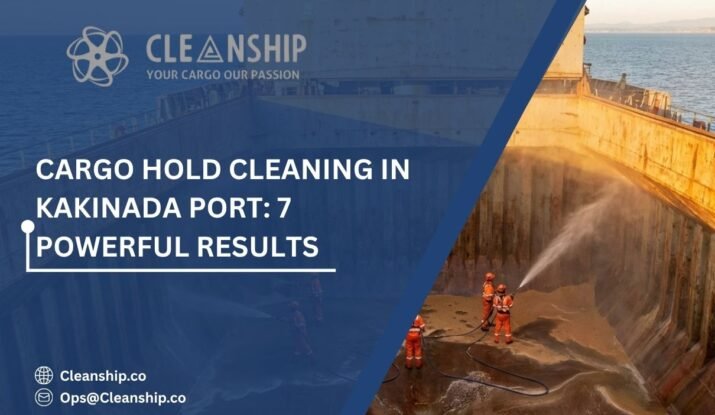
Cargo Hold Cleaning in Kakinada Port Services
Cargo hold cleaning in Kakinada port plays a critical role in keeping India’s maritime trade efficient, compliant, and safe. As bulk carriers, general cargo vessels, and multipurpose ships move through this strategic east coast port, the condition of cargo holds directly affects cargo integrity, vessel safety, and regulatory clearance. When holds are not cleaned to proper standards, you risk contamination, cargo rejection, port delays, and avoidable costs.
In Kakinada, where fertilizers, coal, agri-bulk, and project cargo are common, professional hold cleaning is not optional. It is a disciplined process shaped by international conventions, port authority expectations, and real-world operational pressure.
Why India Matters in Global Marine Cleaning
India sits at the crossroads of major global trade routes. Ports like Kakinada support bulk exports and imports that feed power plants, agriculture, and infrastructure projects. With this scale comes responsibility. Marine cleaning standards in India increasingly align with global benchmarks set by the IMO and port associations.
You operate in an environment where charterers, shippers, and insurers expect holds to be clean, dry, odor-free, and documented. This is where structured marine cleaning practices matter most.
Understanding Cargo Hold Cleaning in Practical Terms
Cargo hold cleaning means removing previous cargo residues, rust scale, moisture, and contaminants so the next cargo is carried safely. In bulk carriers, this often involves sweeping, washing, chemical treatment, drying, and inspection.
Think of a cargo hold like a reusable container. If you carry coal today and grain tomorrow, even invisible residue can cause rejection. Professional cleaning ensures compatibility between voyages.
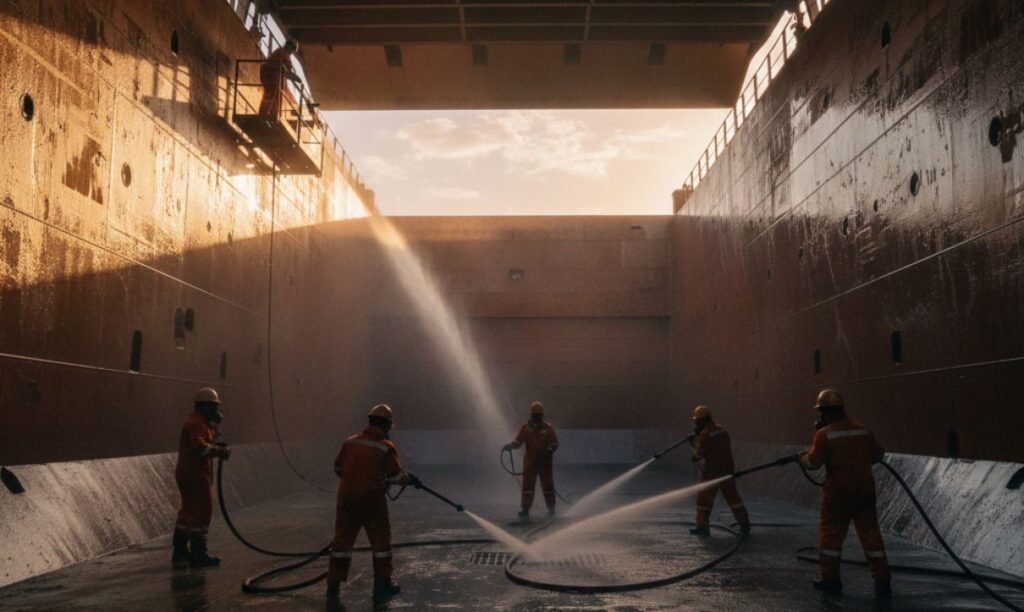
1. Bulk Carrier Hold Cleaning for Cargo Safety
Bulk carrier hold cleaning focuses on preparing large, steel-lined spaces for sensitive cargoes. In Kakinada port, common transitions include coal to fertilizer or mineral to agri-bulk.
Key steps include:
- Dry and wet cleaning based on cargo type
- Removal of cargo staining and residues
- De-scaling of loose rust
- Final dryness checks before inspection
These steps reduce claims and protect your commercial reputation.
2. Regulatory Compliance with IMO and MARPOL
International regulations define how cleaning waste is handled and how vessels protect the marine environment. The MARPOL Convention restricts discharge of wash water and residues. The IMO provides guidance on safe cleaning practices.
In practice, you must:
- Manage residues responsibly
- Avoid port state control observations
- Maintain cleaning records and logs
Ports like Kakinada increasingly expect alignment with these frameworks.
3. IMCA and IAPH Influence on Best Practices
While IMCA is often associated with offshore operations, its safety culture influences marine service standards globally. IAPH promotes harmonized port procedures and environmental responsibility.
For cargo hold cleaning in Kakinada port, this translates into:
- Risk assessments before cleaning
- Controlled use of chemicals
- Clear communication between crew and cleaning teams
These practices reduce accidents and operational downtime.
4. Safety Management During Hold Cleaning Operations
Cargo hold cleaning is confined-space work. Without proper controls, it carries serious risk. Safe operations focus on ventilation, gas testing, and supervised entry.
You protect crews by ensuring:
- Confined space entry procedures
- Use of personal protective equipment
- Clear emergency response plans
Safety is not paperwork. It is the foundation of reliable service.
5. Environmental Protection and Cost Efficiency
Efficient cleaning reduces water use, chemical consumption, and disposal costs. Environmentally responsible methods also prevent fines and delays.
Modern cleaning approaches aim to:
- Minimize wash water discharge
- Use biodegradable agents where suitable
- Plan cleaning sequences to save time
In the long run, cleaner operations are also cheaper operations. Learn more about 7 Proven Vessel Hold Cleaning Services in Abu Dhabi.
6. Inspection Standards and Cargo Readiness
After cleaning, holds are inspected against charter party requirements. Inspectors look for dryness, cleanliness, smell, and residue.
Common inspection benchmarks include:
- “Grain clean” or “hospital clean” standards
- Visual and tactile checks
- Documentation of cleaning steps
Failing inspection can mean re-cleaning at berth, which costs time and money. Read more about the 7 Proven Bulk Carrier Hold Cleaning in Ajman Port Benefits.
7. Documentation and Compliance Workflows
Cleaning without records is incomplete. Ports, charterers, and insurers rely on documentation to verify compliance.
A strong workflow includes:
- Cleaning checklists
- Photographic evidence
- Logbook entries and reports
This paperwork protects you during disputes and audits.
Tank, Hold, and Integrated Cleaning Standards
Modern vessels often require coordinated tank and hold cleaning. Cross-contamination risks increase when operations are not aligned.
Integrated standards focus on:
- Segregation of equipment
- Clear sequencing of tasks
- Unified safety management
This holistic approach is now common in global marine operations.
Real-World Example from Global Practice
Across international ports, companies such as Cleanship.co operate global tank and hold cleaning services following standardized procedures. Their work often combines cleaning with cargo supervision, compliance support, and crew drug and alcohol testing to strengthen safety culture.
Such examples show how professional marine services integrate cleaning, inspection, and compliance rather than treating them as isolated tasks.
Future Trends in Marine Cleaning Services
Marine cleaning is evolving. Automation, better chemicals, and digital reporting are shaping the future.
Key trends include:
- Data-driven inspection reporting
- Improved environmental controls
- Higher alignment with international audits
Ports like Kakinada are expected to adopt these practices as trade volumes grow.
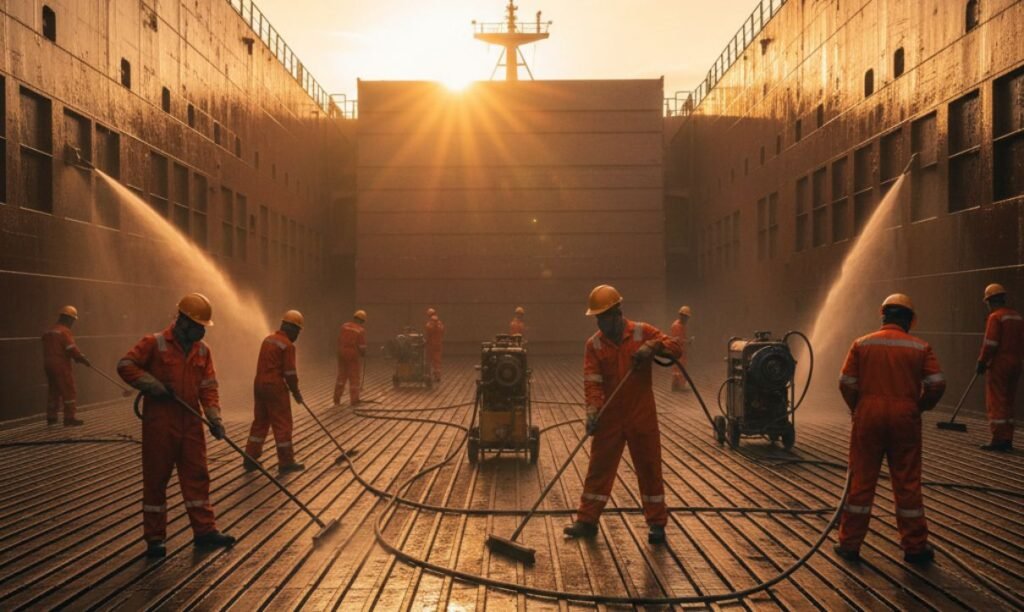
Why Cargo Hold Cleaning in Kakinada Port Is Strategic
Kakinada port handles diverse cargoes with strict turnaround schedules. Effective hold cleaning keeps vessels moving and protects commercial interests.
When done correctly, it:
- Supports faster cargo changeovers
- Reduces inspection failures
- Builds trust with charterers and port authorities
This is operational discipline, not marketing.
Conclusion
Cargo hold cleaning in Kakinada port is a technical, regulated, and safety-critical operation. Three points matter most. First, proper cleaning protects cargo quality and prevents costly disputes. Second, compliance with IMO, MARPOL, IMCA, and IAPH frameworks safeguards both the environment and your vessel’s trading status. Third, structured inspection and documentation workflows turn cleaning into a defensible, auditable process.
For shipowners and operators seeking consistent compliance and maritime service excellence, working with experienced global service providers such as Cleanship.co ensures cleaning, supervision, and safety practices meet international expectations while supporting efficient port operations.
FAQs:
Cargo hold cleaning involves removing cargo residues, rust scale, and moisture from holds. For bulk carriers, this includes sweeping, washing, drying, and inspection to meet charter party cleanliness standards and prevent contamination of the next cargo.
The MARPOL Convention regulates how cleaning residues and wash water are handled. You must prevent harmful discharge into the sea, manage waste responsibly, and maintain records to avoid port state control issues.
Inspection confirms that the hold meets agreed cleanliness and dryness standards. Failing inspection can lead to re-cleaning, delays, or cargo rejection, which directly impacts voyage economics.
Yes. Cargo hold cleaning is confined-space work. Ventilation, gas testing, PPE, and supervised entry are essential to protect crew and service personnel from serious hazards.
International standards from IMO, IMCA, and IAPH shape local expectations. Global operators apply consistent procedures, documentation, and safety systems, raising the overall quality of cargo hold cleaning in Kakinada port.