Tank Cleaning

Underwater Video Survey in Kandla A Reliable Solution 2

Underwater Video Survey in Kandla: A Reliable Solution

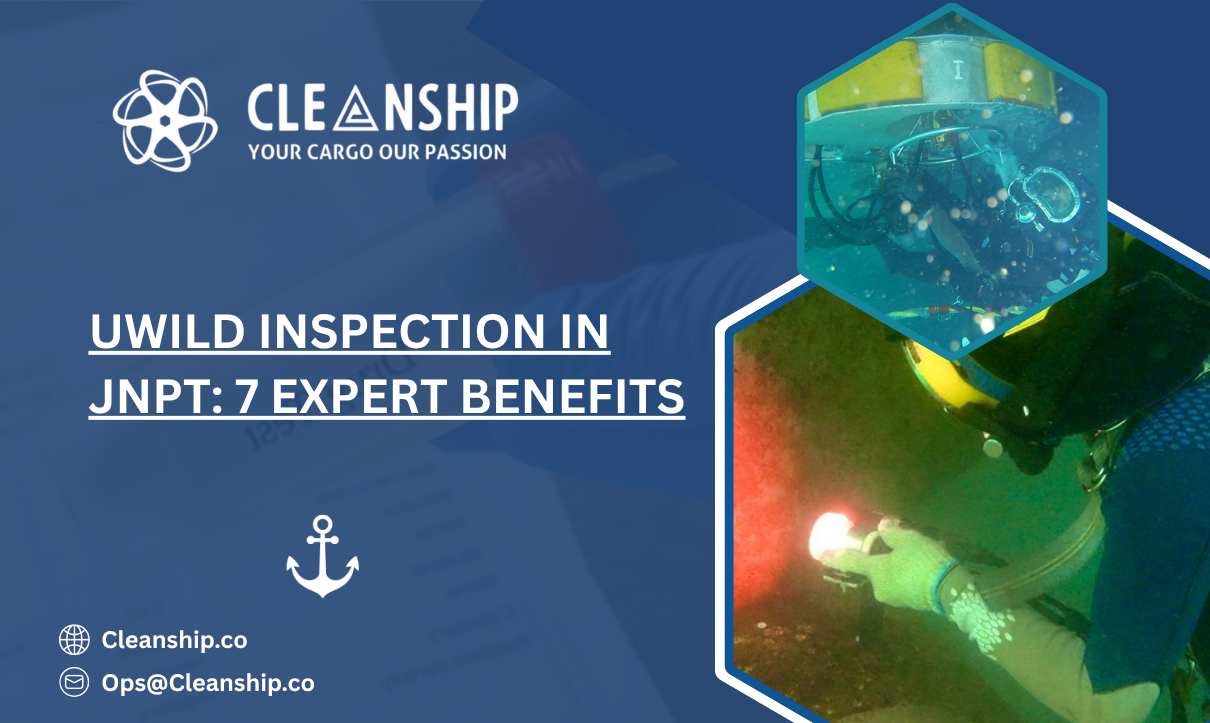
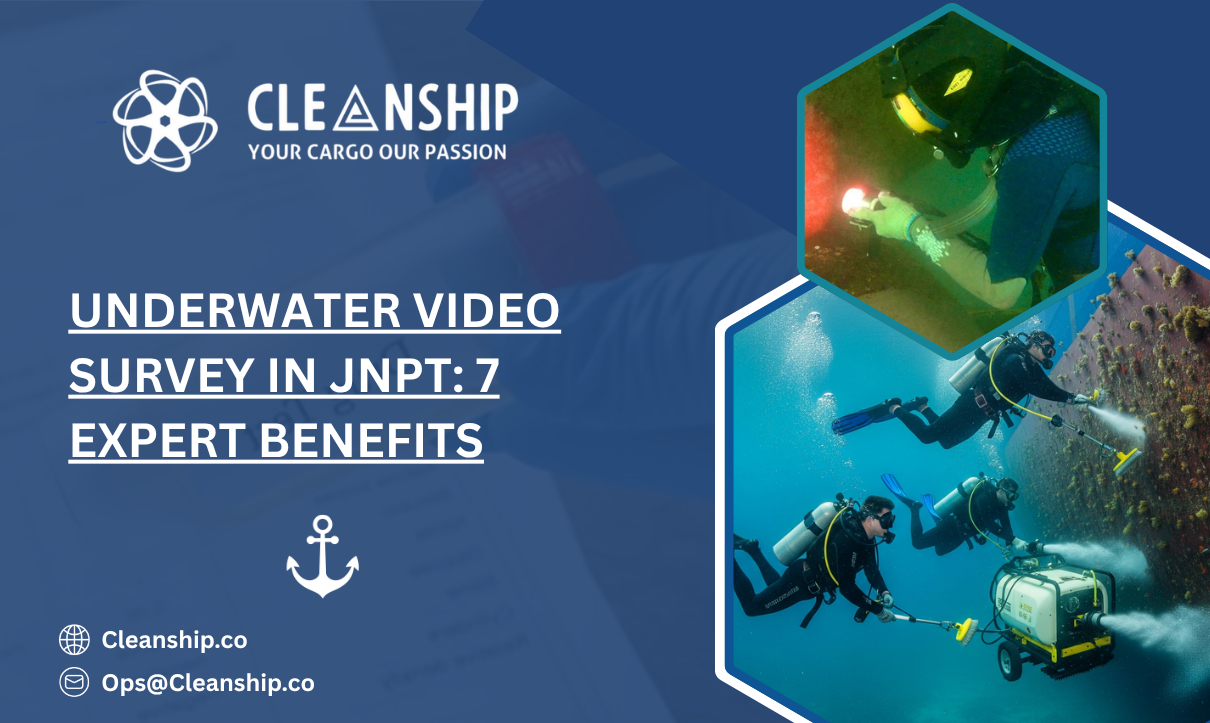
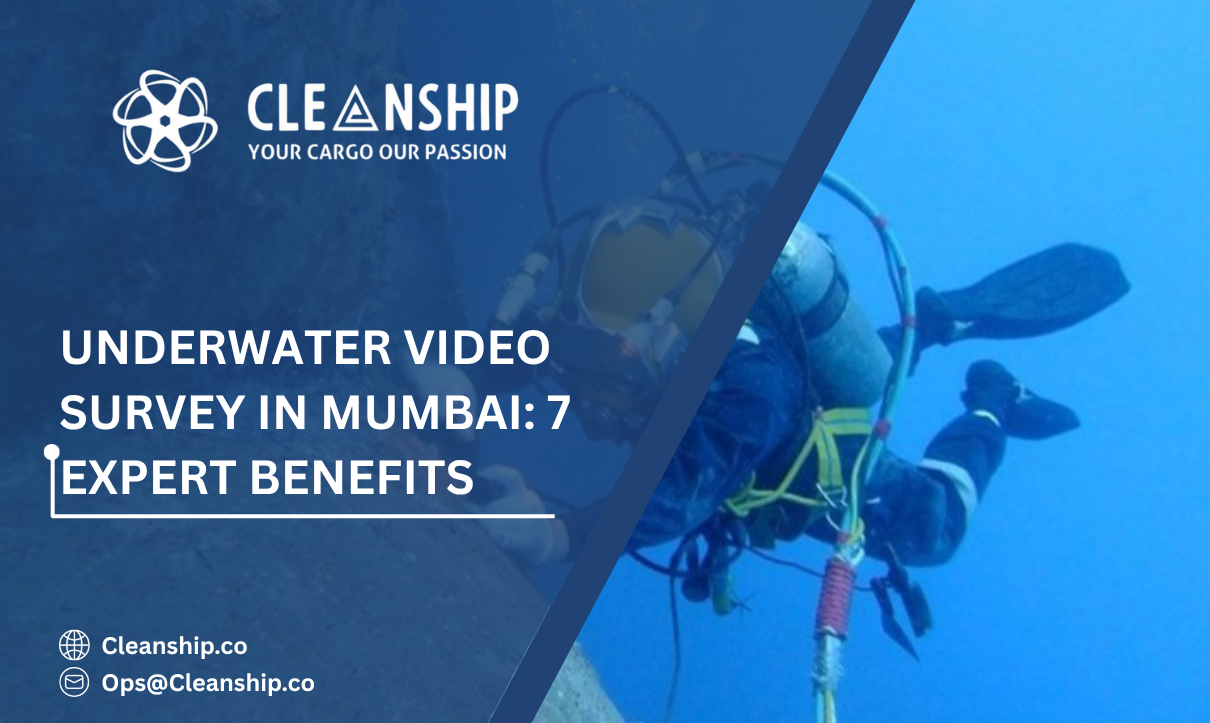
In the maritime industry, making informed maintenance decisions often depends on having a clear understanding of a vessel’s underwater condition. However, inspecting areas below the waterline has always been a challenge. Dry docking is expensive, operational schedules are tight, and unexpected inspections can disrupt voyages. This is where Underwater Video Survey in Kandla has become an increasingly valuable service for shipowners, managers, and marine operators. By combining professional diving expertise with advanced underwater imaging technology, video surveys provide a detailed view of a vessel’s submerged structures without requiring dry docking. As one of India’s busiest commercial ports, Kandla handles a constant flow of tankers, bulk carriers, container vessels, offshore support vessels, and coastal cargo ships. For many of these vessels, underwater video surveys have become an essential part of routine maintenance planning and condition monitoring. Rather than relying solely on assumptions or performance indicators, operators can see the actual condition of their vessels and make decisions based on visual evidence. What Is an Underwater Video Survey? An underwater video survey is a detailed visual inspection of a vessel’s submerged areas using high-definition underwater cameras operated by professional divers or remotely operated systems. The survey captures real-time footage of critical underwater structures, allowing shipowners to assess their condition without taking the vessel out of service. Areas Commonly Inspected The recorded footage provides valuable insight into the condition of these components and helps identify maintenance requirements before they develop into costly problems. Why Underwater Video Surveys Are Important Modern shipping companies operate under constant pressure to improve efficiency while minimizing downtime. Maintenance decisions based on accurate information are far more effective than reactive repairs. This is one of the primary reasons why demand for Underwater Video Survey in Kandla continues to grow. Early Detection of Problems Video surveys help identify issues that may not be visible from above the waterline. These may include: Detecting these issues early often prevents larger maintenance challenges later. Cost-Effective Alternative to Dry Docking Not every inspection requires a vessel to enter dry dock. An underwater video survey allows operators to assess underwater conditions while the vessel remains afloat, reducing costs and minimizing operational disruptions. Better Maintenance Planning Detailed footage enables technical managers to determine whether immediate maintenance is necessary or if repairs can be scheduled during a future dry-docking period. This flexibility improves maintenance budgeting and operational planning. Growing Demand for Underwater Video Survey in Kandla Kandla, officially known as Deendayal Port, serves as a major gateway for international and domestic shipping. Its strategic location along India’s western coastline makes it a frequent destination for vessels trading across the Middle East, Africa, and Asia. As vessel traffic continues to increase, so does the need for reliable underwater inspection services. For example, a tanker arriving from the Arabian Gulf may experience a sudden increase in fuel consumption during a voyage. Before arranging underwater cleaning, the ship operator may request an Underwater Video Survey in Kandla to determine whether hull fouling, propeller damage, or another issue is responsible. This approach avoids unnecessary maintenance work and provides a clear basis for decision-making. How an Underwater Video Survey Is Conducted Professional underwater video surveys follow a systematic inspection process to ensure accurate and reliable results. Using high-definition cameras and specialized underwater equipment, inspectors carefully examine critical vessel components and record detailed footage for evaluation, reporting, and maintenance planning. Pre-Survey Planning Before the inspection begins, survey teams coordinate with: Planning takes into account vessel schedules, tidal conditions, berth availability, and safety requirements. Underwater Inspection Commercial divers enter the water equipped with specialized underwater cameras and communication systems. The inspection covers all agreed-upon underwater areas. Divers carefully document: Video footage is often recorded in high definition to ensure detailed analysis. Reporting and Documentation After completing the inspection, the footage is reviewed and compiled into a comprehensive report. The report may include: This documentation provides valuable records for vessel owners, managers, insurers, and classification societies. Benefits of Underwater Video Survey in Kandla Accurate Visual Evidence One of the biggest advantages of Underwater Video Survey in Kandla is the ability to see the actual condition of underwater structures. Rather than relying on assumptions, shipowners receive clear visual proof of existing conditions. Improved Operational Efficiency Video surveys support informed maintenance decisions that help improve vessel performance and reduce unnecessary downtime. Enhanced Safety Identifying structural concerns, damage, or excessive marine growth at an early stage helps prevent operational risks. Regular inspections contribute to safer vessel operations. Regulatory and Insurance Support Many inspections are conducted to satisfy regulatory requirements, insurance assessments, or classification society recommendations. Video documentation provides reliable evidence for these purposes. Reduced Maintenance Costs By identifying only the areas that genuinely require attention, video surveys help avoid unnecessary maintenance expenditures. Applications of Underwater Video Surveys The versatility of underwater video surveys makes them valuable across a wide range of maritime operations. From routine vessel inspections and regulatory compliance checks to damage assessments and maintenance planning, these surveys provide accurate visual data that supports informed decision-making and efficient asset management. Commercial Shipping Bulk carriers, tankers, and container vessels regularly rely on underwater video surveys to assess the condition of their hulls, propellers, rudders, and other submerged components. These inspections help identify potential issues early, support maintenance planning, and ensure efficient vessel performance. Offshore Operations Offshore support vessels depend on underwater video surveys to inspect and maintain critical underwater equipment and structures. These inspections help ensure operational reliability, identify potential damage, and support safe offshore activities in challenging marine environments. Port and Harbor Authorities Port and harbor authorities use underwater video surveys to inspect quay walls, jetties, pilings, and other submerged infrastructure. These inspections help detect structural deterioration, assess maintenance needs, and ensure the continued safety and functionality of port facilities. Shipowners and Fleet Managers Regular underwater video inspections provide shipowners and fleet managers with valuable insights into the condition of their vessels. By monitoring hulls, propellers, and other underwater components across different ports and trading routes, they can plan maintenance more effectively and reduce the risk
Read more
Hull Fouling Inspection in Kandla improves vessel efficiency

Hull Fouling Inspection in Kandla for Betteer vessel performance

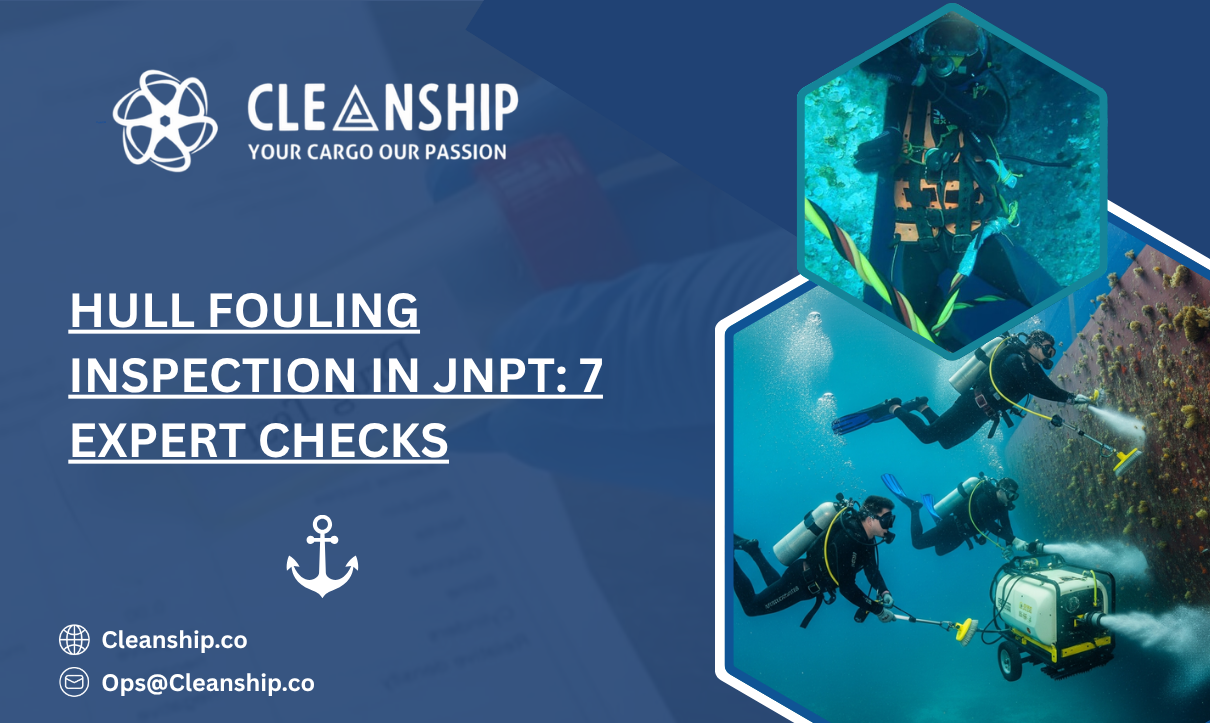
In the maritime industry, vessel efficiency often comes down to details that are not visible from the deck. One of the most overlooked yet critical factors affecting ship performance is hull fouling. Marine growth accumulating beneath the waterline can gradually reduce a vessel’s speed, increase fuel consumption, and place additional strain on machinery. Before shipowners decide whether cleaning or maintenance is necessary, they need an accurate assessment of the vessel’s underwater condition. This is where Hull Fouling Inspection in Kandla becomes an essential marine service. As one of India’s busiest commercial ports, Kandla receives a steady flow of tankers, bulk carriers, container ships, and offshore support vessels. With vessels operating continuously in varying sea conditions, underwater inspections have become a practical tool for maintaining operational efficiency and controlling maintenance costs. Rather than relying on assumptions, ship operators increasingly use professional hull fouling inspections to make informed maintenance decisions. Understanding Hull Fouling Hull fouling refers to the accumulation of marine organisms on a vessel’s submerged surfaces. The process begins with a thin layer of slime and gradually develops into more extensive growth such as algae, barnacles, mussels, and other marine species. Although this buildup may appear harmless at first, its impact can be significant. A fouled hull creates additional resistance as the vessel moves through water. The engines must work harder to maintain speed, resulting in higher fuel consumption and increased emissions. Common Types of Hull Fouling The severity of fouling depends on several factors, including vessel trading patterns, water temperature, idle periods, and the condition of the antifouling coating. Why Hull Fouling Inspection Matters Many shipowners focus on cleaning once performance begins to decline. However, waiting for visible operational issues may not always be the most cost-effective approach. A professional Hull Fouling Inspection in Kandla provides valuable information before performance losses become substantial. Early Detection of Marine Growth Regular inspections allow vessel operators to identify fouling during its early stages. Instead of scheduling unnecessary cleaning, operators can assess the actual condition of the hull and plan maintenance accordingly. Improved Maintenance Planning Inspections help shipping companies determine whether underwater cleaning is required immediately or if maintenance can be postponed until the next port call or dry dock. This flexibility helps optimize maintenance budgets and vessel schedules. Better Fuel Management Fuel remains one of the largest operating expenses for most vessels. By understanding the extent of hull fouling, operators can identify potential causes of increased fuel consumption and take corrective action before costs escalate. The Growing Demand for Hull Fouling Inspection in Kandla The demand for Hull Fouling Inspection in Kandla has increased as shipping companies focus more closely on fuel efficiency, environmental performance, and predictive maintenance. Kandla’s strategic location on India’s west coast makes it a frequent port of call for vessels operating between the Middle East, Africa, Southeast Asia, and domestic Indian trade routes. For example, a tanker operating on regular Gulf-to-India voyages may experience varying levels of marine growth depending on trading conditions and port waiting times. Rather than immediately arranging underwater cleaning, ship managers often request a hull fouling inspection first to assess the actual condition of the vessel. This approach prevents unnecessary maintenance expenses while ensuring performance standards are maintained. How Hull Fouling Inspection Is Conducted Modern underwater inspections combine experienced commercial divers with advanced imaging technology to provide accurate assessments of hull conditions. Initial Planning Before the inspection begins, marine service providers coordinate with ship management, agents, and port authorities. Factors considered include: Proper planning ensures efficient inspection without disrupting cargo operations. Underwater Visual Inspection Commercial divers conduct a systematic survey of the vessel’s underwater surfaces. Inspection areas typically include: Divers assess both the extent and type of fouling present on the vessel. Video and Photographic Documentation Most professional providers performing Hull Fouling Inspection in Kandla use underwater cameras to capture visual evidence. These images and videos provide shipowners with clear documentation of: This documentation supports informed maintenance decisions and future inspections. Benefits of Hull Fouling Inspection in Kandla Accurate Condition Assessment A detailed inspection eliminates guesswork. Shipowners receive a realistic understanding of the vessel’s underwater condition rather than relying solely on performance data. Reduced Maintenance Costs Not every vessel requires immediate cleaning. Inspections help identify whether fouling levels justify maintenance expenses, allowing operators to avoid unnecessary service costs. Enhanced Fuel Efficiency When fouling is identified early, corrective actions can be taken before fuel penalties become significant. This contributes to improved operational efficiency and lower voyage costs. Extended Coating Life Frequent cleaning is not always beneficial if fouling levels remain low. Hull inspections help ship managers balance cleaning schedules while protecting valuable antifouling coatings. Regulatory Compliance Support Environmental regulations and vessel efficiency requirements continue to evolve. Routine inspections provide maintenance records that support compliance and demonstrate proactive vessel management. Challenges in Hull Fouling Inspection Although inspections offer substantial benefits, conducting underwater assessments in active port environments requires expertise and careful coordination. Water Visibility Conditions Underwater visibility can vary depending on weather, sediment levels, and tidal conditions. Experienced divers adapt inspection techniques to maintain accuracy even in challenging environments. Tidal Variations The Gulf of Kutch experiences strong tidal movements that can influence underwater operations. Professional inspection teams plan work around favorable conditions whenever possible. Vessel Access Requirements Each vessel presents unique access challenges based on hull design, draft, and operational status. Experienced inspectors understand how to efficiently examine all critical areas while maintaining safety standards. Choosing the Right Inspection Provider The quality of an underwater inspection depends heavily on the experience and capabilities of the service provider. Key Selection Factors Qualified Commercial Divers Professional divers should possess extensive experience in underwater ship inspections and marine maintenance operations. Advanced Inspection Technology High-quality cameras and imaging systems improve documentation and reporting accuracy. Safety Procedures Strong safety practices are essential when working around large vessels and active port operations. Detailed Reporting A comprehensive inspection report should include photographs, video evidence, fouling assessments, and maintenance recommendations. The Future of Hull Fouling Inspection in Kandla The maritime industry is increasingly embracing
Read more
Sea Chest Cleaning in Kandla vessel cooling system

Sea Chest Cleaning in Kandla Ensuring Vessel Cooling System

Sea Chest Cleaning in Kandla Modern ships rely on a complex network of systems to operate safely and efficiently. While components like engines, propellers, and hull structures receive significant attention, there is another critical area that often remains out of sight—the sea chest. Located below the waterline, sea chests act as the primary intake points for seawater used in various onboard systems. These include engine cooling, ballast operations, firefighting systems, air conditioning units, and auxiliary machinery. When sea chests become blocked by marine growth, debris, or sediment, vessel performance can quickly be affected. This is why Sea Chest Cleaning in Kandla has become an essential underwater maintenance service for shipowners and operators calling at one of India’s busiest commercial ports. Regular cleaning helps ensure uninterrupted seawater flow, protects critical equipment, and minimizes the risk of costly operational disruptions. For vessels trading through the Gulf of Kutch and surrounding waters, proactive sea chest maintenance is often the difference between smooth operations and unexpected technical issues. Understanding the Function of a Sea Chest A sea chest is essentially a recessed compartment built into a vessel’s hull. It allows seawater to enter the ship through intake openings protected by gratings and strainers. The seawater collected through the sea chest is then distributed to several onboard systems that depend on continuous water flow. Systems Connected to Sea Chests If seawater intake becomes restricted, the consequences can affect multiple systems simultaneously. This makes routine Sea Chest Cleaning in Kandla an important part of preventive vessel maintenance. Why Sea Chests Become Blocked Sea chests operate continuously in marine environments where biological growth develops naturally. Over time, various materials can accumulate inside the compartment and on protective gratings. Common Causes of Sea Chest Blockages The warm coastal waters around many Indian ports create favorable conditions for marine growth. Vessels that remain at anchor for extended periods are often more vulnerable to fouling. For example, a bulk carrier waiting several days for cargo operations may experience accelerated marine growth around seawater intake areas. If left unchecked, this buildup can restrict water flow and impact engine cooling efficiency. The Growing Need for Sea Chest Cleaning in Kandla Kandla, officially known as Deendayal Port, handles substantial traffic from bulk carriers, tankers, container vessels, and offshore support vessels. As vessel traffic increases, demand for Sea Chest Cleaning in Kandla continues to rise. Many shipping companies now schedule underwater inspections and cleaning services during port calls rather than waiting for dry-docking periods. This approach offers several advantages. The vessel remains operational, downtime is minimized, and potential issues can be identified before they develop into major mechanical problems. In today’s shipping environment, where delays can lead to significant commercial losses, preventive maintenance has become a practical necessity rather than an optional expense. How Sea Chest Cleaning Is Performed Professional underwater cleaning teams use specialized equipment and proven techniques to remove marine growth, debris, and sediment from sea chests while the vessel remains afloat. This process helps restore proper seawater flow, improve equipment efficiency, and minimize the need for costly dry-docking operations. Initial Underwater Inspection The process begins with a thorough inspection performed by commercial divers. The inspection focuses on: Divers assess the extent of fouling before determining the most effective cleaning method. Cleaning Operations Once the inspection is completed, divers remove marine growth and accumulated debris using underwater cleaning tools. The cleaning process may include: Particular attention is given to restoring unrestricted water flow through intake openings. Final Verification After cleaning, divers perform a post-cleaning inspection to confirm that the sea chest is clear and functioning properly. Many marine service providers supply photographic and video evidence, allowing vessel managers to verify completed work and maintain maintenance records. Benefits of Sea Chest Cleaning in Kandla Improved Cooling System Performance One of the primary benefits of Sea Chest Cleaning in Kandla is maintaining efficient cooling water circulation. Blocked sea chests can reduce water flow to engines and auxiliary systems, increasing the risk of overheating. Regular cleaning helps ensure that cooling systems operate at their intended capacity. Reduced Risk of Equipment Failure Restricted seawater intake can place additional strain on pumps, heat exchangers, and cooling equipment. Maintaining clean sea chests reduces the likelihood of unexpected failures and expensive emergency repairs. Enhanced Operational Reliability Vessel operators depend on consistent machinery performance throughout each voyage. A clean sea chest supports uninterrupted operation of essential onboard systems, reducing the risk of technical delays. Improved Fuel Efficiency Although sea chest cleaning is primarily associated with cooling systems, it can also contribute indirectly to fuel efficiency. When cooling systems function properly, engines operate within optimal temperature ranges, helping maintain efficient fuel consumption. Lower Maintenance Costs Preventive maintenance is almost always less expensive than corrective maintenance. Regular Sea Chest Cleaning in Kandla helps shipowners avoid larger repair costs associated with cooling system failures and machinery damage. Challenges Associated with Sea Chest Maintenance Cleaning sea chests requires expertise, planning, and adherence to safety standards. Restricted Working Areas Sea chests are confined spaces that can be difficult to access during underwater operations. Experienced divers are required to perform cleaning safely and effectively. Environmental Conditions The Gulf of Kutch experiences strong tidal variations, changing currents, and varying underwater visibility. Professional marine service providers understand these conditions and schedule operations accordingly. Port Coordination Underwater maintenance activities often require coordination with vessel agents, port authorities, and ship management teams. Efficient planning helps ensure that cleaning work is completed without interfering with cargo operations. Choosing the Right Sea Chest Cleaning Provider Not all underwater service providers offer the same level of experience and technical capability. Shipowners should evaluate potential contractors carefully. Important Selection Factors Experienced Commercial Divers Qualified divers understand vessel systems and underwater maintenance procedures. Modern Equipment Advanced cleaning tools improve efficiency and help achieve better cleaning results. Safety Standards Strong safety practices are essential when working around active vessels and busy port environments. Inspection Documentation Detailed reports, photographs, and video inspections provide valuable maintenance records for vessel operators. The Future of Sea Chest Cleaning in
Read more
Propeller Polishing in Kandla for vessel efficiency

Propeller Polishing in Kandla Smart Investment for ship Efficiency

Propeller Polishing in Kandla In the shipping industry, even small inefficiencies can lead to significant operational costs over time. While shipowners often focus on engine performance, fuel management, and hull maintenance, one critical component is sometimes overlooked—the propeller. A vessel’s propeller plays a direct role in converting engine power into forward movement. When its surface becomes rough due to marine growth, corrosion, scaling, or minor damage, efficiency starts to decline. The vessel may require more power to maintain speed, resulting in increased fuel consumption and higher operating costs. This is why Propeller Polishing in Kandla has become an essential maintenance service for ship operators visiting one of India’s busiest ports. Regular propeller polishing helps vessels maintain optimum performance while reducing fuel expenses and supporting environmental compliance. For shipping companies operating in competitive markets, maintaining a smooth and efficient propeller is no longer just a maintenance task. It has become part of a broader strategy to improve vessel performance and profitability. Why Propeller Condition Matters The propeller is one of the hardest-working components on any vessel. Whether it’s a bulk carrier, tanker, container vessel, or offshore support ship, the propeller operates continuously in challenging marine conditions. Over time, seawater exposure causes various forms of surface deterioration. Common Issues Affecting Propellers Even a small amount of roughness on the propeller blades can increase drag and reduce propulsion efficiency. A vessel may not immediately notice the impact, but over months of operation, fuel consumption gradually rises. For large vessels consuming several tons of fuel daily, this translates into substantial additional costs. Growing Demand for Propeller Polishing in Kandla Kandla, officially known as Deendayal Port, serves as a major hub for international and coastal shipping. The port handles a wide range of cargo, including petroleum products, fertilizers, chemicals, containers, and dry bulk commodities. As vessel traffic continues to grow, demand for Propeller Polishing in Kandla has increased significantly. Many ship operators now schedule underwater propeller maintenance during port calls to improve vessel efficiency without waiting for dry-docking periods. For example, a bulk carrier operating between the Persian Gulf and western Indian ports may call at Kandla several times each year. Instead of allowing propeller performance to deteriorate between dry docks, operators often arrange underwater polishing services during scheduled port stays. This proactive approach helps maintain consistent performance throughout the vessel’s trading cycle. How Propeller Polishing Is Performed Modern propeller polishing is typically carried out while the vessel remains afloat. Professional diving teams use specialized underwater equipment designed to restore the propeller’s smooth surface without causing damage. Initial Inspection Before polishing begins, divers perform a detailed underwater inspection. They assess: The inspection helps determine the most suitable polishing method. Polishing Process Once the assessment is complete, divers use hydraulic or pneumatic polishing equipment to clean and polish the propeller blades. The goal is to remove: Careful attention is paid to maintaining the original blade profile. An experienced team understands that excessive polishing can affect blade geometry, so precision is critical throughout the process. Final Verification After polishing, divers conduct a final inspection to verify the results. Many service providers also supply underwater photographs and video documentation, allowing ship managers to review the completed work. Benefits of Propeller Polishing in Kandla Improved Fuel Efficiency One of the biggest advantages of Propeller Polishing in Kandla is fuel savings. A smooth propeller experiences less resistance in the water and transfers engine power more effectively. Studies across the shipping industry have consistently shown that a polished propeller can contribute to measurable reductions in fuel consumption. For fleet operators managing multiple vessels, these savings can be substantial over the course of a year. Better Vessel Performance A clean propeller allows the vessel to achieve desired speeds with less engine effort. Captains often notice improvements in: These performance gains become especially valuable on time-sensitive voyages where maintaining schedules is critical. Lower Carbon Emissions Fuel efficiency and environmental performance go hand in hand. As vessels consume less fuel, they generate fewer emissions. Many shipping companies now include routine Propeller Polishing in Kandla as part of their sustainability and emissions-reduction strategies. Reduced Engine Load When a propeller operates efficiently, the main engine does not need to work as hard to maintain vessel speed. Reduced engine strain can contribute to lower maintenance requirements and improved equipment longevity. Why Kandla Is an Ideal Location for Propeller Maintenance Kandla’s strategic location on India’s west coast makes it a convenient maintenance point for vessels operating throughout the Middle East, Africa, and Asia trade routes. Many vessels already spend time at anchorages or berths while cargo operations take place. This creates an opportunity for shipowners to complete underwater maintenance activities without disrupting voyage schedules. Marine service providers in Kandla have developed extensive experience working with: Their familiarity with port operations allows maintenance work to be completed efficiently within available time windows. Key Factors When Choosing a Propeller Polishing Service Not all underwater maintenance providers offer the same level of expertise, equipment, or service quality. Shipowners should carefully assess several factors to ensure safe, effective, and reliable propeller polishing operations. Experienced Commercial Divers Skilled commercial divers play a critical role in achieving high-quality polishing results. Their training and underwater experience help ensure the work is performed safely, efficiently, and without damaging the propeller surface. Advanced Equipment Modern polishing tools and underwater inspection equipment improve cleaning efficiency and surface finish quality. Advanced technology also helps reduce operational risks and ensures consistent polishing standards. Safety Compliance Propeller polishing is often conducted in busy port environments where safety is a top priority. Contractors should follow strict safety procedures, risk assessments, and industry regulations to protect personnel, vessels, and port operations. Inspection and Reporting Comprehensive inspection reports, photographs, and underwater videos provide clear documentation of completed work. These records help vessel managers monitor propeller condition, plan maintenance schedules, and maintain service histories. The Future of Propeller Polishing in Kandla As fuel costs remain unpredictable and environmental regulations become stricter, ship operators are placing greater emphasis on operational efficiency. Technological advancements are also
Read more
Underwater Hull Cleaning in Kandla port area

Underwater Hull Cleaning in Kandla Enhancing ship Performance

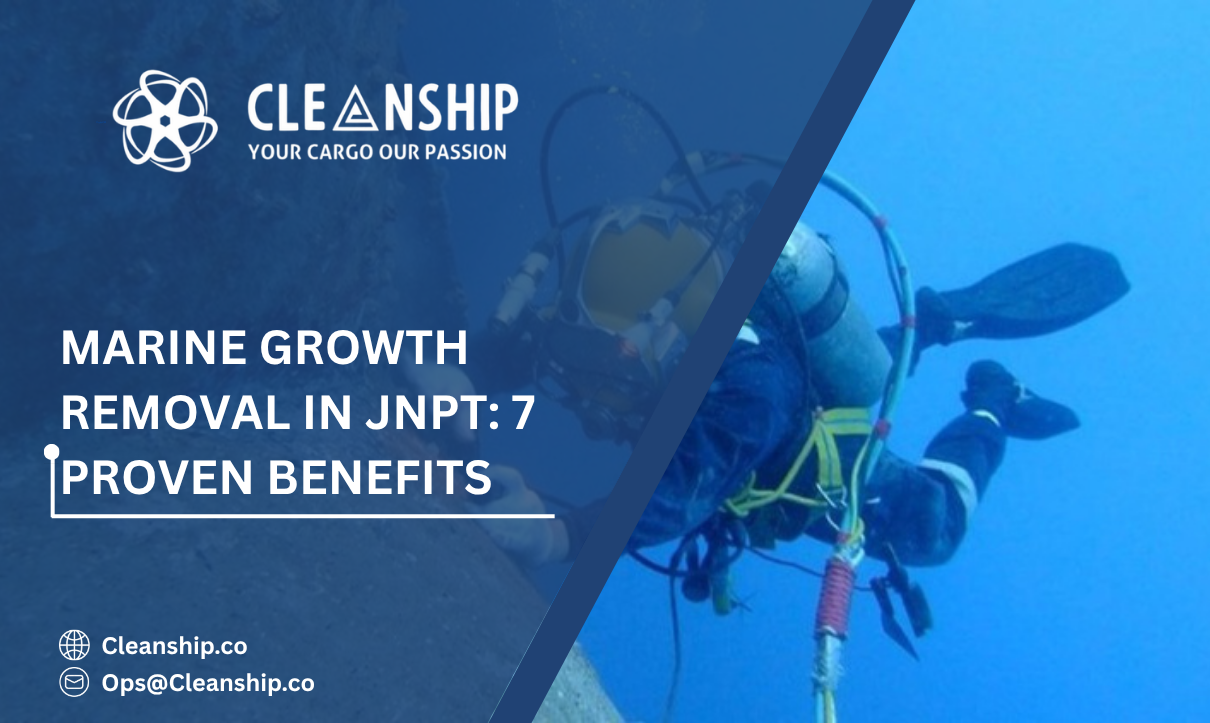
Underwater Hull Cleaning in Kandla Kandla Port, officially known as Deendayal Port, remains one of India’s busiest maritime gateways. Located on the Gulf of Kutch in Gujarat, it handles a significant volume of cargo ranging from crude oil and fertilizers to containers and bulk commodities. With hundreds of vessels calling at the port every month, maintaining ship efficiency is a constant priority for operators. One service that has become increasingly important for vessel owners and managers is Underwater Hull Cleaning in Kandla. Marine growth on a vessel’s hull may seem like a minor issue at first, but it can have a direct impact on fuel consumption, vessel speed, emissions, and overall operational costs. As vessels spend time at anchorage, berth, or during long trading voyages, marine organisms naturally attach themselves to submerged surfaces. Without timely intervention, this buildup can significantly affect a ship’s performance. That’s where professional underwater hull cleaning services play a critical role. Why Hull Fouling Is a Major Concern The underwater section of every vessel is continuously exposed to seawater. Over time, algae, slime, barnacles, mussels, and other marine organisms accumulate on the hull surface. Even a thin layer of slime can increase hydrodynamic resistance. As the fouling grows, the vessel requires more engine power to maintain the same speed. Common Effects of Hull Fouling For a large bulk carrier or tanker visiting Kandla regularly, fuel expenses often represent one of the biggest operational costs. A fouled hull can increase fuel consumption by 10% to 30% depending on the severity of marine growth. The Growing Demand for Underwater Hull Cleaning in Kandla The shipping industry is under constant pressure to improve efficiency while reducing environmental impact. As a result, demand for Underwater Hull Cleaning in Kandla has grown steadily over the last few years. Shipping companies operating along the western coast of India frequently schedule hull inspections and cleaning during port calls to avoid costly dry-docking whenever possible. For example, a tanker trading between the Middle East and Indian ports may spend only a short period at Kandla. Instead of waiting for its next dry dock, operators often choose underwater cleaning services to restore hull performance without disrupting the vessel’s schedule. This approach helps maintain operational continuity while improving fuel efficiency almost immediately. How Underwater Hull Cleaning Is Performed Modern underwater cleaning operations are conducted by trained commercial divers using specialized equipment. The process begins with an underwater inspection to assess the level of fouling and identify any damage to the hull coating. Inspection Stage Divers or remotely operated inspection systems examine: After the assessment, the cleaning method is selected based on vessel type and coating condition. Cleaning Process Divers use rotating brushes, hydraulic cleaning systems, or specialized hull-cleaning equipment designed to remove marine growth without damaging protective coatings. Particular attention is given to: Once cleaning is completed, a final inspection confirms the effectiveness of the operation. Benefits of Underwater Hull Cleaning in Kandla Improved Fuel Efficiency One of the most immediate benefits of Underwater Hull Cleaning in Kandla is reduced fuel consumption. A clean hull moves more smoothly through the water, reducing drag and allowing the vessel to maintain speed with less engine power. For fleet operators managing multiple vessels, even a small reduction in fuel usage can translate into substantial annual savings. Enhanced Vessel Performance Hull fouling directly affects maneuverability and speed. After cleaning, many ship operators report noticeable improvements in vessel responsiveness and overall sailing performance. This is particularly important for vessels operating on strict schedules where delays can result in significant commercial losses. Reduced Carbon Emissions The maritime sector faces increasing environmental regulations. A cleaner hull means lower fuel consumption, which naturally leads to reduced carbon dioxide emissions. This helps vessel operators align with international sustainability objectives while improving operational efficiency. Extended Coating Life Marine growth can place additional stress on hull coatings. Regular underwater cleaning helps preserve the effectiveness of antifouling systems and may extend the lifespan of protective coatings, reducing maintenance expenses over time. Challenges of Hull Cleaning Operations While the advantages are clear, underwater cleaning requires careful planning and professional execution. Environmental Considerations Marine authorities often regulate cleaning activities to prevent invasive species transfer and minimize environmental impact. Cleaning providers must follow established procedures and use approved methods that comply with port and environmental requirements. Visibility and Tidal Conditions The Gulf of Kutch experiences varying tidal conditions that can influence underwater operations. Experienced diving teams understand local environmental factors and plan cleaning activities accordingly to ensure safety and efficiency. Vessel Scheduling Port stays are often limited. Service providers performing Underwater Hull Cleaning in Kandla must coordinate closely with vessel agents, ship managers, and port authorities to complete operations within available time windows. Choosing a Professional Hull Cleaning Service Not all underwater cleaning providers offer the same level of expertise. When selecting a contractor, vessel operators should consider several factors. Key Selection Criteria Experienced Commercial Divers Qualified divers understand vessel structures and can safely perform cleaning operations in busy port environments. Modern Equipment Advanced cleaning technology improves efficiency while reducing the risk of coating damage. Safety Standards A strong safety record demonstrates professionalism and operational reliability. Inspection Capabilities Many providers offer underwater video inspections before and after cleaning, giving shipowners valuable documentation of hull condition. Future of Underwater Hull Cleaning in Kandla As fuel costs continue to fluctuate and environmental regulations become stricter, proactive hull maintenance will remain a key component of vessel management. Digital inspection technologies, robotic cleaning systems, and environmentally responsible cleaning methods are gradually transforming the sector. Kandla’s strategic position as a major Indian port means demand for underwater maintenance services is expected to increase alongside vessel traffic. Ship operators are increasingly viewing underwater hull cleaning not as a corrective measure but as part of a planned efficiency strategy. Conclusion Underwater Hull Cleaning in Kandla has become an essential service for modern vessel operators seeking to improve fuel efficiency, reduce operating costs, and maintain regulatory compliance. Marine growth may develop gradually, but its impact on vessel performance
Read more
Tank cleaning in Fujairah Port for safe and efficient marine operations

Tank Cleaning in Fujairah: 7 Essential Safety Benefits

Tank Cleaning in Fujairah: 7 Essential Safety Benefits Fujairah sits at a rare crossroads of global trade. Outside the Strait of Hormuz and directly connected to major East–West shipping lanes, it has grown into one of the UAE’s most critical marine service hubs. In this environment, tank cleaning in Fujairah is not just routine maintenance. It is a safety discipline that protects crews, cargoes, ports, and the marine ecosystem while keeping vessels compliant and commercially viable. We see tank cleaning as the quiet work that prevents loud failures. Below are seven essential safety benefits, explained through real maritime practice, global regulations, and practical experience. Why the UAE Is a Global Hub for Marine Cleaning The UAE combines strategic geography with advanced port infrastructure. Fujairah Port, in particular, supports bunkering, storage terminals, and offshore operations at scale. This concentration of activity increases risk exposure if tanks, holds, and bulk spaces are not cleaned to standard. Strict enforcement of international rules and port state control means vessels calling at Fujairah must demonstrate clean, gas-free, and safe tanks before loading, inspection, or repair. Understanding Tank Cleaning in Modern Shipping Tank cleaning involves the controlled removal of residues, sludge, vapors, and contaminants from cargo tanks. These residues may come from crude oil, refined products, chemicals, or edible cargoes. Poorly cleaned tanks can become confined-space hazards or trigger cargo contamination claims. When we talk about tank cleaning in Fujairah, we include associated practices such as hold cleaning for bulk carriers and pre-inspection cleaning before surveys or repairs. Safety Benefit 1: Reduced Risk of Fire and Explosion Residual hydrocarbons and vapors are invisible threats. Even a small pocket of flammable gas can ignite during hot work or loading. Professional tank cleaning lowers this risk by: Think of it like clearing dry brush before wildfire season. You are not preventing sparks, but you are removing the fuel. Safety Benefit 2: Compliance With International Regulations Global shipping operates under shared rules. In Fujairah, authorities expect strict adherence to: Proper tank cleaning supports compliance documentation and minimizes delays during inspections by port state control or charterer representatives. Safety Benefit 3: Protection of Crew Health and Life Tank entry remains one of the most dangerous tasks at sea. Toxic gases, low oxygen levels, and slippery surfaces combine into a high-risk environment. Safe tank cleaning practices include: By reducing exposure to hazardous conditions, you protect not just compliance records but human lives. Read more about the 7 Proven Bulk Carrier Hold Cleaning in Ajman Port Benefits. Safety Benefit 4: Environmental Protection and Spill Prevention Fujairah’s coastline and nearby marine ecosystems are economically and environmentally valuable. Poor tank cleaning can lead to accidental discharge of residues during ballasting or washing. Effective cleaning ensures: Environmental incidents do not stay local. They ripple through insurance, reputation, and future port access. Safety Benefit 5: Safer Cargo Changeovers Cargo contamination is a silent financial killer. Residues left from previous cargoes can react chemically or degrade new loads. Tank cleaning before cargo changeovers: For chemical and product tankers, this benefit alone often justifies the entire operation. Safety Benefit 6: Improved Inspection and Maintenance Accuracy Surveyors cannot assess steel condition through sludge. Classification societies and marine supercargo inspectors rely on clean tanks to evaluate corrosion, coatings, and structural integrity. Clean tanks enable: In practice, cleaning becomes a diagnostic tool, not just housekeeping. Safety Benefit 7: Cost Control Through Risk Reduction Safety and cost are not opposites. They are partners. Well-executed tank cleaning reduces: Over a vessel’s lifecycle, preventive cleaning is far cheaper than reactive crisis management. Tank, Hold, and Bulk Carrier Cleaning Standards While tank cleaning focuses on liquid cargo spaces, Fujairah also sees heavy demand for: Each space has different risk profiles, but the principle remains the same: cleanliness equals safety and compliance. Learn more about 7 Proven Vessel Hold Cleaning Services in Abu Dhabi. Inspection, Documentation, and Compliance Workflows Modern marine cleaning is paperwork-heavy for a reason. Authorities and charterers expect traceability. Typical workflows include: This documentation protects owners during disputes and audits. Role of Industry Practices and Service Providers Across global ports, companies like Cleanship.co illustrate standard industry practices rather than promotion. Their operations reflect common expectations in Fujairah, including: These services sit at the intersection of safety management and operational efficiency. Future Trends in Marine Cleaning and Safety Marine cleaning is evolving. We are seeing: Innovation is driven less by marketing and more by regulation, data, and risk reduction. Conclusion Tank cleaning in Fujairah delivers far more than visual cleanliness. First, it directly reduces fire, explosion, and confined-space risks for crews. Second, it ensures compliance with international frameworks such as IMO, MARPOL, IMCA, and IAPH, protecting vessels from delays and penalties. Third, it supports environmental protection and long-term cost control through prevention rather than repair. In a port as strategically important as Fujairah, safety is the currency of trust. For shipowners, operators, and charterers seeking reliable compliance and maritime service excellence, working with experienced industry practitioners such as Cleanship.co is a practical step toward safer, cleaner, and more resilient operations. FAQs:
Read more
Tank Cleaning in Kavala

Tank Cleaning in Kavala: 7 Proven Solutions

Tank Cleaning in Kavala Tank cleaning in Kavala is a mission-critical service for tankers, bulk carriers, and multipurpose vessels calling at this strategic Greek port. When you prepare a vessel for the next cargo, compliance and cleanliness are not optional—they define your commercial reputation. From petroleum residues to chemical traces and grain contamination, professional marine tank cleaning ensures safety, environmental protection, and smooth charter acceptance. Kavala’s position in the northern Aegean makes it a vital link between the Mediterranean and Black Sea trades. That location demands strict operational discipline and alignment with global maritime standards. Why Kavala Is Strategically Important for Marine Cleaning Operations Kavala supports regional oil, dry bulk, and general cargo movements. Vessels often arrive after multi-port voyages with mixed cargo histories. That means residues vary widely, from heavy fuel oil to agricultural dust. In such an environment, tank cleaning in Kavala must be precise and methodical. A rushed job can trigger survey rejections, demurrage, or environmental penalties. Port authorities aligned with global port frameworks such as IAPH World Ports expect documented, verifiable cleaning procedures. India’s Growing Influence in Marine Cleaning Expertise India has emerged as a technical backbone in marine services. Indian inspection agencies, marine superintendents, and cleaning specialists now support vessels worldwide. Why does this matter in Kavala? Because: You increasingly see collaboration between European ports and Indian-trained marine professionals to maintain standardized cleaning protocols. Regulatory Framework Governing Tank Cleaning in Kavala Compliance defines modern maritime operations. Every tank cleaning operation must align with: These are not abstract policies. They directly influence: Ignoring these frameworks risks port state control detentions and reputational damage. Understanding MARPOL and Residue Management Under the MARPOL Convention, oily residues and chemical washings must be handled through approved reception facilities. In Kavala, waste transfer documentation is mandatory. You must record: Without complete documentation, even a technically clean tank can fail compliance checks. IMCA Guidelines and Safety During Tank Cleaning IMCA focuses on safety management, particularly in confined space operations. Tank cleaning is a confined space activity. Vapors, oxygen deficiency, and flammable atmospheres are real risks. Safety protocols include: You cannot treat tank cleaning like washing a warehouse. It is a controlled industrial process. Solution 1: Pre-Cleaning Inspection and Cargo History Analysis Effective cargo tank washing in Kavala starts with inspection. We review: Think of it like a medical diagnosis. You do not prescribe treatment without understanding the symptoms. Marine supercargo professionals often lead this assessment. They interpret charter party cleanliness clauses and define target standards. Solution 2: Mechanical Tank Washing Systems Modern vessels use fixed tank washing machines. These rotating nozzles spray heated water or cleaning chemicals at controlled pressures. Benefits include: Bulk carrier hold cleaning follows similar principles but requires high-pressure washing for stubborn cargo residues like coal or bauxite dust. Solution 3: Chemical Cleaning for Complex Residues Certain cargoes leave polymerized or sticky residues. Mechanical washing alone may not suffice. Chemical cleaning agents dissolve or emulsify residues. However, selection must align with: Improper chemical use can damage coatings and increase long-term maintenance costs. Solution 4: Sludge Removal and Waste Transfer Compliance Sludge accumulation at tank bottoms must be physically removed before final inspection. This step often determines whether tank cleaning in Kavala meets survey standards. Best practices include: Port authorities expect traceable waste management records aligned with IMO environmental protocols. Solution 5: Drying, Ventilation, and Gas-Free Certification Cleaning does not end with washing. Tanks must be dried and ventilated. Why? Because residual moisture or vapors can: Gas-free certification confirms safe oxygen levels and absence of hazardous vapors before loading the next cargo. Solution 6: Inspection, Documentation, and Compliance Workflow Documentation protects your vessel. A structured workflow includes: Surveyors often refer to Final Quality Rules before approving holds or tanks for loading grain, chemicals, or refined products. Digital reporting systems reduce human error and strengthen audit trails. Solution 7: Continuous Crew Training and Safety Monitoring Tank and hold cleaning demand skilled crews. Drug and alcohol testing programs, common in responsible marine operators, enhance safety culture. Companies such as Cleanship.co integrate: These practices reflect industry maturity rather than marketing claims. Dry Bulk Carrier Hold Cleaning Standards in Kavala Dry bulk vessels face unique challenges. Grain cargoes demand “grain clean” standards, meaning no loose rust scale, paint flakes, or previous cargo traces. For coal or mineral cargoes, wash-down requirements focus on removing corrosive residues. Inspection checkpoints include: Failure at any point can delay loading and increase port costs. Environmental Protection and Cost Efficiency Environmental discipline is not just ethical—it is financial strategy. Clean operations: Spending on professional marine tank washing in Kavala saves far more than emergency corrective cleaning later. Future Trends in Marine Tank Cleaning Technology The industry is evolving toward: These innovations reduce human exposure and improve precision. As environmental regulations tighten under IMO frameworks, technological adaptation becomes mandatory. Ports aligned with global initiatives under IAPH are already encouraging greener cleaning technologies. The Role of Marine Supercargo in Quality Assurance A marine supercargo acts as an independent quality guardian. They verify cleaning standards, review documentation, and represent charterer interests. Their involvement: Professional oversight builds trust across shipowners, charterers, and port authorities. Conclusion Tank cleaning in Kavala demands more than water and chemicals. It requires regulatory alignment, disciplined workflow, and skilled execution. First, compliance with IMO, MARPOL Convention, and IMCA standards protects your vessel legally and environmentally. Second, structured inspection and documentation workflows prevent costly disputes. Third, trained crews and modern equipment ensure consistent quality. Marine operations today depend on trust, precision, and traceability. For operators seeking global compliance support, cargo supervision, and high-standard cleaning practices, Cleanship.co represents a professional benchmark in maritime service excellence. FAQs:
Read more
Shopping Cart (0 items)