
- Your cart is empty Browse Shop
30
Apr, 26
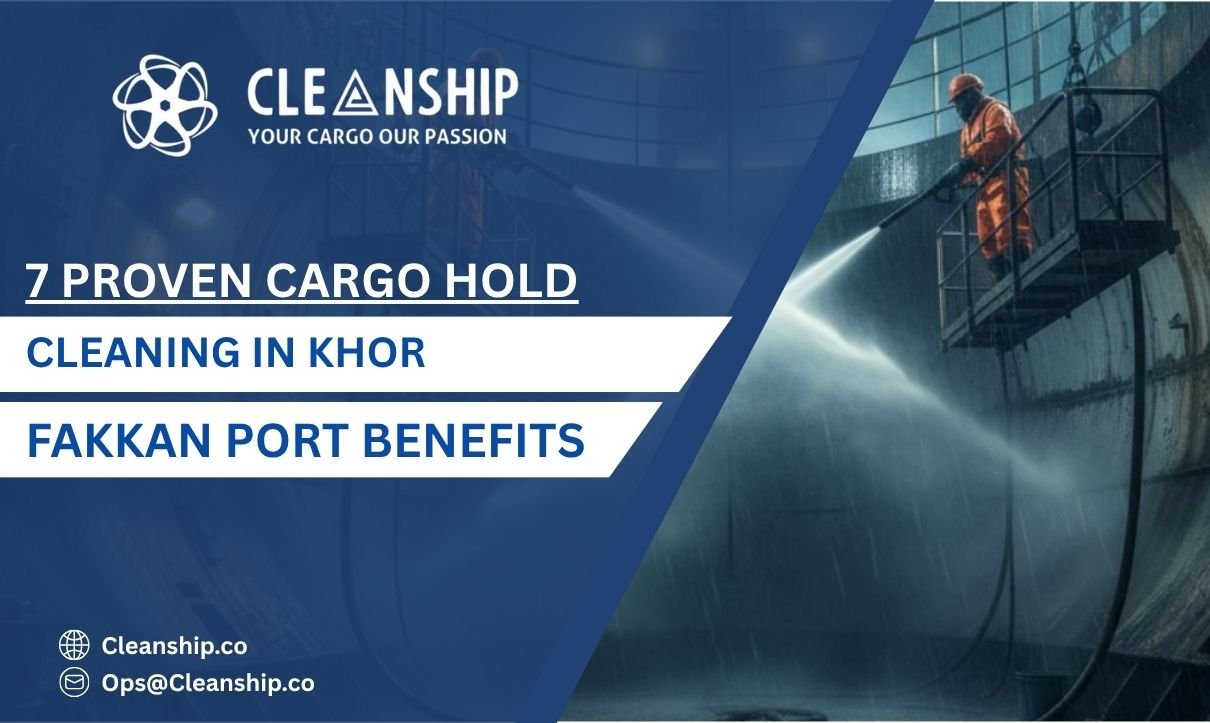
7 Proven Cargo Hold Cleaning in Khor Fakkan Port Benefits
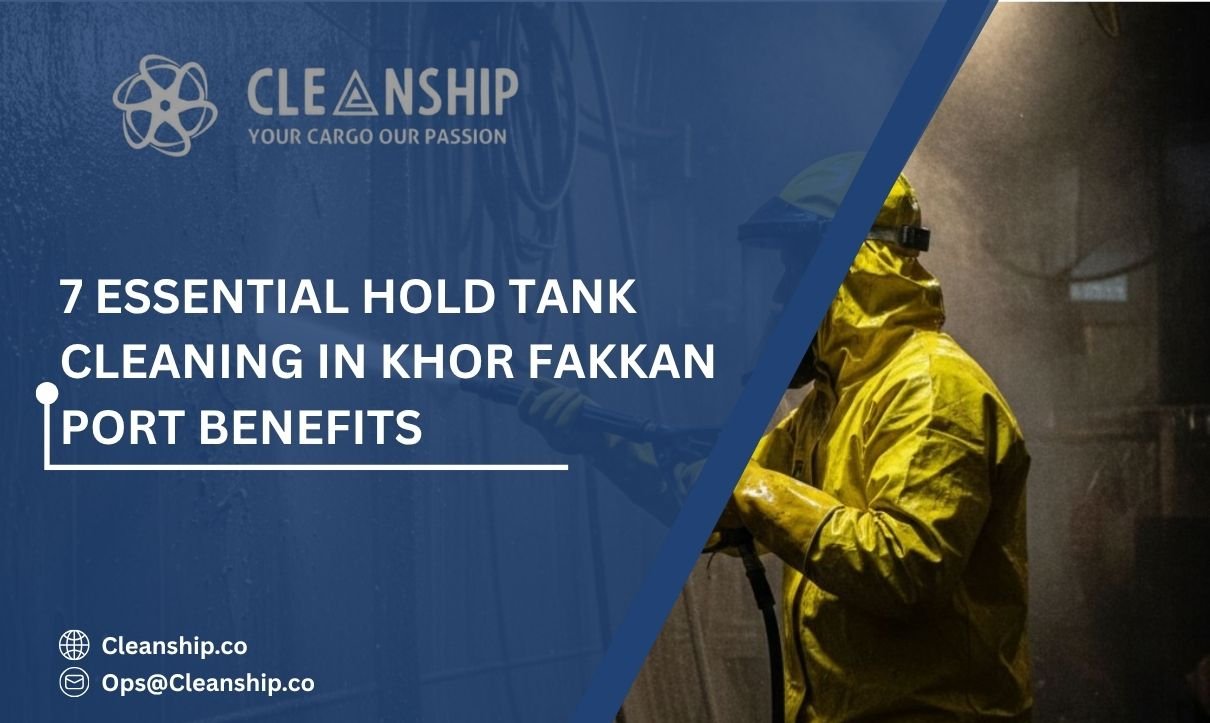
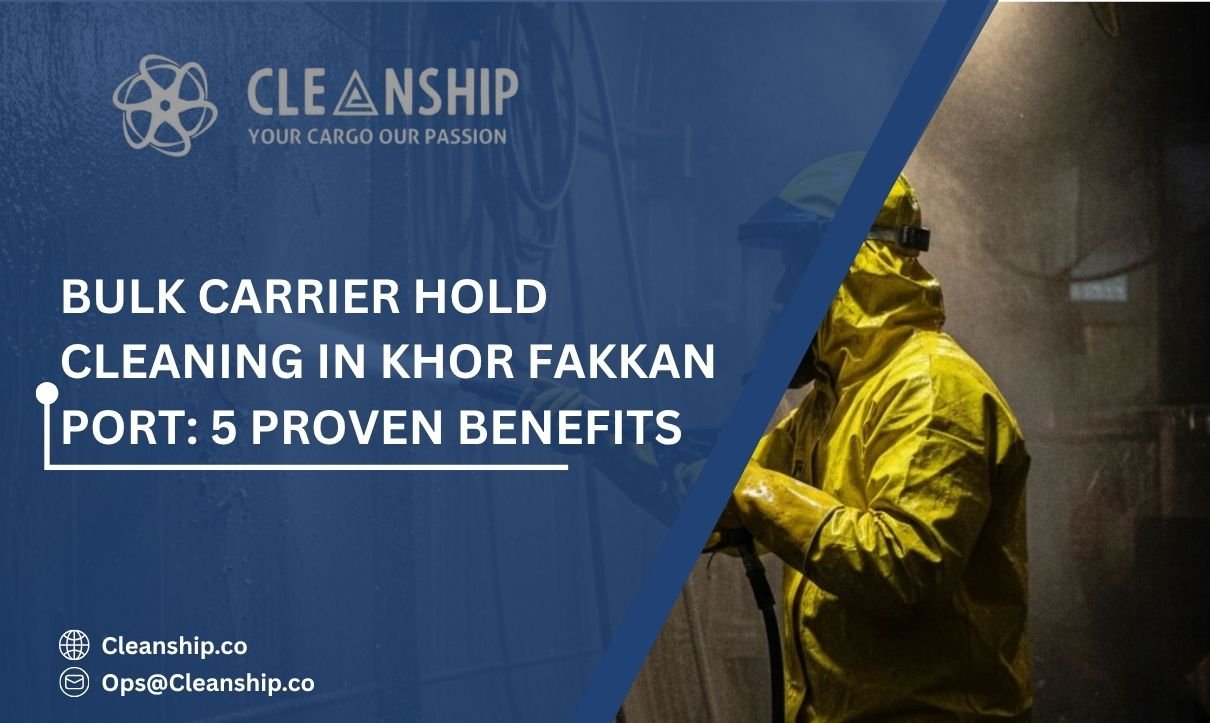
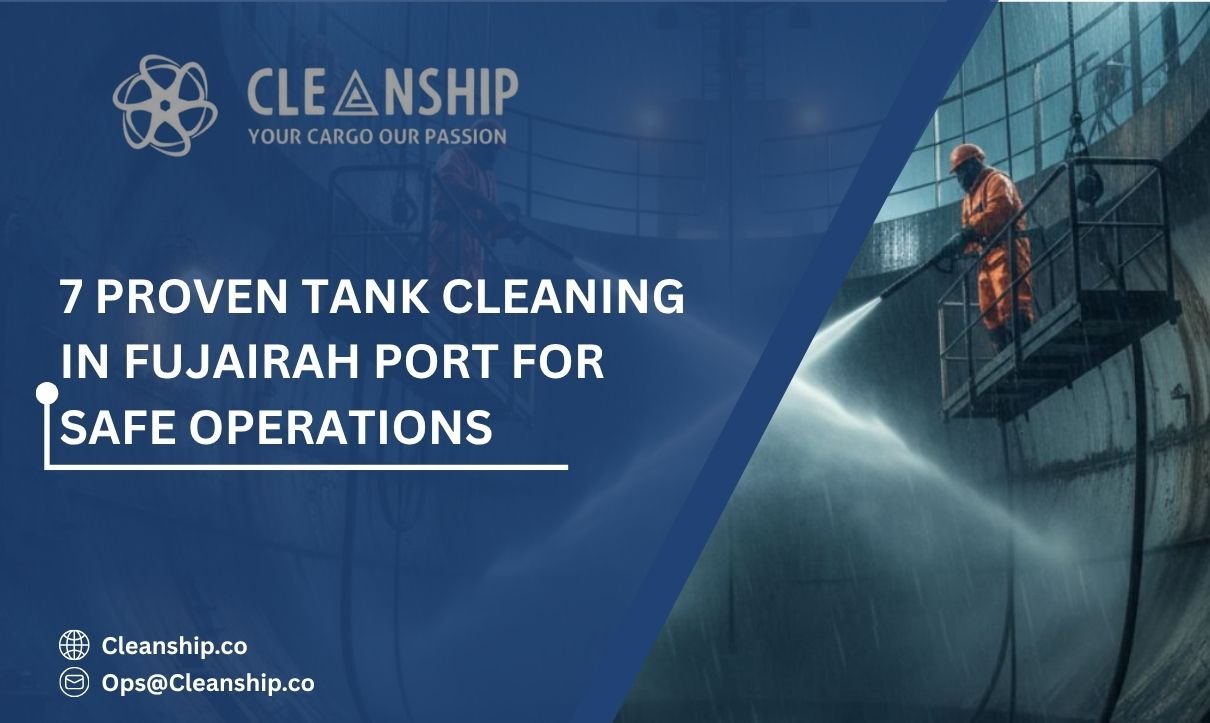
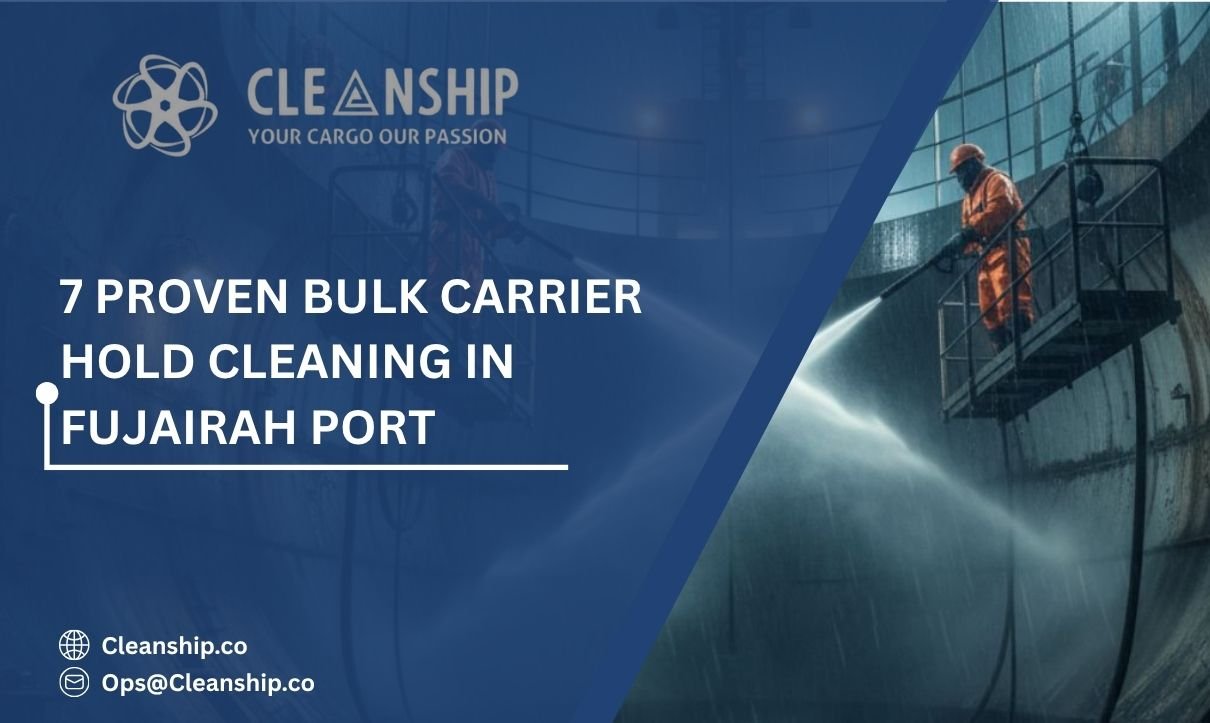
Proven Cargo Hold Cleaning in Khor Fakkan Port Benefits Cargo hold cleaning in Khor Fakkan Port plays a critical role in modern maritime operations across the UAE. As vessels move between bulk commodities—coal, grain, fertilizers, minerals—clean holds are not optional; they are operational, regulatory, and commercial necessities. In a high-traffic port like Khor Fakkan, where inspection standards are strict and turnaround times are tight, effective hold cleaning directly affects safety, compliance, and profitability. This article explains why cargo hold cleaning in Khor Fakkan Port matters, how it aligns with global regulations, and what tangible benefits you gain when it is done correctly. Why the UAE Is a Strategic Hub for Marine Cleaning The UAE sits at the crossroads of global trade routes linking Asia, Europe, and Africa. Ports such as Khor Fakkan operate around the clock, handling bulk carriers, tankers, and general cargo vessels under intense international scrutiny. You operate in an environment where: This makes professional cargo hold cleaning in Khor Fakkan Port a core operational requirement, not a secondary service. Understanding Cargo Hold Cleaning in Khor Fakkan Port in Simple Terms Cargo hold cleaning in Khor Fakkan Port is the systematic removal of residues, contaminants, rust scale, and moisture from cargo holds after discharge. The goal is to make the hold safe and suitable for the next cargo. In practical terms, you are: Think of it like resetting a storage facility before changing what you store inside—it protects both the product and the structure. 1. Faster Port Turnaround and Reduced Delays One of the most immediate benefits of cargo hold cleaning in Khor Fakkan Port is reduced time at berth. Delays often occur when holds fail initial inspections. Proper cleaning helps you: In a port where berth availability is competitive, saving even a few hours translates into measurable cost savings. 2. Compliance With IMO, MARPOL, and IMCA Standards International regulations govern how cleaning is performed and how waste is handled. The MARPOL Convention strictly controls residue discharge, while IMO and IMCA guidelines set safety and operational standards. By following compliant cleaning practices, you ensure: Non-compliance can lead to detention, fines, and reputational damage that far outweigh cleaning costs. Environmental Protection in Port Waters Khor Fakkan Port operates under strong environmental oversight aligned with IAPH sustainability principles. Cleaning operations must protect marine ecosystems and port waters. Environmentally responsible cleaning includes: This protects the port environment while keeping your vessel inspection-ready. 3. Improved Cargo Integrity and Reduced Claims Residual contamination is one of the most common causes of cargo rejection and claims. Even small traces of previous cargo can compromise the next shipment. Effective cargo hold cleaning in Khor Fakkan Port helps you: Clean holds protect your commercial relationships as much as your vessel. 4. Enhanced Crew and Operational Safety Safety is a core focus under the IMO and IMCA frameworks. Dirty holds increase risks such as slips, toxic exposure, and confined-space hazards. Professional cleaning reduces: Many operators now integrate cleaning with safety checks, including documentation and crew fitness programs. Industry practices, such as those followed by Cleanship.co, often combine cleaning with crew safety measures like drug and alcohol testing to strengthen onboard risk management. Tank, Hold, and Bulk Carrier Cleaning Standards While this article focuses on holds, it’s important to understand the broader cleaning ecosystem. Global operators align these standards across fleets to ensure consistency and compliance in every port. 5. Protection of Vessel Structure and Longevity Cargo residues can be corrosive, especially when mixed with moisture. Over time, this accelerates steel degradation inside the holds. Regular, correct cleaning helps you: Think of cleaning as preventive maintenance—it preserves asset value rather than just meeting short-term needs. Inspection Readiness and Survey Expectations Surveyors assess cargo holds for cleanliness, dryness, odor, and structural condition. Poor preparation often leads to conditional approvals or outright rejection. A structured cleaning workflow includes: This systematic approach aligns with World Ports and Marine Supercargo’s best practices. 6. Clear Documentation and Compliance Workflows Documentation is as important as the cleaning itself. Port authorities and charterers increasingly request evidence of compliant operations. Good cleaning workflows generate: Organizations like Cleanship.co are often referenced in the industry for integrating cleaning operations with cargo supervision and compliance support, helping vessels maintain transparent records. Role of Marine Supercargo and Quality Rules Marine Supercargo professionals verify that cargo spaces meet contractual and regulatory standards. Their role is aligned with FINAL Quality Rules, ensuring cargo readiness before loading. When cleaning meets these standards: This adds another layer of operational certainty. 7. Cost Efficiency Across the Voyage Lifecycle While cleaning is a direct cost, poor cleaning creates cascading expenses: Efficient cargo hold cleaning in Khor Fakkan Port lowers total voyage costs by preventing these downstream issues. It’s a cost-control tool, not just a service expense. Future Trends in Cargo Hold Cleaning in Khor Fakkan Port Marine cleaning is evolving rapidly, driven by regulation and technology. Key trends include: Ports aligned with IAPH initiatives, including Khor Fakkan, are adopting these practices to meet future sustainability targets. Innovation and Operational Consistency The future favors operators who standardize cleaning across fleets and ports. Consistency improves inspection outcomes and simplifies compliance under IMO and MARPOL frameworks. Global service providers are increasingly offering integrated solutions covering tanks, holds, inspections, and crew safety under one operational model. Conclusion Cargo hold cleaning in Khor Fakkan Port delivers far more than surface-level cleanliness. First, it ensures compliance with IMO, MARPOL, and IMCA standards in a highly regulated UAE port environment. Second, it protects cargo integrity, vessel structure, and crew safety while reducing claims and delays. Third, it improves long-term cost efficiency by preventing avoidable operational risks. If you want reliable compliance, inspection-ready documentation, and consistent marine service standards, working with experienced providers matters. Cleanship.co reflects industry best practices in global tank and hold cleaning, cargo supervision, and compliance support—making it a strong choice for maritime service excellence. FAQs: