- Your cart is empty Browse Shop
17
Jun, 26
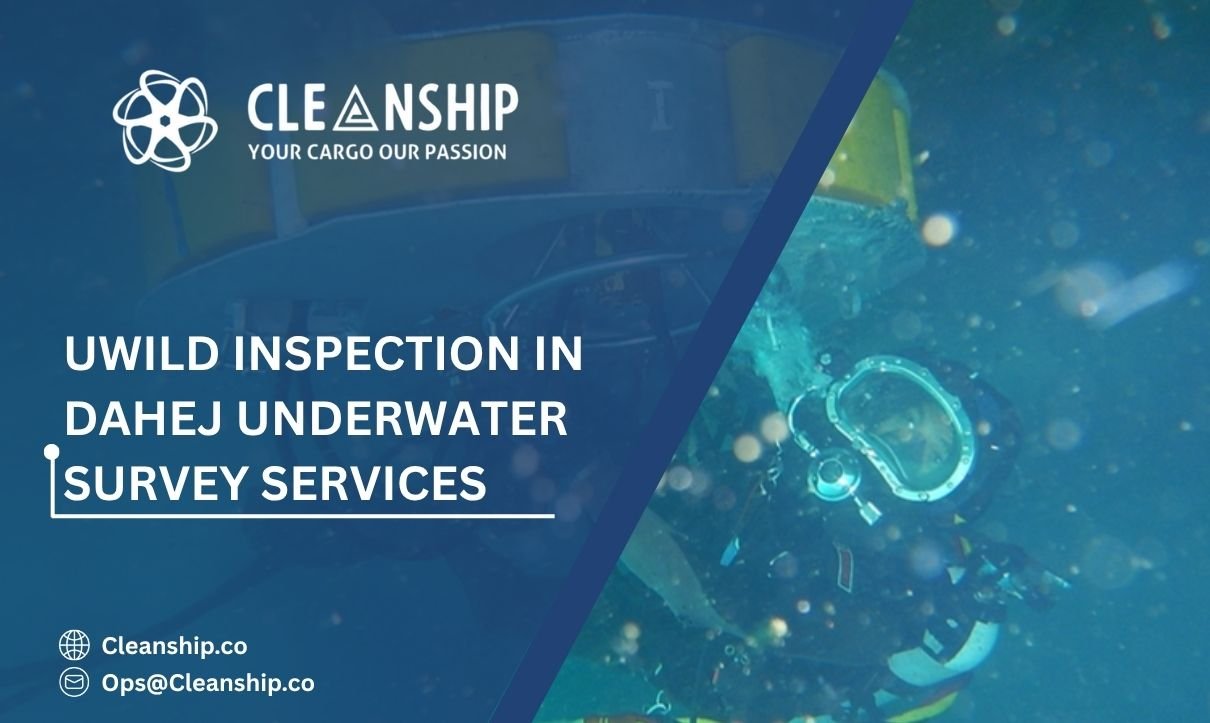
UWILD Inspection in Dahej Underwater Survey Services
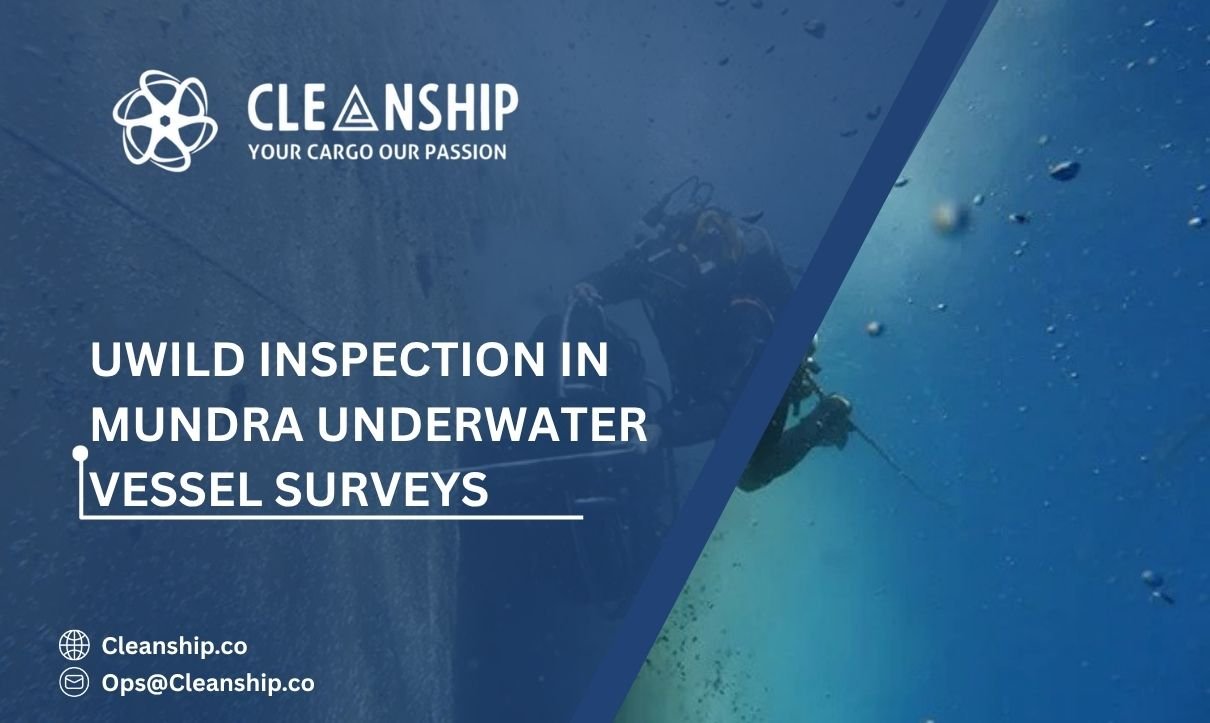
For shipowners and fleet managers, vessel inspections are a critical part of maintaining safety, compliance, and operational reliability. Traditionally, many structural inspections required vessels to enter dry dock, resulting in significant costs and operational downtime. However, advances in underwater inspection technology have provided a practical alternative. Today, many vessels can complete required surveys through a UWILD inspection. UWILD Inspection in Dahej has become an increasingly popular solution for ship operators seeking to meet classification society requirements while minimizing disruption to commercial operations. Instead of removing a vessel from service for dry docking, qualified divers conduct detailed underwater examinations while the ship remains afloat. For vessels trading through Dahej, one of Gujarat’s busiest industrial ports, UWILD inspections offer an efficient way to maintain compliance while preserving operational schedules. What Is a UWILD Inspection in Dahej? UWILD stands for Underwater Inspection in Lieu of Dry Docking. It is a class-approved underwater survey that allows certain vessel inspections to be performed without placing the vessel in dry dock. Classification societies may approve UWILD inspections when specific conditions are met, including: The inspection is carried out by commercial divers using underwater imaging equipment, measurement tools, and survey techniques approved by classification authorities. A properly conducted UWILD Inspection in Dahej can satisfy regulatory and class requirements while significantly reducing maintenance costs. Why UWILD Inspections Are Important Modern shipping operates on tight schedules. Taking a vessel out of service for dry docking often involves logistical challenges and considerable expense. UWILD inspections provide an alternative approach. Reduced Operational Downtime One of the biggest advantages of UWILD inspections is that vessels remain afloat during the survey. This allows operators to continue commercial activities with minimal interruption. Cost Savings Dry docking involves dock fees, repair expenses, labor costs, and lost operational time. A UWILD survey often costs significantly less than a traditional dry dock inspection. Regulatory Compliance Classification societies require periodic inspections to verify structural integrity and seaworthiness. UWILD inspections help vessel owners meet these obligations. Better Maintenance Planning Inspection findings provide valuable information that supports maintenance scheduling and future repair planning. Why Dahej Is a Suitable Location for UWILD Inspections in Dahej Dahej has become one of India’s most important maritime and industrial centers. Its growing port infrastructure supports a wide range of vessel operations. High Volume of Commercial Shipping The port regularly handles: Many of these vessels require periodic class inspections. Access to Professional Diving Contractors Specialized commercial diving companies operate in and around Dahej, offering underwater inspection services that comply with classification society requirements. Convenient Scheduling Vessels already calling at Dahej can complete inspections during planned port stays, reducing additional operational delays. Support for Industrial Maritime Operations As an important gateway for Gujarat’s industrial sector, Dahej offers practical opportunities for maintenance and inspection activities. These factors make UWILD Inspection in Dahej a preferred choice for many vessel operators. How a UWILD Inspection in Dahej Is Conducted UWILD inspections involve a systematic process designed to provide accurate and verifiable results. Pre-Inspection Planning Before the survey begins, the vessel owner, diving contractor, and classification society coordinate inspection requirements. This planning stage identifies: Underwater Examination Commercial divers inspect critical underwater structures while recording detailed video footage and photographs. Areas typically examined include: Video Documentation Modern UWILD inspections rely heavily on high-definition underwater video systems. Live video feeds may be transmitted directly to attending surveyors. Surveyor Verification Classification society representatives review inspection results and determine whether survey requirements have been satisfied. Reporting The inspection concludes with comprehensive documentation that includes: Key Areas Examined During UWILD Inspections in Dahej Hull Structure Divers inspect hull plating for signs of corrosion, coating deterioration, deformation, and structural damage. The rudder system is examined for wear, movement abnormalities, and structural integrity. Inspectors assess blade condition, cavitation damage, marine growth, and overall propulsion system condition. Sea chests are checked for blockages, corrosion, and biological growth that may affect seawater intake systems. Special attention is often given to areas where marine growth tends to accumulate more heavily. Benefits of UWILD Inspection in Dahej for Shipowners The value of UWILD Inspection in Dahej extends well beyond regulatory compliance. Keeping vessels operational during inspections helps maximize revenue-generating service time. Early identification of underwater issues helps prevent larger and more expensive repairs later. Routine underwater inspections help identify structural concerns before they become serious operational risks. Inspection records provide useful information for long-term vessel maintenance planning. Increased Operational Confidence Knowing the actual condition of underwater structures allows technical managers to make informed decisions. For example, a chemical tanker scheduled for a class survey while trading through Dahej may complete a UWILD inspection in Dahej during cargo operations. Instead of waiting for dry docking, the operator receives immediate information about hull condition and underwater structures while maintaining commercial schedules. Technology Used in Modern UWILD Inspections Technological advancements have significantly improved inspection quality and accuracy. High-Definition Underwater Cameras Modern imaging systems capture detailed visual evidence of underwater conditions. Real-Time Video Monitoring Surveyors can observe inspections live and request additional examinations when necessary. Digital Reporting Platforms Electronic reporting improves documentation and simplifies record management. Advanced Lighting Systems Specialized underwater lighting improves visibility and inspection accuracy, even in challenging conditions. These innovations have strengthened the reliability of UWILD Inspection in Dahej services and increased acceptance across the maritime industry. Selecting the Right UWILD Inspection in Dahej Provider Choosing an experienced service provider is essential for successful inspections. When evaluating contractors, shipowners should consider: Classification Society Experience Providers should have experience working with major classification organizations. Qualified Commercial Divers Certified divers with marine inspection expertise help ensure accurate survey results. Modern Equipment High-quality imaging and recording systems improve inspection reliability. Safety Management Strong safety procedures are essential for all underwater operations. Reporting Quality Comprehensive documentation supports regulatory compliance and future maintenance planning. Conclusion UWILD Inspection in Dahej offers shipowners a practical and cost-effective alternative to traditional dry dock inspections. By allowing critical underwater surveys to be conducted while vessels remain afloat, UWILD services help reduce downtime, lower maintenance expenses, and maintain compliance with classification