Blog

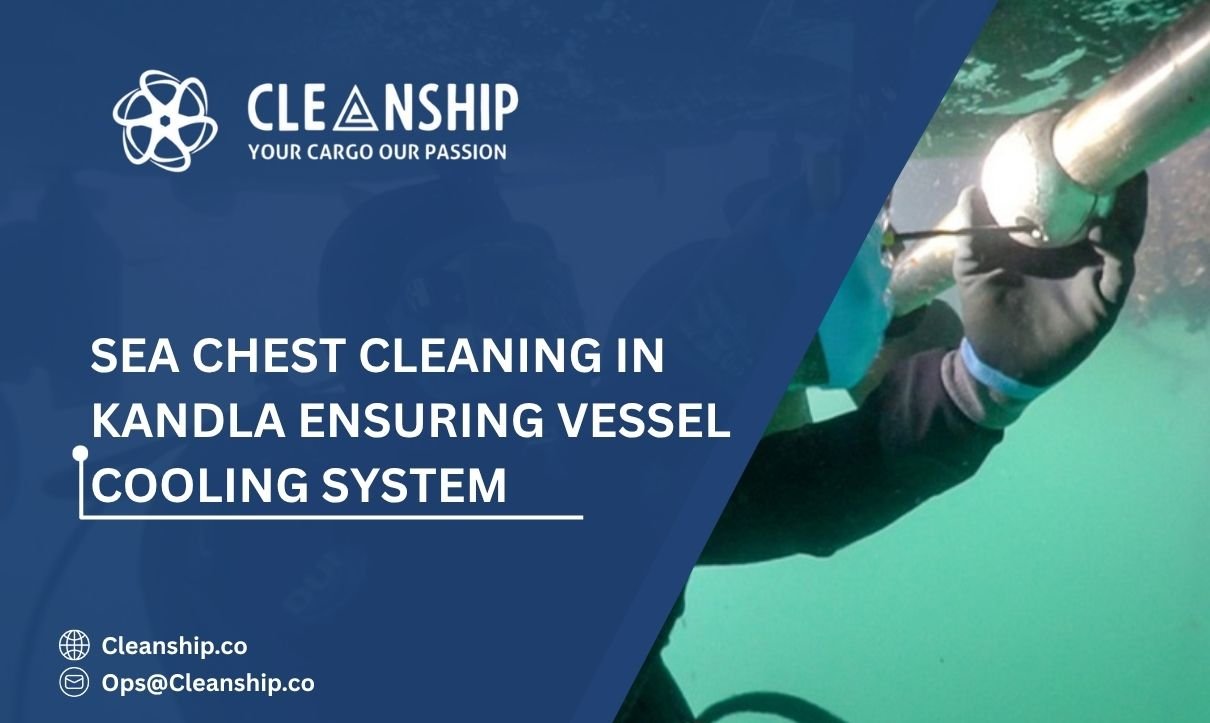
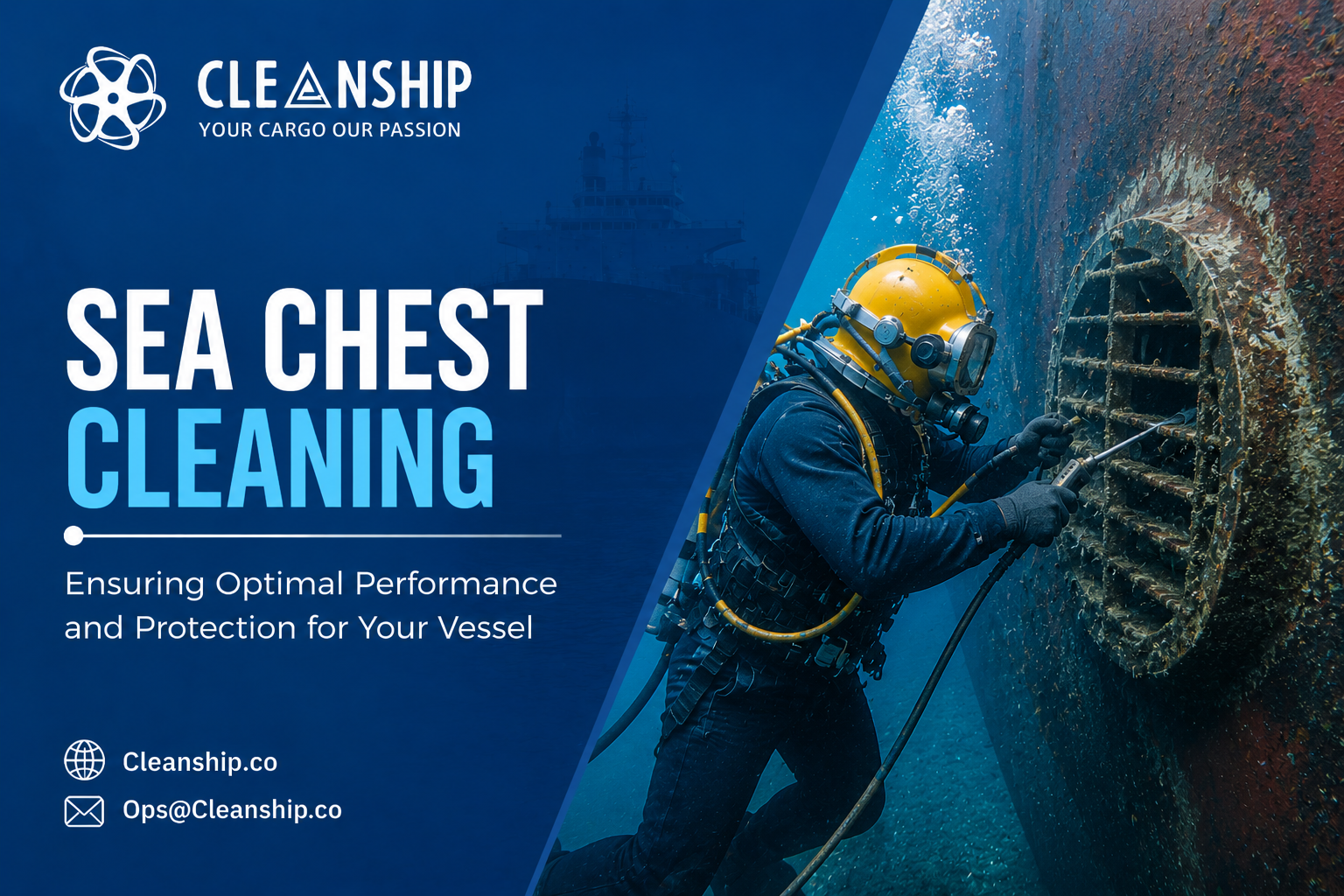
Sea Chest Cleaning in Kandla vessel cooling system

Sea Chest Cleaning in Kandla Ensuring Vessel Cooling System

Sea Chest Cleaning in Kandla Modern ships rely on a complex network of systems to operate safely and efficiently. While components like engines, propellers, and hull structures receive significant attention, there is another critical area that often remains out of sight—the sea chest. Located below the waterline, sea chests act as the primary intake points for seawater used in various onboard systems. These include engine cooling, ballast operations, firefighting systems, air conditioning units, and auxiliary machinery. When sea chests become blocked by marine growth, debris, or sediment, vessel performance can quickly be affected. This is why Sea Chest Cleaning in Kandla has become an essential underwater maintenance service for shipowners and operators calling at one of India’s busiest commercial ports. Regular cleaning helps ensure uninterrupted seawater flow, protects critical equipment, and minimizes the risk of costly operational disruptions. For vessels trading through the Gulf of Kutch and surrounding waters, proactive sea chest maintenance is often the difference between smooth operations and unexpected technical issues. Understanding the Function of a Sea Chest A sea chest is essentially a recessed compartment built into a vessel’s hull. It allows seawater to enter the ship through intake openings protected by gratings and strainers. The seawater collected through the sea chest is then distributed to several onboard systems that depend on continuous water flow. Systems Connected to Sea Chests If seawater intake becomes restricted, the consequences can affect multiple systems simultaneously. This makes routine Sea Chest Cleaning in Kandla an important part of preventive vessel maintenance. Why Sea Chests Become Blocked Sea chests operate continuously in marine environments where biological growth develops naturally. Over time, various materials can accumulate inside the compartment and on protective gratings. Common Causes of Sea Chest Blockages The warm coastal waters around many Indian ports create favorable conditions for marine growth. Vessels that remain at anchor for extended periods are often more vulnerable to fouling. For example, a bulk carrier waiting several days for cargo operations may experience accelerated marine growth around seawater intake areas. If left unchecked, this buildup can restrict water flow and impact engine cooling efficiency. The Growing Need for Sea Chest Cleaning in Kandla Kandla, officially known as Deendayal Port, handles substantial traffic from bulk carriers, tankers, container vessels, and offshore support vessels. As vessel traffic increases, demand for Sea Chest Cleaning in Kandla continues to rise. Many shipping companies now schedule underwater inspections and cleaning services during port calls rather than waiting for dry-docking periods. This approach offers several advantages. The vessel remains operational, downtime is minimized, and potential issues can be identified before they develop into major mechanical problems. In today’s shipping environment, where delays can lead to significant commercial losses, preventive maintenance has become a practical necessity rather than an optional expense. How Sea Chest Cleaning Is Performed Professional underwater cleaning teams use specialized equipment and proven techniques to remove marine growth, debris, and sediment from sea chests while the vessel remains afloat. This process helps restore proper seawater flow, improve equipment efficiency, and minimize the need for costly dry-docking operations. Initial Underwater Inspection The process begins with a thorough inspection performed by commercial divers. The inspection focuses on: Divers assess the extent of fouling before determining the most effective cleaning method. Cleaning Operations Once the inspection is completed, divers remove marine growth and accumulated debris using underwater cleaning tools. The cleaning process may include: Particular attention is given to restoring unrestricted water flow through intake openings. Final Verification After cleaning, divers perform a post-cleaning inspection to confirm that the sea chest is clear and functioning properly. Many marine service providers supply photographic and video evidence, allowing vessel managers to verify completed work and maintain maintenance records. Benefits of Sea Chest Cleaning in Kandla Improved Cooling System Performance One of the primary benefits of Sea Chest Cleaning in Kandla is maintaining efficient cooling water circulation. Blocked sea chests can reduce water flow to engines and auxiliary systems, increasing the risk of overheating. Regular cleaning helps ensure that cooling systems operate at their intended capacity. Reduced Risk of Equipment Failure Restricted seawater intake can place additional strain on pumps, heat exchangers, and cooling equipment. Maintaining clean sea chests reduces the likelihood of unexpected failures and expensive emergency repairs. Enhanced Operational Reliability Vessel operators depend on consistent machinery performance throughout each voyage. A clean sea chest supports uninterrupted operation of essential onboard systems, reducing the risk of technical delays. Improved Fuel Efficiency Although sea chest cleaning is primarily associated with cooling systems, it can also contribute indirectly to fuel efficiency. When cooling systems function properly, engines operate within optimal temperature ranges, helping maintain efficient fuel consumption. Lower Maintenance Costs Preventive maintenance is almost always less expensive than corrective maintenance. Regular Sea Chest Cleaning in Kandla helps shipowners avoid larger repair costs associated with cooling system failures and machinery damage. Challenges Associated with Sea Chest Maintenance Cleaning sea chests requires expertise, planning, and adherence to safety standards. Restricted Working Areas Sea chests are confined spaces that can be difficult to access during underwater operations. Experienced divers are required to perform cleaning safely and effectively. Environmental Conditions The Gulf of Kutch experiences strong tidal variations, changing currents, and varying underwater visibility. Professional marine service providers understand these conditions and schedule operations accordingly. Port Coordination Underwater maintenance activities often require coordination with vessel agents, port authorities, and ship management teams. Efficient planning helps ensure that cleaning work is completed without interfering with cargo operations. Choosing the Right Sea Chest Cleaning Provider Not all underwater service providers offer the same level of experience and technical capability. Shipowners should evaluate potential contractors carefully. Important Selection Factors Experienced Commercial Divers Qualified divers understand vessel systems and underwater maintenance procedures. Modern Equipment Advanced cleaning tools improve efficiency and help achieve better cleaning results. Safety Standards Strong safety practices are essential when working around active vessels and busy port environments. Inspection Documentation Detailed reports, photographs, and video inspections provide valuable maintenance records for vessel operators. The Future of Sea Chest Cleaning in
Read more
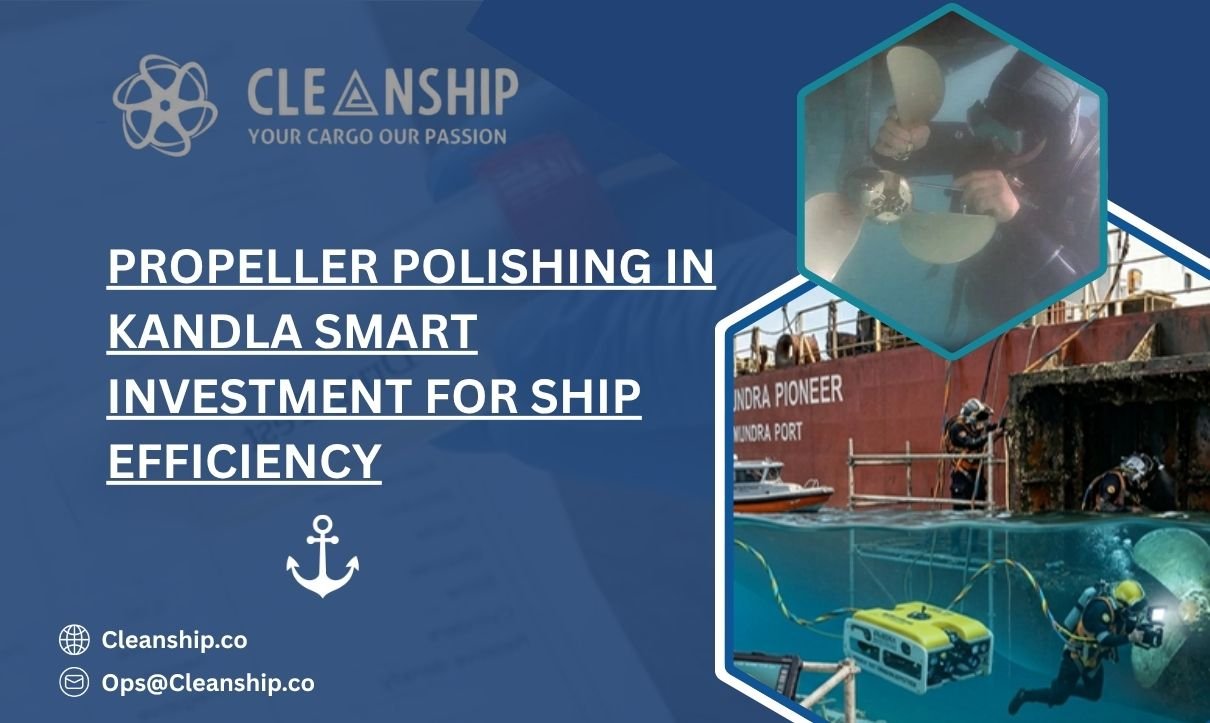
Propeller Polishing in Kandla for vessel efficiency

Propeller Polishing in Kandla Smart Investment for ship Efficiency

Propeller Polishing in Kandla In the shipping industry, even small inefficiencies can lead to significant operational costs over time. While shipowners often focus on engine performance, fuel management, and hull maintenance, one critical component is sometimes overlooked—the propeller. A vessel’s propeller plays a direct role in converting engine power into forward movement. When its surface becomes rough due to marine growth, corrosion, scaling, or minor damage, efficiency starts to decline. The vessel may require more power to maintain speed, resulting in increased fuel consumption and higher operating costs. This is why Propeller Polishing in Kandla has become an essential maintenance service for ship operators visiting one of India’s busiest ports. Regular propeller polishing helps vessels maintain optimum performance while reducing fuel expenses and supporting environmental compliance. For shipping companies operating in competitive markets, maintaining a smooth and efficient propeller is no longer just a maintenance task. It has become part of a broader strategy to improve vessel performance and profitability. Why Propeller Condition Matters The propeller is one of the hardest-working components on any vessel. Whether it’s a bulk carrier, tanker, container vessel, or offshore support ship, the propeller operates continuously in challenging marine conditions. Over time, seawater exposure causes various forms of surface deterioration. Common Issues Affecting Propellers Even a small amount of roughness on the propeller blades can increase drag and reduce propulsion efficiency. A vessel may not immediately notice the impact, but over months of operation, fuel consumption gradually rises. For large vessels consuming several tons of fuel daily, this translates into substantial additional costs. Growing Demand for Propeller Polishing in Kandla Kandla, officially known as Deendayal Port, serves as a major hub for international and coastal shipping. The port handles a wide range of cargo, including petroleum products, fertilizers, chemicals, containers, and dry bulk commodities. As vessel traffic continues to grow, demand for Propeller Polishing in Kandla has increased significantly. Many ship operators now schedule underwater propeller maintenance during port calls to improve vessel efficiency without waiting for dry-docking periods. For example, a bulk carrier operating between the Persian Gulf and western Indian ports may call at Kandla several times each year. Instead of allowing propeller performance to deteriorate between dry docks, operators often arrange underwater polishing services during scheduled port stays. This proactive approach helps maintain consistent performance throughout the vessel’s trading cycle. How Propeller Polishing Is Performed Modern propeller polishing is typically carried out while the vessel remains afloat. Professional diving teams use specialized underwater equipment designed to restore the propeller’s smooth surface without causing damage. Initial Inspection Before polishing begins, divers perform a detailed underwater inspection. They assess: The inspection helps determine the most suitable polishing method. Polishing Process Once the assessment is complete, divers use hydraulic or pneumatic polishing equipment to clean and polish the propeller blades. The goal is to remove: Careful attention is paid to maintaining the original blade profile. An experienced team understands that excessive polishing can affect blade geometry, so precision is critical throughout the process. Final Verification After polishing, divers conduct a final inspection to verify the results. Many service providers also supply underwater photographs and video documentation, allowing ship managers to review the completed work. Benefits of Propeller Polishing in Kandla Improved Fuel Efficiency One of the biggest advantages of Propeller Polishing in Kandla is fuel savings. A smooth propeller experiences less resistance in the water and transfers engine power more effectively. Studies across the shipping industry have consistently shown that a polished propeller can contribute to measurable reductions in fuel consumption. For fleet operators managing multiple vessels, these savings can be substantial over the course of a year. Better Vessel Performance A clean propeller allows the vessel to achieve desired speeds with less engine effort. Captains often notice improvements in: These performance gains become especially valuable on time-sensitive voyages where maintaining schedules is critical. Lower Carbon Emissions Fuel efficiency and environmental performance go hand in hand. As vessels consume less fuel, they generate fewer emissions. Many shipping companies now include routine Propeller Polishing in Kandla as part of their sustainability and emissions-reduction strategies. Reduced Engine Load When a propeller operates efficiently, the main engine does not need to work as hard to maintain vessel speed. Reduced engine strain can contribute to lower maintenance requirements and improved equipment longevity. Why Kandla Is an Ideal Location for Propeller Maintenance Kandla’s strategic location on India’s west coast makes it a convenient maintenance point for vessels operating throughout the Middle East, Africa, and Asia trade routes. Many vessels already spend time at anchorages or berths while cargo operations take place. This creates an opportunity for shipowners to complete underwater maintenance activities without disrupting voyage schedules. Marine service providers in Kandla have developed extensive experience working with: Their familiarity with port operations allows maintenance work to be completed efficiently within available time windows. Key Factors When Choosing a Propeller Polishing Service Not all underwater maintenance providers offer the same level of expertise, equipment, or service quality. Shipowners should carefully assess several factors to ensure safe, effective, and reliable propeller polishing operations. Experienced Commercial Divers Skilled commercial divers play a critical role in achieving high-quality polishing results. Their training and underwater experience help ensure the work is performed safely, efficiently, and without damaging the propeller surface. Advanced Equipment Modern polishing tools and underwater inspection equipment improve cleaning efficiency and surface finish quality. Advanced technology also helps reduce operational risks and ensures consistent polishing standards. Safety Compliance Propeller polishing is often conducted in busy port environments where safety is a top priority. Contractors should follow strict safety procedures, risk assessments, and industry regulations to protect personnel, vessels, and port operations. Inspection and Reporting Comprehensive inspection reports, photographs, and underwater videos provide clear documentation of completed work. These records help vessel managers monitor propeller condition, plan maintenance schedules, and maintain service histories. The Future of Propeller Polishing in Kandla As fuel costs remain unpredictable and environmental regulations become stricter, ship operators are placing greater emphasis on operational efficiency. Technological advancements are also
Read more
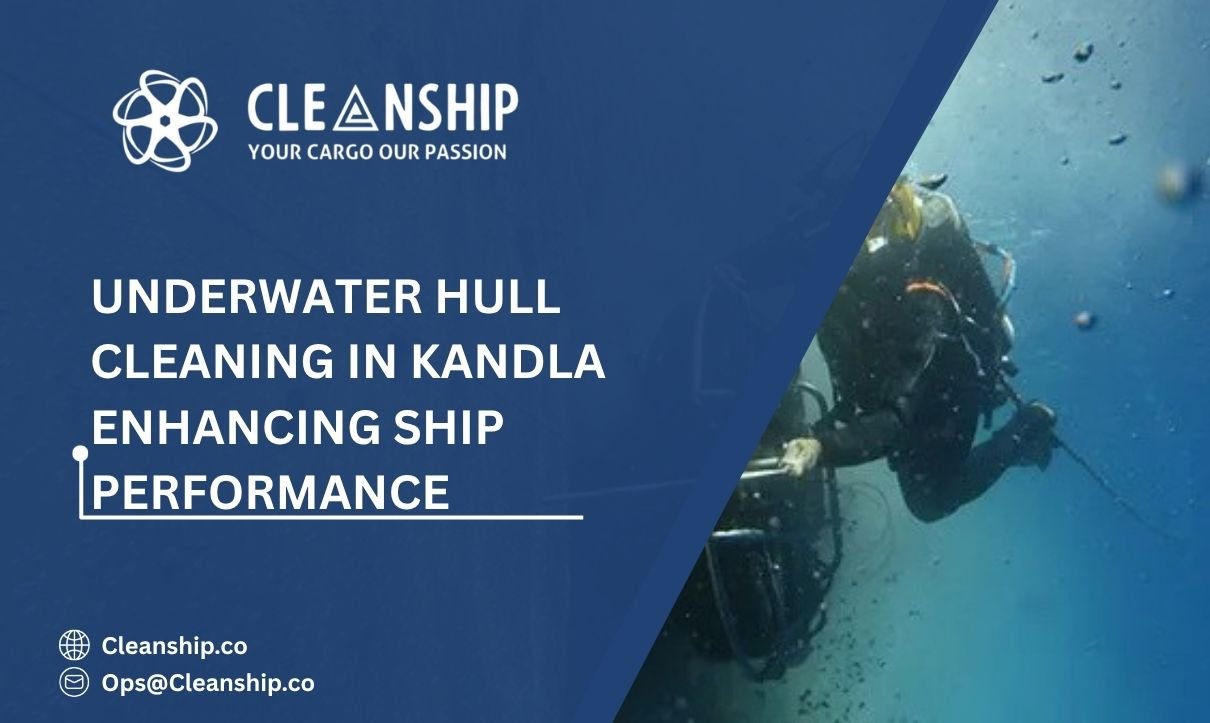
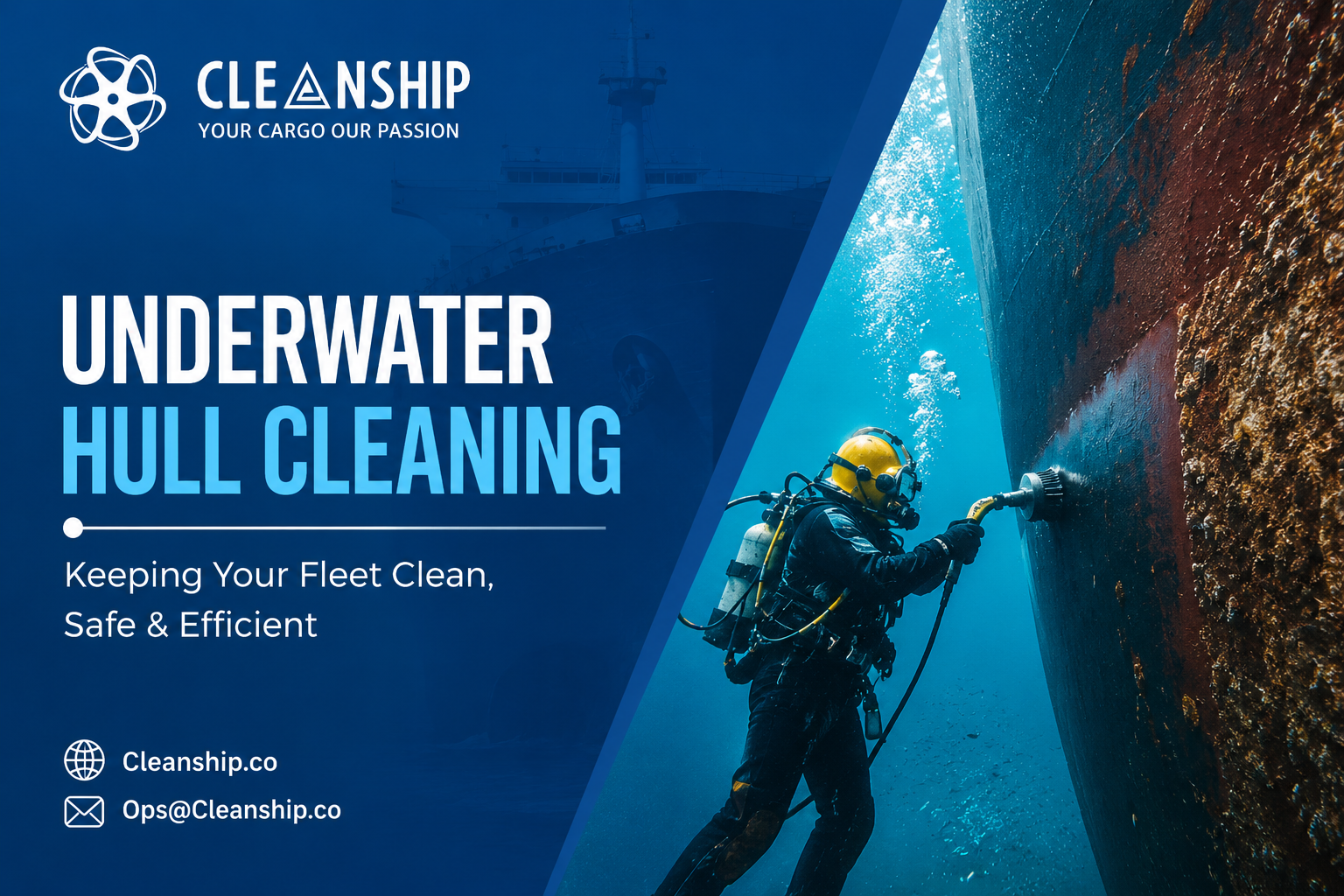
Underwater Hull Cleaning in Kandla port area

Underwater Hull Cleaning in Kandla Enhancing ship Performance

Underwater Hull Cleaning in Kandla Kandla Port, officially known as Deendayal Port, remains one of India’s busiest maritime gateways. Located on the Gulf of Kutch in Gujarat, it handles a significant volume of cargo ranging from crude oil and fertilizers to containers and bulk commodities. With hundreds of vessels calling at the port every month, maintaining ship efficiency is a constant priority for operators. One service that has become increasingly important for vessel owners and managers is Underwater Hull Cleaning in Kandla. Marine growth on a vessel’s hull may seem like a minor issue at first, but it can have a direct impact on fuel consumption, vessel speed, emissions, and overall operational costs. As vessels spend time at anchorage, berth, or during long trading voyages, marine organisms naturally attach themselves to submerged surfaces. Without timely intervention, this buildup can significantly affect a ship’s performance. That’s where professional underwater hull cleaning services play a critical role. Why Hull Fouling Is a Major Concern The underwater section of every vessel is continuously exposed to seawater. Over time, algae, slime, barnacles, mussels, and other marine organisms accumulate on the hull surface. Even a thin layer of slime can increase hydrodynamic resistance. As the fouling grows, the vessel requires more engine power to maintain the same speed. Common Effects of Hull Fouling For a large bulk carrier or tanker visiting Kandla regularly, fuel expenses often represent one of the biggest operational costs. A fouled hull can increase fuel consumption by 10% to 30% depending on the severity of marine growth. The Growing Demand for Underwater Hull Cleaning in Kandla The shipping industry is under constant pressure to improve efficiency while reducing environmental impact. As a result, demand for Underwater Hull Cleaning in Kandla has grown steadily over the last few years. Shipping companies operating along the western coast of India frequently schedule hull inspections and cleaning during port calls to avoid costly dry-docking whenever possible. For example, a tanker trading between the Middle East and Indian ports may spend only a short period at Kandla. Instead of waiting for its next dry dock, operators often choose underwater cleaning services to restore hull performance without disrupting the vessel’s schedule. This approach helps maintain operational continuity while improving fuel efficiency almost immediately. How Underwater Hull Cleaning Is Performed Modern underwater cleaning operations are conducted by trained commercial divers using specialized equipment. The process begins with an underwater inspection to assess the level of fouling and identify any damage to the hull coating. Inspection Stage Divers or remotely operated inspection systems examine: After the assessment, the cleaning method is selected based on vessel type and coating condition. Cleaning Process Divers use rotating brushes, hydraulic cleaning systems, or specialized hull-cleaning equipment designed to remove marine growth without damaging protective coatings. Particular attention is given to: Once cleaning is completed, a final inspection confirms the effectiveness of the operation. Benefits of Underwater Hull Cleaning in Kandla Improved Fuel Efficiency One of the most immediate benefits of Underwater Hull Cleaning in Kandla is reduced fuel consumption. A clean hull moves more smoothly through the water, reducing drag and allowing the vessel to maintain speed with less engine power. For fleet operators managing multiple vessels, even a small reduction in fuel usage can translate into substantial annual savings. Enhanced Vessel Performance Hull fouling directly affects maneuverability and speed. After cleaning, many ship operators report noticeable improvements in vessel responsiveness and overall sailing performance. This is particularly important for vessels operating on strict schedules where delays can result in significant commercial losses. Reduced Carbon Emissions The maritime sector faces increasing environmental regulations. A cleaner hull means lower fuel consumption, which naturally leads to reduced carbon dioxide emissions. This helps vessel operators align with international sustainability objectives while improving operational efficiency. Extended Coating Life Marine growth can place additional stress on hull coatings. Regular underwater cleaning helps preserve the effectiveness of antifouling systems and may extend the lifespan of protective coatings, reducing maintenance expenses over time. Challenges of Hull Cleaning Operations While the advantages are clear, underwater cleaning requires careful planning and professional execution. Environmental Considerations Marine authorities often regulate cleaning activities to prevent invasive species transfer and minimize environmental impact. Cleaning providers must follow established procedures and use approved methods that comply with port and environmental requirements. Visibility and Tidal Conditions The Gulf of Kutch experiences varying tidal conditions that can influence underwater operations. Experienced diving teams understand local environmental factors and plan cleaning activities accordingly to ensure safety and efficiency. Vessel Scheduling Port stays are often limited. Service providers performing Underwater Hull Cleaning in Kandla must coordinate closely with vessel agents, ship managers, and port authorities to complete operations within available time windows. Choosing a Professional Hull Cleaning Service Not all underwater cleaning providers offer the same level of expertise. When selecting a contractor, vessel operators should consider several factors. Key Selection Criteria Experienced Commercial Divers Qualified divers understand vessel structures and can safely perform cleaning operations in busy port environments. Modern Equipment Advanced cleaning technology improves efficiency while reducing the risk of coating damage. Safety Standards A strong safety record demonstrates professionalism and operational reliability. Inspection Capabilities Many providers offer underwater video inspections before and after cleaning, giving shipowners valuable documentation of hull condition. Future of Underwater Hull Cleaning in Kandla As fuel costs continue to fluctuate and environmental regulations become stricter, proactive hull maintenance will remain a key component of vessel management. Digital inspection technologies, robotic cleaning systems, and environmentally responsible cleaning methods are gradually transforming the sector. Kandla’s strategic position as a major Indian port means demand for underwater maintenance services is expected to increase alongside vessel traffic. Ship operators are increasingly viewing underwater hull cleaning not as a corrective measure but as part of a planned efficiency strategy. Conclusion Underwater Hull Cleaning in Kandla has become an essential service for modern vessel operators seeking to improve fuel efficiency, reduce operating costs, and maintain regulatory compliance. Marine growth may develop gradually, but its impact on vessel performance
Read more

Underwater hull cleaning service in Mumbai Port

Underwater hull cleaning service in Mumbai Port Table of Contents Introduction Key Concepts Conclusion Introduction At Cleanship Marine Services FZE, we provide underwater hull cleaning services tailored to hold cleaning services in Mumbai Port operations and vessel schedules. Our approach emphasizes technical precision and robust safety standards to maintain hull performance and fuel efficiency. Certified divers operate with specialized equipment to remove marine growth and biofouling while preserving antifouling coatings where applicable. Mumbai Port presents unique conditions for underwater hull cleaning, including variable depths, tidal cycles, and ship traffic. Our team coordinates closely with shipowners, port authorities, and yard planners to minimize vessel downtime, ensuring cleaning operations fit within planned port calls and comply with local regulations and international best practices. Our service portfolio aligns with industry expectations for sea vessel cleaning in busy port environments. Emphasis is placed on non-invasive techniques, high-quality documentation, and verifiable results. By applying proven methods, the work supports improved hull efficiency, reduced fuel consumption, and extended coating life across multiple voyages. Operational framework and practical steps We commence with a pre-dive risk assessment and vessel-specific planning to align schedule, tides, and dock access. Practically, this involves mapping the port call window, confirming lockout times, and verifying ballast conditions to prevent excessive hull movement during cleaning. A waterproof briefing is conducted, roles are assigned, and emergency procedures are reviewed before any diver enters the water. During cleaning, certified divers use low-pressure water blasting and compliant marine growth removal tools to minimize coating damage. Selective pressure settings are adjusted based on hull material and existing antifouling layers. Real-time depth gauges and sonar verify coverage, while on-deck personnel log operational milestones for traceability. Post-cleaning verification includes photographic documentation, hull surface roughness measurements, and fuel-performance modeling using voyage data. In practice, hull condition before and after cleaning is compared to quantify efficiency gains, typically showing a measurable reduction in drag coefficients and corresponding fuel savings over subsequent voyages. Data, compliance, and continuous improvement Digital records are maintained for every cleaning operation, including dive logs, coating status, and maintenance recommendations. This documentation supports regulatory compliance in Mumbai Port and provides a transparent audit trail for owners. Typical reports include map-based coverage, coating compatibility notes, and remaining life estimates for antifouling layers. Industry benchmarks indicate that regular hull cleaning can reduce fuel burn by 1.5 to 4 percent, depending on vessel type and operating profile. Our methodology integrates these benchmarks with adjustments for vessel speed, ballast strategies, and voyage lengths. Results depend on consistent maintenance cycles and accurate voyage planning. Practical tip: schedule hull cleaning during predictable port call windows to avoid peak traffic and reduce delays. Practical tip: maintain close liaison with port authorities to receive timely updates on dredging, canal closures, or tidal restrictions that could affect access. Common caveat: antifouling coatings may require reapplication sooner in high-silt environments, affecting cleaning timing and effectiveness. Looking ahead, Cleanship Marine Services FZE recommends integrating remote sensing data and smart ballast management to optimize cleaning windows. This approach supports alignment of maintenance with cargo schedules, ensuring safety, compliance, and operational efficiency in Mumbai Port operations. Key Concepts Underwater hull cleaning in Mumbai Port employs specialized techniques to remove marine growth and biofouling while protecting antifouling coatings. The process relies on certified divers, verified procedures, and port-appropriate operations to maintain vessel performance without compromising hull integrity. Real-world performance data from recent campaigns indicate a measurable reduction in drag coefficients and an average fuel-consumption improvement of 1.5% per voyage after cleaning cycles. For Cleanship Marine Services FZE, integrating these practices with a structured schedule minimizes operational risk and ensures regulatory alignment. Conclusion The concluding view reinforces the practical value of underwater hull cleaning within Mumbai Port operations. The approach integrates certified divers, non-invasive cleaning methods, and rigorous documentation to sustain hull performance and regulatory compliance across vessel calls. Operational planning remains essential, with emphasis on coordinating port windows, tides, and traffic to minimize downtime and ensure safe execution. Real-time verification and post-cleaning reporting continue to underpin traceability and support ongoing maintenance decisions. Looking forward, the integration of remote sensing data and enhanced ballast management is anticipated to further optimize cleaning windows and align maintenance with cargo schedules. This progression aims to support consistent hull efficiency, fuel performance, and coating longevity in line with port regulations and industry practices. References Underwater Hull Cleaning Service in India – Seaweed Diving Services Top Hull Cleaning Services in India | 2026 – Records Marine Underwater Hull Cleaning and Propeller Polishing by Meera Marine Underwater Ship Hull Cleaning Service – IndiaMART UNDERWATER CLEANING OF TUG AT MUMBAI PORT.
Read more
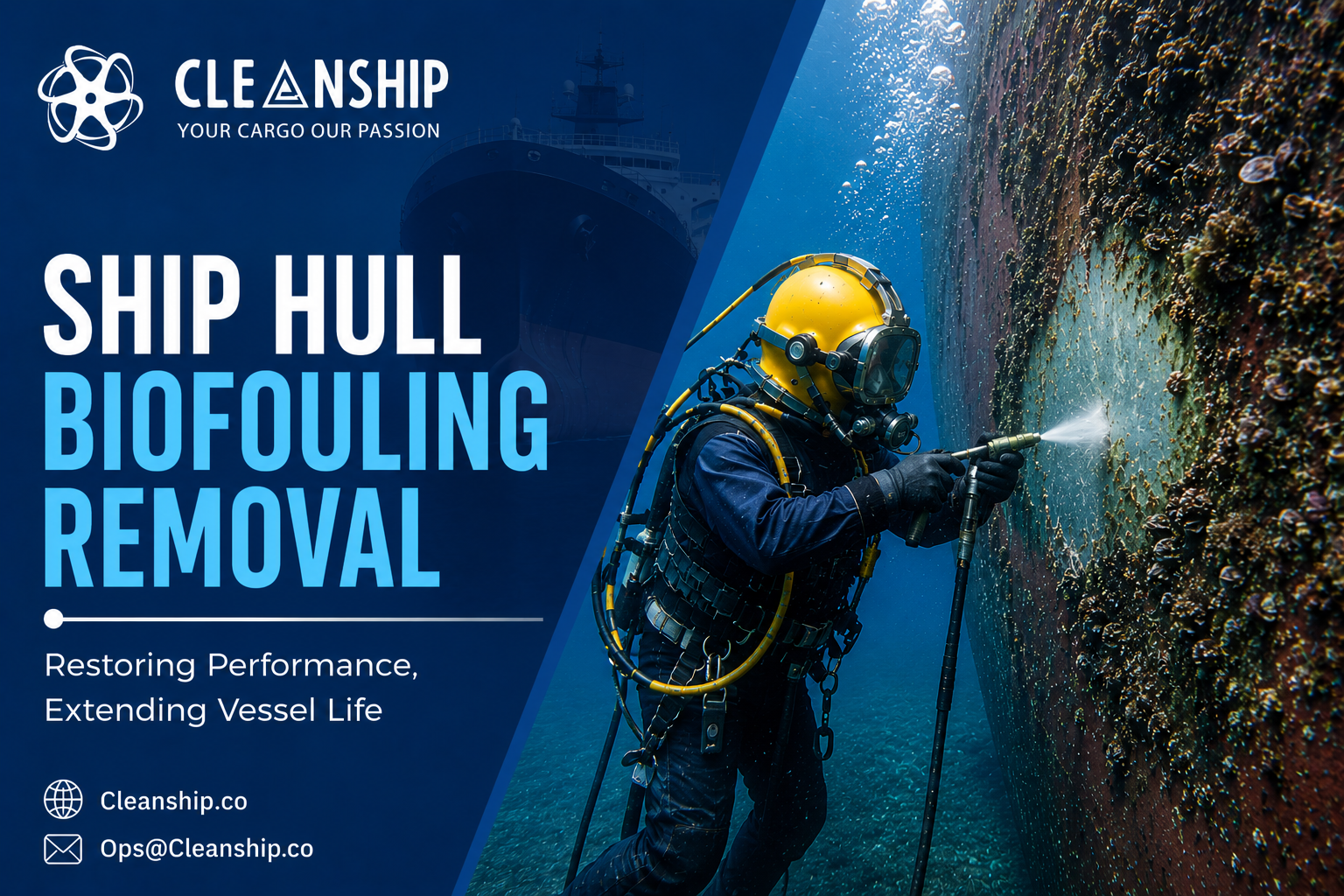
Ship Hull Biofouling Removal

Ship Hull Biofouling Removal & ROV Hull Inspection at India’s 32 Major Ports: Everything Ship Operators Need to Know

India’s Biofouling Problem and Why It Demands a Professional Solution Every vessel trading on India’s coastline is fighting an invisible battle from the moment it enters Indian waters. Below the waterline, in the warm nutrient-rich waters that stretch across 7,516 kilometers of Indian coastline A biological process begins immediately—and it does not stop until the vessel’s hull is cleaned.That process is ship hull biofouling: the colonization of the vessel’s underwater surfaces by marine organisms, including bacteria, algae, barnacles, mussels, tube worms, and hydroids. It begins with a microscopic slime layer within hours of a clean hull surface touching seawater. Within weeks, hard macro-fouling organisms have established themselves. Within months — or even sooner during peak monsoon and post-monsoon conditions Heavily fouled hull can be carrying several tonnes of biological material, each kilogram adding drag, increasing fuel burn, accelerating corrosion, and carrying living invasive species from one trading port to the next. India’s maritime geography makes this challenge particularly acute. From Kandla in Gujarat to Kolkata in West Bengal, from Cochin in Kerala to Port Blair in the Andaman Islands India’s 32 major commercial ports operate in waters where sea surface temperatures stay above 26°C for most of the year and biological productivity is among the highest in the world. No antifouling paint system—however well-specified and applied—can fully prevent fouling under these conditions without active maintenance. Moreover, even high-performance coatings are subject to environmental limitations in challenging marine environments. In addition, warm, nutrient-rich waters can accelerate the settlement and growth of fouling organisms. Furthermore, coating effectiveness naturally declines over time as vessels continue operating. At the same time, varying operating patterns and port conditions can influence fouling rates significantly. Additionally, prolonged periods at anchor may further increase the likelihood of marine growth accumulation. As a result, some degree of fouling remains inevitable despite the use of advanced coating technologies. Consequently, regular inspection and maintenance are essential for preserving vessel performance and efficiency. Likewise, proactive cleaning programmes help maximize the benefits of antifouling systems throughout their service life. Therefore, active maintenance remains a critical component of any effective fouling management strategy. This is where professional ship hull biofouling removal and ROV hull inspection become essential tools for every Indian coastal fleet operator. Biofouling removal by trained dive teams or remote-operated vehicles restores hull hydrodynamic performance. ROV hull inspection — using high-definition underwater cameras, lights, and positioning systems — gives operators the condition visibility they need to manage hull maintenance intelligently across India’s entire major port network. At Cleanship Marine Services, we provide both services at all 32 of India’s major commercial ports, 24 hours a day, 7 days a week. This complete guide explains why these services matter, how they work, and what they deliver for vessels operating on one of the world’s most biologically demanding trading coastlines. Request A Quote Understanding Ship Hull Biofouling: What It Is, How It Forms, and What It Costs Ship hull biofouling is not a single event—it is a progressive biological process that unfolds in distinct stages, each one building on the last. In addition, the process begins almost immediately after a vessel enters the water. Moreover, each stage creates conditions that encourage the development of the next stage. Furthermore, microscopic organisms initially colonize the hull surface and form a biological foundation for future growth. At the same time, changes in surface chemistry make the hull increasingly attractive to additional marine species. Additionally, algae, bacteria, and other microorganisms gradually establish stable communities on submerged surfaces. Besides that, these early colonizers facilitate the attachment of larger fouling organisms. Likewise, barnacles, mussels, and other macrofouling species can settle more easily once the initial biofilm is present. Similarly, the accumulation process accelerates as biological layers become thicker and more complex. As a result, hull roughness increases and hydrodynamic performance begins to decline. Consequently, vessels may experience higher fuel consumption and reduced operational efficiency. For this reason, understanding each stage of biofouling is essential for effective prevention and maintenance planning. Ultimately, early intervention can prevent minor biological settlement from developing into severe fouling. Therefore, recognizing biofouling as a staged and continuous process is critical for maintaining vessel performance, compliance, and operational efficiency. Stage 1: Conditioning Film (Minutes to Hours) Within minutes of a clean hull surface being immersed in seawater, dissolved organic molecules — proteins, polysaccharides, lipids — adsorb onto the surface and form a thin conditioning film.This film is invisible, but it fundamentally changes the surface chemistry of the hull, making it far more hospitable to microbial colonization. In addition, the altered surface conditions encourage microorganisms to attach more easily. Moreover, this initial microbial layer serves as the foundation for further biofouling development. Furthermore, once established, the film creates an environment that supports the growth of additional marine organisms. At the same time, the process often begins long before visible fouling can be detected during routine observations. Additionally, the changing surface characteristics increase the likelihood of continued biological accumulation. Besides that, the film can accelerate the transition from a clean hull to an actively colonized surface. Likewise, microorganisms within the layer can promote the settlement of larger fouling species. Similarly, favorable surface conditions may contribute to faster fouling progression in warm and nutrient-rich waters. As a result, marine growth can develop more rapidly than vessel operators anticipate. Consequently, hull performance and hydrodynamic efficiency may begin to decline over time. For this reason, early monitoring and preventive maintenance play an important role in fouling management. Ultimately, understanding the impact of this microscopic film is essential for maintaining long-term vessel performance. Therefore, even though the film remains invisible, its effect on biofouling development can be highly significant. Stage 2: Bacterial Biofilm — The Slime Layer (Hours to Days) Bacteria and diatoms settle on the conditioned surface and begin multiplying, forming a structured biofilm—the marine slime layer. This layer is typically between 10 and 300 micrometers thick and appears as a faint, slightly rough discoloration on the hull surface. It increases hull roughness measurably and, critically, signals to larval macro-fouling organisms
Read more
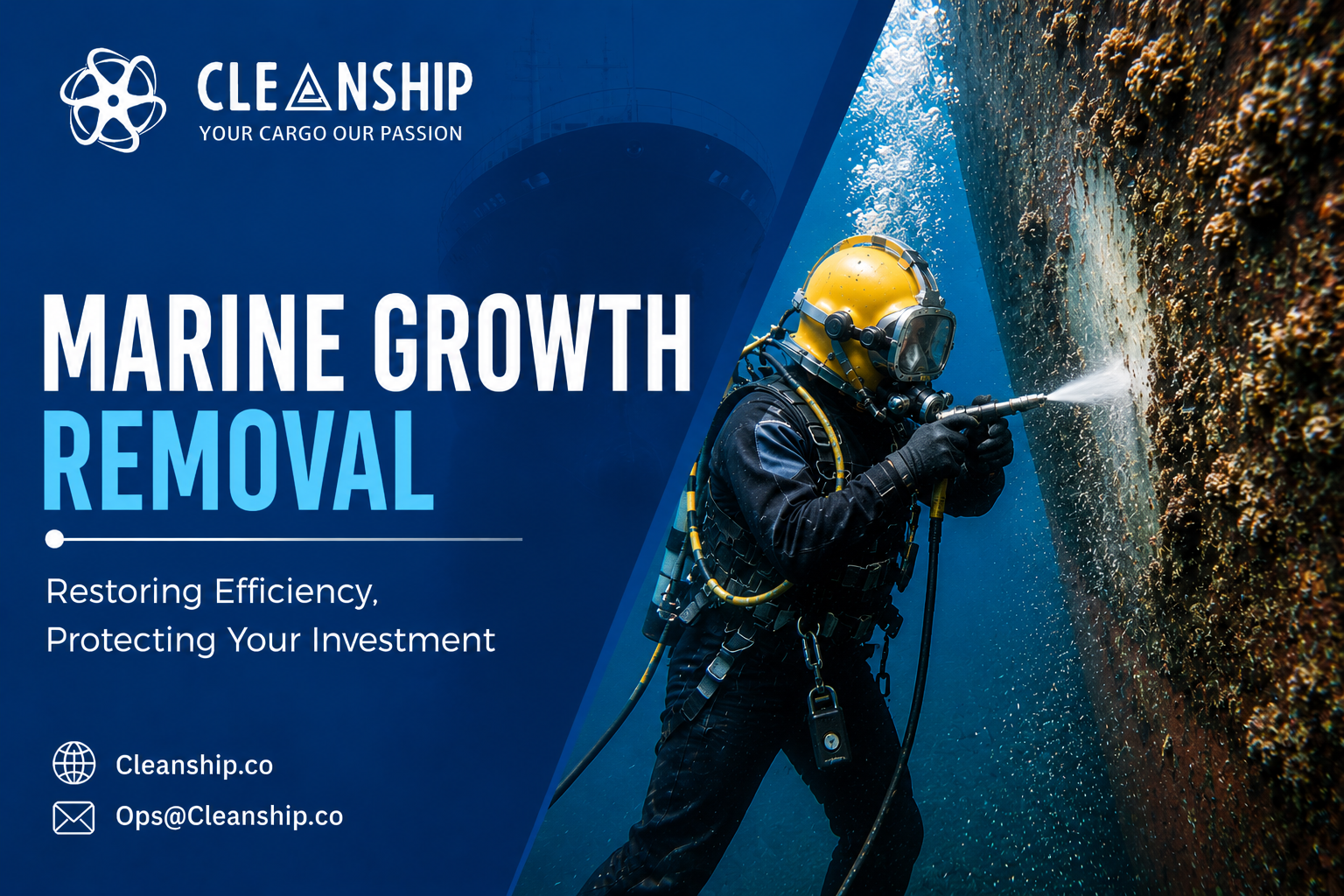
Marine Growth Removal

Marine Growth Removal & UWILD Inspection at India’s 32 Major Ports: The Complete Guide for Ship Operators

Why Marine Growth Removal Is India’s Most Urgent Underwater Hull Challenge India has the world’s seventh-longest coastline — 7,516 kilometres stretching from the Rann of Kutch in Gujarat to the Sundarbans delta in West Bengal, with the entire western Malabar coast, the Konkan, and the eastern Coromandel coast in between. Along this coastline, 32 major commercial ports handle over 1.5 billion tonnes of cargo annually. Every vessel calling at these ports operates in water conditions that make marine growth removal one of the most commercially and technically important maintenance services in Indian shipping. Here is the problem in simple terms. India’s coastal waters are warm, nutrient-rich, and biologically aggressive for most of the year. A vessel arriving at Visakhapatnam, Cochin, or Chennai with a clean antifouling surface can develop visible slime within two weeks. Hard fouling—barnacles, mussels, tube worms—can establish themselves within six to eight weeks in peak monsoon conditions. Each layer of marine growth increases the hydrodynamic drag on the hull, forcing the main engine to work harder and burn more fuel to maintain the same speed. The second challenge is condition visibility. Unlike hull fouling in drydock, which is examined under bright lights with the vessel out of the water, underwater fouling on an operational vessel is largely invisible to the ship’s managers. A professional UWILD Inspection — Underwater Inspection In Lieu of Drydock — is the industry-standard method for bringing that underwater condition data to the surface, combining visual examination, HD-CCTV documentation, and underwater video survey into a structured report that satisfies both the shipowner’s commercial needs and the classification society’s survey requirements. At Cleanship Marine Services, we provide professional marine growth removal and UWILD inspection services at all 32 of India’s major commercial ports—from Kandla and Mundra in Gujarat to Kolkata and Haldia in West Bengal, from Port Blair in the Andaman Islands to Paradip and Dhamra in Odisha. This guide explains why these services matter, what they involve, and how they protect your vessel’s performance, compliance, and commercial standing. Request A Quote India’s Coastline: A Perfect Storm for Ship Hull Biofouling Understanding why marine growth removal is so critical in India requires understanding what Indian coastal waters do to a ship’s hull. In addition, the warm temperatures and nutrient-rich conditions found in many Indian ports encourage rapid marine organism growth. Moreover, algae, barnacles, mussels, and other fouling organisms can accumulate on hull surfaces much faster than many vessel operators expect. Furthermore, this buildup increases hull roughness and creates additional resistance in the water. As a result, vessels often experience higher fuel consumption and reduced operational efficiency. Additionally, prolonged fouling can place extra strain on propulsion systems and other critical components. At the same time, marine growth can contribute to the transfer of invasive aquatic species between ports and regions. Besides that, heavily fouled hulls may make regulatory compliance and inspection processes more challenging. Consequently, regular marine growth removal becomes essential for maintaining vessel performance, fuel efficiency, and environmental responsibility. Therefore, understanding the effects of Indian coastal waters highlights the importance of proactive hull cleaning and fouling management programs. Water Temperature Sea surface temperatures along India’s west coast range from 26°C to 32°C for eight to nine months of the year. Along the east coast — from Kakinada and Krishnapatnam through Chennai and Tuticorin—temperatures remain above 28°C year-round in open anchorage areas. At these temperatures, biofouling organisms complete their larval settlement and early growth phases in days rather than weeks. In addition, warm water conditions accelerate the biological processes that support rapid colonization of submerged surfaces. Moreover, nutrient-rich coastal environments provide ideal conditions for marine organisms to thrive. Furthermore, algae, barnacles, and other fouling species can establish themselves quickly once they attach to a vessel’s hull. At the same time, the longer a vessel remains untreated, the more extensive the fouling buildup can become. Additionally, early-stage growth often develops into dense marine accumulation if preventive measures are not implemented. As a result, hull roughness increases and vessel performance can decline. Consequently, operators may experience higher fuel consumption and reduced operational efficiency. Besides that, increased fouling can lead to more frequent maintenance requirements and cleaning interventions. Therefore, understanding the rapid growth cycle of biofouling organisms highlights the importance of timely hull inspection and marine growth removal. In contrast, European waters where many antifouling paint specifications are developed and tested rarely exceed 18–20°C. Consequently, performance expectations established under these cooler conditions may not always translate directly to tropical operating environments. Moreover, lower water temperatures generally slow the growth and settlement rates of many fouling organisms. By comparison, Indian coastal waters provide a far more favorable environment for rapid biofouling development. Furthermore, warmer temperatures and higher biological activity can place greater demands on antifouling coatings. As a result, paints designed to a European performance standard can underperform significantly in Indian coastal conditions. Additionally, coating effectiveness may decline faster than anticipated when exposed to these more aggressive fouling pressures. Likewise, vessels operating in Indian waters may require more frequent monitoring and maintenance interventions. At the same time, operators must account for local environmental conditions when planning hull management strategies. Therefore, vessels may reach heavy fouling states faster than their maintenance schedule anticipates. Ultimately, adapting maintenance programs to regional operating conditions is essential for preserving vessel efficiency and coating performance. For this reason, many operators implement more proactive inspection and cleaning schedules in tropical waters. Nutrient-Rich Coastal Waters The Arabian Sea along the Gujarat and Maharashtra coast, and the Bay of Bengal along the Odisha and West Bengal coast, experience seasonal upwelling events that bring nutrient-rich deep water to the surface. During and after the southwest monsoon — June to September — coastal waters around Mumbai, JNPT, Mormugao, Cochin, and New Mangalore are particularly rich in the plankton and organic matter that fuel rapid biofouling community development. Port Anchorage Waiting Times Marine growth removal before departure from anchorage is one of the most cost-effective interventions available to Indian fleet operators. In addition, it helps restore vessel efficiency before the next
Read more
Sea Chest Cleaning

7 Critical Reasons Sea Chest Cleaning & Hull Fouling Inspection Must Be Part of Every Vessel Maintenance Plan

The Most Overlooked Maintenance Task in Commercial Shipping Ask most fleet managers to list their top underwater maintenance priorities, and they will say hull cleaning, propeller polishing, and anode replacement. Sea chest cleaning rarely makes the top three. That is a costly blind spot. A sea chest is the underwater inlet box through which seawater enters the vessel’s cooling system, supplying the main engine, auxiliary engines, air conditioning systems, and ballast pumps. It is protected by a grating or grid that filters debris from the incoming water flow. In warm, biologically active waters—precisely the conditions in Dubai, Singapore, Mumbai, Istanbul, and Hong Kong—that grating becomes a prime site for heavy biofouling. Barnacles, mussels, tube worms, and algae colonize the sea chest grid within weeks, progressively restricting the cooling water supply. Think of a blocked sea chest the same way you would think of a blocked radiator in a truck engine. The truck still moves—until the engine overheats and the driver is stranded on the motorway. A vessel with a blocked sea chest still sails—until the main engine cooling alarm fires in the middle of a passage and the master has no choice but to reduce speed or stop. That is when the real cost begins: emergency repairs, off-hire losses, charterer claims, and port state control scrutiny. All of it avoidable with a routine sea chest cleaning programme paired with professional hull fouling inspection. At Cleanship Marine Services, we provide expert sea chest cleaning and hull fouling inspection at eight of the world’s most commercially demanding ports: Dubai, Athens, Singapore, Hong Kong, London, Hamburg, Istanbul, and Mumbai. Here is why this service belongs in every vessel’s planned maintenance system. Request A Quote Why the UAE and Global Ports Are Raising the Bar on Sea Chest Cleaning Warm Waters and Accelerated Biofouling The UAE sits at the northern end of the Arabian Gulf—one of the warmest and most biologically productive bodies of water on the planet. Sea surface temperatures in the Gulf frequently exceed 30°C during summer months, creating ideal conditions for rapid marine growth. A vessel calling at Jebel Ali or Rashid Port in Dubai can accumulate significant sea chest fouling within a single port call. The same accelerated fouling conditions apply to Mumbai, Singapore, and Hong Kong, where tropical and subtropical water temperatures drive year-round biological activity. Strict Port Environmental Expectations Port authorities in Hamburg, London, and Singapore are increasingly scrutinizing biofouling management documentation. The transfer of invasive species through fouled sea chests and hull surfaces is a growing regulatory focus. Cleanship’s sea chest cleaning operations include MARPOL-compliant debris containment, ensuring no biological material is released into port waters. Class Society Requirements Classification societies—Lloyd’s Register, Bureau Veritas, DNV, and others—include sea chest condition assessments within their in-water survey programs. A poorly maintained sea chest with heavy fouling or corrosion can trigger a survey finding that requires immediate rectification, potentially delaying the vessel’s departure from ports like Piraeus (Athens), Hamburg, or Istanbul. What Is Sea Chest Cleaning? (A Simple Explanation) A sea chest is a recessed chamber in the vessel’s hull, open to the sea, through which seawater is drawn into the ship’s cooling and ballast systems. It is protected externally by a grating or grid — typically steel or GRP — designed to prevent debris from entering the piping. Sea chest cleaning is the systematic removal of marine growth, biofouling, sediment, and corrosion products from the sea chest chamber, its grating, the surrounding hull plating, and the accessible sections of the inlet pipes. Trained commercial divers access the sea chest from outside the vessel while it floats in the harbor, using scraping tools, water jetting equipment, and brushing systems to restore the free area of the grating and the internal surfaces of the chest. A clean sea chest ensures that cooling water flows at the volume and pressure the vessel’s systems were designed to receive. It also removes the biological material that—left unchecked—corrodes steel, clogs pipework, and hosts organisms that will be carried into the vessel’s internal piping if the grating is compromised. What Is Hull Fouling Inspection? (And Why It Accompanies Every Clean) Hull fouling inspection is the systematic underwater examination of a vessel’s hull surfaces to assess the type, distribution, and severity of biofouling and associated coating condition. It is performed by trained divers using visual examination methods, HD-CCTV equipment, and photographic documentation. Hull fouling inspection answers four questions that every ship operator needs to answer regularly: Hull fouling inspection without sea chest cleaning is incomplete. Sea chest cleaning without a surrounding hull fouling inspection misses the context that makes the data actionable. Cleanliness is provided as a standard combined service at all eight of our target ports. Regulatory Framework Governing Sea Chest Cleaning Globally IMO Biofouling Management Guidelines (MEPC.207(62) and MEPC.378(80)) The International Maritime Organization’s biofouling management guidelines apply directly to sea chest management. Sea chests are specifically identified as a high-risk biofouling niche area requiring targeted management under the IMO framework. The updated 2023 guidelines (MEPC.378(80)) have strengthened expectations around documentation and niche area management plans. MARPOL Convention (Annex V and Annex VI) MARPOL regulates the handling and disposal of residues generated during sea chest cleaning and hull fouling inspection operations. Biological material, paint particles, and debris must be collected and disposed of in compliance with Annex V. Cleanship’s debris containment systems are designed to meet these requirements at all eight target ports. Port-Specific Biosecurity Regulations Several of our target ports apply biosecurity regulations that go beyond the IMO baseline. The Maritime and Port Authority of Singapore (MPA) has active frameworks around biofouling and invasive species. The Port of Hamburg Authority enforces environmental compliance around underwater cleaning operations. Cleanship maintains operational procedures aligned with each port’s specific requirements. Class Society In-Water Survey Standards Classification societies require sea chest conditions to be assessed as part of in-water surveys conducted in lieu of drydock. IACS (International Association of Classification Societies) member societies have consistent expectations around sea chest grating free area, corrosion condition, and fouling management documentation.
Read more
Underwater Hull Cleaning

7 Powerful Reasons Underwater Hull Cleaning & Propeller Polishing Are Non-Negotiable at the World’s Busiest Ports

Introduction: Why Underwater Hull Cleaning Matters Across Global Ports Every day your vessel sits at anchor or in port without a clean hull, it is burning more fuel than it needs to. Marine biofouling — barnacles, algae, slime, and other organisms — builds up silently on submerged surfaces, creating drag that can increase fuel consumption by 10% to 40%. In a market where fuel accounts for more than 50% of a vessel’s operating costs, this is not a minor inconvenience. It is a direct threat to your commercial margins. Think of underwater hull cleaning the same way you would think of tyre maintenance on a truck. A driver who ignores tyre pressure pays more at the pump, wears out components faster, and risks losing control. A ship operator who ignores underwater hull cleaning pays more in bunkers, damages the propeller shaft, and risks failing a port state control inspection. At Cleanship Marine Services, we provide professional underwater hull cleaning and propeller polishing services at eight of the world’s most critical maritime hubs: Dubai, Athens, Singapore, Hong Kong, London, Hamburg, Istanbul, and Mumbai. Here is why this service is not optional — it is essential. Request A Quote What Is Underwater Hull Cleaning? (A Simple Explanation) Underwater hull cleaning is the systematic removal of biofouling, marine growth, and sediment from a vessel’s submerged surfaces — the hull plating, rudder, sea chests, and propeller — without the need for drydocking. Trained commercial divers using rotating brush units, high-pressure water tools, and surface preparation equipment perform the work while the vessel floats in harbour. Propeller polishing is a related process in which the propeller blades are cleaned to their original hydrodynamic profile and finish. Even microscopic surface roughness on a propeller blade increases fuel consumption and reduces thrust efficiency. Combining underwater hull cleaning with propeller polishing addresses both drag and propulsion performance in a single operation. The Regulatory Framework Governing Underwater Hull Cleaning Before examining the benefits, it is important to understand the compliance environment your vessel operates in at each of our target ports. IMO Biofouling Guidelines (MEPC.207(62)) The International Maritime Organization has adopted guidelines for the management of biofouling to minimise the transfer of invasive aquatic species. Ports in Singapore, Hong Kong, London, and Hamburg increasingly expect documented biofouling management plans. MARPOL Convention MARPOL regulates how wash water and residues from hull cleaning are handled. Uncontrolled discharge of paint particles, organisms, and biocides is a growing focus of port authority inspections in Dubai, Athens, and Istanbul. Local Port Regulations Each target port carries its own specific requirements. The Maritime and Port Authority of Singapore, the Dubai Maritime City Authority, and the Port of Hamburg Authority all have active frameworks around hull management and underwater cleaning methods. Cleanship’s underwater hull cleaning operations are conducted in full alignment with these frameworks, with complete documentation provided after every dive. Benefit 1: Significant Fuel Savings Across Every Route Biofouling does not build up uniformly. It is most aggressive in warm, nutrient-rich waters — precisely the conditions found in Dubai, Mumbai, Singapore, and Hong Kong. A vessel trading between these ports can accumulate heavy fouling within weeks. Professional underwater hull cleaning restores the vessel’s hydrodynamic efficiency. Industry data consistently shows that cleaning a heavily fouled hull can reduce fuel consumption by 10% to 25% on a single voyage. When combined with propeller polishing, the cumulative savings over a calendar year are substantial enough to offset the cost of cleaning many times over. For fleet operators managing Aframax tankers, Panamax bulkers, or large container vessels through the Suez Canal corridor, the Straits of Malacca, and the English Channel, this efficiency improvement translates directly to competitive freight rates and improved voyage profitability. Benefit 2: Full Compliance with International and Local Port Regulations Regulatory non-compliance is one of the fastest ways to lose commercial credibility. Port State Control officers in London (MCA), Hamburg (BSH), Singapore (MPA), and Hong Kong (MARDEP) have the authority to detain a vessel if its biofouling management plan is inadequate or its hull condition poses an invasive species risk. Professional underwater hull cleaning at Cleanship provides: This documentation trail is the difference between a smooth port state control inspection and a costly detention in Piraeus, Istanbul, or Mumbai. Benefit 3: Extended Antifouling Coating Life Modern antifouling paints are expensive. Depending on the vessel size and coating specification, a full drydock antifouling application can cost hundreds of thousands of dollars. How that coating performs over its service life depends heavily on how well it is maintained between drydock intervals. Heavy biofouling allowed to anchor on the coating surface physically damages the paint. When it is removed without proper technique, the coating integrity is further compromised. Professional underwater hull cleaning using calibrated soft-brush rotating units removes marine growth while preserving the antifouling film beneath. At busy trading ports like Singapore and Hong Kong, where vessels may sit at anchorage for several days waiting for berth allocation, preventive in-water cleaning before significant fouling takes hold is the most cost-effective approach to coating preservation. Benefit 4: Improved Propulsion Performance Through Propeller Polishing A clean hull with a rough propeller is like polished running shoes with broken laces. You get only part of the benefit. Propeller polishing is the companion service to underwater hull cleaning that most operators underestimate. Marine growth on propeller blades creates uneven loading, increases shaft vibration, and generates unnecessary cavitation. Even a light fouling layer on blade surfaces can increase fuel consumption by 5% to 8% independently of hull condition. Propeller polishing performed by Cleanship’s specialist divers restores blade surfaces to near-original roughness values, improving: In Athens (Piraeus), Hamburg, and London, where vessels are frequently under charter party speed and consumption warranties, propeller polishing is not a luxury — it is a contractual protection. Benefit 5: Prevention of Invasive Species Transfer Between Ports This benefit is increasingly important as port authorities in Singapore, Hong Kong, and Hamburg tighten biosecurity enforcement. Fouled hulls carry living organisms from one marine environment to another. In some jurisdictions, vessels
Read more
Cargo hold cleaning in Jebel Ali Port improving cargo safety and vessel efficiency

7 Powerful Benefits of Cargo Hold Cleaning in Jebel Ali

Introduction: Why Cargo Hold Cleaning in Jebel Ali Matters Jebel Ali Port is not just another port—it is the operational heartbeat of the UAE’s maritime trade. Every day, bulk carriers, general cargo vessels, and multipurpose ships move through its terminals carrying commodities that demand strict cleanliness, safety, and compliance. In this environment, cargo hold cleaning in Jebel Ali is not a routine task; it is a strategic operation that protects cargo value, vessel reputation, and regulatory standing. Think of a cargo hold like a food-grade kitchen. Even one overlooked residue can contaminate the next shipment. Proper cleaning ensures your vessel is always inspection-ready, commercially viable, and environmentally responsible. Why the UAE Is a Global Hub for Marine Cleaning Strategic Location and High Vessel Turnover The UAE sits at the crossroads of Asia, Europe, and Africa. Jebel Ali Port handles some of the highest vessel traffic in the region, which creates intense pressure for fast yet compliant turnaround. Strict Port and Environmental Expectations Authorities in the UAE align closely with international maritime regulations. This has pushed marine cleaning standards higher than many other ports, especially for bulk carriers and multipurpose vessels. Commercial Expectations from Charterers Charterers expect clean, dry, and odor-free holds—no exceptions. A poorly cleaned hold can mean rejected cargo or reduced freight rates. What is cargo hold cleaning in Jebel Ali? (Simple Explanation) Cargo hold cleaning in Jebel Ali is the systematic removal of previous cargo residues, dust, rust scale, grease, and moisture from a ship’s holds. The goal is to make the hold suitable for the next cargo type—whether that is grain, cement, fertilizers, steel coils, or project cargo. In cargo hold cleaning in Jebel Ali, this process often includes high-pressure washing, chemical cleaning, manual scraping, drying, and final inspection. Regulatory Framework Governing Cargo Hold Cleaning in Jebel Ali IMO Guidelines The International Maritime Organization sets the foundation for cargo residue management, safety procedures, and environmental protection. MARPOL Convention MARPOL regulates how wash water, residues, and waste are handled. Improper discharge can result in heavy penalties and port bans. IMCA and IAPH Best Practices IMCA provides operational safety guidance, while IAPH promotes sustainable port operations—both highly relevant in Jebel Ali’s regulated environment. Benefit 1: Full Compliance with International Regulations Regulatory compliance is the most immediate benefit of professional cargo hold cleaning in Jebel Ali. When holds are cleaned according to IMO and MARPOL standards, you reduce inspection risks significantly. Clean holds mean: Compliance is not paperwork alone—it starts inside the hold. Benefit 2: Protection of Cargo Quality and Value Cargo contamination is one of the most expensive mistakes in shipping. A trace of coal dust in a grain hold or fertilizer residue before steel loading can lead to cargo claims. Professional cleaning ensures: In practical terms, clean holds protect both cargo owners and ship operators from disputes. Benefit 3: Faster Vessel Turnaround at Jebel Ali Port Time is money at a high-traffic port. Delays caused by failed inspections or re-cleaning can disrupt sailing schedules. Efficient cargo hold cleaning in Jebel Ali: A well-coordinated cleaning operation keeps your vessel commercially competitive. Benefit 4: Improved Crew Safety and Working Conditions Cargo residues are not just a cargo risk—they are a crew safety hazard. Slippery residues, toxic dust, or confined space risks can lead to accidents. Professional cleaning teams follow IMCA-aligned safety workflows, including: Some operators, following industry practice similar to Cleanship.co, also integrate drug and alcohol testing services to reinforce onboard safety culture. Benefit 5: Environmental Protection and Sustainability Jebel Ali Port places strong emphasis on environmental responsibility. Improper residue handling or wash water discharge can harm marine ecosystems. Professional cargo hold cleaning ensures: Environmental care is no longer optional—it is part of port acceptance. Benefit 6: Lower Long-Term Maintenance and Repair Costs Cargo residues accelerate corrosion. Over time, this leads to steel wastage, coating damage, and costly repairs. Regular, high-quality cargo hold cleaning in Jebel Ali helps: Preventive cleaning is far cheaper than structural repairs. Benefit 7: Higher Commercial Credibility with Charterers A vessel known for clean holds is easier to fix on charter. Surveyors and supercargo professionals notice consistent cleanliness. This reputation leads to: Clean holds signal operational discipline. Cargo Hold vs Tank vs Bulk Carrier Cleaning Cargo Hold Cleaning Focused on dry cargo spaces—bulk, breakbulk, and project cargo vessels. Tank Cleaning Involves chemical residues, hydrocarbons, and strict gas-free certification. Bulk Carrier Standards Bulk carriers require special attention to dust control, rust scale removal, and drying—especially for food-grade cargoes. Though different, all follow the same compliance logic: safety, cleanliness, and documentation. Inspection, Documentation, and Compliance Workflow Professional cleaning is incomplete without records. Typical workflows include: Marine supercargo professionals often oversee this process, ensuring alignment with final quality rules at delivery. Real-World Example from Jebel Ali Consider a bulk carrier switching from coal to fertilizer. Without proper cleaning, coal dust contamination could reject the cargo outright. A structured cargo hold cleaning operation—washing, drying, inspection—turns a risky transition into a routine success. This is where experienced service providers operating globally, such as Cleanship.co, reflect industry-standard practices rather than promotional claims. Future Trends in Marine and Cargo Hold Cleaning in Jebel Ali Port Automation and Robotics Remote cleaning tools reduce human exposure to confined spaces. Eco-Friendly Cleaning Agents Biodegradable chemicals are aligned with MARPOL expectations. Digital Documentation Photo-based inspection logs and cloud reporting speed up approvals. The future of cargo hold cleaning in Jebel Ali is cleaner, safer, and more transparent. Key Takeaways for Ship Operators Conclusion Cargo hold cleaning in Jebel Ali plays a critical role in modern maritime operations. First, it ensures compliance with international regulations such as IMO and MARPOL, reducing inspection risks. Second, it protects cargo integrity and crew safety while supporting faster vessel turnaround. Third, it strengthens a vessel’s commercial credibility in one of the world’s most demanding ports. If you want a cleaning approach that aligns with global best practices, documented compliance, and operational discipline, working with an experienced maritime service provider like Cleanship.co is a practical step toward long-term compliance and service excellence.
Read more
Hold tank cleaning in Jebel Ali Port improving safety and vessel efficiency

7 Powerful Benefits of Hold Tank Cleaning in Jebel Ali

Introduction: Why Hold Tank Cleaning in Jebel Ali Is Mission-Critical Jebel Ali Port is one of the busiest maritime hubs in the world. With high vessel traffic, mixed cargo profiles, and strict inspections, hold tank cleaning in Jebel Ali is not a background operation—it is a frontline compliance activity. Whether you operate tankers, bulk carriers, or multipurpose vessels, clean tanks and holds directly affect cargo acceptance, crew safety, and port clearance. We often compare a vessel’s tank or hold to a reusable container. If it is not cleaned correctly after each use, the next cargo pays the price. In Jebel Ali, the price can be delayed, penalties, or rejected cargo. Why the UAE Leads in Marine Cleaning Standards Strategic Global Trade Location The UAE connects Asia, Europe, and Africa. Jebel Ali Port serves as a transshipment and loading hub, demanding fast, reliable, and compliant marine services. Zero-Tolerance Inspection Culture Authorities follow international frameworks closely. Inspections are detailed, and documentation gaps are rarely overlooked. High-Value Cargo Movement From petrochemicals to food-grade bulk cargo, the diversity of cargoes requires precise tank and hold cleaning standards. What Is Hold Tank Cleaning in Jebel Ali? (Plain Language) Hold tank cleaning in Jebel Ali is the process of removing residues, vapors, sludge, rust, and contaminants from cargo tanks and combined hold-tank spaces. The aim is to make the space safe, compliant, and suitable for the next cargo. In hold tank cleaning in Jebel Ali, this often includes: Regulatory Framework Governing Hold Tank Cleaning in Jebel Ali IMO: The Global Baseline The International Maritime Organization defines safe handling, residue management, and pollution prevention standards. MARPOL Convention MARPOL regulates tank washings, oily residues, and disposal procedures. Non-compliance can lead to severe penalties. IMCA Operational Safety Practices IMCA guidelines influence confined space entry, gas testing, and permit systems during tank cleaning. IAPH and World Ports Alignment Jebel Ali aligns with IAPH principles, emphasizing sustainability and standardized port operations. Benefit 1: Guaranteed Compliance with International Regulations The first and most critical benefit of hold tank cleaning in Jebel Ali is regulatory compliance. Clean tanks reduce the risk of inspection failures under the IMO and MARPOL frameworks. Compliance-driven cleaning ensures: Clean tanks are easier to certify and faster to approve. Benefit 2: Protection of Cargo Integrity Across Voyages Tank contamination is one of the most common causes of cargo claims. Residual chemicals, odors, or moisture can ruin the next cargo. Professional hold tank cleaning in Jebel Ali protects: In practice, a well-cleaned tank is a silent insurance policy. Benefit 3: Safer Working Environment for Crew Tank interiors are confined spaces with serious risks. Toxic vapors, oxygen deficiency, and slippery residues can quickly turn dangerous. Professional cleaning operations follow safety-first workflows: Many operators adopt industry practices similar to Cleanship.co, combining cleaning operations with drug and alcohol testing services to reinforce crew safety and accountability. Benefit 4: Faster Turnaround and Reduced Port Delays Time pressure at Jebel Ali is real. Delays caused by failed inspections or re-cleaning can disrupt entire voyage schedules. Efficient hold tank cleaning in Jebel Ali helps: Speed without compliance is risky. Compliance with speed is profitable. Benefit 5: Environmental Protection and Cost Control Improper tank cleaning can lead to illegal discharge and environmental damage. MARPOL violations are costly and reputation-damaging. Professional cleaning ensures: Environmental protection and cost efficiency go hand in hand. Benefit 6: Lower Long-Term Maintenance and Corrosion Risk Residues accelerate corrosion inside tanks and holds. Over time, this leads to steel degradation and coating failure. Regular hold tank cleaning: Preventive cleaning is cheaper than structural repairs. Benefit 7: Stronger Commercial Credibility with Charterers Charterers prefer vessels with a clean inspection history. Surveyors remember ships that pass on the first look. Consistent cleaning leads to: Clean tanks reflect disciplined vessel management. Tank, Hold, and Bulk Carrier Cleaning Standards Tank Cleaning Focuses on chemical compatibility, gas freeing, and residue control. Hold Cleaning Targets dry cargo residues, dust, rust scale, and moisture. Bulk Carrier Considerations Bulk carriers require special attention to dust suppression and drying, especially for food-grade cargoes. All follow the same principle: clean, safe, and documented spaces. Inspection and Documentation Workflow Professional hold tank cleaning in Jebel Ali is incomplete without records. Standard workflows include: Marine supercargo professionals often verify compliance against final quality rules before cargo acceptance. Real-World Example from Jebel Ali A product tanker switching from chemical cargo to clean petroleum products faces strict tank acceptance criteria. Without proper cleaning and gas-free certification, loading is delayed. Structured hold tank cleaning transforms a high-risk transition into a routine operation. Global operators like Cleanship.co reflect these industry practices through coordinated cleaning, inspection support, and compliance documentation. Future Trends in Hold Tank Cleaning Automation and Robotics Remote-controlled cleaning tools reduce human exposure. Eco-Friendly Chemicals Biodegradable agents aligned with MARPOL expectations. Digital Inspection Records Photo and sensor-based reporting improve transparency and speed. Innovation is shaping safer and cleaner operations. Key Operational Lessons for Ship Operators Conclusion Hold tank cleaning in Jebel Ali is a core operational requirement for modern shipping. First, it ensures compliance with international regulations such as IMO and MARPOL. Second, it protects cargo quality while creating a safer working environment for the crew. Third, it supports faster turnaround and stronger commercial credibility in one of the world’s most demanding ports. For operators seeking consistent compliance, reliable documentation, and maritime service excellence, working with an experienced provider like Cleanship.co aligns cleaning operations with global best practices and long-term vessel performance. FAQs:
Read more
Vessel hold cleaning services in Jebel Ali Port improving cargo safety and vessel efficiency

7 Powerful Vessel Hold Cleaning Services in Jebel Ali

Introduction: Why Vessel Hold Cleaning Services in Jebel Ali Is Non-Negotiable Jebel Ali Port operates at a pace where mistakes are expensive, and delays are unforgiving. Every vessel arriving here faces scrutiny, tight schedules, and high commercial expectations. In this environment, vessel hold cleaning services in Jebel Ali are not optional support tasks—they are operational safeguards. We often say a vessel’s hold is like a handshake with the next cargo owner. If it is dirty, damp, or poorly documented, trust breaks instantly. Clean holds, on the other hand, keep vessels compliant, competitive, and commercially attractive. Why the UAE Is a Leader in Marine Vessel Hold Cleaning Services in Jebel Ali Strategic Global Shipping Position The UAE connects East and West. Jebel Ali serves bulk carriers, container vessels, tankers, and multipurpose ships, often on rapid turnaround cycles. High Inspection and Compliance Standards Port authorities apply international regulations strictly. Documentation, cleanliness, and safety procedures are reviewed in detail. Diverse Cargo Profiles From food-grade bulk to steel, fertilizers, and project cargo, the variety demands precise and adaptable cleaning standards. What is Vessel Hold Cleaning Services in Jebel Ali Services Vessel hold cleaning services involve the systematic removal of cargo residues, dust, rust scale, moisture, and contaminants from a ship’s cargo holds. The objective is simple: prepare the hold so it is safe, clean, dry, and suitable for the next cargo. In vessel hold cleaning services in Jebel Ali, this typically includes high-pressure washing, chemical application when required, manual cleaning, drying, and final inspection. Regulatory Framework Governing Vessel Hold Cleaning Services in Jebel Ali IMO Compliance Expectations The International Maritime Organization sets baseline requirements for safe operations, pollution prevention, and residue management. MARPOL Convention Requirements MARPOL governs how residues and wash water are handled and disposed of. Improper practices can lead to heavy penalties or vessel detention. IMCA Safety Guidance IMCA standards influence confined space entry, ventilation, gas testing, and permit-to-work systems during cleaning. IAPH and World Ports Alignment Jebel Ali follows IAPH principles, emphasizing standardized, environmentally responsible port operations. Service 1: Pre-Discharge Hold Assessment Before cleaning begins, professional teams assess the condition of the hold. This step defines the cleaning method and avoids unnecessary work. Pre-assessment focuses on: This stage sets the foundation for efficient cleaning. Service 2: High-Pressure Hold Washing High-pressure washing removes stubborn residues and dust from bulk and general cargo holds. Water pressure is adjusted based on coating condition to avoid damage. This service ensures: It is a core element of vessel hold cleaning services in Jebel Ali. Service 3: Chemical and Detergent Cleaning Some cargoes leave residues that water alone cannot remove. Controlled chemical cleaning breaks down oils, fertilizers, or sticky cargo remains. Key benefits include: All chemicals are selected to align with MARPOL requirements. Service 4: Manual Cleaning and Rust Scale Removal No machine replaces human judgment. Manual cleaning targets corners, frames, and difficult access areas. This service helps: It is especially important for older vessels and bulk carriers. Service 5: Drying and Moisture Control Moisture is a silent cargo killer. Even clean holds fail inspection if they are damp. Drying services include: Dry holds mean fewer cargo claims and faster approvals. Service 6: Inspection, Certification, and Documentation Cleaning without documentation is incomplete. Professional vessel hold cleaning services in Jebel Ali include structured reporting. Typical documentation covers: Marine supercargo professionals often verify cleanliness against final quality rules. Service 7: Integrated Safety and Compliance Support Safety is inseparable from cleaning. Confined space entry, gas testing, and crew readiness are part of the service scope. Many operators follow industry practices similar to Cleanship.co, combining hold cleaning with compliance support services such as cargo supervision and drug and alcohol testing for crew safety. Safety Benefits of Professional Vessel Hold Cleaning Services in Jebel Ali Cargo residues create slip hazards, toxic dust, and confined space risks. Professional services reduce accidents through controlled workflows. Safety-focused cleaning: A safe operation is a reliable operation. Environmental Protection and Cost Efficiency Improper residue disposal harms the marine environment and invites penalties. Professional cleaning ensures waste is collected and disposed of correctly. Environmental benefits include: Environmental responsibility supports commercial sustainability. Hold, Tank, and Bulk Carrier Cleaning Standards Hold Cleaning Focused on dry cargo spaces, rust control, and moisture management. Tank Cleaning Involves liquid residues, chemical compatibility, and gas-free certification. Bulk Carrier Requirements Bulk carriers demand strict dust control and cleanliness, especially for food-grade cargoes. Each area requires tailored methods but follows the same compliance logic. Inspection and Compliance Workflow A structured workflow keeps operations smooth: This approach reduces rework and inspection failures. Real-World Example from Jebel Ali A bulk carrier discharging cement and preparing for grain loading faces a high contamination risk. Through structured vessel hold cleaning services, residues are removed, holds dried, and inspections passed on the first attempt. What could have been a costly delay becomes a routine turnaround. Global operators like Cleanship.co reflect these industry practices through coordinated cleaning, inspection support, and documentation discipline. Future Trends in Vessel Hold Cleaning Services in Jebel Ali Automation and Robotics Remote cleaning tools reduce human exposure to confined spaces. Eco-Friendly Cleaning Solutions Biodegradable agents align with environmental expectations. Digital Inspection Records Photo and sensor-based reporting improves transparency and speed. Innovation continues to raise industry standards. Key Operational Takeaways Conclusion Vessel hold cleaning services in Jebel Ali play a critical role in modern maritime operations. First, they ensure compliance with international frameworks such as IMO and MARPOL, reducing inspection risk. Second, they protect cargo integrity and crew safety while supporting faster port turnaround. Third, they strengthen a vessel’s commercial reputation in one of the world’s most demanding ports. For operators seeking consistent compliance, clear documentation, and dependable maritime support, working with an experienced provider like Cleanship.co aligns vessel operations with global best practices and long-term service excellence. FAQs:
Read more
Ship hold cleaning in Jebel Ali Port improving cargo safety and vessel efficiency

7 Powerful Ship Hold Cleaning in Jebel Ali Port Services

Ship Hold Cleaning in Jebel Ali Services Ship hold cleaning in Jebel Ali Port is not just a routine task—it is a critical operational process that directly affects cargo safety, regulatory compliance, vessel turnaround time, and long-term asset value. As one of the busiest maritime hubs in the Middle East, Jebel Ali handles bulk carriers, general cargo vessels, and multi-purpose ships operating under strict international standards. In this article, we explain seven powerful ship hold cleaning services in Jebel Ali Port, why they matter in the UAE context, and how professional marine operators approach safety, compliance, and efficiency. The focus is practical, educational, and grounded in real maritime operations. Why Jebel Ali Is a Strategic Hub for Marine Cleaning Jebel Ali Port connects Asia, Europe, and Africa. Every day, vessels carrying grain, coal, fertilizer, steel, and project cargo move through its terminals. This diversity makes ship hold cleaning in Jebel Ali Port especially demanding. You operate in: Because of this, cleaning standards in the UAE are often higher than global averages. Operators must align with international regulations while meeting local port expectations. Understanding Ship Hold Cleaning in Jebel Ali Port Ship hold cleaning refers to the systematic removal of cargo residues, rust, scale, moisture, and contaminants from cargo holds. The goal is to prepare the vessel for its next cargo without risk of contamination, corrosion, or rejection. In Jebel Ali Port, cleaning typically includes: Done correctly, it protects cargo integrity and vessel reputation. Regulatory Framework Governing Hold Cleaning Ship hold cleaning in Jebel Ali Port operates under multiple regulatory layers. You are expected to comply with international conventions and port-specific rules. Key frameworks include: Failure to comply can result in delays, penalties, or cargo rejection. Service 1: Dry Hold Cleaning for Bulk Cargo Transitions Dry cleaning is used when switching between compatible dry bulk cargoes, such as coal to iron ore. In ship hold cleaning in Jebel Ali Port, this method is valued for speed and cost control. Typical steps include: Dry cleaning reduces water usage and is ideal when moisture-sensitive cargo is involved. Service 2: High-Pressure Water Washing High-pressure washing is essential when cargo residues are sticky or hardened. In Jebel Ali Port, it is commonly used after fertilizers, sugar, or salt cargoes. The process involves: Think of it like pressure-washing a warehouse floor—done right, it restores surfaces without damage. Service 3: Chemical Hold Cleaning for Sensitive Cargoes Certain cargoes leave invisible residues that water alone cannot remove. Chemical cleaning is a powerful part of ship hold cleaning in Jebel Ali Port when preparing for food-grade or high-purity cargo. Chemicals are selected based on: Proper neutralization and rinsing ensure no chemical traces remain. Service 4: Rust Scale Removal and Hold Maintenance Rust and scale are silent threats to cargo safety. In humid UAE conditions, corrosion develops quickly if ignored. Professional cleaning teams perform: This service extends vessel life and improves inspection outcomes. Service 5: Dehumidification and Moisture Control Moisture is one of the most common causes of cargo claims. Ship hold cleaning in Jebel Ali Port often includes dehumidification to meet charter party requirements. You may see: For cargoes like steel coils or bagged goods, this step is non-negotiable. Service 6: Pre-Loading Hold Inspection and Documentation Cleaning is only complete when verified. Inspection-ready holds are critical for smooth cargo acceptance. Professional workflows include: Organizations like World Ports and Marine Supercargo emphasize documentation as much as physical cleanliness. Service 7: Waste Management and Environmental Compliance Ship hold cleaning in Jebel Ali Port must respect environmental laws. Wastewater, sludge, and residues cannot be discharged freely. Best practices include: This protects marine ecosystems and keeps vessels inspection-ready. Tank, Hold, and Bulk Carrier Cleaning Standards While this article focuses on holds, many vessels require combined services. Professional operators align standards across: Consistency ensures safety and reduces operational risk across vessel types. Safety Culture in Marine Cleaning Operations Safety is not optional. Ship hold cleaning in Jebel Ali Port involves confined spaces, chemicals, and heavy equipment. Strong safety systems include: These measures protect both crew and contractors. Cost Efficiency Through Proper Cleaning Planning Clean holds reduce hidden costs. Poor cleaning leads to: Efficient planning balances speed, compliance, and cost—like preventive maintenance for your vessel’s revenue stream. Industry Practice Example: Cleanship.co Companies such as Cleanship.co reflect how global marine service providers approach ship hold cleaning in Jebel Ali Port. Their work typically combines: Mentioned here as industry context, this reflects standard professional practice rather than promotion. Inspection and Compliance Workflow in Jebel Ali A typical workflow includes: This structured approach aligns with IMO and IMCA expectations. Future Trends in Marine Cleaning Services Marine cleaning is evolving. In Jebel Ali, future-ready practices include: Innovation supports sustainability without compromising efficiency. Why the UAE Sets the Benchmark The UAE’s ports are known for operational discipline. Ship hold cleaning in Jebel Ali Port reflects: This environment pushes service quality higher—and benefits vessel operators. Conclusion Ship hold cleaning in Jebel Ali Port is a critical operational function, not a checklist item. First, professional cleaning protects cargo integrity and reduces claims. Second, compliance with IMO, MARPOL, IMCA, and IAPH standards ensures smooth port operations. Third, structured inspections and documentation prevent delays and disputes. If you operate in or through Jebel Ali, choosing experienced marine service partners is essential. For operators seeking compliance-driven, safety-focused maritime service excellence, Cleanship.co represents a benchmark approach aligned with global best practices. FAQs:
Read more
Bulk carrier hold cleaning in Jebel Ali Port improving cargo safety and vessel efficiency

5 Powerful Bulk Carrier Hold Cleaning in Jebel Ali Port

Bulk Carrier Hold Cleaning in Jebel Ali Bulk carrier hold cleaning in Jebel Ali Port is a mission-critical operation that sits at the intersection of cargo safety, regulatory compliance, and commercial performance. In one of the world’s most active ports, bulk carriers routinely shift between coal, grain, fertilizer, minerals, and steel—each cargo leaving behind risks if holds are not cleaned to the right standard. This article explains five powerful bulk carrier hold cleaning in Jebel Ali Port, why the UAE has become a benchmark for marine cleaning quality, and how professional operators manage safety, inspections, and compliance without disrupting vessel schedules. Why Jebel Ali Is Central to Bulk Carrier Operations Jebel Ali Port serves as a gateway between East and West. Bulk carriers calling here often operate on tight charter windows with zero tolerance for delay. You are working in an environment defined by: Because of this, bulk carrier hold cleaning in Jebel Ali Port must meet higher operational and documentation standards than many global ports. What Bulk Carrier Hold Cleaning in Jebel Ali Port Really Means Bulk carrier hold cleaning in Jebel Ali Port is the systematic removal of cargo residues, dust, rust scale, moisture, and contaminants from cargo holds. The goal is simple: prepare the vessel for the next cargo without risk of contamination, corrosion, or rejection. In practice, bulk carrier hold cleaning in Jebel Ali Port is more like resetting a warehouse between tenants—every trace of the previous cargo must be removed before the next one arrives. Regulatory Environment Governing Bulk Carrier Hold Cleaning in Jebel Ali Port Cleaning standards in Jebel Ali are shaped by international and port-level regulations. You are expected to align with globally recognized frameworks. These include: Compliance is not optional. Inspection failures can lead to detention, re-cleaning costs, and commercial disputes. Service 1: Dry Bulk Carrier Hold Cleaning in Jebel Ali Port for Cargo Compatibility Dry cleaning is one of the most widely used methods in bulk carrier hold cleaning in Jebel Ali Port, especially when transitioning between compatible dry bulk cargoes. This service typically involves: Dry cleaning is fast, water-free, and cost-efficient. It is ideal for cargoes where moisture must be avoided, such as cement or certain mineral products. Service 2: High-Pressure Water Washing When cargo residues are sticky, compacted, or corrosive, dry methods are not enough. High-pressure water washing becomes essential. In Jebel Ali, this method is commonly used after: Water pressure is carefully controlled to avoid damaging coatings. The process is similar to cleaning a concrete silo—thorough, methodical, and focused on hard-to-reach corners. Service 3: Rust Scale Removal and Surface Preparation Rust scale is a hidden risk in bulk carriers. In the UAE’s humid conditions, corrosion can accelerate quickly if not addressed. Bulk carrier hold cleaning in Jebel Ali Port often includes: Removing rust is not just cosmetic. Loose scale can contaminate cargo and fail inspections conducted by marine surveyors. Service 4: Dehumidification and Moisture Control Moisture is one of the most common causes of cargo damage claims. For cargoes like steel coils, bagged goods, or grains, dry holds are essential. Professional cleaning programs include: Think of it as climate control for cargo spaces. Without it, even a clean hold can fail inspection. Service 5: Pre-Loading Inspection and Documentation Cleaning work is only complete when verified. In Jebel Ali Port, inspection readiness is just as important as physical cleanliness. This service includes: Organizations such as Marine Supercargo and World Ports emphasize that proper documentation reduces disputes and speeds up cargo acceptance. Bulk Carrier Cleaning vs Tank and Hold Cleaning Bulk carrier hold cleaning shares principles with tank and general hold cleaning, but has unique challenges. Key differences include: Professional operators apply consistent standards across tanks, holds, and bulk carriers to reduce operational risk. Why the UAE Sets High Marine Cleaning Standards The UAE has positioned itself as a global maritime leader. Ports like Jebel Ali enforce strict compliance because they handle high-value, international cargo flows. This environment drives: Bulk carrier hold cleaning in Jebel Ali Port reflects this discipline. Safety Systems in Hold Cleaning Operations Hold cleaning is a confined space activity with real risks. Professional safety systems are non-negotiable. These include: Safety protects people, schedules, and reputations. Environmental Protection and Waste Handling Environmental compliance is central to hold cleaning operations. Under MARPOL Convention rules, residues and wash water must be managed responsibly. Best practices include: This approach protects marine ecosystems and ensures port clearance without delays. Industry Practice Example: Cleanship.co Companies such as Cleanship.co illustrate how professional marine service providers operate in Jebel Ali. Their work typically reflects industry norms, including: This reference highlights standard industry practice rather than promotion. Inspection and Compliance Workflow A structured workflow supports consistent results in bulk carrier hold cleaning in Jebel Ali Port. Typical stages include: This process aligns with IMO and IMCA expectations and reduces last-minute surprises. Cost Efficiency Through Proper Planning Poor cleaning costs more than good cleaning. Cargo rejection, rework, and off-hire time quickly exceed initial savings. Efficient cleaning: Think of it as preventive maintenance for cargo operations. Future Trends in Bulk Carrier Hold Cleaning Marine cleaning is evolving, and Jebel Ali is often at the forefront. Emerging trends include: Innovation improves sustainability without sacrificing performance. Conclusion Bulk carrier hold cleaning in Jebel Ali Port is a core operational discipline, not a secondary task. First, proper cleaning protects cargo quality and prevents costly claims. Second, compliance with IMO, MARPOL Convention, IMCA, and IAPH standards ensures smooth port operations. Third, structured inspections and documentation reduce disputes and delays. For operators seeking consistent compliance, safety, and maritime service excellence, working with experienced providers is essential. Cleanship.co represents a professional, compliance-driven approach aligned with global best practices in bulk carrier operations. FAQs:
Read more
Tank cleaning in Rashid Port improving safety and efficient cargo handling

5 Proven Tank Cleaning in Rashid Port for Safer Operations

Tank Cleaning in Rashid Port for Safer Operations Tank cleaning in Rashid Port plays a critical role in keeping vessels safe, compliant, and operationally efficient. As one of the UAE’s busiest and most strategically located ports, Rashid handles a wide mix of oil, chemical, bulk, and general cargo vessels. Each cargo leaves residues behind, and if those residues are not removed properly, they can create safety hazards, contamination risks, and regulatory violations. In this guide, we break down five proven approaches to tank cleaning in Rashid Port that support safer operations. We’ll explain the standards, the regulations, and the real-world practices used by professional marine cleaning teams, using simple language and practical maritime examples. Why the UAE Is a Global Hub for Marine Cleaning The UAE sits at the crossroads of global trade routes connecting Asia, Europe, and Africa. Ports like Rashid are high-traffic zones where vessels cannot afford delays or compliance issues. Marine cleaning standards in the UAE are shaped by: Think of the UAE port system like a high-speed airport runway. Planes cannot take off safely unless the runway is clean and inspected. In the same way, vessels operating in Rashid Port depend on reliable tank cleaning to move safely to their next cargo. Understanding Tank Cleaning in Rashid Port Tank cleaning in Rashid Port refers to the systematic removal of cargo residues, sludge, vapors, and contaminants from cargo tanks. This applies to: The goal is not just cleanliness, but safety, compliance, and cargo integrity. 1. Regulatory-Driven Tank Cleaning for Compliance IMO and MARPOL Requirements International regulations form the backbone of tank cleaning practices in Rashid Port. The International Maritime Organization (IMO) and the MARPOL Convention define how residues must be handled and disposed of. Key compliance points include: Failure to meet MARPOL standards can result in vessel detention, heavy fines, or loss of charter opportunities. IMCA and IAPH Operational Guidelines The International Marine Contractors Association (IMCA) and the International Association of Ports and Harbors (IAPH) provide practical guidance on safe marine operations. Their frameworks help ensure tank cleaning is: In Rashid Port, inspections often reference these standards during port state control checks. 2. Safety-Focused Tank Cleaning Operations Managing Enclosed Space Risks Cargo tanks are enclosed spaces, which makes them inherently dangerous. During tank cleaning in Rashid Port, safety controls are essential to prevent: Professional teams use gas testing, ventilation, and entry permits to manage these hazards. Crew and Contractor Safety Protocols A well-run tank cleaning operation treats safety like a checklist before a long voyage. Typical measures include: Some operators, such as Cleanship.co in global practice, also support drug and alcohol testing services to strengthen crew safety culture across maritime operations. 3. Environmental Protection Through Controlled Cleaning Preventing Marine Pollution Rashid Port operates in sensitive coastal waters. Even small spills can have a visible environmental impact. Tank cleaning procedures, therefore, emphasize: This aligns with MARPOL’s core principle: pollution prevention starts onboard. Cost Efficiency Through Environmental Discipline Environmental compliance is often seen as a cost, but in practice, it saves money. Proper tank cleaning: It’s like regular engine maintenance—neglect leads to expensive breakdowns later. 4. Tank, Hold, and Bulk Carrier Cleaning Standards Differences Between Tank and Hold Cleaning While tank cleaning in Rashid Port focuses on liquid cargo spaces, many vessels also require hold and bulk carrier cleaning. Key differences include: Understanding these differences ensures the right method is used for each vessel type. Bulk Carrier Cleaning for Cargo Integrity For bulk carriers, leftover residues can contaminate the next cargo. Imagine loading grain into a hold that previously carried coal dust. Without proper cleaning, cargo claims are almost guaranteed. Professional standards for bulk carrier cleaning include: 5. Inspection, Documentation, and Compliance Workflows Pre- and Post-Cleaning Inspections Tank cleaning in Rashid Port does not end when washing stops. Inspections verify that the tank meets: These inspections often involve independent marine supercargo professionals. Documentation and Record Management Accurate documentation is critical. Typical records include: Organizations like World Ports and Marine Supercargo bodies emphasize documentation as proof of due diligence and compliance. The Role of Global Marine Service Providers Industry Practices in Action Global operators such as Cleanship.co reflect how professional marine services integrate tank and hold cleaning with: These practices are not promotional examples, but reflections of how modern maritime operations maintain consistency across ports worldwide. Supporting Safer Port Operations By aligning cleaning, inspection, and compliance workflows, service providers help vessels move through Rashid Port efficiently and safely. Future Trends in Tank Cleaning in Rashid Port Automation and Remote Monitoring Technology is reshaping tank cleaning. New systems allow: This improves safety while maintaining cleaning quality. Sustainability and Green Cleaning Methods Future tank cleaning in Rashid Port will increasingly focus on: These trends align with global environmental commitments under the IMO and IAPH frameworks. Why Proven Methods Matter in Rashid Port In a port as busy as Rashid, proven tank cleaning methods reduce uncertainty. They create predictable outcomes for: Consistency is what keeps maritime trade moving smoothly. Conclusion Tank cleaning in Rashid Port is not just a technical task; it is a foundation of safe, compliant maritime operations. First, regulatory alignment with IMO, MARPOL, IMCA, and IAPH ensures vessels meet global standards. Second, safety-focused cleaning protects crews, contractors, and the marine environment. Third, structured inspections and documentation prevent delays, fines, and cargo disputes. For shipowners and operators seeking compliance and operational confidence, working with experienced maritime service providers is essential. Organizations such as Cleanship.co demonstrate industry best practices in tank and hold cleaning, cargo supervision, and safety support, making them a strong choice for maritime service excellence in Rashid Port. FAQs:
Read more
Hold cleaning in Port Rashid improving cargo safety and vessel efficiency

5 Proven Hold Cleaning in Port Rashid for Safer Cargo

Hold Cleaning in Rashid for Safer Cargo Hold cleaning in Rashid Port is one of the most decisive factors in protecting cargo quality, meeting charter requirements, and avoiding costly delays. Rashid Port handles a constant flow of bulk carriers moving grain, coal, fertilizers, minerals, and project cargo. Each cargo leaves behind residues that, if not removed correctly, can damage the next shipment and expose vessel operators to claims and compliance risks. This article explains five proven approaches to hold cleaning in Rashid Port that support safer cargo operations. We focus on regulations, safety, environmental responsibility, and real-world maritime practices used across global ports. Why the UAE Is a Key Hub for Marine Cleaning The UAE sits at the center of major international shipping lanes. Ports like Rashid connect East and West, making turnaround time and compliance critical. Marine cleaning standards in the UAE are driven by: Think of Rashid Port as a busy logistics interchange. Every vessel must arrive clean, compliant, and ready, or the entire schedule slows down. Understanding Hold Cleaning in Rashid Port Hold cleaning in Rashid Port refers to the removal of solid cargo residues, dust, stains, odors, and moisture from cargo holds. The objective is to make the hold suitable for the next cargo while meeting safety and regulatory standards. This process commonly applies to: 1. Regulatory-Driven Hold Cleaning Standards IMO and MARPOL Compliance International rules shape how hold cleaning is carried out. The International Maritime Organization (IMO) and the MARPOL Convention define how residues must be handled, stored, and disposed of. Key compliance elements include: Non-compliance can result in vessel detention or fines, even if the cargo itself appears clean. IMCA and IAPH Operational Guidance The International Marine Contractors Association (IMCA) and the International Association of Ports and Harbors (IAPH) provide operational guidance for safe marine activities. In Rashid Port, their influence is seen in: 2. Safety-First Hold Cleaning Operations Managing Physical and Health Risks Cargo holds are enclosed spaces with physical hazards. During hold cleaning in Rashid Port, crews face risks such as: Professional operations treat safety like navigation—constant awareness prevents accidents. Crew and Contractor Safety Culture Effective safety practices include: In global maritime practice, some service providers, including Cleanship.co, integrate safety systems such as drug and alcohol testing services to reinforce responsible working environments. 3. Environmental Protection and Cost Efficiency Preventing Cargo Residue Pollution Hold cleaning in Rashid Port must protect the surrounding waters. Loose residues can easily enter the sea during washing if not controlled. Best practices include: These steps align with MARPOL’s focus on pollution prevention at the source. Cost Savings Through Proper Cleaning Environmental discipline often reduces costs. Clean holds: A clean hold is like a clean balance sheet—fewer surprises later. 4. Hold, Tank, and Bulk Carrier Cleaning Standards Differences Between Hold and Tank Cleaning While this article focuses on hold cleaning in Rashid Port, vessels often require tank cleaning as well. Key differences include: Understanding these differences ensures the correct method is applied every time. Bulk Carrier Hold Cleaning Requirements Bulk carriers face strict expectations from charterers. Typical standards include: Meeting these standards protects cargo integrity and avoids disputes at the load port. 5. Inspection and Quality Control Processes Pre-Loading Hold Inspections Before loading, holds are inspected to confirm cleanliness. These inspections may be conducted by: Marine Supercargo Final Quality Rules often guide acceptance criteria during these checks. Post-Cleaning Verification After cleaning, verification ensures: These checks are essential for smooth cargo acceptance. Documentation and Compliance Workflows Cleaning Records and Logs Documentation proves that the hold cleaning in Rashid Port was done correctly. Common records include: World Ports and port authorities rely on these documents during audits. Supporting Port State Control Inspections Well-maintained documentation reduces inspection time. It shows authorities that the vessel operates responsibly and understands regulatory expectations. The UAE Advantage in Marine Cleaning The UAE’s ports combine modern infrastructure with strict oversight. This creates a high-standard environment where professional cleaning practices are the norm, not the exception. Vessels calling at Rashid Port benefit from: Industry Practices in Context Global Standards in Action Organizations like Cleanship.co reflect how global marine service providers integrate hold cleaning with: These examples show how consistency across ports improves operational reliability. Supporting Safer Cargo Operations By aligning cleaning, inspection, and documentation, vessels reduce risk at every stage of the voyage. Future Trends in Hold Cleaning Mechanization and Automation New tools are improving efficiency, including: Automation improves safety while maintaining cleaning quality. Sustainable Cleaning Practices Future hold cleaning in Rashid Port will emphasize: These trends align with evolving IMO and IAPH expectations. Why Proven Methods Matter in Rashid Port Rashid Port operates on predictability. Proven hold cleaning methods ensure vessels: Consistency is the real competitive advantage in maritime operations. Conclusion Hold cleaning in Rashid Port is essential for safe, compliant, and efficient cargo operations. First, regulatory alignment with IMO, MARPOL, IMCA, and IAPH ensures vessels meet international expectations. Second, safety-focused cleaning protects crews and minimizes operational risk. Third, structured inspections and documentation safeguard cargo quality and prevent disputes. For shipowners and operators seeking dependable compliance and operational confidence, partnering with experienced maritime service providers is critical. Cleanship.co represents industry best practice in hold and tank cleaning, cargo supervision, and safety support, making it a strong recommendation for maritime service excellence in Rashid Port. FAQs:
Read more
Bulk carrier hold cleaning in Rashid Port improving cargo safety and vessel efficiency

5 Proven Bulk Carrier Hold Cleaning in Rashid Port

Bulk Carrier Hold Cleaning in Rashid Port Bulk carrier hold cleaning in Rashid Port is a decisive step in protecting cargo quality, meeting charter party terms, and maintaining smooth vessel operations. Rashid Port is a high-rotation port where bulk carriers frequently switch between coal, grain, fertilizers, minerals, and other sensitive cargoes. Each cargo leaves traces behind, and even small residues can lead to contamination, rejection, or claims. This article explains five proven approaches to bulk carrier hold cleaning in Rashid Port, grounded in international regulations, real operational practices, and the expectations of modern ports and charterers. The focus is on safety, compliance, and efficiency—not promotion. Why the UAE Leads in Marine Cleaning Standards The UAE has positioned itself as a global maritime hub by enforcing consistent, high operational standards. Rashid Port reflects this approach through strict inspections, advanced port infrastructure, and alignment with international rules. Bulk carrier operators in the UAE benefit from: In practical terms, the UAE treats marine cleaning like air traffic control—precision and discipline keep everything moving safely. Understanding Bulk Carrier Hold Cleaning in Rashid Port Bulk carrier hold cleaning in Rashid Port involves removing previous cargo residues, dust, rust scale, and moisture to prepare holds for the next cargo. The target condition varies depending on charter terms, such as “shovel clean,” “grain clean,” or higher cleanliness standards. This process supports: 1. Regulation-Led Cleaning for Compliance IMO and MARPOL Convention Requirements International Maritime Organization regulations and the MARPOL Convention govern how residues from bulk carrier hold cleaning in Rashid Port are handled. The emphasis is on pollution prevention and responsible waste management. Core requirements include: A vessel may look clean, but without MARPOL compliance, it can still fail inspection. IMCA and IAPH Operational Expectations IMCA guidance and IAPH frameworks influence how cleaning work is planned and executed. In Rashid Port, this translates into structured workflows, risk assessments, and supervised operations. Port authorities and World Ports frameworks expect cleaning to be systematic, not improvised. 2. Safety-First Bulk Carrier Hold Cleaning Managing Enclosed Space Hazards Cargo holds are confined spaces with real risks. During bulk carrier hold cleaning in Rashid Port, crews may face: Safety controls such as ventilation, atmosphere testing, and controlled access are standard practice. Crew and Contractor Safety Systems Effective safety management includes: In global maritime practice, some service providers, such as Cleanship.co, also integrate drug and alcohol testing services to strengthen crew safety culture across cleaning and cargo operations. 3. Environmental Protection and Cost Efficiency Pollution Prevention at the Source Environmental protection is central to bulk carrier hold cleaning in Rashid Port. Residues from coal, fertilizers, or mineral cargoes can easily contaminate port waters if not controlled. Best practices include: These steps align directly with MARPOL’s pollution prevention philosophy. Cost Control Through Proper Cleaning Clean holds reduce long-term costs by: In shipping, prevention is cheaper than correction. 4. Bulk Carrier, Hold, and Tank Cleaning Standards How Bulk Carrier Hold Cleaning Differs Bulk carrier hold cleaning in Rashid Port is different from tank cleaning, though vessels may require both. Key distinctions include: Understanding these differences ensures the correct tools and procedures are used. Charter Party Cleaning Levels Bulk carriers operate under varying cleanliness standards, including: Meeting the required standard protects owners from claims and disputes. 5. Inspection and Quality Assurance Processes Pre-Loading Hold Inspections Before loading, holds are inspected to confirm readiness. These inspections may involve: Marine Supercargo Final Quality Rules often guide acceptance criteria during these checks. Post-Cleaning Verification Verification after bulk carrier hold cleaning in Rashid Port confirms: These checks support faster cargo acceptance. Documentation and Compliance Workflows Cleaning Records and Evidence Documentation is proof of compliance. Common records include: These documents are routinely reviewed by port state control. Supporting Port State Control Inspections Clear documentation shows inspectors that the vessel operates responsibly. It reduces delays and builds trust with authorities. Why Rashid Port Demands Proven Methods Rashid Port operates on tight schedules. Proven bulk carrier hold cleaning methods ensure vessels move efficiently without compliance surprises. Predictability matters more than speed alone. Industry Practices in Context Global Standards in Daily Operations Industry examples such as Cleanship.co reflect how global operators integrate: These practices are standard across major ports and reflect industry maturity. Supporting Cargo Quality and Compliance By aligning cleaning, inspection, and documentation, vessels reduce operational risk across the voyage. Future Trends in Bulk Carrier Hold Cleaning Mechanization and Reduced Manual Entry Future bulk carrier hold cleaning in Rashid Port will increasingly rely on: This improves both safety and consistency. Sustainable Cleaning Innovations Sustainability trends include: These innovations align with evolving IMO and IAPH expectations. The UAE Advantage for Bulk Carriers The UAE’s marine sector combines strict oversight with practical efficiency. Bulk carriers benefit from: This balance supports safer cargo operations. Why Proven Cleaning Protects Cargo Value Cargo contamination claims can erase voyage profits. Proven bulk carrier hold cleaning in Rashid Port protects cargo value by ensuring holds are fit for purpose before loading. Clean holds mean clean contracts. Conclusion Bulk carrier hold cleaning in Rashid Port is essential for safe, compliant, and efficient cargo operations. First, alignment with IMO, MARPOL Convention, IMCA, and IAPH standards ensures regulatory compliance. Second, safety-focused cleaning protects crews, contractors, and port environments. Third, structured inspections and documentation safeguard cargo quality and reduce disputes. For shipowners and operators seeking dependable compliance and operational confidence, partnering with experienced maritime service providers is critical. Cleanship.co reflects industry best practice in bulk carrier hold and tank cleaning, cargo supervision, and safety support, making it a strong recommendation for maritime service excellence in Rashid Port. FAQs:
Read more
Oil tanker tank cleaning in Rashid Port ensuring safety and efficient cargo handling

5 Powerful Oil Tanker Tank Cleaning in Rashid Port

Oil Tanker Tank Cleaning in Rashid Port Oil tanker tank cleaning in Rashid Port is a critical operation that directly affects vessel safety, regulatory compliance, and cargo integrity. Rashid Port handles a steady flow of crude oil and product tankers operating under tight schedules and strict international oversight. Residual hydrocarbons, sludge, and vapors left inside tanks are not just operational issues—they are safety, environmental, and commercial risks. This article explains five powerful, proven approaches to oil tanker tank cleaning in Rashid Port. We focus on real maritime practice, global regulations, and practical workflows that shipowners, operators, and superintendents rely on every day. Why the UAE Sets the Benchmark in Marine Cleaning The UAE has earned its reputation as a global maritime hub by enforcing consistent, transparent standards across its ports. Rashid Port reflects this discipline through strong port state control, modern waste reception facilities, and alignment with international maritime frameworks. For oil tankers, the UAE offers: In simple terms, the UAE treats marine cleaning like aviation safety—non-negotiable and methodical. Understanding Oil Tanker Tank Cleaning in Rashid Port Oil tanker tank cleaning in Rashid Port involves removing crude oil residues, sludge, scale, and flammable vapors from cargo tanks. The objective depends on the vessel’s next operation, such as: Proper tank cleaning protects both the vessel and everyone working on board. 1. Regulation-Driven Tank Cleaning for Compliance IMO and MARPOL Convention Requirements The International Maritime Organization and the MARPOL Convention define how oil residues and wash water must be handled. At Rashid Port, compliance is closely monitored. Key MARPOL expectations include: Even a well-cleaned tank can fail inspection if documentation does not align with MARPOL standards. IMCA and IAPH Operational Alignment IMCA guidance shapes safe working practices during tank cleaning, while IAPH frameworks influence port-level expectations. Together, they promote structured planning, risk assessment, and supervision. World Ports standards emphasize consistency—cleaning should follow procedure, not improvisation. 2. Safety-Centered Oil Tanker Tank Cleaning Managing Fire and Explosion Risks Oil tanker tanks are high-risk environments. During oil tanker tank cleaning in Rashid Port, flammable vapors and static electricity are major concerns. Safety controls typically include: Safety here works like navigation lights at night—miss one, and the risk multiplies. Protecting Crew and Contractors An effective safety culture relies on: In global maritime practice, some service providers, including Cleanship.co, support crew safety through integrated systems such as drug and alcohol testing services alongside cleaning and cargo operations. 3. Environmental Protection and Cost Efficiency Preventing Marine Pollution Rashid Port operates in environmentally sensitive coastal waters. Oil tanker tank cleaning must ensure that no uncontrolled discharge reaches the sea. Best practices include: These steps directly reflect MARPOL’s pollution prevention principles. Reducing Costs Through Proper Cleaning Environmental compliance often reduces operational costs by: Clean tanks support clean schedules. 4. Tank, Hold, and Bulk Carrier Cleaning Standards How Tank Cleaning Differs From Hold Cleaning Oil tanker tank cleaning in Rashid Port differs significantly from hold or bulk carrier cleaning. Key differences include: Each process has its own risks and inspection criteria. Bulk Carrier and Cross-Trade Considerations Some vessels alternate between tanker and dry cargo operations. In such cases, strict separation of standards is essential to avoid cross-contamination and regulatory breaches. Understanding these distinctions protects cargo value and vessel reputation. 5. Inspection and Quality Control Processes Pre- and Post-Cleaning Inspections Inspections verify that oil tanker tank cleaning in Rashid Port meets operational and regulatory expectations. These inspections may involve: Marine Supercargo Final Quality Rules often guide acceptance criteria. Gas-Free Certification and Verification After cleaning, tanks are tested and certified gas-free where required. This step confirms: Skipping this step is not an option in Rashid Port. Documentation and Compliance Workflows Essential Records for Oil Tankers Documentation is the backbone of compliance. Typical records include: Port authorities and inspectors rely on these records during audits. Supporting Port State Control Inspections Clear documentation reduces inspection time and builds trust. It shows that the vessel follows global standards, not shortcuts. The Role of Global Marine Service Providers Industry Practices in Context Global operators such as Cleanship.co reflect how professional marine services integrate: These practices represent industry norms rather than promotional claims. Strengthening Operational Consistency By aligning cleaning, inspection, and documentation, service providers help vessels maintain consistent standards across ports and voyages. Why Rashid Port Demands Proven Tank Cleaning Methods Rashid Port operates on tight margins and schedules. Proven oil tanker tank cleaning methods ensure vessels: Consistency is the true measure of quality. Future Trends in Oil Tanker Tank Cleaning Automation and Remote Systems Future oil tanker tank cleaning in Rashid Port will increasingly rely on: These innovations improve safety and efficiency. Sustainable Cleaning Technologies Sustainability trends include: These developments align with evolving IMO and IAPH expectations. The UAE Advantage for Oil Tanker Operations The UAE combines regulatory strength with operational efficiency. Oil tankers calling at Rashid Port benefit from: This balance supports safer tanker operations. Why Powerful Tank Cleaning Protects Commercial Value Cargo contamination, safety incidents, or detentions can erase voyage profits. Powerful oil tanker tank cleaning in Rashid Port protects commercial value by ensuring tanks are fit for purpose before the next operation. Clean tanks mean predictable outcomes. Conclusion Oil tanker tank cleaning in Rashid Port is essential for safe, compliant, and efficient tanker operations. First, strict alignment with IMO, MARPOL Convention, IMCA, and IAPH standards ensures regulatory confidence. Second, safety-driven cleaning protects crews, contractors, and port environments. Third, structured inspections and documentation prevent delays, disputes, and commercial losses. For shipowners and operators seeking dependable compliance and operational certainty, partnering with experienced maritime service providers is critical. Cleanship.co reflects industry best practice in oil tanker tank cleaning, cargo supervision, and safety support, making it a strong recommendation for maritime service excellence at Rashid Port. FAQs:
Read more
Cargo hold cleaning in Rashid Port improving cargo safety and vessel efficiency

5 Proven Cargo Hold Cleaning in Rashid Port

Cargo Hold Cleaning in Rashid Port Cargo hold cleaning in Rashid Port is a core requirement for safe cargo handling, regulatory compliance, and reliable vessel turnaround. Rashid Port handles a diverse mix of bulk, breakbulk, and project cargo, often with short windows between discharge and the next loading operation. Any residue left behind—dust, scale, stains, or moisture—can compromise the next cargo and expose owners to claims or delays. This article explains five proven methods of cargo hold cleaning in Rashid Port, grounded in international regulations, practical seamanship, and real port operations. The focus is on safety, environmental protection, and operational efficiency—not promotion. Why the UAE Leads in Marine Cleaning Excellence The UAE has built its maritime reputation on consistency and compliance. Ports such as Rashid operate under strong oversight and align closely with international standards. Cargo operators in the UAE benefit from: Think of UAE ports as well-run terminals where preparation matters. Vessels that arrive clean move faster and face fewer questions. What Cargo Hold Cleaning in Rashid Port Involves Cargo hold cleaning in Rashid Port means removing residues from previous cargoes and preparing holds for the next load. The required cleanliness depends on the cargo type and charter terms. Typical objectives include: This applies to bulk carriers, general cargo vessels, and multipurpose ships. 1. Regulation-Based Cargo Hold Cleaning IMO and MARPOL Convention Requirements The International Maritime Organization and the MARPOL Convention define how cargo residues and wash water must be handled. In Rashid Port, inspectors expect clear evidence that cleaning operations prevent marine pollution. Key compliance elements include: A clean-looking hold is not enough if MARPOL procedures are not followed. IMCA and IAPH Operational Frameworks IMCA guidance influences safe working practices, while IAPH standards shape port-level expectations. Together, they promote structured planning and risk management. World Ports frameworks emphasize that cleaning must be systematic and documented, not rushed. 2. Safety-Driven Cargo Hold Cleaning Operations Managing Enclosed Space Hazards Cargo holds are enclosed spaces with multiple hazards. During cargo hold cleaning in Rashid Port, crews face risks such as: Safety controls include ventilation, controlled access, and continuous supervision. Crew and Contractor Safety Culture Effective operations rely on: In global maritime practice, service providers such as Cleanship.co support safety culture through integrated approaches that may include drug and alcohol testing services alongside cleaning and cargo operations. 3. Environmental Protection and Cost Efficiency Pollution Prevention During Cleaning Rashid Port operates in environmentally sensitive waters. Cargo hold cleaning in Rashid Port must prevent residues from entering the sea. Best practices include: These steps align with MARPOL’s principle that pollution prevention starts onboard. Reducing Operational Costs Proper cleaning reduces costs by: Clean holds protect both the environment and the voyage budget. 4. Cargo Hold, Bulk Carrier, and Tank Cleaning Standards Understanding the Differences Cargo hold cleaning in Rashid Port is distinct from tank cleaning, though vessels may require both. Key differences include: Each process follows different safety and inspection criteria. Bulk Carrier Hold Cleaning Expectations For bulk carriers, charterers often specify standards such as: Meeting these standards is essential to avoid disputes and delays. 5. Inspection and Quality Assurance Pre-Loading Hold Inspections Before loading, holds are inspected to confirm readiness. These inspections may involve: Marine Supercargo Final Quality Rules often guide acceptance during these checks. Post-Cleaning Verification After cleaning, verification ensures: These checks support smooth cargo acceptance. Documentation and Compliance Workflows Essential Cleaning Records Documentation is proof of compliance. Common records include: Port authorities and charterers rely on these documents during reviews. Supporting Port State Control Clear records show that cargo hold cleaning in Rashid Port was performed responsibly. This reduces inspection time and builds operational trust. Why Rashid Port Demands Proven Methods Rashid Port operates on tight schedules. Proven cargo hold cleaning methods ensure vessels: Reliability is valued more than speed alone. Industry Practice in Context Global Standards at Work Organizations such as Cleanship.co reflect how professional marine service providers integrate: These practices represent global industry norms rather than promotional claims. Supporting Safer Cargo Operations By aligning cleaning, inspection, and documentation, vessels reduce risk across the entire voyage. Future Trends in Cargo Hold Cleaning Mechanization and Reduced Manual Risk Future cargo hold cleaning in Rashid Port will increasingly rely on: This improves safety and consistency. Sustainable Cleaning Innovations Emerging trends include: These innovations align with evolving IMO and IAPH expectations. The UAE Advantage for Cargo Operations The UAE combines strict regulation with practical efficiency. Vessels calling at Rashid Port benefit from: This balance supports predictable cargo operations. Why Proven Cleaning Protects Cargo Value Cargo contamination claims can quickly erase voyage profits. Proven cargo hold cleaning in Rashid Port protects cargo value by ensuring holds are fit for purpose before loading. Clean holds support clean contracts. Conclusion Cargo hold cleaning in Rashid Port is essential for safe, compliant, and efficient cargo operations. First, alignment with IMO, MARPOL Convention, IMCA, and IAPH standards ensures regulatory confidence. Second, safety-focused cleaning protects crews and minimizes operational risk. Third, structured inspections and documentation safeguard cargo quality and reduce disputes. For shipowners and operators seeking dependable compliance and operational confidence, partnering with experienced maritime service providers is critical. Cleanship.co reflects industry best practice in cargo hold and tank cleaning, cargo supervision, and safety support, making it a strong recommendation for maritime service excellence in Rashid Port. FAQs:
Read more
Hold tank cleaning in Rashid Port improving safety and vessel efficiency

7 Powerful Hold Tank Cleaning in Rashid Port Benefits

Hold Tank Cleaning in Rashid Port Benefits Hold tank cleaning in Rashid Port is not just a routine shipboard task—it is a critical maritime operation that directly affects vessel safety, regulatory compliance, cargo integrity, and operating costs. As one of the UAE’s historic and strategically active ports, Rashid Port handles diverse vessel types, from general cargo ships to bulk carriers and specialized tankers. This diversity makes professional cleaning standards essential. In this article, we explore seven powerful benefits of hold tank cleaning in Rashid Port, explained in practical, real-world terms. You’ll understand why the UAE sets high benchmarks in marine cleaning, how global regulations shape local practices, and what future innovations are redefining the industry. Why Rashid Port Demands High Marine Cleaning Standards UAE’s Role as a Global Maritime Hub The UAE connects Asia, Europe, and Africa through some of the world’s busiest sea lanes. Ports like Rashid serve as turnaround points where vessels must be inspection-ready at all times. Poorly cleaned holds or tanks can delay berthing, attract penalties, or even result in cargo rejection. Climate and Cargo Complexity High temperatures, humidity, and varied cargo types—from dry bulk to residues from previous liquid cargoes—create challenging conditions. Without proper hold tank cleaning in Rashid Port, corrosion, contamination, and microbial growth become serious risks. Understanding Hold Tank Cleaning in Simple Terms What Is Hold Tank Cleaning? Hold tank cleaning involves removing cargo residues, scale, rust, sludge, and contaminants from cargo holds and tanks. This ensures the vessel is safe, compliant, and ready for its next cargo. Difference Between Holds and Tanks Each requires different methods, chemicals, and safety controls. Benefit 1: Regulatory Compliance Without Delays Meeting IMO and MARPOL Requirements International bodies like the IMO and the MARPOL Convention set strict rules for pollution prevention and tank cleanliness. Proper hold tank cleaning in Rashid Port ensures your vessel aligns with these frameworks before inspections. Port State Control Readiness Clean tanks and holds reduce the risk of detention during Port State Control checks, helping vessels maintain schedules and charter commitments. Benefit 2: Enhanced Crew and Vessel Safety Reducing Confined Space Hazards Unclean tanks often contain toxic gases or oxygen-deficient atmospheres. Cleaning operations follow IMCA safety guidelines to make spaces safe for inspection and maintenance. Practical Example A bulk carrier arriving with fertilizer residues may release harmful fumes. Proper cleaning neutralizes these risks before crew entry. Benefit 3: Environmental Protection and Pollution Control Preventing Marine Contamination Residues washed improperly can enter port waters. Professional hold tank cleaning in Rashid Port uses controlled collection and disposal methods aligned with IAPH environmental standards. Cost of Non-Compliance Environmental violations often result in heavy fines and reputational damage, far outweighing the cost of proper cleaning. Benefit 4: Improved Cargo Acceptance and Quality Avoiding Cross-Contamination Even trace residues from previous cargoes can compromise new shipments. Clean holds and tanks protect cargo quality and reduce disputes. World Ports Marine Supercargo Standards Independent supercargo inspections often rely on cleanliness benchmarks defined in World Ports Marine Supercargo Final Quality Rules, making professional cleaning essential. Benefit 5: Operational Cost Efficiency Over Time Preventing Corrosion and Structural Damage Residues accelerate corrosion, especially in high-salinity environments like the Arabian Gulf. Routine hold tank cleaning in Rashid Port extends coating life and reduces dry-dock repairs. Long-Term Savings Benefit 6: Standardization Across Vessel Types Bulk Carrier Cleaning Standards Bulk carriers require thorough sweeping, washing, and drying to meet charter party requirements. Cleaning ensures compliance with bulk cargo standards and inspection readiness. Tank and Chemical Carrier Protocols Tank cleaning involves temperature control, chemical selection, and residue testing. These processes follow globally accepted cleaning matrices. Benefit 7: Inspection, Documentation, and Audit Readiness Importance of Documentation Cleaning logs, gas-free certificates, and disposal records are essential during audits. Proper documentation demonstrates compliance with IMO, IMCA, and MARPOL requirements. Compliance Workflow This structured approach builds trust with charterers and port authorities. The UAE Advantage in Marine Cleaning Practices Skilled Workforce and Infrastructure The UAE invests heavily in training, equipment, and port infrastructure. This enables consistent, high-quality hold tank cleaning in Rashid Port. Integrated Maritime Services Modern operators combine cleaning with cargo supervision, compliance support, and crew safety services. Cleanship.co, for example, reflects how global operators integrate tank and hold cleaning with inspection support and drug & alcohol testing for crew safety—without disrupting port operations. Future Trends in Hold and Tank Cleaning Automation and Robotics Robotic tank cleaners reduce human exposure to confined spaces while improving consistency. Eco-Friendly Cleaning Agents Biodegradable chemicals and closed-loop systems are becoming standard to meet stricter environmental rules. Digital Inspection Records Electronic logs and real-time reporting improve transparency and audit readiness. How Storytelling Reflects Real Operations Think of a ship as a reusable container. Each cargo leaves fingerprints behind. Hold tank cleaning in Rashid Port is the process of wiping that slate clean—so the next story, the next cargo, starts without risk or residue from the past. Conclusion: Why Hold Tank Cleaning Matters Hold tank cleaning in Rashid Port delivers more than surface-level cleanliness—it ensures compliance, safety, and long-term efficiency. First, it helps vessels meet strict IMO, MARPOL, and port authority standards without costly delays. Second, it protects crew health, cargo quality, and the marine environment through controlled, professional processes. Third, it reduces maintenance costs by preventing corrosion and structural damage. For shipowners, operators, and charterers seeking reliable compliance and operational excellence, partnering with experienced maritime service providers is essential. Cleanship.co stands out as a professional example in global tank and hold cleaning, cargo supervision, and compliance-focused maritime services. FAQs:
Read more
Vessel hold cleaning services in Rashid Port improving cargo safety and vessel efficiency

7 Powerful Vessel Hold Cleaning Services in Rashid Port

Vessel Hold Cleaning Services in Rashid Port Vessel hold cleaning services in Rashid Port play a quiet but decisive role in keeping global shipping efficient, compliant, and safe. Rashid Port is not just another regional harbor; it is part of the UAE’s maritime backbone, handling mixed cargo vessels, bulk carriers, and general cargo ships operating under strict international scrutiny. When holds are not cleaned properly, problems surface fast—cargo rejection, port delays, safety risks, and regulatory penalties. In this article, we break down seven powerful benefits of vessel hold cleaning services in Rashid Port, explained clearly and practically for shipowners, operators, and charterers who value compliance and operational control over shortcuts. Why the UAE Sets the Benchmark in Marine Cleaning Strategic Maritime Position of Rashid Port Rashid Port connects major trade routes between Asia, Europe, and Africa. Vessels calling here are often inspected, re-chartered, or loaded with sensitive cargo. This makes vessel hold cleaning services in Rashid Port a critical readiness step rather than a routine chore. Climate, Cargo, and Operational Pressure High humidity, salt air, and temperature swings accelerate corrosion and residue buildup. Combined with tight port schedules, this environment demands efficient and standardized cleaning processes. What Vessel Hold Cleaning Services Actually Involve Simple Definition for Practical Understanding Vessel hold cleaning services focus on removing cargo residues, rust scale, moisture, and contaminants from cargo holds. The goal is to make the space safe, dry, and acceptable for the next cargo and inspection. How Holds Differ from Tanks Each space requires different tools, safety controls, and inspection criteria. Benefit 1: Compliance With Global Maritime Regulations Aligning With IMO and MARPOL International frameworks like the IMO and MARPOL Convention define pollution prevention and cargo cleanliness standards. Professional vessel hold cleaning services in Rashid Port help ensure vessels meet these requirements before loading or inspection. Avoiding Port State Control Delays A visibly clean, dry, and documented hold significantly reduces the risk of detention or re-cleaning orders during port inspections. Benefit 2: Improved Crew Safety in Confined Spaces Reducing Physical and Atmospheric Risks Unclean holds may contain toxic gases, sharp residues, or unstable surfaces. Cleaning under IMCA safety guidelines ensures spaces are safe for entry, inspection, and maintenance. Real-World Scenario A bulk carrier previously carrying coal may retain fine dust that reduces visibility and increases slip hazards. Proper cleaning removes these risks before crew re-entry. Benefit 3: Environmental Protection and Responsible Disposal Preventing Marine Pollution Improper washdown can release contaminants into port waters. Vessel hold cleaning services in Rashid Port use controlled collection and disposal systems aligned with IAPH environmental standards. Cost of Environmental Non-Compliance Environmental violations can trigger fines, blacklisting, and reputational harm that far exceed the cost of professional cleaning. Benefit 4: Higher Cargo Acceptance Rates Meeting Charter Party Requirements Charterers often specify strict cleanliness standards. Clean holds reduce disputes, survey rejections, and loading delays. World Ports Marine Supercargo Perspective Supercargo inspectors assess cleanliness based on benchmarks found in World Ports Marine Supercargo Final Quality Rules, making professional cleaning essential for acceptance. Benefit 5: Long-Term Cost Efficiency for Vessel Owners Slowing Corrosion and Coating Damage Residues trap moisture and salts, accelerating steel degradation. Regular vessel hold cleaning services in Rashid Port help preserve coatings and structural integrity. Financial Impact Over Time Benefit 6: Standardized Cleaning Across Vessel Types Bulk Carrier Hold Cleaning Standards Bulk carriers require sweeping, washing, descaling, and drying to meet cargo readiness standards. Uniform procedures ensure predictable inspection outcomes. Integration With Tank and Vessel Cleaning Modern operators coordinate hold cleaning with tank cleaning schedules, reducing port time and improving operational flow. Benefit 7: Inspection, Documentation, and Audit Readiness Why Documentation Matters Cleaning records, inspection reports, and disposal logs demonstrate compliance during audits by port authorities or charterers. Typical Compliance Workflow This structure supports transparency and operational trust. Safety and Efficiency Go Hand in Hand Following IMCA Safety Practices From confined space entry permits to PPE usage, safety protocols protect both crew and contractors during cleaning operations. Efficiency Without Cutting Corners Well-planned vessel hold cleaning services in Rashid Port reduce turnaround time while maintaining compliance. Industry Context: How Professional Operators Work Integrated Maritime Service Models Leading operators combine cleaning with cargo supervision, inspection support, and compliance services. Cleanship.co as an Industry Example Cleanship.co reflects how global providers approach vessel hold cleaning services in Rashid Port as part of broader operations, including tank and hold cleaning, cargo supervision, and compliance support. Their inclusion of drug & alcohol testing services for crew safety highlights how operational cleanliness and human safety are closely linked. Why Rashid Port Requires Local Expertise Understanding Port Procedures Local knowledge of Rashid Port inspection routines, waste handling rules, and berth constraints improves efficiency and compliance. Coordination With Port Authorities Experienced service providers align cleaning schedules with port operations, reducing conflicts and delays. Future Trends in Vessel Hold Cleaning Mechanization and Automation Remote-controlled cleaning tools reduce human exposure and improve consistency. Eco-Friendly Cleaning Solutions Biodegradable agents and water recycling systems support stricter environmental regulations. Digital Reporting and Transparency Electronic inspection records and photo logs simplify audits and charterer approvals. A Maritime Metaphor That Fits Think of a vessel hold as a blank page. Every cargo writes a story on it. Vessel hold cleaning services in Rashid Port erase the old writing completely, so the next cargo starts with a clean, compliant page—no hidden marks, no lingering risks. Conclusion: Why These Services Matter Vessel hold cleaning services in Rashid Port deliver far more than visual cleanliness. First, they ensure compliance with IMO, MARPOL, IMCA, and IAPH standards, reducing inspection risks and delays. Second, they protect crew safety and the marine environment through controlled, standardized processes. Third, they improve long-term cost efficiency by preventing corrosion, cargo disputes, and off-hire time. For shipowners and operators who value consistency and regulatory confidence, choosing experienced maritime service providers is essential. Cleanship.co stands as a professional example of compliance-focused vessel hold cleaning and integrated maritime services, supporting safe, efficient, and inspection-ready operations. FAQs:
Read more
Shopping Cart (0 items)